 Präzisions-Fräser,Schneidwerkzeuge für die CNC-Bearbeitung jedes Materials

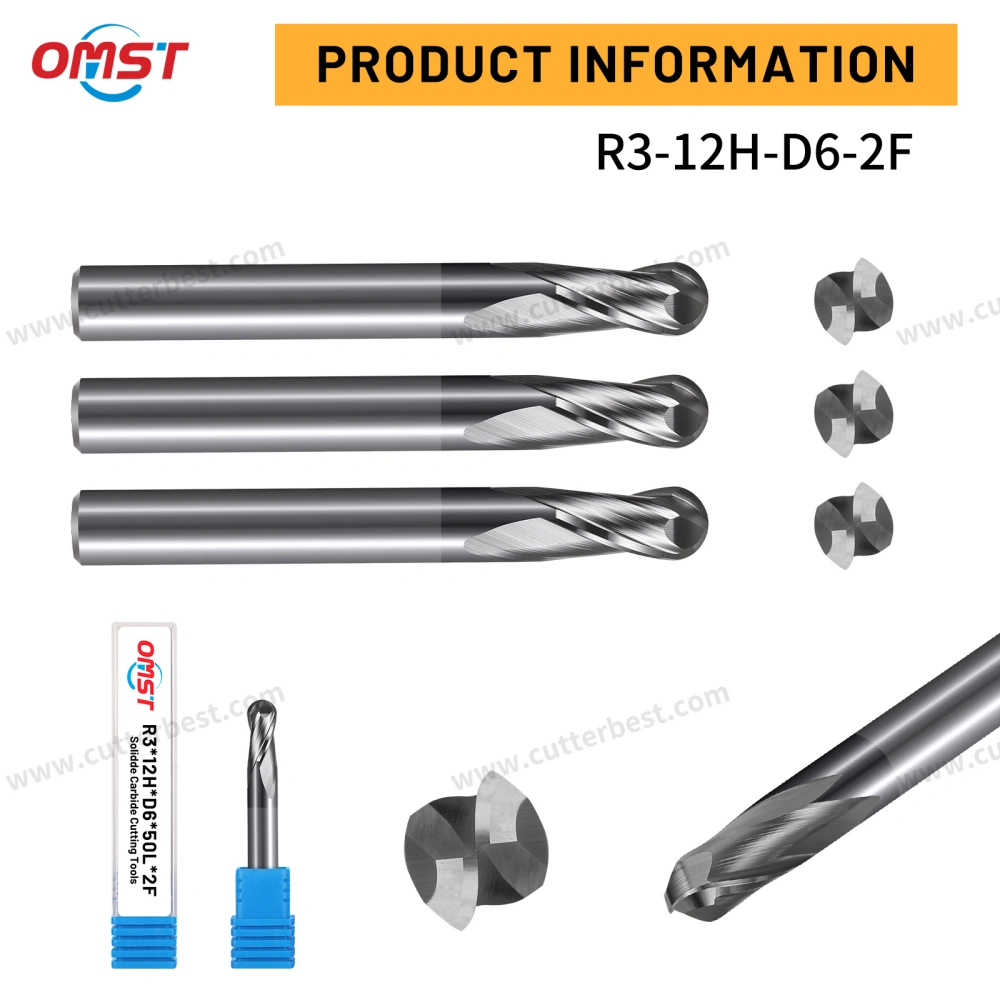
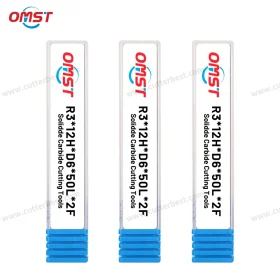
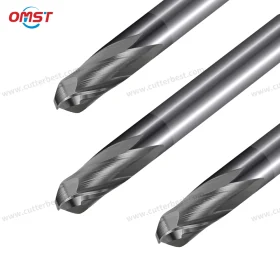
Hartmetall-Kugelkopffräser haben vollständig abgerundete Schneidenden, die gekrümmten Oberflächen und komplexen CNC-Werkzeugwegen folgen. Durch diese Geometrie sind sie für die 3D-Konturierung geeignet, Endbearbeitung des Formhohlraums, Gesenkbearbeitung, geformte Profile, und präzise Oberflächenveredelung.
CutterBest stellt Standard- und kundenspezifische Hartmetallfräser für CNC-Bearbeitungsbetriebe her, Formenhersteller, Industrielle Anwender, und Schneidwerkzeughändler. Kunden können verschiedene Durchmesser wählen, Flöte zählt, Schnittlängen, Halslängen, Hartmetallsorten, und Beschichtungen je nach Werkstückmaterial und Bearbeitungsbedingungen.
Was ist ein Kugelfräser??
Ein Kugelkopffräser ist ein rotierendes Fräswerkzeug mit einem halbkugelförmigen Schneidende. Im Gegensatz zu einem Flachfräser, Es entsteht kein vollständig flaches Schnittprofil. Stattdessen, Das abgerundete Ende bewegt sich sanft über gekrümmte Oberflächen und hilft dabei, allmähliche Übergänge zwischen verschiedenen Konturen zu schaffen.
Maschinenbauer verwenden dieses Werkzeug üblicherweise nach der Grobbearbeitung, um Formen fertigzustellen, stirbt, Hohlräume, Radien, und dreidimensionale Teile. Die richtige Fräsergeometrie und der richtige Werkzeugweg können außerdem sichtbare Werkzeugspuren reduzieren und den Umfang des erforderlichen Nachpolierens verringern.
Für Schlitze mit flachem Boden, Taschen, Schritte, und quadratische Schultern, Bitte sehen Sie sich unsere an Flachfräser Produkt.
Für einen direkten Vergleich der Schnittgeometrie, Bearbeitungsergebnisse, und passende Anwendungen, Lesen Sie unsere Kugelkopffräser vs. Flachfräserführung.
Hauptmerkmale
Schneidende mit vollem Radius
Das abgerundete Schneidenende folgt gebogenen und Freiformflächen sanfter als ein Fräser mit flachem Boden. daher, Es eignet sich gut für komplexe Profile, Formhohlräume, Radien, und detaillierte 3D-Veredelung.
Für ein Standard-Vollkugelkopf-Design, Der Nasenradius beträgt normalerweise die Hälfte des Schneiddurchmessers. Individuelle Schnittdurchmesser, Flötenlängen, Halslängen, Schaftgrößen, und Gesamtlängen können entsprechend Zeichnungen oder Bearbeitungsanforderungen bewertet werden.
Vollhartmetallkonstruktion
Wir fertigen diese Fräser aus Wolframkarbid, um ihnen Stabilität zu verleihen, Verschleißfestigkeit, und stabile Leistung beim CNC-Fräsen.
Die passende Hartmetallsorte hängt vom Werkstückmaterial ab, Härte, Werkzeugdurchmesser, Schnitttiefe, und Bearbeitungsbedingungen. daher, Kunden sollten bei der Angebotsanfrage Angaben zu Material und Härte machen.
Mehrere Flötenoptionen
Wir können Fräser mit 1–6 Schneiden herstellen. Jedoch, 2-Flöten- und 4-Flöten-Designs sind am häufigsten.
Ein 2-schneidiges Design bietet normalerweise mehr Spanraum und ist für Aluminium geeignet, Kupfer, Graphit, und andere Anwendungen, die eine effiziente Spanabfuhr erfordern. Im Gegensatz, ein 4-schneidiges Design bietet mehr Schneidkanten und eignet sich oft für Stahl, Formmaterialien, und Endbearbeitungsarbeiten.
Andere Nutzahlen können je nach Fräserdurchmesser ausgewertet werden, Werkstückmaterial, Oberflächenbeschaffenheitsziel, und CNC-Bearbeitungsbedingungen.
Beschichtungsoptionen
Unterschiedliche Werkstückmaterialien erfordern unterschiedliche Kantenbehandlungen und Beschichtungen. Zu den verfügbaren Optionen gehören::
- TiAlN
- Altin
- AlCrN
- TiSiN
- Zinn
- DLC
- Nanoblau
- Nanobeschichtung
- Unbeschichtetes Hartmetall
- Maßgeschneiderte Beschichtungen
Für Aluminium und andere Nichteisenmaterialien, Scharfe Schneidkanten und polierte Nuten sind möglicherweise wichtiger als eine herkömmliche Beschichtung. Für Stahl, Edelstahl, und gehärtete Materialien, Eine geeignete hitzebeständige Beschichtung kann die Verschleißfestigkeit und Standzeit des Werkzeugs verbessern.
Standard- und Sondergrößen
Der Standard-Schnittdurchmesserbereich liegt zwischen 1 und 20 mm. Zusätzlich, Je nach Fräserstruktur können wir kleinere oder größere Durchmesser beurteilen, Flötenzahl, Bearbeitungstiefe, und Bestellmenge.
Kunden können auch eine individuelle Nutlänge anfordern, Gesamtlänge, Schaftdurchmesser, Halslänge, Geometrie mit großer Reichweite, Hartmetallsorte, Beschichtung, und Maßtoleranzen.
Anwendungen für Kugelfräser
Diese Fräser werden üblicherweise für CNC-Endbearbeitungsvorgänge mit Kurven verwendet, dreidimensional, oder Freiformflächen.
Zu den typischen Anwendungen gehören::
- 3D-Konturfräsen
- Endbearbeitung des Formhohlraums
- Werkzeug- und Formenbearbeitung
- Veredelung gebogener Oberflächen
- Radius- und Profilbearbeitung
- Geformte Oberflächenbearbeitung
- Herstellung von Automobilformen
- Endbearbeitung von Luft- und Raumfahrtkomponenten
- Bearbeitung medizinischer und Präzisionsteile
- Bearbeitung von Graphitelektroden
- Bearbeitung von Kupferelektroden
- CNC-Gravur und detaillierte Veredelung
Mit einem kleineren Durchmesser können enge Hohlräume und feine Details erreicht werden. In der Zwischenzeit, Ein größerer Durchmesser kann die Bearbeitungseffizienz auf größeren gekrümmten Oberflächen verbessern. Bei der endgültigen Auswahl sollte die Form des Teils berücksichtigt werden, programmierter Übergang, gewünschte Oberflächenbeschaffenheit, und Maschinensteifigkeit.
Für eine detailliertere Erläuterung der Bearbeitungsanwendungen, lesen Wofür wird ein Kugelkopffräser verwendet?.
Spezifikationsoptionen
| Artikel | Verfügbare Optionen |
| Produktname | Kugelfräser / Kugelfräser |
| Schneidmaterial | Massives Wolframkarbid |
| Schnittdurchmesser | Standard 1–20 mm; Es können kleinere und größere Durchmesser ausgewertet werden |
| Schneidende | Kugelkopf mit vollem Radius |
| Flötenzählung | 1–6 Flöten; 2-Flöten- und 4-Flöten-Designs sind am häufigsten |
| Flötenlänge | Standard oder individuell |
| Gesamtlänge | Standard oder individuell |
| Schaftdurchmesser | Zylinderschaft oder kundenspezifisch |
| Halsdesign | Standardhals, entlasteter Nacken, oder weit reichende Ausführung |
| Werkstückhärte | Standardausführungen bis HRC65; Ausgewählte Designs unterstützen möglicherweise HRC68–70 |
| Beschichtung | TiAlN, Altin, AlCrN, TiSiN, Zinn, DLC, Nano, unbeschichtet, oder individuell angepasst |
| Werkstückmaterialien | Stahl, Edelstahl, Aluminium, Kupfer, Graphit, Gusseisen, Formstahl, und Legierungen |
| Anwendung | 3D-Konturierung, Formveredelung, Hohlraumbearbeitung, gekrümmte Oberflächen, und Präzisionsprofile |
| Maßgeschneiderter Service | Durchmesser, Länge, Schaft, Nacken, Flötenzahl, Hartmetallsorte, Beschichtung, Toleranz, und spezielle Geometrie |
| Auftragsart | Musterbestellungen, Serienfertigung, OEM, ODM, und Händlerbestellungen |
Kugelkopffräser für verschiedene Materialien
Aluminium und Nichteisenmaterialien
Bei der Bearbeitung von Aluminium, Kupfer, und ähnliche Materialien, Eine effiziente Spanabfuhr trägt dazu bei, Spanansammlungen und Aufbauschneiden zu reduzieren.
Scharfe Schnittkanten, größerer Flötenraum, polierte Flöten, und geeignete Beschichtungen können die Oberflächenbeschaffenheit verbessern. Eine 2-schneidige oder 3-schneidige Konstruktion kann für viele Nichteisenanwendungen geeignet sein, abhängig vom Fräserdurchmesser und der Bearbeitungsmethode.
Stahl und Edelstahl
Stahl und Edelstahl benötigen stabile Schnittkanten, geeignete Hartmetallsorten, und entsprechende Beschichtungen.
Werkzeuglänge und Maschinensteifigkeit sind ebenfalls wichtig, da ein übermäßiger Überhang Vibrationen verursachen und die Oberflächenqualität beeinträchtigen kann.
TiAlN, Altin, AlCrN, Je nach Material kann eine andere geeignete Beschichtung gewählt werden, Härte, Schnitttemperatur, und Kühlmittelbedingungen.
Formstahl und gehärtete Materialien
Für Formenstahl und gehärtete Materialien, Der Fräser muss über eine ausreichende Kantenfestigkeit verfügen, Hitzebeständigkeit, und Verschleißfestigkeit.
Standard-Fräserdesigns können Materialien bis zu etwa HRC65 unterstützen. Ausgewählte Hartmetallsorten, Kantenvorbereitungen, und Beschichtungen können HRC68–70 unterstützen.
Jedoch, Die Machbarkeit hängt davon ab:
- Exaktes Werkstückmaterial
- Fräserdurchmesser
- Bearbeitungszugabe
- Schnitttiefe
- Steifigkeit der Maschine
- Werkzeugweg
- Schnittparameter
Bitte geben Sie vollständige Bearbeitungsinformationen an, bevor Sie Werkzeuge für Materialien mit hoher Härte bestellen.
Graphit- und Kupferelektroden
Die Graphitbearbeitung erfordert eine gute Verschleißfestigkeit und eine stabile Fräsergeometrie. Im Gegensatz, Die Bearbeitung von Kupferelektroden erfordert normalerweise scharfe Schneidkanten und eine glatte Nutoberfläche.
Wir können Ihnen geeignete Hartmetallsorten empfehlen, Beschichtungen, und Nutdesigns entsprechend dem Elektrodenmaterial, gewünschte Oberflächenbeschaffenheit, und Produktionsmenge.
Sind Kugelkopffräser und Kugelfräser gleich??
Bei CNC-Schneidwerkzeuganwendungen, „Kugelkopffräser“ und „Kugelfräser“ beziehen sich normalerweise auf denselben Fräsertyp mit einem vollständig abgerundeten Schneidende.
„Kugelfräser“ ist der formellere und weithin akzeptierte Name, der in professionellen Schneidwerkzeugkatalogen verwendet wird. „Kugelfräser“ ist ein kürzerer Begriff, den manche Käufer verwenden, wenn sie nach einem Fräser mit kugelförmigem Ende suchen.
Beide Begriffe beschreiben normalerweise ein Werkzeug, das zum 3D-Konturfräsen verwendet wird, Endbearbeitung des Formhohlraums, Bearbeitung gekrümmter Oberflächen, und komplexe Profilbearbeitung.
Jedoch, Eine Kugelmühle sollte nicht mit einer Kugelmühle verwechselt werden, die zum Mahlen von Pulvern oder Schüttgütern verwendet wird.
Weitere Informationen zu diesem alternativen Produktnamen, Lesen Sie unsere Führung für Kugelmühlenfräser.
So wählen Sie einen Kugelfräser aus
Wählen Sie den Schnittdurchmesser
Der Schnittdurchmesser sollte zum Werkstückradius passen, Hohlraumbreite, Detailgröße, und verfügbarem Bearbeitungsraum.
Ein kleinerer Durchmesser passt zu feinen Details, enge Bereiche, und kleine Radien. Ein größerer Durchmesser kann die Bearbeitungseffizienz auf größeren gekrümmten Oberflächen verbessern.
Bestätigen Sie die Nutlänge und die Gesamtlänge
Wählen Sie eine Spannutenlänge und eine Gesamtlänge, die die erforderliche Bearbeitungstiefe erreichen, ohne unnötigen Überhang hinzuzufügen.
Ein zu langer Fräser kann vibrieren und sichtbare Oberflächenspuren hinterlassen. Für tiefe Hohlräume, Ein entlasteter Hals oder ein Design mit großer Reichweite bietet möglicherweise einen besseren Zugang als eine übermäßig lange Flöte.
Passen Sie das Flötendesign an das Material an
Die Flötenzählung, Wendel, modernste Vorbereitung, und Spanraum sollten zum Werkstückmaterial und zur Bearbeitung passen.
Zum Beispiel, Aluminium erfordert normalerweise eine effiziente Spanabfuhr und scharfe Schneidkanten. Stahl und gehärtete Materialien erfordern im Allgemeinen stärkere Kanten, stabile Geometrie, und eine passende Beschichtung.
Wählen Sie eine geeignete Beschichtung
Die Beschichtung sollte zur Materialhärte passen, Schnitttemperatur, Kühlmittelzustand, und Bearbeitungsverfahren.
Eine ungeeignete Beschichtung oder Kantenbehandlung kann die Spanhaftung erhöhen, Werkzeugstandzeit verkürzen, oder die Oberflächenqualität verringern.
Überprüfen Sie die Stabilität der Maschine und des Werkzeughalters
Steifigkeit der Maschine, Zustand des Werkzeughalters, Werkzeugunrundheit, und Fräserüberstand wirken sich direkt auf die endgültige Oberflächenbeschaffenheit aus.
daher, Verwenden Sie die kürzeste praktische Werkzeuglänge und stellen Sie sicher, dass die Maschine und der Halter den erforderlichen Endbearbeitungsvorgang unterstützen.
Weitere Auswahlinformationen, lesen So wählen Sie einen Kugelkopffräser aus.
Wenn für die Endbearbeitung möglicherweise eine Abflachung erforderlich ist, Kugelnase, Bullennase, oder materialspezifischer Fräser, Vergleichen Sie die verfügbaren Optionen in unserem Endfräslösungen für die CNC-Bearbeitung.
Kundenspezifische Herstellung von Kugelfräsern
Standardschneider passen möglicherweise nicht für jede Form, Hohlraum, Radius, oder spezielles CNC-Bauteil. daher,CutterBest unterstützt die kundenspezifische Produktion von Kugelkopffräsern nach Zeichnung, Proben, Größenlisten, und Bearbeitungsanforderungen.
Zu den benutzerdefinierten Optionen gehören::
- Nicht standardmäßige Schnittdurchmesser
- Kundenspezifische Flötenlängen
- Individuelle Gesamtlängen
- Kundenspezifische Schaftdurchmesser
- Designs mit entlastetem Hals und großer Reichweite
- 1–6 Flötenkonfigurationen
- Spezielle Hartmetallsorten
- Beschichtete oder unbeschichtete Schneiden
- Kundenspezifische Maßtoleranzen
- OEM-Lasermarkierung
- Neutrale oder Private-Label-Verpackung
Bitte angeben:
- Werkstückmaterial
- Werkstückhärte
- Schnittdurchmesser
- Flötenlänge
- Gesamtlänge
- Schaftdurchmesser
- Flötenzählung
- Beschichtungsanforderung
- Menge
- Erforderliche Toleranz
Für nicht standardmäßige Werkzeuge wird eine klare Zeichnung empfohlen.
Häufig gestellte Fragen
Wofür wird ein Kugelkopffräser verwendet??
Maschinenbauer nutzen es zum 3D-Konturfräsen, Veredelung gebogener Oberflächen, Formhohlräume, stirbt, Radien, geformte Profile, und präzise CNC-Bearbeitung. Sein abgerundetes Schneidenende folgt komplexen Oberflächen sanfter als ein Flachbodenschneider.
Ist ein Kugelkopffräser dasselbe wie ein Kugelfräser??
Bei CNC-Schneidwerkzeuganwendungen, Die beiden Namen beschreiben normalerweise dasselbe Fräswerkzeug mit abgerundeten Enden. Jedoch, „Kugelkopffräser“ ist der formellere Produktname, der in professionellen Werkzeugkatalogen verwendet wird.
Kann ein Kugelkopffräser eine Tasche mit flachem Boden bearbeiten??
Es können gebogene Hohlraumböden bearbeitet werden, es erzeugt jedoch nicht effizient ein vollständig flaches Bodenprofil. Für Taschen mit flachem Boden ist ein Flachfräser in der Regel besser geeignet, Slots, Schritte, und Schultern.
Welche Flötenzahl soll ich wählen??
Am häufigsten sind zwei- und vierschneidige Ausführungen.
Ein 2-Schneiden-Fräser bietet mehr Spanraum, während ein 4-Schneiden-Fräser mehr Schneidkanten bietet und die Endstabilität verbessern kann. Andere Nutzahlen können je nach Fräserdurchmesser ausgewertet werden, Werkstückmaterial, und Bearbeitungsbedingungen.
Können Sie Fräser für HRC68–70-Materialien herstellen??
Ausgewählte Hartmetallsorten, Beschichtungen, und Fräserdesigns können Materialien im HRC68–70-Bereich unterstützen.
Jedoch, Die Machbarkeit hängt vom genauen Werkstückmaterial ab, Fräserdurchmesser, Bearbeitungszugabe, Werkzeugweg, Steifigkeit der Maschine, und Schnittparameter.
Können Sie die Abmessungen des Fräsers anpassen??
Ja. Wir können den Schnittdurchmesser individuell anpassen, Flötenlänge, Gesamtlänge, Schaftdurchmesser, Halslänge, Flötenzahl, Beschichtung, Hartmetallsorte, und Toleranz gemäß Zeichnungen oder Bearbeitungsanforderungen.
Welche Informationen benötigen Sie für ein Angebot??
Bitte geben Sie den Schnittdurchmesser an, Flötenlänge, Gesamtlänge, Schaftdurchmesser, Flötenzahl, Beschichtung, Werkstückmaterial, Härte, Menge, und Lieferort.
Für nicht standardmäßige Werkzeuge, Bitte senden Sie uns auch eine Zeichnung oder ein Muster zu.
Senden Sie uns Ihre Anforderung für einen Kugelfräser
Benötigen Sie Standard- oder kundenspezifische Hartmetall-Kugelkopffräser für die Formbearbeitung, gekrümmte Oberflächen, oder 3D-Konturfinish?
Senden Sie uns Ihre Größenliste, Zeichnung, Werkstückmaterial, Härte, Beschichtungsanforderung, und Menge. Unser Team prüft den Antrag und erstellt einen geeigneten Werkzeugvorschlag und ein Angebot.
Senden Sie Ihre Anforderungen an sales@cutterbest.com