 Präzisions-Fräser,Schneidwerkzeuge für die CNC-Bearbeitung jedes Materials

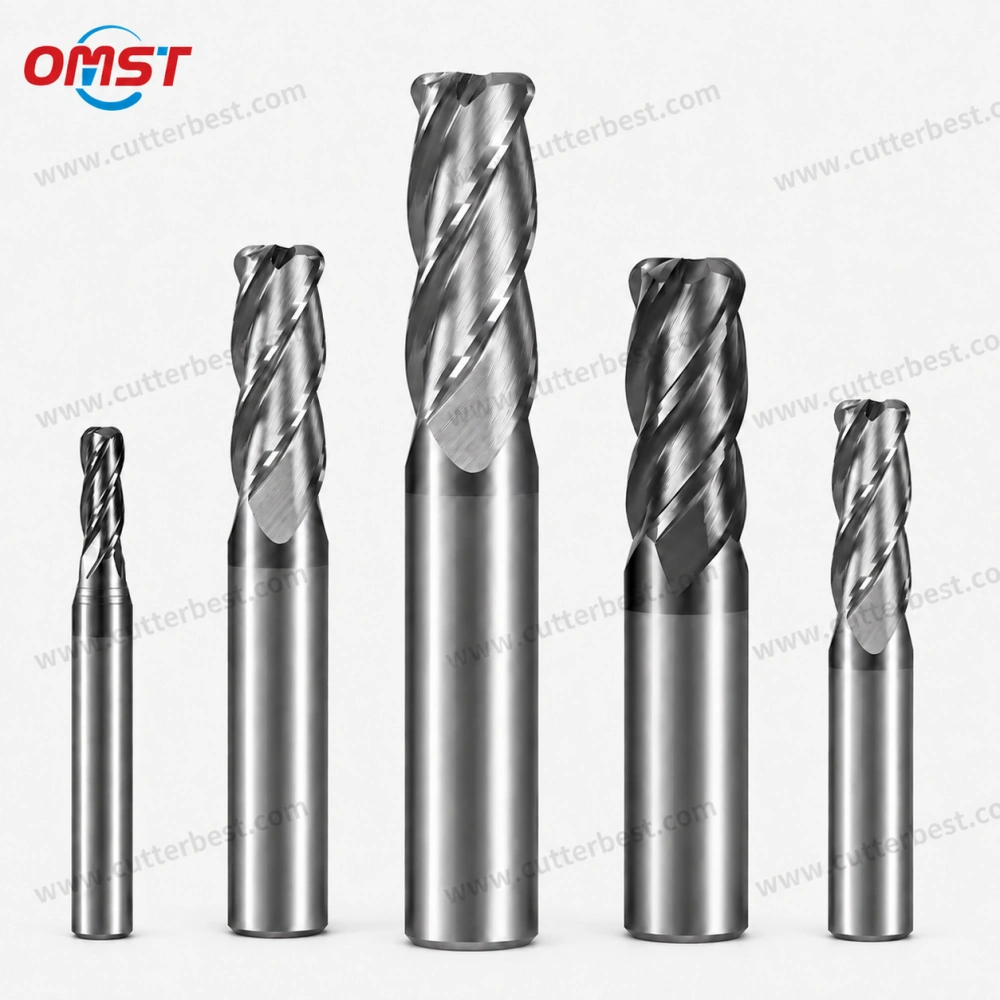
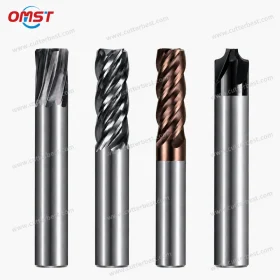
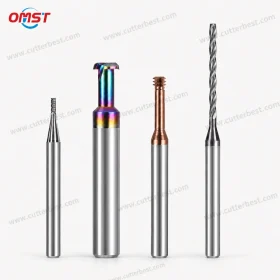
Der Begriff Hartmetallfräser refers to a broad product family rather than one fixed cutter design. Depending on the milling operation and local industry terminology, buyers may use different names for the same or similar tooling. In der Praxis, identifying the correct cutter starts with the machining operation, Fräsertyp, key dimensions and workpiece material.
A carbide milling requirement may involve end milling, Planfräsen, side or groove milling, Schlitzen, Schruppen, finishing or a special profile. Each application can require a different cutter structure and geometry, so one standard specification cannot represent the complete product family.
For buyers comparing a broader range of machining tools, siehe unsere CNC-Fräser. For the wider product family, Besuchen Sie uns Fräser Kategorie.
Spezifikationsoptionen
Each carbide milling cutter specification depends on the selected cutter type and machining requirement.
| Spezifikation | Optionen / Notizen |
|---|---|
| Fräsertyp | According to milling operation, required profile and cutter model |
| Cutting Material | Hartmetall / tungsten carbide cutting material |
| Fräserstruktur | Confirmed according to the selected cutter type and design |
| Abmessungen | Standard model or customized according to drawing and requested size |
| Schnittgeometrie | Selected according to cutter type, workpiece feature and machining requirement |
| Beschichtung / Oberfläche | If required, confirmed according to cutter type and application |
| Schaft / Montage | According to cutter type and machine interface |
| Benutzerdefinierte Anforderungen | Nicht standardmäßige Abmessungen, profiles and geometry can be reviewed according to drawing or application |
Because carbide milling cutters cover many different tool forms, detailed diameter, Flöte, Länge, mounting and geometry information is best confirmed for the specific cutter rather than listed as one universal size range.
Carbide Milling Cutters Applications and Selection
The correct carbide milling cutter depends on the machining operation, Werkstückmaterial, machine setup and required result. Buyers who already know the cutter model can proceed directly from the specification; those who are not sure of the exact tool name can start from the machining operation or send a drawing for review.
Select by Milling Operation
Different milling operations require different cutter forms.
Zum Schlitzen, Profilierung, pocketing and general peripheral milling, an end milling tool may be appropriate. Large flat surfaces normally require a different cutter arrangement from narrow grooves, side cutting or undercut features.
For surface machining, siehe unsere Planfräser Reichweite. Für Nut- und Seitenschneidanwendungen, siehe unsere Scheibenfräser Produkte. T-slot and other special slot requirements should be confirmed according to the required profile and dimensions.
Roughing and finishing operations may also require different cutting geometry. Instead of selecting a cutter only by diameter, the machining operation and required result should be considered together.
Wählen Sie nach Werkstückmaterial aus
Workpiece material affects cutter selection because the suitable cutting geometry, carbide specification, coating and chip-control requirements can vary by application.
Common machining requirements include:
- Stahl
- Edelstahl
- Gusseisen
- Aluminium
- Mold materials
- Copper and other non-ferrous materials
- Graphite or composite materials
The workpiece material alone does not determine the complete cutter specification. For quotation or tool selection, it is better to provide the material together with the milling operation, cutter dimensions and available machine information.
For graphite or composite applications that specifically require diamond-coated end milling tools, please refer to our Diamantbeschichtete Schaftfräser.
Select by Cutter Type and Requirement
Some buyers know the exact international cutter name, while others work from a local product name, vorhandenes Werkzeug, part drawing or internal model number. Both situations are suitable for inquiry.
If the cutter is already known, bieten:
- Cutter type or model
- Hauptabmessungen
- Werkstückmaterial
- Bearbeitungsvorgang
- Menge
If you are not sure of the exact cutter name, Senden Sie die Teilezeichnung, existing cutter reference, photos or required machining feature. We can use this information to identify a suitable cutter type before quotation.
For a broader explanation of common tool categories, sehen types of milling cutters.
Hauptmerkmale
Carbide cutting material
Carbide is commonly used for industrial milling applications where cutting rigidity and wear resistance are important.
Multiple cutter configurations
Different milling operations may require different cutter types, structures and geometries rather than one fixed design.
Application-based selection
The cutter can be selected according to the workpiece, Fräsbetrieb, required feature and actual machining requirement.
Standard- und Nicht-Standard-Anforderungen
Standard models and drawing-based special requirements can be evaluated separately.
B2B procurement support
Suitable for machining shops, industrial buyers, distributors and customers sourcing replacement or customized milling tools.
Kundenspezifische Fertigung
CutterBest supports custom carbide milling cutters when a standard cutter does not match the part geometry or machining requirement.
For a custom or non-standard request, you can provide:
- Drawing or existing cutter model
- Cutter type
- Schlüsseldimensionen
- Required profile or geometry
- Werkstückmaterial
- Mahlbetrieb
- Special requirements
- Menge
We review the cutter design and feasible specification according to the actual requirement. If you only have a part drawing or an existing tool reference, it can also be used as the starting point for evaluation.
OEM and non-standard tooling requirements can be reviewed according to the specific project rather than being limited to one fixed catalog specification.
Häufig gestellte Fragen
What information should I provide for a carbide milling cutter quotation?
Wenn möglich, provide the cutter type or model, Hauptabmessungen, Werkstückmaterial, Bearbeitungsvorgang und Menge. A drawing or existing cutter reference is especially useful for non-standard tools.
Can I send a drawing or an existing cutter model for evaluation?
Ja. Eine Zeichnung, model number, existing cutter information or clear dimensional reference can be used to review the required tool and prepare the quotation.
What if I do not know the exact name of the milling cutter I need?
You do not need to know the exact international tool name before contacting us. Send the part drawing, Bearbeitungsfunktion, vorhandene Fräserinformationen, workpiece material or application requirement, and we can review your requirements and recommend a suitable cutter type.
Is a carbide milling cutter the same as a solid carbide end mill?
Not exactly. A solid carbide end mill is a specific type of milling tool, while “carbide milling cutter” is a broader purchasing term that can cover different milling cutter designs.
If you are looking specifically for an end mill, please check our Hartmetall-Schaftfräser Produktpalette.
Can the cutter dimensions and geometry be customized?
Ja. Nicht standardmäßige Abmessungen, profiles and cutting geometry can be reviewed according to the drawing, cutter model and machining requirement. We confirm final feasibility for the specific tool.
Request a Carbide Milling Cutter Quote
Need a standard or custom carbide milling cutter for your machining project?
Send your cutter model, Zeichnung, Hauptabmessungen, Werkstückmaterial, Anwendung und Menge an sales@cutterbest.com. If you are not sure of the exact cutter name, you can also send your part drawing or machining requirements, and we can help review the application and recommend a suitable cutter type.