 Präzisions-Fräser,Schneidwerkzeuge für die CNC-Bearbeitung jedes Materials

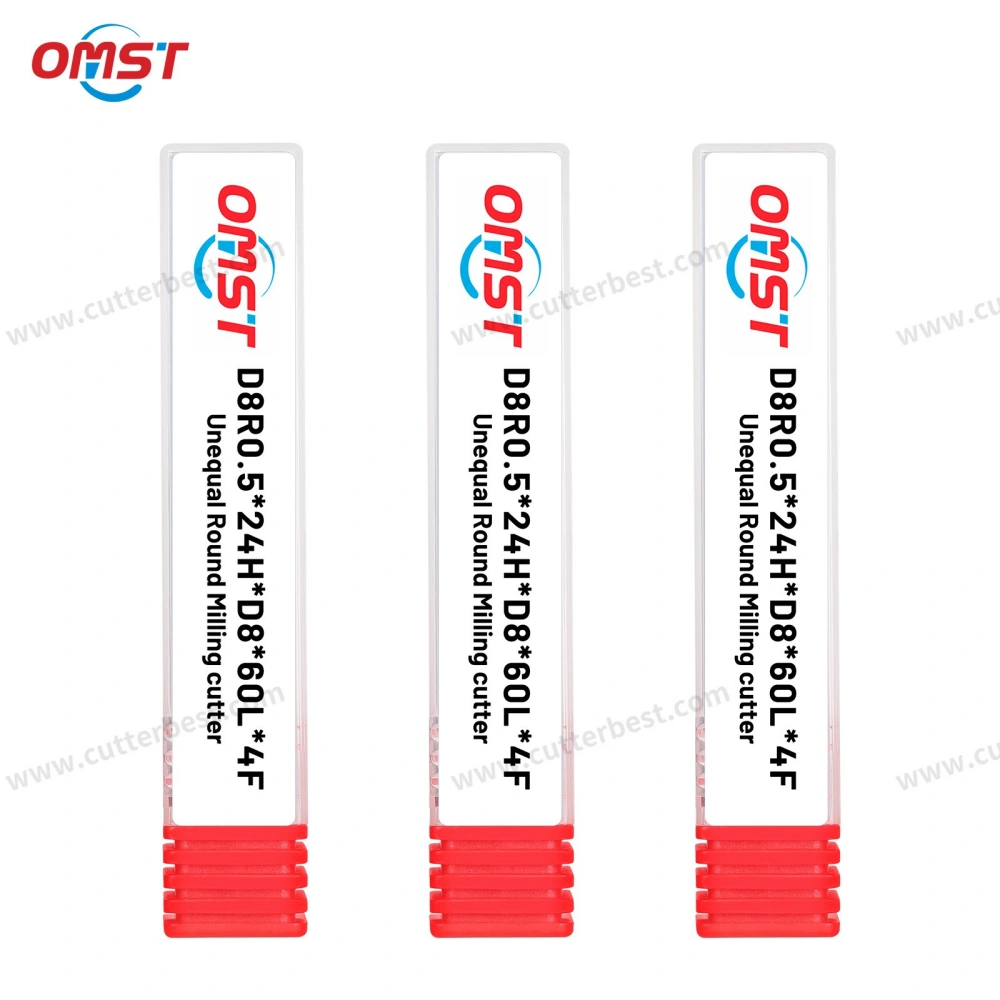
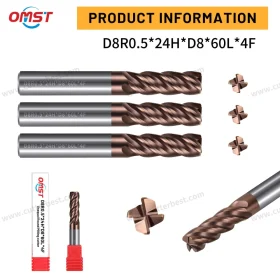
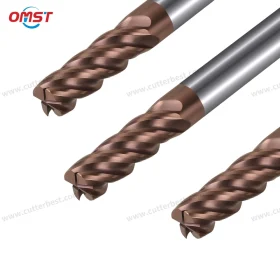
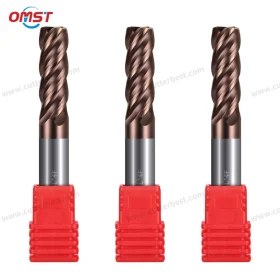
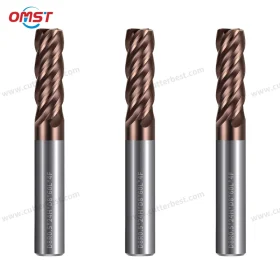
Dieser Diamantfräser verwendet ein Vollhartmetallsubstrat mit Diamantbeschichtung für die CNC-Graphitbearbeitung.
Graphit ist stark abrasiv, Daher können Standard-Hartmetallwerkzeuge bei langen Bearbeitungszyklen schnell verschleißen. Eine Diamantbeschichtung trägt dazu bei, den Schneidenverschleiß zu reduzieren und unterstützt eine stabilere Bearbeitung von Graphitelektroden, Graphitformen, und Präzisionsgraphitkomponenten.
OMIST liefert standardmäßige und kundenspezifische diamantbeschichtete Fräser für CNC-Bearbeitungszentren, Hochgeschwindigkeitsfräsmaschinen, und Graphitgravurausrüstung. Wir können die Werkzeugabmessungen und Endgeometrie anhand Ihrer Zeichnung beurteilen, Probe, oder Bearbeitungsanforderungen.
Für zusätzliche Vollhartmetallwerkzeuge mit Diamantbeschichtung, Bitte sehen Sie sich unsere an Diamantbeschichtete Schaftfräser.
Was ist ein Diamantfräser??
Auf dieser Seite, Unter Diamantfräser versteht man einen Vollhartmetallfräser mit Diamantbeschichtung, hauptsächlich für die CNC-Graphitbearbeitung konzipiert.
Die Beschichtung schützt die Hartmetallschneide bei der Bearbeitung von abrasivem Graphit. Infolge, Das Werkzeug kann eine stabilere Schneidleistung beim Graphitelektrodenschneiden bieten, Schimmel, und Präzisionsteilefertigung.
Standard- und Sondergrößen sind verfügbar. Kunden können den Schnittdurchmesser angeben, Flötenlänge, Gesamtlänge, Flötennummer, und Endtyp entsprechend der erforderlichen Anwendung.
Hauptmerkmale des Diamantfräsers
Diamantbeschichtung für Graphit
Die Diamantbeschichtung verbessert die Verschleißfestigkeit beim Schneiden von abrasivem Graphit. Es trägt dazu bei, dass die Schneidkante auch bei längeren Bearbeitungszyklen unter geeigneten Bedingungen eine stabile Leistung behält.
Dadurch ist der Fräser für Graphitelektroden geeignet, Formen, Hohlräume, und andere Präzisionsgraphitteile.
Vollhartmetallsubstrat
Das Vollhartmetallsubstrat bietet Steifigkeit und Schnittfestigkeit für die CNC-Bearbeitung.
Wichtig sind auch eine stabile Werkzeugaufnahme und eine passende Werkzeuglänge. daher, Der Fräser sollte zur erforderlichen Bearbeitungstiefe passen, Maschinenzustand, und Werkstückform.
Mehrere Endtypen
Quadratisches Ende, Kugelkopf, Für unterschiedliche Bearbeitungsaufgaben stehen Eckradiusfräser zur Verfügung.
Ein quadratisches Ende eignet sich für flache Oberflächen, Slots, Taschen, und Seitenwände. Eine Kugelnase eignet sich für gekrümmte Oberflächen und 3D-Konturen. Ein Eckenradius sorgt für zusätzliche Eckenfestigkeit, wenn keine völlig scharfe Ecke erforderlich ist.
Standard- und Sondergrößen
OMIST kann regelmäßige Spezifikationen liefern oder kundenspezifische Werkzeuge anhand von Zeichnungen bewerten, samples, oder detaillierte Anforderungen.
Zu den kundenspezifischen Optionen kann der Schnittdurchmesser gehören, Schaftdurchmesser, Flötenlänge, Gesamtlänge, Flötennummer, und Endgeometrie.
Empfohlene Anwendungen
Dieser Diamantfräser ist geeignet für:
- Bearbeitung von Graphitelektroden
- Bearbeitung von Graphitformen
- Präzisionsteile aus Graphit
- Hohlräume und Konturen aus Graphit
- Schruppen und Schlichten von Graphit
- Kundenspezifische Herstellung von Graphitkomponenten
Diamantbeschichtete Fräser werden für Stahl nicht empfohlen, Edelstahl, oder andere eisenhaltige Materialien.
Für die Stahlbearbeitung, eine entsprechend beschichtete Hartmetall-Schaftfräser ist normalerweise praktischer.
Spezifikationsoptionen
Standard- und kundenspezifische Schnittdurchmesser, Schaftdurchmesser, Flötenlängen, Gesamtlängen, Flötennummern, und Endgeometrien sind verfügbar. Quadratisches Ende, Kugelkopf, Eckenradius, und Sonderprofilfräser können nach Ihrer Zeichnung ausgewertet werden, Probe, oder gewünschte Abmessungen.
So wählen Sie den richtigen Diamantfräser aus
Das richtige Werkzeug sollte zum Graphitmaterial passen, Bearbeitungsfunktion, Werkzeuggröße, erforderliche Bearbeitungstiefe, und Oberflächenbedarf.
Wählen Sie für flache Oberflächen einen Vierkantschneider, Slots, Taschen, und Seitenwände. Wählen Sie einen Kugelfräser für gekrümmte Oberflächen und 3D-Profile. Ein Eckenradiusfräser ist möglicherweise besser geeignet, wenn die Anwendung zusätzliche Eckenfestigkeit erfordert.
Auch die Werkzeuglänge ist wichtig. Mit einem längeren Fräser kann ein tieferer Hohlraum erreicht werden, Ein übermäßiger Überhang kann jedoch die Steifigkeit verringern und die Vibration verstärken. Verwenden Sie die kürzeste praktische Werkzeuglänge, mit der der Bearbeitungsvorgang abgeschlossen werden kann.
Zur Graphitbearbeitung, Oberflächenqualität und Maßhaltigkeit sind in der Regel wichtig. Zum Schruppen, Werkzeugstärke, Schnittstabilität, und Materialabtrag erfordern mehr Aufmerksamkeit.
Bitte senden Sie die folgenden Informationen zur Produktauswahl oder zum Angebot:
- Graphitmaterial oder -sorte
- Schnittdurchmesser
- Schaftdurchmesser
- Flötenlänge und Gesamtlänge
- Endtyp
- Schrupp- oder Schlichtanwendung
- Benötigte Menge
- Zeichnung oder Beispielfoto, falls verfügbar
Wann die genaue Spezifikation unklar ist, Senden Sie die Informationen, die Sie bereits haben. Die restlichen Details können wir im Rahmen der weiteren Kommunikation bestätigen.
Kundenspezifischer und OEM-Service
OMIST hat 16 Jahre Erfahrung in der Herstellung von Schneidwerkzeugen in China. Wir unterstützen Standardprodukte, kundenspezifische Fräser, und OEM/ODM-Produktion für internationale Käufer und Händler.
Benutzerdefinierte Abmessungen, Werkzeuggeometrie, Produktkennzeichnung, und Verpackung können entsprechend Ihren Bestellanforderungen besprochen werden.
Für kundenspezifische Produktion, Bitte senden Sie Ihre Zeichnung, Probe, oder gewünschte Abmessungen. Nach Durchsicht der Details, Wir bestätigen die verfügbare Produktionsoption, Preis, Mindestbestellmenge, und geschätzte Vorlaufzeit.
Häufig gestellte Fragen
Wozu dient ein Diamantfräser??
Dieser Diamantfräser wird hauptsächlich zur CNC-Bearbeitung von Graphitelektroden eingesetzt, Graphitformen, Hohlräume, und Präzisionsgraphitteile.
Warum einen diamantbeschichteten Fräser für Graphit verwenden??
Graphit ist abrasiv und kann bei Standard-Hartmetallwerkzeugen zu schnellem Verschleiß führen. Eine Diamantbeschichtung verbessert die Verschleißfestigkeit und sorgt für eine stabilere Schnittleistung.
Welchen Endtyp soll ich wählen??
Verwenden Sie für flache Oberflächen ein quadratisches Ende, Slots, Taschen, und Seitenwände. Eine Kugelnase eignet sich besser für gekrümmte Oberflächen und 3D-Profile, während ein Eckenradiusschneider für zusätzliche Eckenfestigkeit sorgt.
Kann dieser Fräser Stahl oder Edelstahl bearbeiten??
NEIN. Diamantbeschichtete Fräser werden für Stahl nicht empfohlen, Edelstahl, oder andere eisenhaltige Materialien. Geeigneter sind Hartmetall-Schaftfräser mit geeigneten Beschichtungen.
Können Sie Sondergrößen herstellen??
Ja. Wir können kundenspezifische Schnittdurchmesser bewerten, Schaftdurchmesser, Flötenlängen, Gesamtlängen, Flötennummern, und Endgeometrien nach Zeichnung oder Muster.
Gibt es eine Mindestbestellmenge??
Für die kundenspezifische Produktion ist normalerweise eine Mindestbestellmenge erforderlich. Verfügbare Lagerartikel haben möglicherweise keine Mindestbestellmenge. Der endgültige Mengenbedarf hängt von der Werkzeugspezifikation und der Produktionsmethode ab.
Senden Sie Ihre Diamantfräser-Anforderung
Schicken Sie uns eine E-Mail Ihr Graphitmaterial, erforderliche Werkzeugabmessungen, Endtyp, Zeichnung, und Menge.
Wir prüfen die Informationen und unterbreiten Ihnen ein Angebot für einen passenden Standard- oder Sonderdiamantfräser.