 Fresas de precisión,Herramientas de corte para el mecanizado CNC de todos los materiales

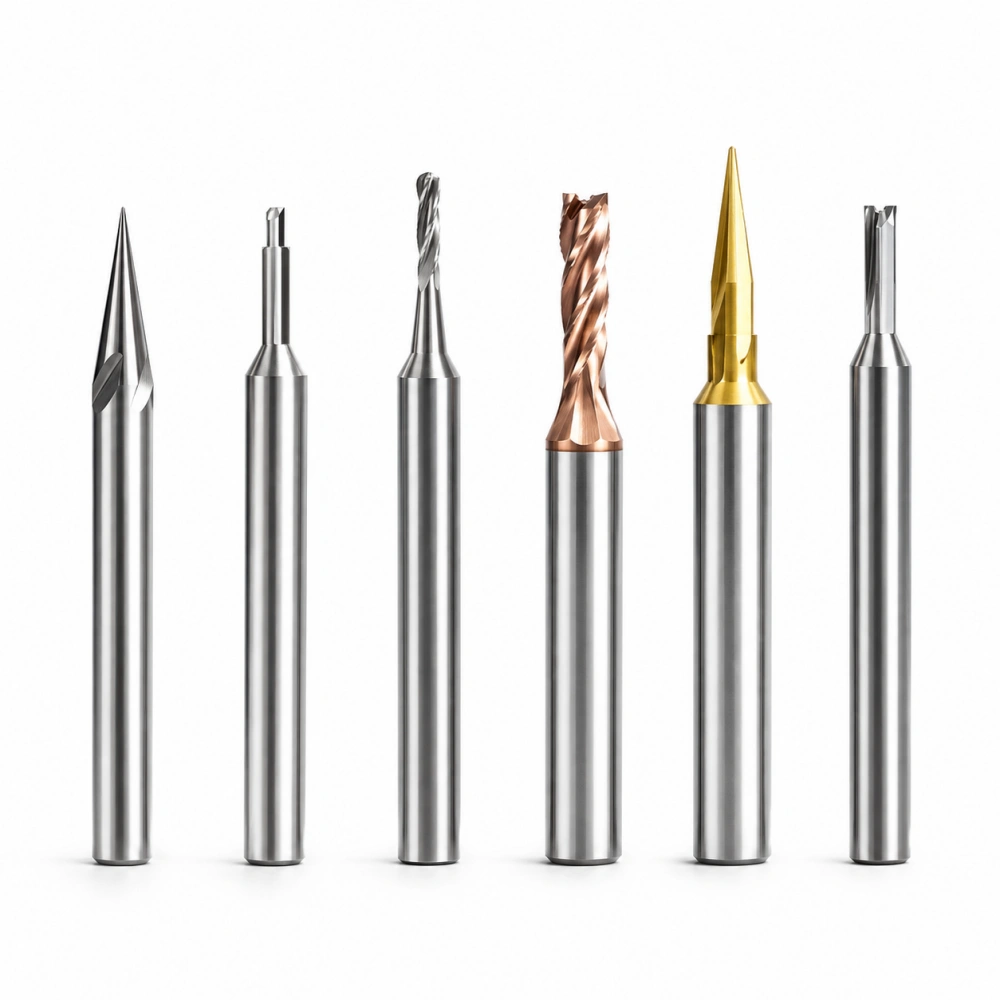
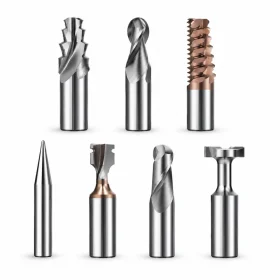
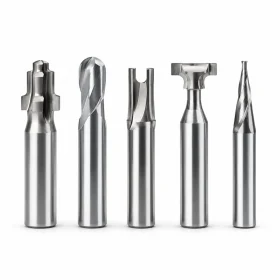
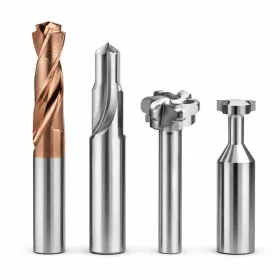
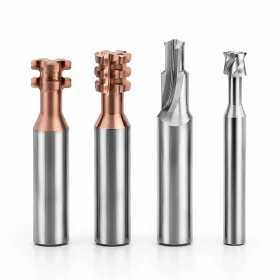
Las herramientas de formulario personalizadas ayudan a mecanizar características de las piezas que las cortadoras de catálogo estándar no pueden igualar de manera eficiente. En lugar de seleccionar primero un perfil de herramienta fijo, Evaluamos la geometría de la herramienta alrededor de la característica de la pieza y la operación de corte real..
Dependiendo de la aplicación, Podemos diseñar una herramienta de formulario personalizada para un contorno especial o varias características relacionadas que deben trabajar juntas..
Opciones de especificación de la herramienta de formulario personalizado
Porque cada proyecto es diferente, Confirmamos las siguientes especificaciones de acuerdo con el perfil de la pieza real y los requisitos de mecanizado..
| Opción | Dirección disponible |
|---|---|
| Material de la herramienta | Carburo sólido, HSS, Con punta de carburo / Soldado según aplicación |
| Perfil | Contorno personalizado, radio, chaflán, paso, ranura, o perfil combinado |
| Dimensiones | Confirmado según el dibujo de la herramienta., dibujo de parte, o perfil requerido |
| Estructura de la herramienta | Seleccionado según el método de mecanizado y la característica de corte requerida. |
| Geometría de corte | Evaluado en torno al perfil de pieza requerido y las condiciones de corte. |
| Capa | Seleccionado según la pieza de trabajo y la aplicación cuando corresponda. |
Las dimensiones específicas se confirman proyecto por proyecto porque diferentes herramientas de corte de perfiles personalizadas pueden requerir diferentes estructuras y geometrías..
Aplicaciones y Selección
Perfiles especiales y contornos complejos
Es posible que los cortadores estándar no coincidan con una pieza que contiene un contorno especial, radio no estándar, ranura, transición, u otra característica específica del perfil.
En estos casos, Podemos evaluar un cortador de perfil personalizado según la geometría de la pieza requerida.. Confirmamos el perfil de corte final tras revisar el plano y las condiciones de mecanizado..
Funciones de paso y combinación
Algunos componentes contienen varias características conectadas, como diferentes diámetros., pasos, chaflanes, radios, surcos, o transiciones de perfil.
Podemos evaluar una herramienta de formulario de combinación personalizada en función de cómo estas características se relacionan entre sí.. Si estas características deben combinarse en una sola herramienta depende de la geometría de la pieza., espacio de mecanizado disponible, estructura de la herramienta, y operación de corte.
Reducir múltiples cambios de herramientas
Cuando varias funciones relacionadas requieren diferentes herramientas estándar, una herramienta de formulario diseñada específicamente puede permitir que se combinen algunas operaciones.
Podemos evaluar este enfoque para pasos estrechamente relacionados., surcos, chaflanes, radios, o características del perfil. La disposición final de las herramientas depende de la geometría del componente y de las condiciones de mecanizado..
Aplicaciones de herramientas de fresado y torneado
Las herramientas de corte de formas se pueden utilizar con diferentes métodos de mecanizado dependiendo de cómo se genere el perfil requerido..
Podemos evaluar fresas de forma rotativa para aplicaciones de fresado CNC., mientras que otras estructuras de herramientas de forma pueden adaptarse a operaciones de torneado.
Para opciones de herramientas de fresado estándar y familias de fresas relacionadas, ver nuestro Fresas.
Para estructuras de fresas no estándar más amplias, cuerpos de corte, o requisitos de montaje que no se basan principalmente en perfiles, ver nuestro Fresas personalizadas
Características clave
Diseño de herramientas basado en perfiles de piezas
Se evalúa una herramienta de formulario personalizado en torno a la característica de pieza requerida en lugar de un perfil de catálogo fijo.. Esto lo hace adecuado cuando un cortador estándar no puede igualar el contorno requerido o la combinación de características..
Se pueden evaluar múltiples características juntas
Podemos revisar juntos las características de las piezas relacionadas al desarrollar la especificación de la herramienta..
La posibilidad de combinarlos en un perfil de corte depende de la geometría real de la pieza y de la operación de mecanizado..
Estructura de materiales y herramientas seleccionadas por aplicación
El material de herramienta adecuado., estructura, y la geometría de corte dependen del material de la pieza de trabajo, perfil requerido, método de mecanizado, y condiciones de corte.
Herramientas de forma de carburo sólido, Herramientas de formulario HSS, y otras construcciones, por lo tanto, se evalúan según el proyecto individual en lugar de seleccionarse a partir de una especificación fija.
Fabricación personalizada
Información necesaria para la evaluación
Cada proyecto de herramienta de forma personalizada comienza con la comprensión de la característica de la pieza que debe mecanizarse..
Puedes enviarnos cualquier información disponible, incluido:
- Plano de pieza o perfil requerido
- Dibujo de herramientas, si está disponible
- Material de la pieza de trabajo
- Requisito de mecanizado
- Cantidad requerida
Un dibujo de herramienta completo es No es necesario para la evaluación inicial.. Si solo tienes el dibujo del componente, perfil, o requisito de mecanizado, puedes enviar esa información primero.
Para otros tipos de herramientas CNC no estándar, ver nuestro Herramientas de corte personalizadas página de capacidad.
Del perfil de pieza a la herramienta de formulario personalizado
1. Revisión de requisitos
Revisamos el plano de pieza disponible, perfil, información de herramientas existentes, y requisitos de mecanizado para comprender la característica de corte requerida.
2. Confirmación de especificación de herramienta
Las dimensiones principales, material de la herramienta, estructura, y geometría de corte se evalúan según el proyecto.
3. Fabricabilidad & Cotización
Una vez que el requisito sea suficientemente claro, Confirmamos la capacidad de fabricación y preparamos la cotización de acuerdo con la especificación y cantidad de la herramienta..
4. Producción
Después de confirmar las especificaciones y los detalles del pedido., La herramienta de formulario personalizada se fabrica de acuerdo con los requisitos acordados..
Preguntas frecuentes
¿Qué es una herramienta de corte de formas personalizadas??
Una herramienta de corte de formas personalizada está diseñada en torno a un perfil de pieza específico o una combinación de características que no se pueden producir de manera eficiente con una cortadora de catálogo estándar.. Los requisitos típicos pueden implicar contornos., pasos, surcos, radios, chaflanes, o características de perfil relacionadas.
¿Se puede evaluar una herramienta de formulario personalizada a partir de un perfil o dibujo de pieza??
Sí. No se requiere un dibujo de herramienta completo para la revisión inicial..
Puedes enviar el dibujo de la pieza., perfil requerido, dimensiones principales, material de la pieza de trabajo, y requisito de mecanizado primero. Luego confirmaremos qué información adicional se necesita..
¿Cuál es la diferencia entre una herramienta de forma personalizada y una fresadora personalizada??
Una herramienta de formulario personalizado se define principalmente por el perfil de pieza específico o la combinación de características que necesita generar..
Una fresa de mango personalizada se basa en una estructura de fresa de mango y puede requerir dimensiones no estándar, alcanzar, geometría del cuello, geometría de flauta o hélice, u otras modificaciones del molino de extremo. Para estos requisitos, ver nuestro Fresas personalizadas página.
¿Se utilizan herramientas de forma personalizadas tanto para fresado como para torneado??
Sí, dependiendo de la característica requerida y la estructura de la herramienta. Las herramientas de forma rotatoria se pueden utilizar en aplicaciones de fresado., mientras que otros diseños de herramientas de forma se pueden evaluar para operaciones de torneado.
La estructura correcta se confirma según el método de mecanizado y el perfil requerido..
¿Qué materiales se pueden utilizar para herramientas de formulario personalizadas??
Las opciones posibles incluyen carburo sólido., HSS, y construcciones con punta de carburo o soldadas según la aplicación.
El material final se selecciona según la geometría de la herramienta., material de la pieza de trabajo, método de mecanizado, y condiciones de corte.
Envíe su perfil de pieza o dibujo de herramienta
Si una cortadora estándar no puede coincidir con el perfil de pieza requerido, envíanos la información que ya tienes.
Puede envíanos un correo electrónico tu parte dibujando, perfil requerido, material de la pieza de trabajo, cantidad, o requisito de mecanizado para revisión. Evaluaremos el proyecto antes de confirmar las especificaciones y la capacidad de fabricación de la herramienta de forma personalizada..
También puedes contactarnos a través de WhatsApp Si desea discutir el requisito directamente.