 Fraise de précision,Outils de coupe pour l’usinage CNC de chaque matériau

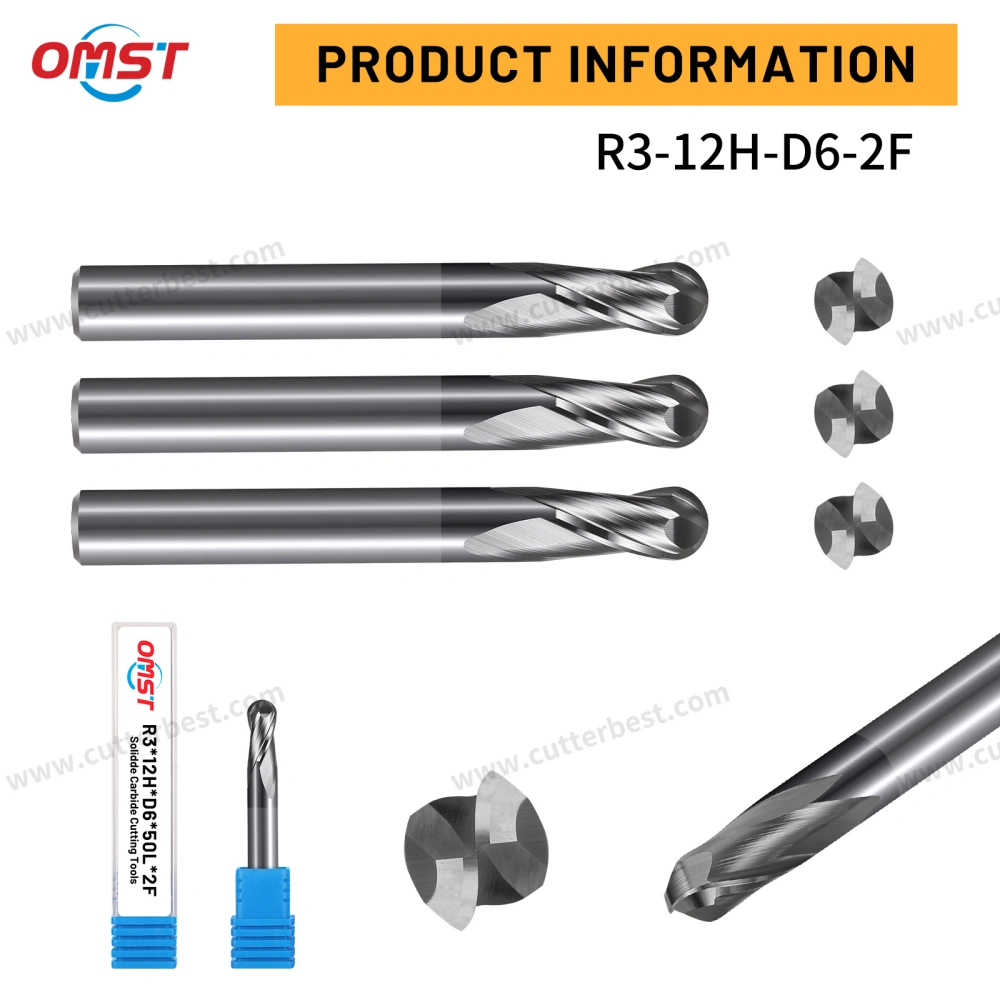
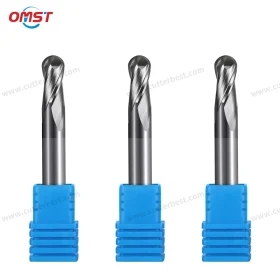
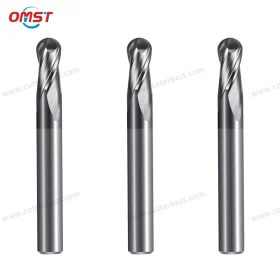
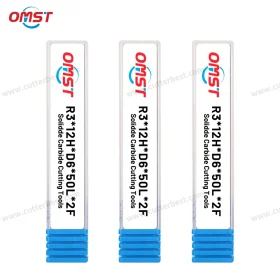
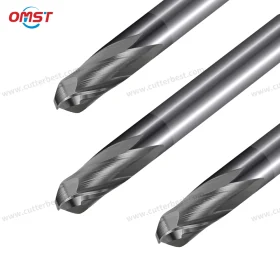
Les fraises à bout sphérique en carbure ont des extrémités de coupe entièrement arrondies qui suivent des surfaces courbes et des parcours d'outils CNC complexes. Cette géométrie les rend adaptés au contouring 3D, finition de cavité de moule, usinage de matrices, profils sculptés, et finition de surface de précision.
CutterBest fabrique des fraises en carbure standard et personnalisées pour les ateliers d'usinage CNC, fabricants de moules, utilisateurs industriels, et distributeurs d'outils de coupe. Les clients peuvent sélectionner différents diamètres, la flûte compte, longueurs de coupe, longueurs de cou, nuances de carbure, et revêtements en fonction du matériau de la pièce et des conditions d'usinage.
Qu'est-ce qu'une fraise à bout sphérique?
Une fraise à bout sphérique est un outil de fraisage rotatif avec une extrémité coupante hémisphérique.. Contrairement à une fraise à bout plat, il ne produit pas un profil de coupe à fond entièrement plat. Plutôt, l'extrémité arrondie se déplace en douceur sur les surfaces courbes et aide à créer des transitions progressives entre les différents contours.
Les machinistes utilisent couramment cet outil après un usinage grossier pour finir les moules., meurt, cavités, rayons, et pièces tridimensionnelles. La géométrie de coupe et le parcours d'outil corrects peuvent également réduire les marques d'outils visibles et réduire la quantité de polissage secondaire requis..
Pour fentes à fond plat, poches, mesures, et épaules carrées, veuillez consulter notre fraise à bout plat produit.
Pour une comparaison côte à côte de la géométrie de coupe, résultats d'usinage, et applications adaptées, lisez notre fraise à bout sphérique vs guide de fraise à bout plat.
Principales fonctionnalités
Extrémité de coupe à rayon complet
L'extrémité de coupe arrondie suit les surfaces courbes et de forme libre plus facilement qu'un couteau à fond plat.. Donc, il est bien adapté aux profils complexes, cavités de moule, rayons, et finition 3D détaillée.
Pour une conception standard à rotule complète, le rayon du nez est normalement la moitié du diamètre de coupe. Diamètres de coupe personnalisés, longueurs de flûte, longueurs de cou, tailles de tige, et les longueurs hors tout peuvent être évaluées selon les dessins ou les exigences d'usinage.
Construction en carbure monobloc
Nous fabriquons ces fraises à partir de carbure de tungstène pour assurer la rigidité, résistance à l'usure, et des performances stables pendant le fraisage CNC.
La nuance de carbure appropriée dépend du matériau de la pièce à usiner, dureté, diamètre de l'outil, profondeur de coupe, et conditions d'usinage. Donc, les clients doivent fournir les informations sur le matériau et la dureté lors de la demande d'un devis.
Plusieurs options de flûte
Nous pouvons fabriquer des fraises avec 1 à 6 cannelures. Cependant, 2-les modèles à flûte et à 4 flûtes sont les plus courants.
Une conception à 2 cannelures offre généralement plus d'espace pour les copeaux et convient à l'aluminium, cuivre, graphite, et autres applications nécessitant une évacuation efficace des copeaux. En revanche, une conception à 4 cannelures offre plus d'arêtes de coupe et convient souvent à l'acier, matériaux de moule, et opérations de finition.
D'autres nombres de flûtes peuvent être évalués en fonction du diamètre de la fraise, matériau de la pièce à usiner, objectif d'état de surface, et conditions d'usinage CNC.
Options de revêtement
Différents matériaux de pièce nécessitent différents traitements et revêtements de bords. Les options disponibles incluent:
- TiAlN
- Or
- AlCrN
- TiSiN
- Étain
- Contenu téléchargeable
- Nano Bleu
- Nanorevêtement
- Carbure non revêtu
- Revêtements personnalisés
Pour l'aluminium et autres matériaux non ferreux, des arêtes de coupe tranchantes et des cannelures polies peuvent être plus importantes qu'un revêtement conventionnel. Pour l'acier, acier inoxydable, et matériaux durcis, un revêtement résistant à la chaleur approprié peut améliorer la résistance à l'usure et la durée de vie de l'outil.
Tailles standards et personnalisées
La plage de diamètres de coupe standard est de 1 à 20 mm. En outre, nous pouvons évaluer des diamètres plus petits ou plus grands en fonction de la structure de la fraise, nombre de flûtes, profondeur d'usinage, et quantité commandée.
Les clients peuvent également demander une longueur de flûte personnalisée, longueur totale, diamètre de la tige, longueur du cou, géométrie longue portée, nuance de carbure, revêtement, et tolérances dimensionnelles.
Applications de fraises à bout sphérique
Ces fraises sont couramment utilisées pour les opérations de finition CNC impliquant des courbes, tridimensionnel, ou surfaces de forme libre.
Les applications typiques incluent:
- 3Fraisage du contour D
- Finition des cavités du moule
- Usinage de matrices et de moules
- Finition des surfaces courbes
- Usinage de rayon et de profil
- Usinage de surfaces sculptées
- Production de moules automobiles
- Finition de composants aérospatiaux
- Usinage de pièces médicales et de précision
- Usinage d'électrodes de graphite
- Usinage d'électrodes de cuivre
- Gravure CNC et finition détaillée
Un diamètre plus petit peut atteindre des cavités étroites et des détails fins. Entre-temps, un diamètre plus grand peut améliorer l'efficacité de l'usinage sur des surfaces courbes plus larges. La sélection finale doit tenir compte de la forme de la pièce, passage programmé, finition de surface requise, et rigidité de la machine.
Pour une explication plus détaillée des applications d’usinage, lire à quoi sert une fraise à bout sphérique.
Options de spécification
| Article | Options disponibles |
| Nom du produit | Fraise à bout sphérique / Coupe-nez boule |
| Matériau de coupe | Carbure de tungstène solide |
| Diamètre de coupe | Norme 1 à 20 mm; des diamètres plus petits et plus grands peuvent être évalués |
| Fin de coupe | Extrémité sphérique à rayon complet |
| Nombre de flûtes | 1–6 flûtes; 2-les modèles à flûte et à 4 flûtes sont les plus courants |
| Longueur de la flûte | Standard ou personnalisé |
| Longueur totale | Standard ou personnalisé |
| Diamètre de la tige | Tige droite ou personnalisée |
| Conception du cou | Col standard, cou soulagé, ou conception longue portée |
| Dureté de la pièce | Conceptions standards jusqu'à HRC65; les conceptions sélectionnées peuvent prendre en charge HRC68-70 |
| Revêtement | TiAlN, Or, AlCrN, TiSiN, Étain, Contenu téléchargeable, Nano, non couché, ou personnalisé |
| Matériaux de la pièce à usiner | Acier, acier inoxydable, aluminium, cuivre, graphite, fonte, acier moulé, et alliages |
| Application | 3Contournage en D, finition du moule, usinage de cavités, surfaces courbes, et profils de précision |
| Service personnalisé | Diamètre, longueur, jarret, cou, nombre de flûtes, nuance de carbure, revêtement, tolérance, et géométrie spéciale |
| Type de commande | Exemples de commandes, production par lots, OEM, ODM, et commandes des distributeurs |
Fraises à bout sphérique pour différents matériaux
Aluminium et matériaux non ferreux
Lors de l'usinage de l'aluminium, cuivre, et matériaux similaires, l'évacuation efficace des copeaux aide à réduire l'accumulation de copeaux et les bords rapportés.
Arêtes de coupe tranchantes, plus grand espace pour la flûte, flûtes polies, et des revêtements appropriés peuvent améliorer la finition de surface. Une conception à 2 ou 3 cannelures peut convenir à de nombreuses applications non ferreuses, en fonction du diamètre de la fraise et de la méthode d'usinage.
Acier et acier inoxydable
L'acier et l'acier inoxydable nécessitent des bords de coupe stables, nuances de carbure appropriées, et revêtements appropriés.
La longueur de l'outil et la rigidité de la machine sont également importantes car un porte-à-faux excessif peut provoquer des vibrations et réduire la qualité de la surface..
TiAlN, Or, AlCrN, ou un autre revêtement approprié peut être sélectionné en fonction du matériau, dureté, température de coupe, et conditions du liquide de refroidissement.
Acier moulé et matériaux trempés
Pour l'acier moulé et les matériaux trempés, le couteau doit fournir une résistance de bord suffisante, résistance à la chaleur, et résistance à l'usure.
Les conceptions de coupe standard peuvent prendre en charge des matériaux jusqu'à environ HRC65. Nuances de carbure sélectionnées, préparations de bord, et les revêtements peuvent prendre en charge HRC68-70.
Cependant, la faisabilité dépend de:
- Matériau de la pièce exact
- Diamètre de coupe
- Surépaisseur d'usinage
- Profondeur de coupe
- Rigidité des machines
- Parcours d'outil
- Paramètres de coupe
Veuillez fournir des informations complètes sur l'usinage avant de commander des outils pour des matériaux de haute dureté.
Électrodes de graphite et de cuivre
L'usinage du graphite nécessite une bonne résistance à l'usure et une géométrie de coupe stable. En revanche, L'usinage des électrodes de cuivre nécessite généralement des arêtes de coupe tranchantes et une surface de cannelure lisse..
Nous pouvons recommander des nuances de carbure appropriées, revêtements, et conceptions de flûtes en fonction du matériau de l'électrode, finition de surface requise, et quantité de production.
Les fraises à bout sphérique et les fraises à boulets sont-elles identiques?
Dans les applications d'outils de coupe CNC, « fraise à bout sphérique » et « fraise à boulets » font généralement référence au même type de fraise avec une extrémité de coupe entièrement arrondie.
« Fraise à bout sphérique » est le nom le plus formel et le plus largement accepté utilisé dans les catalogues d'outils de coupe professionnels.. « Fraise à boulets » est un terme plus court utilisé par certains acheteurs lorsqu'ils recherchent une fraise avec une extrémité en forme de boule..
Les deux termes décrivent normalement un outil utilisé pour le fraisage de contours 3D., finition de cavité de moule, usinage de surfaces courbes, et finitions de profils complexes.
Cependant, un broyeur à boulets ne doit pas être confondu avec un broyeur à boulets utilisé pour broyer des poudres ou des matériaux en vrac.
Pour plus d'informations sur ce nom de produit alternatif, lisez notre guide de coupeur de broyeur à boulets.
Comment choisir une fraise à bout sphérique
Sélectionnez le diamètre de coupe
Le diamètre de coupe doit correspondre au rayon de la pièce, largeur de la cavité, taille de détail, et espace d'usinage disponible.
Un diamètre plus petit convient aux détails fins, zones étroites, et petits rayons. Un diamètre plus grand peut améliorer l'efficacité de l'usinage sur des surfaces courbes plus larges.
Confirmez la longueur de la flûte et la longueur totale
Choisissez une longueur de flûte et une longueur totale qui atteignent la profondeur d'usinage requise sans ajouter de porte-à-faux inutile..
Un couteau trop long peut vibrer et produire des marques de surface visibles. Pour les cavités profondes, un col soulagé ou une conception à longue portée peut offrir un meilleur accès qu'une flûte trop longue.
Faites correspondre la conception de la flûte au matériau
La flûte compte, hélix, préparation de pointe, et l'espace des copeaux doit correspondre au matériau et au fonctionnement de la pièce à usiner.
Par exemple, l'aluminium nécessite normalement une évacuation efficace des copeaux et des arêtes de coupe tranchantes. L'acier et les matériaux trempés nécessitent généralement des bords plus solides., géométrie stable, et un revêtement adapté.
Choisissez un revêtement approprié
Le revêtement doit correspondre à la dureté du matériau, température de coupe, état du liquide de refroidissement, et méthode d'usinage.
Un revêtement ou un traitement des bords inadapté peut augmenter l'adhérence des copeaux, raccourcir la durée de vie de l'outil, ou réduire la qualité de la surface.
Vérifier la stabilité de la machine et du porte-outil
Rigidité des machines, état du porte-outil, faux-rond de l'outil, et le porte-à-faux de la fraise affectent directement la finition de surface finale.
Donc, utiliser la longueur d'outil la plus courte possible et confirmer que la machine et le support peuvent prendre en charge l'opération de finition requise.
Pour plus d'informations sur la sélection, lire comment choisir une fraise à bout sphérique.
Si l'opération de finition peut nécessiter un plat, nez sphérique, nez de taureau, ou coupeur spécifique au matériau, comparez les options disponibles dans notre solutions de fraises de finition pour l'usinage CNC.
Fabrication de fraises à bout sphérique personnalisées
Les couteaux standards peuvent ne pas convenir à tous les moules, cavité, rayon, ou composant CNC spécial. Donc,CutterBest prend en charge la production de fraises à bout sphérique personnalisées selon les dessins, échantillons, listes de tailles, et exigences d'usinage.
Les options personnalisées incluent:
- Diamètres de coupe non standards
- Longueurs de flûtes personnalisées
- Longueurs hors tout personnalisées
- Diamètres de tige personnalisés
- Modèles à col soulagé et longue portée
- 1–6 configurations de flûtes
- Nuances spéciales de carbure
- Arêtes de coupe revêtues ou non
- Tolérances dimensionnelles personnalisées
- Marquage laser OEM
- Emballage neutre ou de marque privée
Veuillez fournir:
- Matériau de la pièce
- Dureté de la pièce
- Diamètre de coupe
- Longueur de flûte
- Longueur totale
- Diamètre de la tige
- Nombre de flûtes
- Exigence de revêtement
- Quantité
- Tolérance requise
Un dessin clair est recommandé pour les outils non standard.
FAQ
À quoi sert une fraise à bout sphérique?
Les machinistes l'utilisent pour le fraisage de contours 3D, finition de surface courbe, cavités de moule, meurt, rayons, profils sculptés, et finition CNC de précision. Son extrémité arrondie suit les surfaces complexes avec plus de douceur qu'un cutter à fond plat..
Une fraise à bout sphérique est-elle la même chose qu'une fraise à boulets?
Dans les applications d'outils de coupe CNC, les deux noms décrivent généralement le même outil de fraisage à bout arrondi. Cependant, « Fraise à bout sphérique » est le nom de produit plus formel utilisé dans les catalogues d'outils professionnels..
Une fraise à bout sphérique peut-elle usiner une poche à fond plat?
Il peut usiner des fonds de cavités incurvés, mais cela ne crée pas efficacement un profil à fond entièrement plat. Une fraise à bout plat est généralement plus adaptée aux poches à fond plat, machines à sous, mesures, et les épaules.
Quel nombre de flûtes dois-je choisir?
Les conceptions à deux et quatre cannelures sont les plus courantes.
Un couteau à 2 cannelures offre plus d'espace pour les copeaux, tandis qu'une fraise à 4 cannelures fournit plus d'arêtes de coupe et peut améliorer la stabilité de la finition.. D'autres nombres de flûtes peuvent être évalués en fonction du diamètre de la fraise, matériau de la pièce à usiner, et conditions d'usinage.
Pouvez-vous fabriquer des fraises pour les matériaux HRC68-70?
Nuances de carbure sélectionnées, revêtements, et les conceptions de fraises peuvent prendre en charge des matériaux dans la gamme HRC68-70.
Cependant, la faisabilité dépend du matériau exact de la pièce à usiner, diamètre de coupe, surépaisseur d'usinage, parcours d'outil, rigidité de la machine, et paramètres de coupe.
Pouvez-vous personnaliser les dimensions du cutter?
Oui. Nous pouvons personnaliser le diamètre de coupe, longueur de flûte, longueur totale, diamètre de la tige, longueur du cou, nombre de flûtes, revêtement, nuance de carbure, et tolérance selon les dessins ou les exigences d'usinage.
De quelles informations avez-vous besoin pour un devis?
Veuillez fournir le diamètre de coupe, longueur de flûte, longueur totale, diamètre de la tige, nombre de flûtes, revêtement, matériau de la pièce à usiner, dureté, quantité, et lieu de livraison.
Pour les outils non standards, veuillez également envoyer un dessin ou un échantillon.
Envoyez votre demande de fraise à bout sphérique
Besoin de fraises à bout sphérique en carbure standard ou personnalisées pour l'usinage de moules, surfaces courbes, ou finition de contour 3D?
Envoyez-nous votre liste de tailles, dessin, matériau de la pièce à usiner, dureté, exigence de revêtement, et la quantité. Notre équipe examinera la demande et fournira une proposition d'outil et un devis adaptés..
Envoyez vos besoins à sales@cutterbest.com