 Fraise de précision,Outils de coupe pour l’usinage CNC de chaque matériau

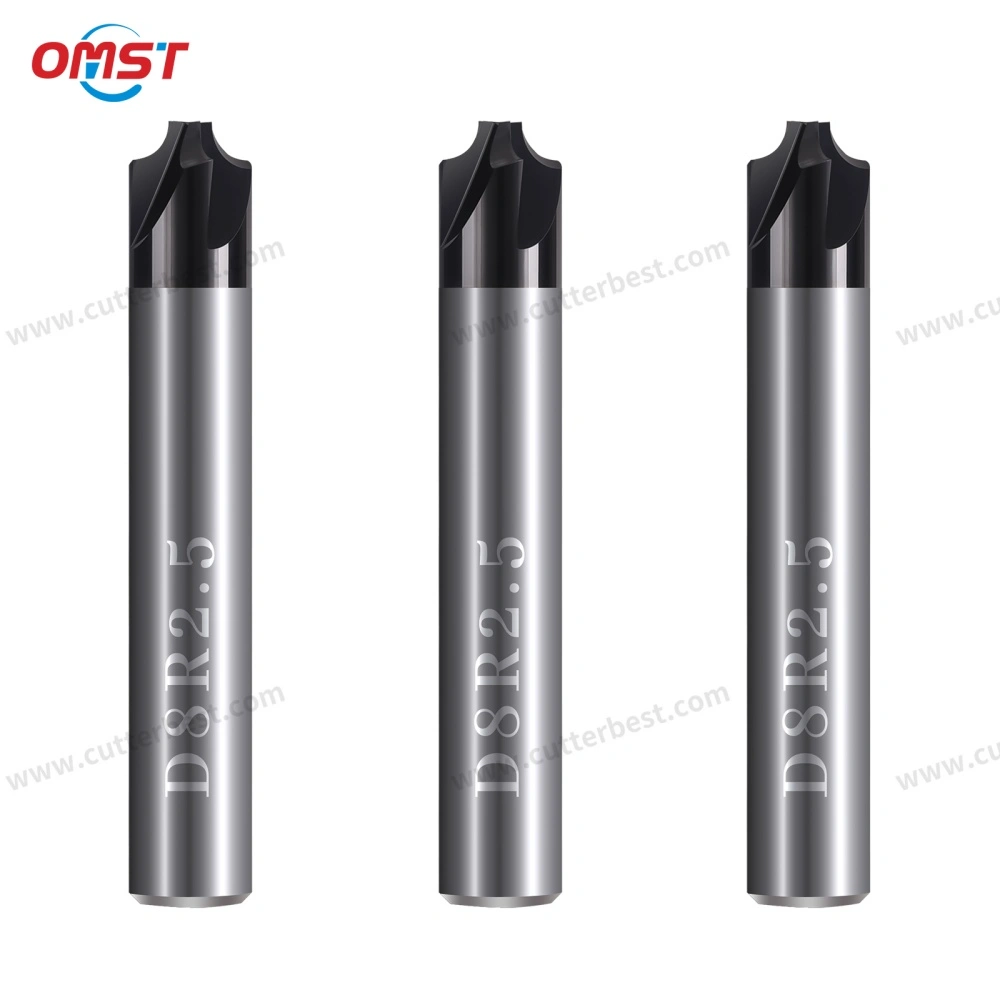
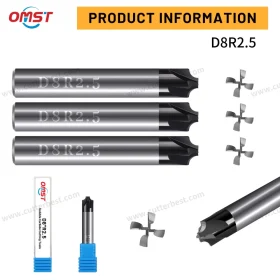
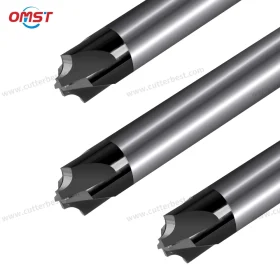
Fraise à arrondir les coins pour un rayonnage de précision des bords
Une fraise à arrondir les coins est une fraise de forme conçue pour usiner un profil arrondi le long du bord externe d'une pièce.. Son bord de coupe concave supprime le coin pointu et produit un rayon convexe qui correspond au dessin de la pièce requis..
Contrairement à une fraise standard, cet outil forme le profil de rayon complet avec sa géométrie de coupe. Par conséquent, cela peut améliorer la cohérence du rayon et réduire le besoin de passes de contournage répétées.
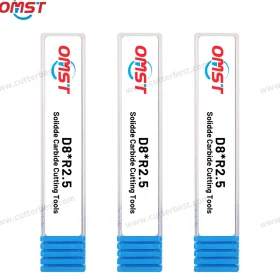
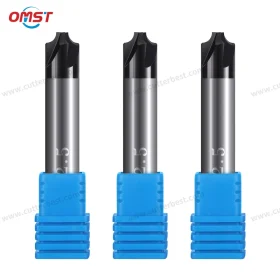
Les images du produit montrent une fraise à rayon en carbure D8 R2.5 comme modèle de référence.. Cependant, les dimensions et la géométrie finales de l'outil dépendent du rayon requis, position d'usinage, matériau de la pièce à usiner, jeu d'outil, et l'état des machines.
À quoi sert une fraise en bout d'arrondi de coin?
Usinage de bords extérieurs arrondis
L'application principale est de convertir des bords externes pointus en bords arrondis et lisses.. Les fabricants spécifient souvent ces rayons pour améliorer la sécurité des pièces, apparence, performances d'assemblage, ou résistance aux dommages aux bords.
La fraise peut usiner des bords droits, bords de plaque, bords de marche, et profils de pièces accessibles. Cependant, L'accès à l'outil et le dégagement de la pièce doivent être vérifiés avant de sélectionner les dimensions de la fraise..
Création d'un profil de rayon cohérent
Le tranchant contient le rayon concave requis. Donc, l'outil peut créer un rayon convexe reproductible lorsque la position de la machine, s'épuiser, et les paramètres de coupe restent stables.
Une fraise formée peut également simplifier la programmation car l'opérateur n'a pas besoin de générer le rayon complet avec de nombreuses petites passes de contournage..
Finition des bords et réduction des bavures
Une fraise à arrondir les coins peut éliminer les angles vifs et réduire les bavures tout en produisant le profil de rayon requis. Cependant, ce n'est pas seulement un outil d'ébavurage. Le rayon sélectionné doit correspondre au dessin de la pièce et aux exigences fonctionnelles.
Pour des biseaux droits plutôt que des bords arrondis, une fraise à chanfrein est généralement le choix le plus approprié.
Principales caractéristiques de nos fraises à forme de rayon
Profil de coupe à rayon concave
La géométrie de coupe concave forme un profil arrondi sur le bord de la pièce. Différentes tailles de rayon peuvent être fournies selon la conception de la pièce, espace d'usinage disponible, et forme de bord requise.
Le produit D8 R2.5 présenté dans les images représente une configuration possible. D’autres dimensions peuvent être produites après examen du dessin ou des spécifications du client.
Construction en carbure monobloc
Le carbure monobloc offre une bonne rigidité, résistance à l'usure, et stabilité dimensionnelle pour l'usinage CNC. Il convient à la production de fraises à rayon de petite et moyenne taille où la précision et la stabilité de coupe sont importantes..
La nuance de carbure doit correspondre au matériau de la pièce et aux conditions d'usinage. Donc, nous sélectionnons le substrat de l'outil en fonction de l'application plutôt que d'utiliser une seule nuance de carbure pour chaque matériau.
Géométrie des flûtes pour différentes applications
Les fraises en bout pour arrondir les coins peuvent utiliser deux, trois, quatre, ou plusieurs flûtes. Le nombre de flûtes approprié dépend de la taille de la fraise, matériau de la pièce à usiner, espace de puce, finition de surface requise, et stabilité d'usinage.
Par exemple, moins de cannelures fournissent généralement plus d'espace pour les puces. En revanche, des arêtes de coupe supplémentaires peuvent permettre une coupe plus douce et une meilleure finition de surface dans des conditions appropriées.
Options de revêtement spécifiques à l'application
Le revêtement doit correspondre au matériau de la pièce à usiner, vitesse de coupe, état du liquide de refroidissement, et durée de vie requise de l'outil. Des options avec et sans revêtement sont disponibles pour différentes applications d'usinage.
Outils pour l'acier, acier inoxydable, aluminium, cuivre, fonte, et les matériaux du moule peuvent nécessiter différentes géométries de coupe et traitements de surface.. Donc, veuillez fournir le matériau de la pièce à usiner lors de la demande de devis.
Dimensions standard et personnalisées
Nous pouvons fabriquer des fraises à arrondir les coins avec différentes tailles de rayon, cutter diameters, diamètres de tige, longueurs de coupe, longueurs hors tout, la flûte compte, and coatings.
Pour positions d'usinage spéciales, nous pouvons également évaluer des conceptions à portée étendue, reduced-neck structures, et d'autres géométries personnalisées basées sur le dessin.
Options de spécification
Les numéros de modèle et les séquences de dimensions des fraises à arrondir les coins varient selon les fabricants. Donc, les clients doivent confirmer les dimensions réelles au lieu de se fier uniquement au nom du modèle.
| Spécification | Options disponibles |
|---|---|
| Type de produit | Fraise en bout d'arrondi de coin / Concave Radius Cutter |
| Matériau de l'outil | Carbure solide; Autres structures disponibles après examen |
| Rayon | Tailles de rayon standard et personnalisées |
| Cutter or Head Diameter | Sélectionné en fonction du rayon et de la conception de l'outil |
| Diamètre pilote | Disponible lorsque la structure de l'outil l'exige |
| Diamètre de la tige | Métrique, Pouce, et tailles personnalisées |
| Longueur de coupe | Standard ou personnalisé |
| Longueur totale | Standard, Long-Reach, ou personnalisé |
| Nombre de flûtes | 2, 3, 4, ou plusieurs flûtes |
| Revêtement | Sélectionné en fonction du matériau de la pièce |
| Matériau de la pièce | Acier, Acier inoxydable, Aluminium, Cuivre, Fonte, Mold Materials, and Others |
| Service personnalisé | Rayon, Diamètre, Jarret, Longueur, Flûte, Géométrie, et revêtement |
| Type de commande | Échantillon, Petit lot, et production en vrac |
Comprendre les dimensions des outils
Rayon
Le rayon est la spécification la plus importante. Il fait référence au rayon du profil de coupe concave et correspond généralement au rayon convexe produit sur le bord de la pièce..
Par exemple, un coupeur R2.5 est destiné à produire environ 2.5 Profil arrondi de mm lorsque la géométrie de la fraise et la position de la machine correspondent à l'application.
Cutter or Head Diameter
Le diamètre de la fraise ou de la tête fait référence au diamètre maximum de la section de coupe. Cela affecte le dégagement de l'outil, force de coupe, et accès au bord de la pièce.
Parce que les fabricants peuvent utiliser différents formats de modèles, une dimension telle que D8 doit être confirmée avant de commander. Cela peut faire référence au diamètre de la fraise, diamètre de la tige, ou une autre dimension d'outil.
Diamètre de la tige
Le diamètre de la tige doit correspondre à la pince, mandrin hydraulique, support rétractable, ou autre système porte-outil. Une tige appropriée aide également à contrôler le faux-rond et les vibrations de coupe.
Longueur totale et longueur de coupe
La longueur totale détermine la portée de l'outil, tandis que la longueur de coupe ou de tête affecte la zone de coupe disponible. Des outils plus longs offrent plus d'accès, mais ils peuvent également nécessiter des paramètres de coupe réduits pour contrôler la déflexion.
Nombre de flûtes
Le nombre de flûtes influence l'évacuation des copeaux, stabilité de coupe, capacité d'alimentation, et finition de surface. Donc, il doit être sélectionné en fonction du matériau de la pièce et du diamètre de la fraise.
Comment sélectionner la bonne fraise à rayon
Sélectionnez le rayon requis
D'abord, vérifier le rayon marqué sur le dessin de la pièce. Le rayon de la fraise doit correspondre au profil de bord fini requis.
Ne choisissez pas le cutter uniquement par son diamètre extérieur. Le rayon, géométrie de la tête, et la position d'usinage doivent fonctionner ensemble.
Vérifier le jeu de l'outil
Suivant, vérifiez si la fraise peut atteindre le bord requis sans heurter un mur à proximité, épaule, fixation, ou fonction partielle.
Pour les postes confinés, veuillez fournir un dessin 2D ou 3D. On peut alors évaluer le diamètre de la fraise, dégagement du cou, et longueur d'outil requise.
Confirmer le matériau de la pièce
Le matériau de la pièce à usiner affecte la qualité du carbure, géométrie de la flûte, revêtement, vitesse de coupe, vitesse d'avance, et stratégie de refroidissement.
Veuillez nous dire si vous usinez de l'acier au carbone, acier allié, acier inoxydable, aluminium, cuivre, fonte, matériau de moule durci, ou un autre matériau.
Sélectionnez la combinaison de flûte et de revêtement
Une fraise avec moins de cannelures peut fournir plus d'espace pour les copeaux, tandis qu'une conception à plusieurs cannelures peut améliorer la continuité de coupe et la finition de surface. Cependant, le choix final dépend également de la rigidité de la machine et des conditions de coupe.
De la même manière, un seul revêtement ne convient pas à tous les matériaux. Nous recommandons le revêtement après avoir examiné le matériau de la pièce et les exigences d'usinage..
Fournir un dessin pour les outils personnalisés
For non-standard radii, restricted machining spaces, or special profiles, veuillez fournir les informations suivantes:
- Required radius
- Diamètre de coupe ou de tête
- Diamètre de la tige
- Longueur totale
- Longueur de coupe
- Nombre de flûtes
- Matériau de la pièce
- Dureté de la pièce, if known
- Type de machine
- Quantité
- 2Dessin D ou 3D
Applications typiques
Corner rounding end mills are commonly used for edge profiling and radius machining on:
- Composants de moules et de matrices
- Precision machine parts
- Composants automobiles
- Composants aérospatiaux
- Fixtures and tooling
- Mechanical housings
- Plates and structural parts
- General CNC-machined components
The final tool design should match the part profile and machining position. Donc, an application review is especially important for deep steps, zones étroites, and interrupted cutting.
Workpiece Material Options
We can recommend cutter geometry and coating options for:
- Acier au carbone
- Acier allié
- Acier inoxydable
- Aluminum alloys
- Copper and copper alloys
- Fonte
- Acier moulé
- Other machinable materials
The suitable hardness range depends on the carbide grade, géométrie de coupe, revêtement, rigidité de la machine, et conditions de coupe. Pour cette raison, nous confirmons l'application avant de recommander un outil pour les matériaux durcis.
Fraise en bout d'arrondi de coin vs fraise en bout à rayon de coin
Une fraise à arrondir les coins a un profil de coupe concave. Il usine un bord convexe arrondi sur la pièce et fonctionne comme une fraise à rayon..
En revanche, une fraise à rayon d'angle reste une fraise à fond plat avec un petit rayon à la pointe de l'outil. Il effectue le slotting, fraisage latéral, fraisage de poche, et ébauche tandis que le rayon d'angle renforce l'arête de coupe.
Pour le fraisage à fond plat avec coin d'outil renforcé, voir notre Fraise à nez arrondi.
Les deux outils peuvent tous deux inclure le mot « rayon," mais leur géométrie et leurs objectifs d'usinage sont différents.
Fraise à forme de rayon vs fraise en bout conique
Une fraise à arrondir les coins forme un rayon incurvé sur un bord. Une fraise conique a un diamètre de coupe qui change progressivement et est principalement utilisée pour les murs inclinés., surfaces de dépouille, cavités profondes, et usinage de moules.
Pour angles de dépouille ou parois latérales coniques, voir notre Coupeur conique.
Donc, une fraise ne doit pas être classée comme fraise conique uniquement parce qu'une partie de sa tête semble plus étroite que la tige.
Fabrication de fraises à rayon personnalisé
Les fraises standard peuvent ne pas s'adapter à tous les rayons, profil de la pièce, ou position d'usinage. Donc, nous fournissons une évaluation d'outils personnalisée basée sur le dessin du client et les exigences réelles d'usinage.
Les options personnalisées peuvent inclure:
- Tailles de rayon spéciales
- Dimensions métriques ou en pouces
- Diamètre de coupe modifié
- Diamètre de tige personnalisé
- Longueur d'outil courte ou étendue
- Col réduit ou dégagement spécial
- Différentes configurations de flûtes
- Nuances de carbure spécifiques à l'application
- Arêtes de coupe revêtues ou non
- Emballage neutre ou personnalisé
We can also evaluate related carbide milling solutions for customers who need several cutter types for one machining project. Consultez notre Fraise en carbure options for additional tool categories.
Send Your Radius Cutter Requirement
Please send the required radius, diamètre de coupe, diamètre de la tige, longueur totale, numéro de flûte, matériau de la pièce à usiner, quantité, and part drawing.
We will review the machining position and recommend a suitable standard or custom corner rounding cutter.