 Fraise de précision,Outils de coupe pour l’usinage CNC de chaque matériau

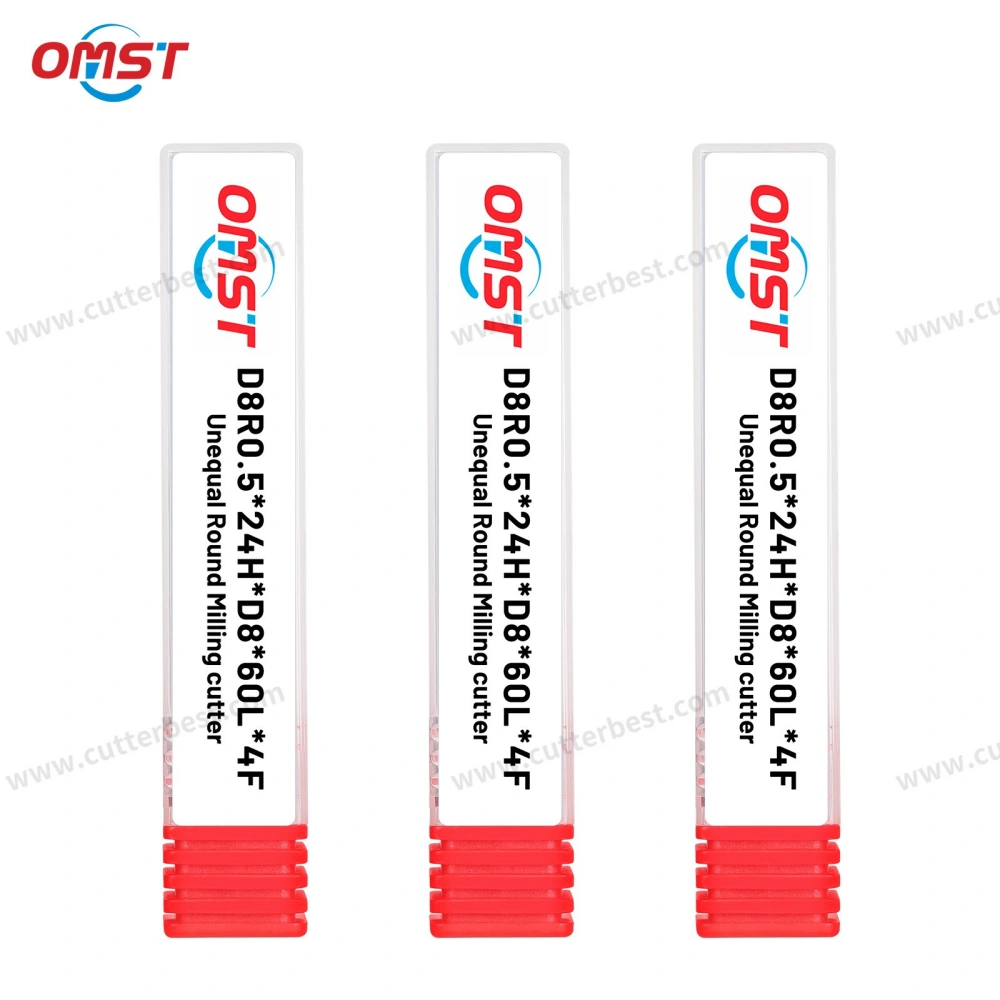
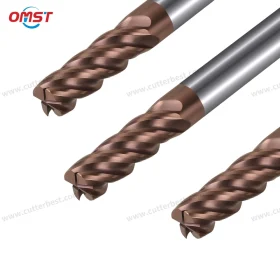
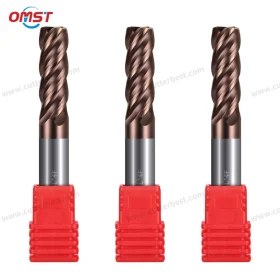
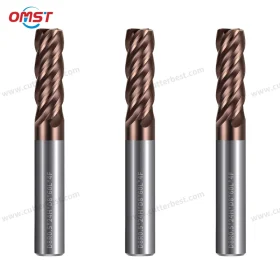
This diamond milling cutter uses a solid carbide substrate with a diamond coating for CNC graphite machining.
Graphite is highly abrasive, so standard carbide tools may wear quickly during long machining cycles. A diamond coating helps reduce cutting-edge wear and supports more stable machining of graphite electrodes, moules en graphite, and precision graphite components.
OMIST supplies standard and custom diamond-coated milling cutters for CNC machining centers, high-speed milling machines, and graphite engraving equipment. We can evaluate the tool dimensions and end geometry according to your drawing, échantillon, ou exigences d'usinage.
For additional solid carbide tools with diamond coating, veuillez consulter notre fraises en bout diamantées.
What Is a Diamond Milling Cutter?
On this page, diamond milling cutter refers to a solid carbide milling cutter with a diamond coating, mainly designed for CNC graphite machining.
The coating protects the carbide cutting edge when machining abrasive graphite. Par conséquent, the tool can provide more stable cutting performance during graphite electrode, moule, and precision-part production.
Standard and custom sizes are available. Customers can specify the cutting diameter, longueur de flûte, longueur totale, numéro de flûte, and end type according to the required application.
Key Features of the Diamond Milling Cutter
Diamond Coating for Graphite
The diamond coating improves wear resistance when cutting abrasive graphite. It helps the cutting edge maintain stable performance during longer machining cycles under suitable conditions.
This makes the cutter suitable for graphite electrodes, moules, cavités, and other precision graphite parts.
Substrat en carbure solide
The solid carbide substrate provides rigidity and cutting strength for CNC machining.
Stable tool holding and a suitable tool length are also important. Donc, the cutter should match the required machining depth, état de la machine, and workpiece shape.
Multiple End Types
Square-end, nez sphérique, and corner-radius cutters are available for different machining features.
A square end suits flat surfaces, machines à sous, poches, et parois latérales. A ball nose suits curved surfaces and 3D contours. A corner radius provides additional corner strength when a completely sharp corner is not required.
Tailles standards et personnalisées
OMIST can supply regular specifications or evaluate custom tools according to drawings, échantillons, ou des exigences détaillées.
Custom options may include cutting diameter, diamètre de la tige, longueur de flûte, longueur totale, numéro de flûte, and end geometry.
Recommended Applications
This diamond milling cutter is suitable for:
- Usinage d'électrodes de graphite
- Usinage de moules en graphite
- Precision graphite parts
- Graphite cavities and contours
- Graphite roughing and finishing
- Custom graphite component production
Diamond-coated cutters are not recommended for steel, acier inoxydable, ou d'autres matériaux ferreux.
Pour l'usinage de l'acier, a suitably coated Fraise en carbure de bois is normally more practical.
Options de spécification
Standard and custom cutting diameters, diamètres de tige, longueurs de flûte, longueurs hors tout, flute numbers, and end geometries are available. Square-end, nez sphérique, corner-radius, and special-profile cutters can be evaluated according to your drawing, échantillon, or required dimensions.
How to Choose the Right Diamond Milling Cutter
The correct tool should match the graphite material, machining feature, taille de l'outil, required machining depth, et exigence de surface.
Choose a square-end cutter for flat surfaces, machines à sous, poches, et parois latérales. Choose a ball-nose cutter for curved surfaces and 3D profiles. A corner-radius cutter may be more suitable when the application requires additional corner strength.
Tool length is also important. A longer cutter can reach a deeper cavity, but excessive overhang may reduce rigidity and increase vibration. Use the shortest practical tool length that can complete the machining operation.
Pour finition graphite, surface quality and dimensional accuracy are usually important. Pour l'ébauche, force de l'outil, stabilité de coupe, and material removal require more attention.
Please send the following information for product selection or quotation:
- Graphite material or grade
- Diamètre de coupe
- Diamètre de la tige
- Flute length and overall length
- Type de fin
- Roughing or finishing application
- Quantité requise
- Dessin ou exemple de photo, si disponible
When the exact specification is unclear, envoyez les informations que vous avez déjà. We can confirm the remaining details during further communication.
Custom and OEM Service
L'OMIST a 16 années d'expérience dans la fabrication d'outils de coupe en Chine. We support standard products, fraises sur mesure, and OEM/ODM production for international buyers and distributors.
Dimensions personnalisées, géométrie de l'outil, product marking, and packaging can be discussed according to your order requirements.
For custom production, please send your drawing, échantillon, or required dimensions. After reviewing the details, we will confirm the available production option, prix, MOQ, and estimated lead time.
FAQ
What is a diamond milling cutter used for?
This diamond milling cutter is mainly used for CNC machining of graphite electrodes, moules en graphite, cavités, and precision graphite parts.
Why use a diamond-coated cutter for graphite?
Graphite is abrasive and can cause rapid wear on standard carbide tools. A diamond coating improves wear resistance and helps maintain more stable cutting performance.
Which end type should I choose?
Use a square end for flat surfaces, machines à sous, poches, et parois latérales. A ball nose is better suited to curved surfaces and 3D profiles, while a corner-radius cutter provides additional corner strength.
Can this cutter machine steel or stainless steel?
Non. Diamond-coated cutters are not recommended for steel, acier inoxydable, ou d'autres matériaux ferreux. Carbide end mills with suitable coatings are more appropriate.
Can you produce custom sizes?
Oui. We can evaluate custom cutting diameters, diamètres de tige, longueurs de flûte, longueurs hors tout, flute numbers, and end geometries according to drawings or samples.
Is there an MOQ?
Custom production normally requires an MOQ. Available stock items may have no MOQ. The final quantity requirement depends on the tool specification and production method.
Send Your Diamond Milling Cutter Requirement
Envoyez-nous un courriel your graphite material, dimensions de l'outil requises, type de fin, dessin, et la quantité.
We will review the information and provide a quotation for a suitable standard or custom diamond milling cutter.