 精密フライスカッター,あらゆる材料を加工するCNC用の切削工具



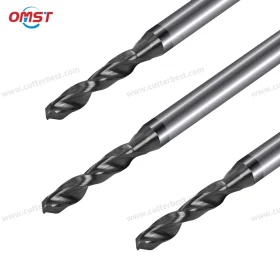
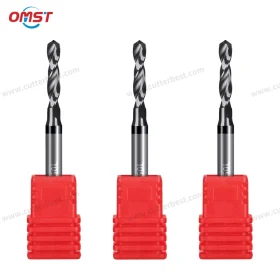

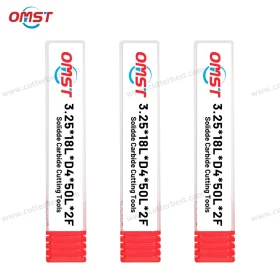
A carbide end mill cutter is a rotary cutting tool made from solid tungsten carbide. Cutting edges on the end and outer diameter allow the tool to perform slotting, 側面フライス加工, ポケットフライス加工, 輪郭を描く, プロファイリング, 荒削り, and finishing operations.
Solid carbide provides high rigidity, 耐摩耗性, and cutting-edge stability under suitable machining conditions. 結果として, manufacturers often choose these tools when they need dimensional accuracy, consistent performance, reliable surface quality, and efficient production.
しかし, one cutter design cannot suit every material or operation. The correct tool depends on the workpiece grade, 硬度, カッター径, フルート数, コーティング, 工具オーバーハング, 加工方法, 冷却水の状態, 機械剛性, および切断パラメータ.
We select the end mill geometry and carbide grade according to the workpiece material, 硬度, 切りくずの排出, 切削負荷, 機械加工作業, および必要な表面仕上げ. したがって, the final tool structure should match the actual application rather than follow one general-purpose design for every job.
Key Benefits and Tool Options
Rigidity for Stable CNC Cutting
Solid carbide provides higher rigidity than many general-purpose tool materials. This rigidity helps reduce tool deflection and supports more stable cutting during precision CNC machining.
Micro-grain carbide grades can also be selected according to the workpiece material, 硬度, カッター径, and required balance between wear resistance and edge strength.
しかし, cutter performance also depends on the length-to-diameter ratio, holder accuracy, 工具振れ, 切込み深さ, 機械剛性, および切断条件.
Flute Options for Chip Control and Surface Finish
刃数は切りくず排出に影響します, cutting-edge strength, フィード能力, 工具剛性, そして表面仕上げ.
Two-flute and three-flute tools provide more chip space. したがって, they are commonly considered when chip evacuation is important, especially in aluminum, 非鉄材料, 深いポケット, and slotting operations.
Four-flute tools provide more cutting edges and are widely used for many steel applications. その間, five-flute, six-flute, and other special designs may support higher rigidity or improved finishing performance when the machining conditions allow.
For a detailed explanation of flute count, 私たちのを読んでください end mill flute selection guide.
Coatings Matched to Materials and Cutting Conditions
A suitable coating can improve heat resistance, 耐摩耗性, lubricity, and cutting-edge protection.
アルミニウムおよび非鉄材料用, users commonly choose uncoated, polished, or low-friction coating options. その間, TiAlNの, アルティン, TiSiNの, or AlCrN may suit steel, ステンレス鋼, 金型鋼, and higher-temperature machining conditions.
We recommend selecting the coating together with the carbide grade, edge geometry, ワーク硬度, 冷却水の状態, および機械加工作業.
Standard and Custom Options
Standard solid carbide end mills can meet many common CNC machining requirements. しかし, some projects require a non-standard diameter, special flute length, long overall length, unusual shank diameter, custom corner radius, special helix angle, コーティング, or dimensional tolerance.
We can evaluate these requirements based on your drawing, tool sample, ワーク材質, 加工方法, current tool problem, そして注文数量.
Common End Profiles
フラットエンドミル
Flat end mills, also called square end mills, have a flat cutting end and sharp outer corners. They are commonly used for flat-bottom slots, ポケット, ステップ, 肩, 側壁, プロファイリング, および一般的な CNC フライス加工.
For additional product information, 私たちのものを見る フラットエンドミル製品ページ.
ボールノーズエンドミル
Ball nose end mills have a rounded cutting end. They are suitable for 3D contouring, 曲面, 金型キャビティ, 死ぬ, and complex finishing operations.
For curved surfaces and mold cavity machining, 私たちのものを見る ball nose end mill product page.
Bull Nose and Corner Radius End Mills
Bull nose end mills combine a flat cutting end with rounded outer corners. The corner radius provides more edge strength than a sharp square corner and can improve stability during profiling, 中仕上げ, and mold machining.
私たちのものを見る bull nose end mill product page.
ラフィングエンドミル
Roughing end mills use serrated or chipbreaker cutting edges to divide chips into smaller sections. This design can reduce cutting resistance and support efficient material removal when the tool, 機械, and machining conditions are suitable.
For a broader comparison of cutter shapes and applications, 読む end mill cutter types and uses.
Quick Selection by Material and Operation
The following information provides general selection directions. Final tool selection should be confirmed according to the material grade, ワーク硬度, カッターサイズ, 機械加工作業, tool engagement, オーバーハング, および機械の状態.
アルミニウムおよび非鉄材料
Aluminum machining often requires sharp cutting edges, sufficient chip space, and smooth chip evacuation. したがって, two-flute or three-flute carbide end mills are commonly considered.
Polished flutes, sharp geometry, and uncoated or low-friction coating options can help reduce material buildup. しかし, the final choice still depends on whether the operation involves slotting, ポケット, 側面フライス加工, 荒削り, または仕上げ.
Carbon Steel and Alloy Steel
Four-flute carbide end mills are widely used for many carbon steel and alloy steel applications. Other flute counts may also suit slotting, 荒削り, high-efficiency machining, 側面フライス加工, または仕上げ.
TiAlNの, アルティン, TiSiNの, or another suitable heat-resistant coating may help protect the cutting edge. 加えて, 超硬グレード, エッジの準備, and corner strength should match the cutting load and workpiece hardness.
ステンレス鋼
Stainless steel can generate heat and may work-harden during machining. したがって, the tool requires suitable edge strength, 切りくずの排出, コーティング, coolant application, および切断パラメータ.
Four-flute or higher-flute tools may be considered depending on whether the operation involves slotting, 側面フライス加工, 中仕上げ, または仕上げ. しかし, a higher flute count also reduces chip space, so the actual tool engagement and machining strategy must be considered.
鋳鉄
鋳鉄は研磨剤になる可能性があります. A wear-resistant carbide grade, suitable edge preparation, and application-specific coating can help improve tool stability and service life.
The best geometry depends on the cast iron grade, cutting condition, 取り代, and whether the operation involves roughing or finishing.
Mold Steel and Tool Steel
Manufacturers commonly use flat, ボールノーズ, and bull nose carbide end mills for roughing, 中仕上げ, キャビティ加工, プロファイリング, そして仕上げ.
The cutter series should match the actual workpiece hardness. You can select different tool series for machining materials up to HRC45, HRC55, HRC60, or HRC65.
These values refer to the intended workpiece hardness range, not the hardness of the carbide tool itself.
Titanium Alloy
Titanium alloy machining requires careful control of heat, 切りくずの排出, tool engagement, cutting-edge strength, and coolant.
したがって, the geometry, コーティング, フルート数, 工具オーバーハング, and cutting parameters should be confirmed according to the actual alloy and machining operation.
For more detailed material-based guidance, 読む how to choose a carbide end mill cutter.
CNC フライス加工の用途
CNC manufacturers use solid carbide end mills for slotting, side and shoulder milling, ポケット, 輪郭を描く, プロファイリング, 荒削り, 中仕上げ, 仕上げ, mold cavity machining, and 3D surface machining.
Typical users include CNC machining companies, 金型メーカー, automotive and aerospace suppliers, electronics manufacturers, cutting tool distributors, and other precision metalworking businesses.
仕様オプション
工具材質: 超硬ソリッド; Micro-Grain Carbide Grades Available According to Application
Typical Cutter Diameter: Common Standard Sizes from Approximately D2 to D20 mm
Custom Diameter: Micro-Diameter, Large-Diameter, and Other Non-Standard Sizes Can Be Evaluated
フルートカウント: 2, 3, そして 4 Flutes Are Common; 5, 6, and Special Flute Counts Can Be Evaluated
フルートの長さ: 標準, Extended, and Drawing-Defined Flute Lengths
全長: 標準, Long-Reach, and Custom Overall Lengths
シャンク径: Standard and Non-Standard Shank Diameters
シャンクタイプ: ストレートシャンク; Special Requirements Can Be Evaluated
End Profile: フラット, ボールノーズ, ブルノーズ, コーナー半径, 荒加工, or Custom Geometry
ヘリカル角: Common 30°, 35°, and 45° Options; Other Helix Angles Can Be Evaluated
コーティング: コーティングされていない, 錫, TiAlNの, アルティン, TiSiNの, AlCrN, DLC, or Custom Coating
ワーク材質: アルミニウム, 炭素鋼, 合金鋼, ステンレス鋼, 鋳鉄, 金型鋼, 工具鋼, and Titanium Alloy
ワーク硬度: Tool Series for Materials up to HRC45, HRC55, HRC60, or HRC65
センターカット: Center-Cutting and Non-Center-Cutting Designs According to Application
許容範囲: Confirmed According to the Cutter Size, ドローイング, and Application
マーキング: Standard Marking, Customer Label, or Laser Marking
包装: 標準, Neutral, OEM, or Customer-Specified Packaging
MOQ and Lead Time: Confirmed After Reviewing the Tool Specification and Quantity
The options above describe common supply directions rather than a fixed specification for every cutter. Final dimensions, 幾何学, コーティング, 許容範囲, and production requirements will be confirmed before manufacturing.
Center-Cutting and Non-Center-Cutting Designs
Center-cutting end mills have cutting edges that extend across or close to the tool center. They can support certain plunging, ランピング, or pocket-entry operations when the geometry and machining conditions are suitable.
Non-center-cutting tools are mainly used for side milling, プロファイリング, 肩削り加工, and other operations that do not require direct vertical entry.
An end mill should not automatically be treated as a drill. Plunging capability depends on the center geometry, 入力方法, カッター径, ワーク材質, and machining strategy.
超硬エンドミル vs ハイスエンドミル
Carbide and HSS end mills both have suitable applications.
Solid carbide normally provides higher rigidity, より優れた耐摩耗性, greater heat resistance, and higher cutting-speed potential under suitable conditions. したがって, it is commonly selected for CNC machining, harder materials, longer production runs, and precision applications.
HSS offers greater toughness and may be more tolerant of vibration, unstable machines, interrupted cutting, or some lower-speed operations.
The better option depends on the machine, setup, ワーク材質, 切断作業, production quantity, and cost target.
For a wider product range that includes different tool materials, 私たちのものを見る エンドミルカッター製品ページ.
Custom Carbide End Mill Cutter Service
Custom carbide end mills can be evaluated according to your drawing, サンプル, 必要な寸法, ワーク材質, or machining application.
Available custom options may include non-standard sizes, フルートのカウント, end profiles, ねじれ角, コーティング, 公差, レーザーマーキング, と包装. Final specifications, MOQ, 価格, and production time will be confirmed according to the actual requirement.
Information Required for a Quotation
Please send your drawing, ツールモデル, 必要な寸法, product image, または加工要件. When available, information about the workpiece material, 応用, 量, and current machining problem can help us review the request more accurately.
When some details are unavailable, send the information you already have. We will confirm any additional specifications during the quotation process.
Quality and Specification Confirmation
生産前, the main tool specifications, コーティング, 許容範囲, マーキング, 梱包, 量, and delivery requirements will be confirmed according to the order.
When material reports, inspection documents, or other quality documents are required, please let us know before ordering so that we can confirm their availability for the specific tool and project.
私たちを選ぶ理由
と 16 長年の切削工具製造経験, we support standard and custom solid carbide end mills for machining companies, industrial distributors, OEM buyers, and precision manufacturers.
Our service includes:
- One-to-one specification review
- Standard and non-standard tool options
- Drawing and sample evaluation
- Material and application-based tool selection
- Custom geometry and coating
- Neutral packaging and OEM support
- Trial-order and bulk-order discussion
- Specification confirmation before production
Instead of recommending one general cutter for every material, we review the workpiece, 手術, 工具サイズ, accuracy requirement, 量, and machining conditions before confirming the tool design.
FAQ
What is a carbide end mill cutter used for?
A carbide end mill cutter is used for CNC slotting, 側面フライス加工, ポケット, 輪郭を描く, プロファイリング, 荒削り, 仕上げ, and mold machining. Depending on its geometry and coating, it can machine aluminum, 鋼鉄, ステンレス鋼, 鋳鉄, 金型鋼, 工具鋼, titanium alloy, およびその他の材料.
How many flutes should a carbide end mill have?
The flute count depends on the material and operation. Two or three flutes are commonly considered when chip evacuation is important. Four or more flutes may be selected when greater rigidity, more cutting edges, or improved finishing performance is required.
For a direct comparison, 読む 2 フルート対 4 フルート対 6 フルートエンドミル.
Which coating is suitable for steel and stainless steel?
TiAlNの, アルティン, TiSiNの, or AlCrN may be considered for steel and stainless steel. しかし, the final coating should match the material grade, 硬度, 切断温度, 冷却剤, 超硬グレード, and tool geometry.
Which carbide end mill is suitable for aluminum?
Aluminum normally requires sharp cutting edges and sufficient chip space. Two-flute or three-flute tools with polished flutes, uncoated surfaces, DLC, or another suitable low-friction coating may be considered.
Can you manufacture custom carbide end mills?
はい. Custom diameters, 溝の長さ, 全長, シャンクサイズ, フルートのカウント, ねじれ角, end profiles, コーティング, 公差, マーキング, and packaging can be evaluated according to drawings, サンプル, または加工要件.
Can carbide end mills be center cutting?
Both center-cutting and non-center-cutting designs are available. The correct design depends on whether the operation requires plunging, ランピング, ポケットエントリー, 側面フライス加工, or profiling.
What is the MOQ and production time?
There is no single MOQ or lead time for every tool. These details depend on the dimensions, フルート数, 幾何学, コーティング, 許容範囲, 量, and whether the product is standard or custom.
What information should I send for a quotation?
You may send a drawing, 型番, 必要な寸法, product image, サンプル, or machining requirement. ワーク材質, 応用, 量, and information about the current machining problem can also help with tool evaluation.
Send Your Carbide End Mill Requirement
Send us your carbide end mill cutter drawing, ツールモデル, 必要な寸法, product image, サンプル, または加工要件. We will review the information and provide a suitable solid carbide end mill recommendation or quotation.