 精密フライスカッター,あらゆる材料を加工するCNC用の切削工具

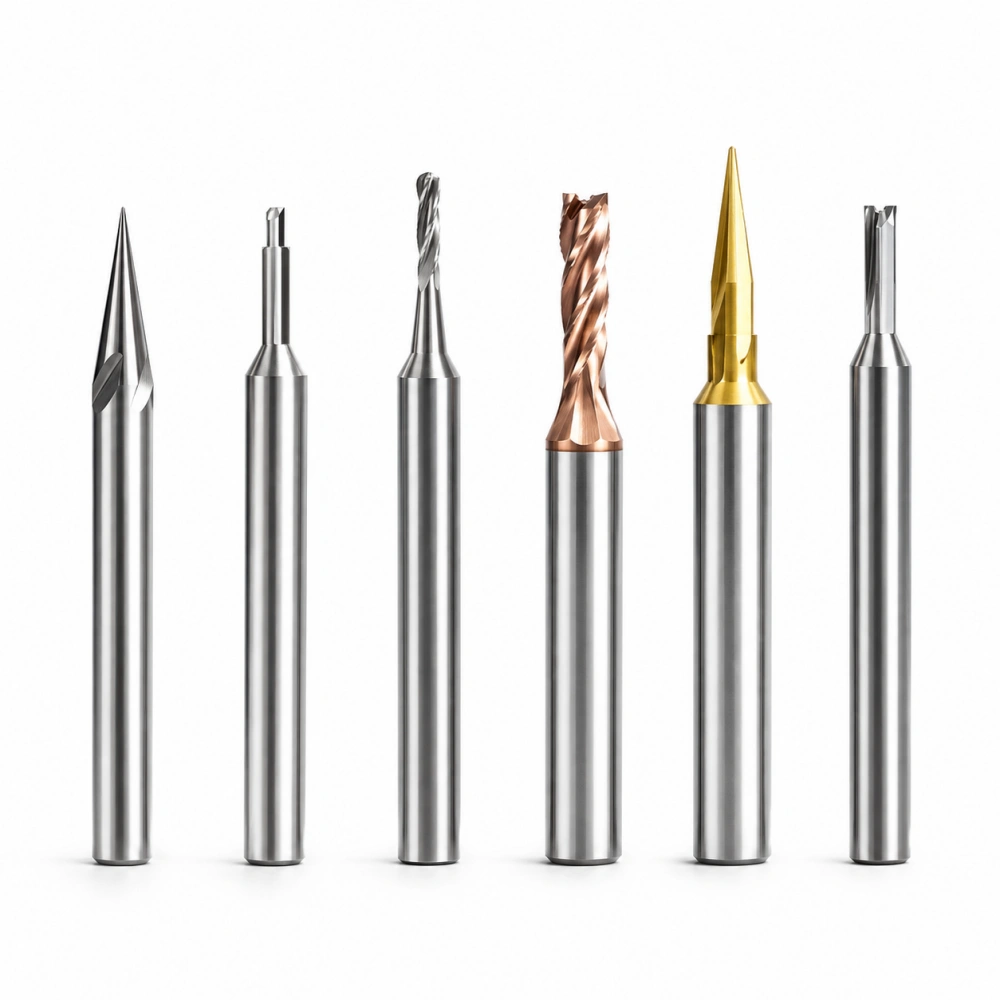
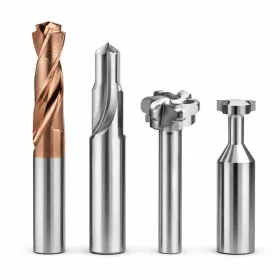
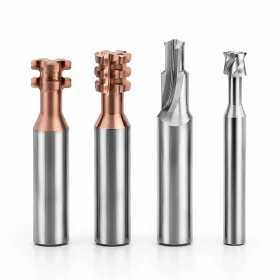
カスタム フォーム ツールは、標準のカタログ カッターでは効率的に対応できない部品の特徴を機械加工するのに役立ちます. 最初に固定工具プロファイルを選択する代わりに, 部品の特徴と実際の切削操作の周囲の工具形状を評価します。.
アプリケーションに応じて, 1 つの特別な輪郭または連携する必要がある複数の関連機能用にカスタム フォーム ツールを設計する場合があります。.
カスタムフォームツールの仕様オプション
それぞれのプロジェクトが異なるため、, 実際の部品形状と加工要件に応じて、以下の仕様を確認します.
| オプション | 使用可能な方向 |
|---|---|
| 工具材質 | 超硬ソリッド, HSSの, 超硬チップ / 用途に応じたろう付け |
| プロフィール | カスタム輪郭, 半径, 面取り, ステップ, 溝, または組み合わせプロファイル |
| 寸法 | 工具図面による確認, 部品図, または必要なプロファイル |
| ツールの構造 | 加工方法や必要な切削特性に応じて選択 |
| 切断形状 | 必要な部品形状と切削条件を中心に評価 |
| コーティング | ワークや用途に応じて選択可能 |
カスタムプロファイル切削ツールが異なれば、異なる構造や形状が必要になる場合があるため、特定の寸法はプロジェクトごとに確認されます。.
申請と選定
特殊なプロファイルと複雑な輪郭
標準のカッターは、特殊な輪郭を含む部品と一致しない場合があります, 標準外の半径, 溝, 遷移, またはその他のプロファイル固有の機能.
In these cases, 必要な部品形状に応じてカスタムプロファイルカッターを評価できます. 図面や加工条件を検討し、最終的な切断形状を確認します。.
ステップとコンビネーションの機能
一部のコンポーネントには、異なる直径など、複数の接続されたフィーチャーが含まれています, ステップ, chamfers, 半径, 溝, またはプロフィールの移行.
これらの機能が互いにどのように関連しているかに基づいて、カスタム組み合わせフォーム ツールを評価できます。. これらの機能を 1 つのツールに組み合わせる必要があるかどうかは、部品の形状によって異なります。, 利用可能な加工スペース, ツール構造, そして切断作業.
複数回の工具交換の削減
複数の関連機能に異なる標準ツールが必要な場合, 目的に合わせて設計されたフォーム ツールを使用すると、一部の操作を組み合わせることができる場合があります.
密接に関連するステップについてこのアプローチを評価できます, 溝, chamfers, 半径, またはプロフィール機能. 最終的な工具の配置は、コンポーネントの形状と加工条件によって異なります。.
フライス加工および旋削成形工具の用途
フォーム切削ツールは、必要なプロファイルの生成方法に応じて、さまざまな加工方法で使用できます。.
CNC フライス加工用途向けのロータリーフォームフライスを評価できます, 一方、他の成形工具構造は旋削加工に適している場合があります。.
標準のフライス工具オプションおよび関連するカッター ファミリ用, see our フライス.
より広範な非標準フライス構造用, カッター本体, または主にプロファイル主導ではない実装要件, see our カスタムフライスカッター
主な機能
部品プロファイルベースの工具設計
カスタム フォーム ツールは、固定のカタログ プロファイルではなく、必要な部品フィーチャーに基づいて評価されます。. これにより、標準のカッターでは必要な輪郭や機能の組み合わせに適合しない場合に適しています。.
複数の機能をまとめて評価可能
ツールの仕様を開発する際に、関連する部品の機能を一緒にレビューできます.
それらを 1 つの切断プロファイルに組み合わせる必要があるかどうかは、実際の部品の形状と機械加工操作によって異なります。.
用途に応じて選べる材質と工具構造
適切な工具材質, 構造, および切削形状は被削材の材質によって異なります, 必要なプロファイル, 加工方法, および切断条件.
超硬ソリッド成形工具, HSSフォームツール, したがって、その他の構造は、1 つの固定された仕様から選択されるのではなく、個々のプロジェクトに従って評価されます。.
カスタム製造
評価に必要な情報
すべてのカスタム フォーム ツール プロジェクトは、加工が必要な部品の特徴を理解することから始まります。.
入手可能な情報はすべて送信していただけます, 含む:
- 部品図または必要なプロファイル
- 工具図面, 利用可能な場合
- ワーク材質
- 加工要件
- 必要数量
完全なツール図面は次のとおりです。 初期評価には必要ありません. 部品図だけをお持ちの場合, profile, または加工要件, その情報を最初に送信できます.
他のタイプの非標準 CNC ツール用, see our カスタム切削工具 機能ページ.
パーツプロファイルからカスタムフォームツールまで
1. 要件のレビュー
利用可能な部品の図面を確認します, profile, 既存ツール情報, 必要な切削機能を理解するための加工要件.
2. 工具仕様の確認
主な寸法, 工具材料, 構造, および切断形状はプロジェクトに従って評価されます.
3. 製造性 & 引用
要件が十分に明確になったら, 製作可能性を確認し、工具の仕様と数量に応じてお見積りを作成します.
4. 生産
仕様・ご注文内容確定後, カスタムフォームツールは合意された要件に従って製造されます.
よくある質問
カスタムフォームカットツールとは?
カスタムフォーム切削ツールは、標準のカタログカッターでは効率的に製造できない特定の部品プロファイルまたは機能の組み合わせを中心に設計されています。. 一般的な要件には輪郭が含まれる場合があります, ステップ, 溝, 半径, chamfers, または関連するプロフィール機能.
部品図面またはプロファイルからカスタム フォーム ツールを評価できますか?
はい. 最初のレビューでは完全なツール図面は必要ありません.
部品図を送ることができます, 必要なプロファイル, 主な寸法, ワーク材質, まずは加工要件. その後、どのような追加情報が必要かを確認させていただきます.
カスタムフォームツールとカスタムエンドミルの違いは何ですか?
カスタム フォーム ツールは主に、生成する必要がある特定のパーツ プロファイルまたはフィーチャーの組み合わせによって定義されます。.
カスタム エンドミルはエンドミルの構造に基づいており、標準以外の寸法が必要になる場合があります。, 到着, ネックの形状, フルートまたはらせん形状, またはその他のエンドミルの修正. これらの要件については, see our カスタムエンドミル ページ.
カスタムフォームツールはフライス加工と旋削の両方に使用されますか?
はい, 必要な機能とツールの構造に応じて. ロータリーフォームツールはフライス加工用途に使用可能, 一方、他の成形ツールの設計は旋削加工用に評価できます。.
加工方法と必要な形状に応じて正しい構造を確認.
カスタムフォームツールに使用できる素材は何ですか?
可能なオプションには超硬ソリッドが含まれます, HSSの, 用途に応じて超硬チップまたはろう付け構造も可能.
最終的な材料は工具の形状に応じて選択されます, ワーク材質, 加工方法, および切断条件.
パーツプロファイルまたはツール図面を送信してください
標準のカッターが必要な部品プロファイルに適合しない場合, すでにお持ちの情報をお送りください.
あなたはできる メールでお問い合わせください あなたの部品の図面, 必要なプロファイル, ワーク材質, 量, またはレビューのための加工要件. カスタムフォームツールの仕様と製造可能性を確認する前にプロジェクトを評価します.
以下からもお問い合わせいただけます ワッツアップ 要件について直接話し合いたい場合.