 Cortadores de fresagem de precisão,Ferramentas de corte para usinagem CNC de todos os materiais

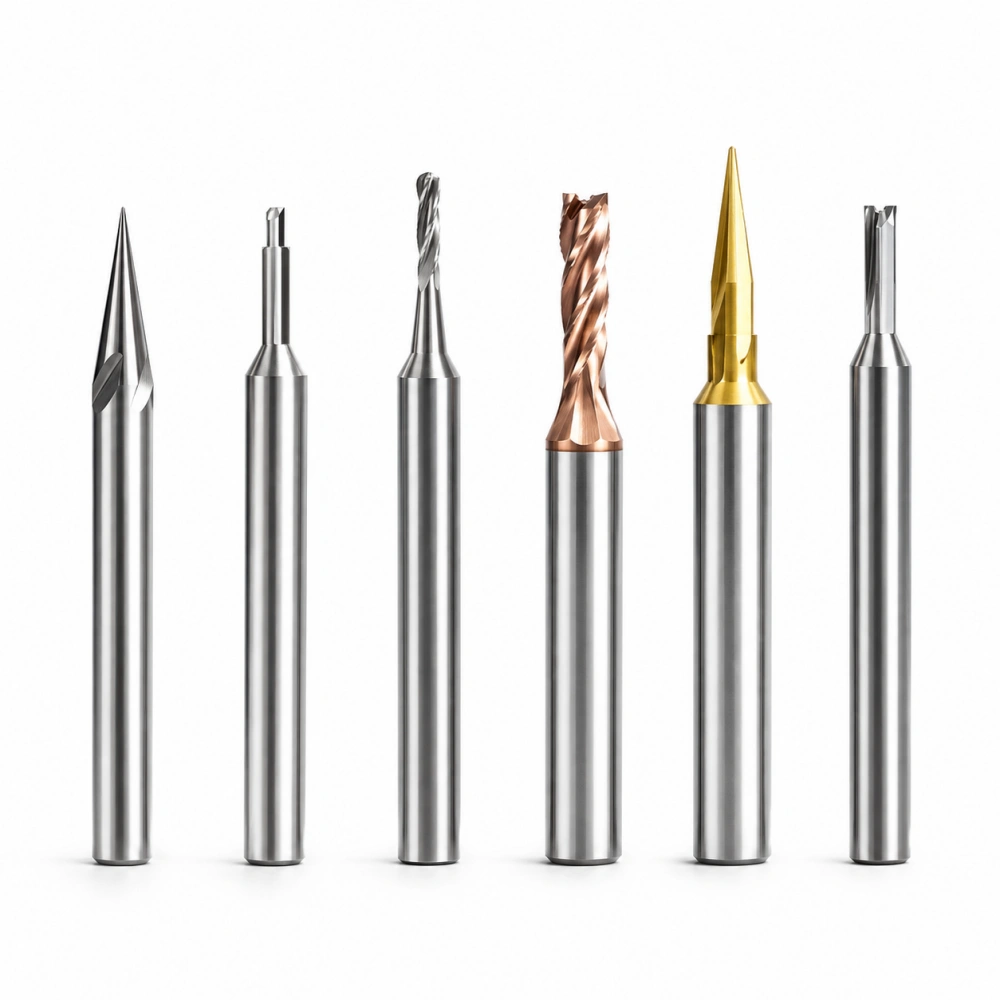
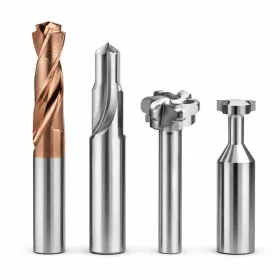
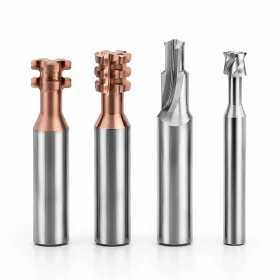
Ferramentas de formulário personalizado ajudam a usinar recursos de peças que os cortadores de catálogo padrão não conseguem igualar com eficiência. Em vez de selecionar primeiro um perfil de ferramenta fixo, avaliamos a geometria da ferramenta em torno do recurso da peça e da operação de corte real.
Dependendo da aplicação, podemos projetar uma ferramenta de formulário personalizada para um contorno especial ou vários recursos relacionados que precisam funcionar juntos.
Opções de especificação da ferramenta de formulário personalizado
Porque cada projeto é diferente, confirmamos as seguintes especificações de acordo com o perfil real da peça e os requisitos de usinagem.
| Opção | Direção disponível |
|---|---|
| Material da ferramenta | Carboneto Sólido, HSS, Ponta de metal duro / Soldado de acordo com a aplicação |
| Perfil | Contorno personalizado, raio, chanfro, etapa, sulco, ou perfil de combinação |
| Dimensões | Confirmado de acordo com o desenho da ferramenta, desenho de peça, ou perfil necessário |
| Estrutura da ferramenta | Selecionado de acordo com o método de usinagem e recurso de corte necessário |
| Geometria de corte | Avaliado em torno do perfil da peça necessário e das condições de corte |
| Revestimento | Selecionado de acordo com a peça de trabalho e aplicação, quando aplicável |
Dimensões específicas são confirmadas projeto por projeto porque diferentes ferramentas de corte de perfis personalizados podem exigir diferentes estruturas e geometrias.
Candidaturas e Seleção
Perfis Especiais e Contornos Complexos
As fresas padrão podem não corresponder a uma peça que contenha um contorno especial, raio fora do padrão, sulco, transição, ou outro recurso específico do perfil.
Nestes casos, podemos avaliar uma fresa de perfil personalizada de acordo com a geometria da peça necessária. Confirmamos o perfil de corte final após revisar o desenho e as condições de usinagem.
Recursos de etapa e combinação
Alguns componentes contêm vários recursos conectados, como diâmetros diferentes, passos, chanfros, raios, ranhuras, ou transições de perfil.
Podemos avaliar uma ferramenta de formulário de combinação personalizada com base em como esses recursos se relacionam entre si. Se esses recursos devem ser combinados em uma ferramenta depende da geometria da peça, espaço de usinagem disponível, estrutura da ferramenta, e operação de corte.
Reduzindo múltiplas trocas de ferramentas
Quando vários recursos relacionados exigem ferramentas padrão diferentes, uma ferramenta de formulário projetada especificamente pode permitir que algumas operações sejam combinadas.
Podemos avaliar esta abordagem para etapas intimamente relacionadas, ranhuras, chanfros, raios, ou recursos de perfil. O arranjo final das ferramentas depende da geometria da peça e das condições de usinagem.
Aplicações de ferramentas de conformação para fresamento e torneamento
As ferramentas de corte de formas podem ser usadas com diferentes métodos de usinagem, dependendo de como o perfil necessário é gerado.
Podemos avaliar fresas rotativas para aplicações de fresamento CNC, enquanto outras estruturas de ferramentas de conformação podem ser adequadas para operações de torneamento.
Para opções de ferramentas de fresamento padrão e famílias de fresas relacionadas, veja nosso Cortadores de fresagem.
Para estruturas mais amplas de fresas não padronizadas, corpos de corte, ou requisitos de montagem que não são principalmente orientados por perfil, veja nosso Fresas personalizadas
Principais características
Projeto de ferramenta baseado em perfil de peça
Uma ferramenta de formulário personalizado é avaliada em torno do recurso de peça necessário, em vez de um perfil de catálogo fixo. Isso o torna adequado quando uma fresa padrão não consegue corresponder ao contorno necessário ou à combinação de recursos.
Vários recursos podem ser avaliados juntos
Podemos revisar juntos os recursos das peças relacionadas ao desenvolver a especificação da ferramenta.
Se eles devem ser combinados em um perfil de corte depende da geometria real da peça e da operação de usinagem.
Estrutura de material e ferramenta selecionada por aplicação
O material de ferramenta apropriado, estrutura, e a geometria de corte dependem do material da peça, perfil necessário, método de usinagem, e condições de corte.
Ferramentas de conformação de metal duro, Ferramentas de formulário HSS, e outras construções são, portanto, avaliadas de acordo com o projeto individual, em vez de selecionadas a partir de uma especificação fixa.
Fabricação Personalizada
Informações necessárias para avaliação
Cada projeto de ferramenta de forma personalizada começa com a compreensão do recurso da peça que precisa ser usinada.
Você pode nos enviar qualquer informação disponível, incluindo:
- Desenho da peça ou perfil necessário
- Desenho de ferramenta, se disponível
- Material da peça
- Requisito de usinagem
- Quantidade necessária
Um desenho completo da ferramenta é não é necessário para a avaliação inicial. Se você tiver apenas o desenho do componente, perfil, ou exigência de usinagem, você pode enviar essas informações primeiro.
Para outros tipos de ferramentas CNC não padrão, veja nosso Ferramentas de corte personalizadas página de capacidade.
Do perfil da peça à ferramenta de formulário personalizado
1. Revisão de requisitos
Revisamos o desenho da peça disponível, perfil, informações da ferramenta existente, e requisitos de usinagem para entender o recurso de corte necessário.
2. Confirmação de especificação de ferramenta
As principais dimensões, material de ferramenta, estrutura, e geometria de corte são avaliadas de acordo com o projeto.
3. Capacidade de fabricação & Cotação
Uma vez que o requisito esteja suficientemente claro, confirmamos a capacidade de fabricação e preparamos o orçamento de acordo com a especificação e quantidade da ferramenta.
4. Produção
Após a especificação e os detalhes do pedido serem confirmados, a ferramenta de formulário personalizado é fabricada de acordo com os requisitos acordados.
Perguntas frequentes
O que é uma ferramenta de corte de formato personalizado?
Uma ferramenta de corte de formato personalizado é projetada em torno de um perfil de peça específico ou combinação de recursos que não podem ser produzidos de forma eficiente com uma fresa de catálogo padrão. Os requisitos típicos podem envolver contornos, passos, ranhuras, raios, chanfros, ou recursos de perfil relacionados.
Você pode avaliar uma ferramenta de formulário personalizada a partir de um desenho ou perfil de peça??
Sim. Um desenho completo da ferramenta não é necessário para a revisão inicial.
Você pode enviar o desenho da peça, perfil necessário, dimensões principais, material da peça, e exigência de usinagem primeiro. Em seguida, confirmaremos quais informações adicionais são necessárias.
Qual é a diferença entre uma ferramenta de forma personalizada e uma fresa de topo personalizada?
Uma ferramenta de formulário personalizado é definida principalmente pelo perfil específico da peça ou pela combinação de recursos que ela precisa para gerar.
Uma fresa de topo personalizada permanece baseada em uma estrutura de fresa de topo e pode exigir dimensões não padronizadas, alcançar, geometria do pescoço, geometria de flauta ou hélice, ou outras modificações da fresa final. Para esses requisitos, veja nosso Fresas de topo personalizadas página.
As ferramentas de formato personalizado são usadas para fresamento e torneamento??
Sim, dependendo do recurso necessário e da estrutura da ferramenta. Ferramentas de conformação rotativas podem ser usadas em aplicações de fresamento, enquanto outros projetos de ferramentas de conformação podem ser avaliados para operações de torneamento.
A estrutura correta é confirmada de acordo com o método de usinagem e perfil requerido.
Quais materiais podem ser usados para ferramentas de formulário personalizadas?
As opções possíveis incluem metal duro sólido, HSS, e construções com pontas de metal duro ou soldadas, dependendo da aplicação.
O material final é selecionado de acordo com a geometria da ferramenta, material da peça, método de usinagem, e condições de corte.
Envie o perfil da sua peça ou desenho da ferramenta
Se uma fresa padrão não corresponder ao perfil de peça necessário, envie-nos as informações que você já possui.
Você pode envie-nos um e-mail seu desenho de peça, perfil necessário, material da peça, quantidade, ou exigência de usinagem para revisão. Avaliaremos o projeto antes de confirmar a especificação e a capacidade de fabricação da ferramenta de formulário personalizado.
Você também pode entrar em contato conosco através WhatsApp se você gostaria de discutir o requisito diretamente.