 Freze de precizie,Scule de tăiere pentru prelucrarea CNC a fiecărui material

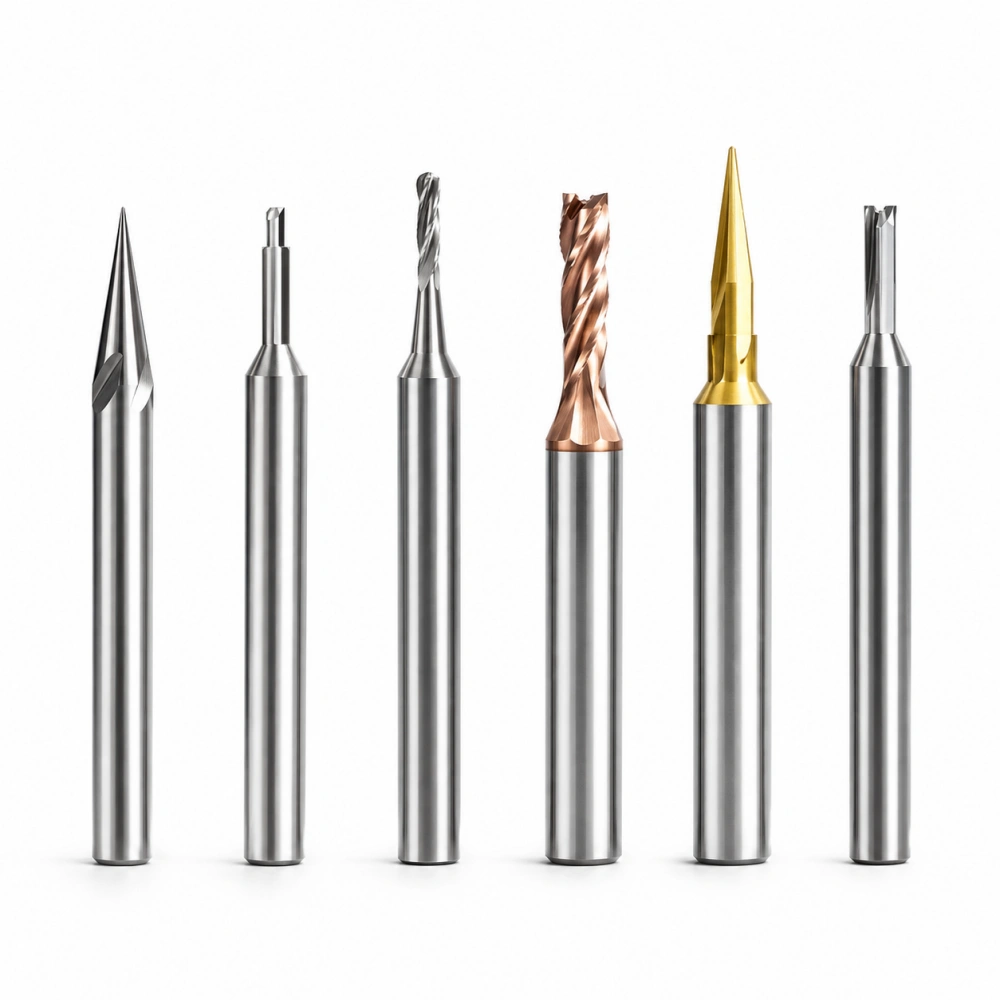
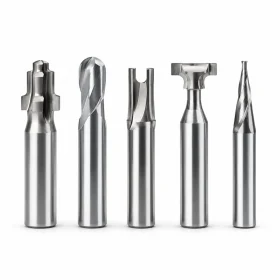
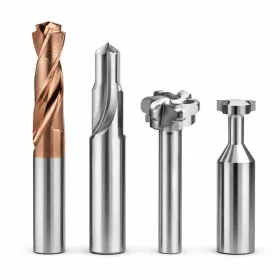
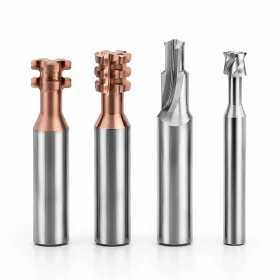
Custom form tools help machine part features that standard catalog cutters cannot match efficiently. Instead of selecting a fixed tool profile first, we evaluate the tool geometry around the part feature and actual cutting operation.
În funcție de aplicație, we may design a custom form tool for one special contour or several related features that need to work together.
Custom Form Tool Specification Options
Because each project is different, we confirm the following specifications according to the actual part profile and machining requirement.
| Opţiune | Direcție disponibilă |
|---|---|
| Material pentru scule | Carbură solidă, HSS, Cu vârf din carbură / Lipită conform aplicației |
| Profile | Custom contour, rază, teşitură, pas, canelură, or combination profile |
| Dimensiuni | Confirmed according to the tool drawing, desenul piesei, or required profile |
| Structura instrumentului | Selected according to the machining method and required cutting feature |
| Geometrie de tăiere | Evaluated around the required part profile and cutting conditions |
| Înveliș | Selected according to the workpiece and application where applicable |
Specific dimensions are confirmed project by project because different custom profile cutting tools may require different structures and geometries.
Aplicații și selecție
Special Profiles and Complex Contours
Standard cutters may not match a part that contains a special contour, non-standard radius, canelură, transition, or other profile-specific feature.
În aceste cazuri, we can evaluate a custom profile cutter according to the required part geometry. We confirm the final cutting profile after reviewing the drawing and machining conditions.
Step and Combination Features
Some components contain several connected features such as different diameters, trepte, teşituri, razele, caneluri, or profile transitions.
We can evaluate a custom combination form tool based on how these features relate to each other. Dacă aceste caracteristici ar trebui combinate într-un singur instrument depinde de geometria piesei, spațiu de prelucrare disponibil, structura instrumentului, și operația de tăiere.
Reducerea modificărilor multiple de instrumente
Când mai multe caracteristici asociate necesită instrumente standard diferite, un instrument de formular conceput special poate permite combinarea unor operațiuni.
Putem evalua această abordare pentru pași strâns legați, caneluri, teşituri, razele, sau caracteristici de profil. Dispunerea finală a sculelor depinde de geometria componentei și de condițiile de prelucrare.
Aplicații pentru scule de frezare și strunjire
Sculele de tăiere a formei pot fi utilizate cu diferite metode de prelucrare, în funcție de modul în care este generat profilul necesar.
Putem evalua freze cu formă rotativă pentru aplicații de frezare CNC, în timp ce alte structuri de scule de formă pot fi potrivite pentru operațiunile de strunjire.
Pentru opțiunile standard de scule de frezat și familiile de freze aferente, vezi noastre Freze.
Pentru structuri mai largi de freze non-standard, cutter bodies, or mounting requirements that are not primarily profile-driven, vezi noastre Freze personalizate
Caracteristici cheie
Part-Profile-Based Tool Design
A custom form tool is evaluated around the required part feature rather than a fixed catalog profile. This makes it suitable when a standard cutter cannot match the required contour or combination of features.
Multiple Features Can Be Evaluated Together
We can review related part features together when developing the tool specification.
Whether they should be combined into one cutting profile depends on the actual part geometry and machining operation.
Material and Tool Structure Selected by Application
The appropriate tool material, structura, and cutting geometry depend on the workpiece material, required profile, metoda de prelucrare, și condițiile de tăiere.
Solid carbide form tools, HSS form tools, and other constructions are therefore evaluated according to the individual project rather than selected from one fixed specification.
Fabricare la comandă
Informații necesare pentru evaluare
Every custom form tool project begins with understanding the part feature that needs to be machined.
You can send us any available information, inclusiv:
- Part drawing or required profile
- Desenul instrumentului, dacă este disponibil
- Material piesa de prelucrat
- Machining requirement
- Cantitatea necesară
Un desen complet al instrumentului este nu este necesar pentru evaluarea inițială. If you only have the component drawing, profile, sau cerința de prelucrare, you can send that information first.
For other types of non-standard CNC tooling, vezi noastre Unelte de tăiere personalizate pagina de capacitate.
From Part Profile to Custom Form Tool
1. Revizuirea cerințelor
We review the available part drawing, profile, existing tool information, and machining requirement to understand the required cutting feature.
2. Tool Specification Confirmation
The main dimensions, material pentru scule, structura, and cutting geometry are evaluated according to the project.
3. Fabricabilitatea & Citat
Odată ce cerința este suficient de clară, we confirm manufacturability and prepare the quotation according to the tool specification and quantity.
4. Productie
După ce specificațiile și detaliile comenzii sunt confirmate, the custom form tool is manufactured according to the agreed requirements.
Întrebări frecvente
What is a custom form cutting tool?
A custom form cutting tool is designed around a specific part profile or combination of features that cannot be efficiently produced with a standard catalog cutter. Typical requirements may involve contours, trepte, caneluri, razele, teşituri, or related profile features.
Can you evaluate a custom form tool from a part drawing or profile?
Da. A complete tool drawing is not required for the initial review.
You can send the part drawing, required profile, dimensiunile principale, materialul piesei de prelucrat, and machining requirement first. We will then confirm what additional information is needed.
What is the difference between a custom form tool and a custom end mill?
A custom form tool is primarily defined by the specific part profile or combination of features it needs to generate.
A custom end mill remains based on an end mill structure and may require non-standard dimensions, ajunge, geometria gâtului, flute or helix geometry, or other end mill modifications. Pentru aceste cerințe, vezi noastre Freze la comandă pagină.
Are custom form tools used for both milling and turning?
Da, depending on the required feature and tool structure. Rotary form tools can be used in milling applications, while other form tool designs can be evaluated for turning operations.
The correct structure is confirmed according to the machining method and required profile.
What materials can be used for custom form tools?
Possible options include solid carbide, HSS, and carbide-tipped or brazed constructions depending on the application.
The final material is selected according to the tool geometry, materialul piesei de prelucrat, metoda de prelucrare, și condițiile de tăiere.
Send Your Part Profile or Tool Drawing
If a standard cutter cannot match the required part profile, trimiteți-ne informațiile pe care le aveți deja.
Puteți trimite-ne un e-mail your part drawing, required profile, materialul piesei de prelucrat, cantitate, or machining requirement for review. We will evaluate the project before confirming the custom form tool specification and manufacturability.
De asemenea, ne puteți contacta prin WhatsApp if you would like to discuss the requirement directly.