 Freze de precizie,Scule de tăiere pentru prelucrarea CNC a fiecărui material

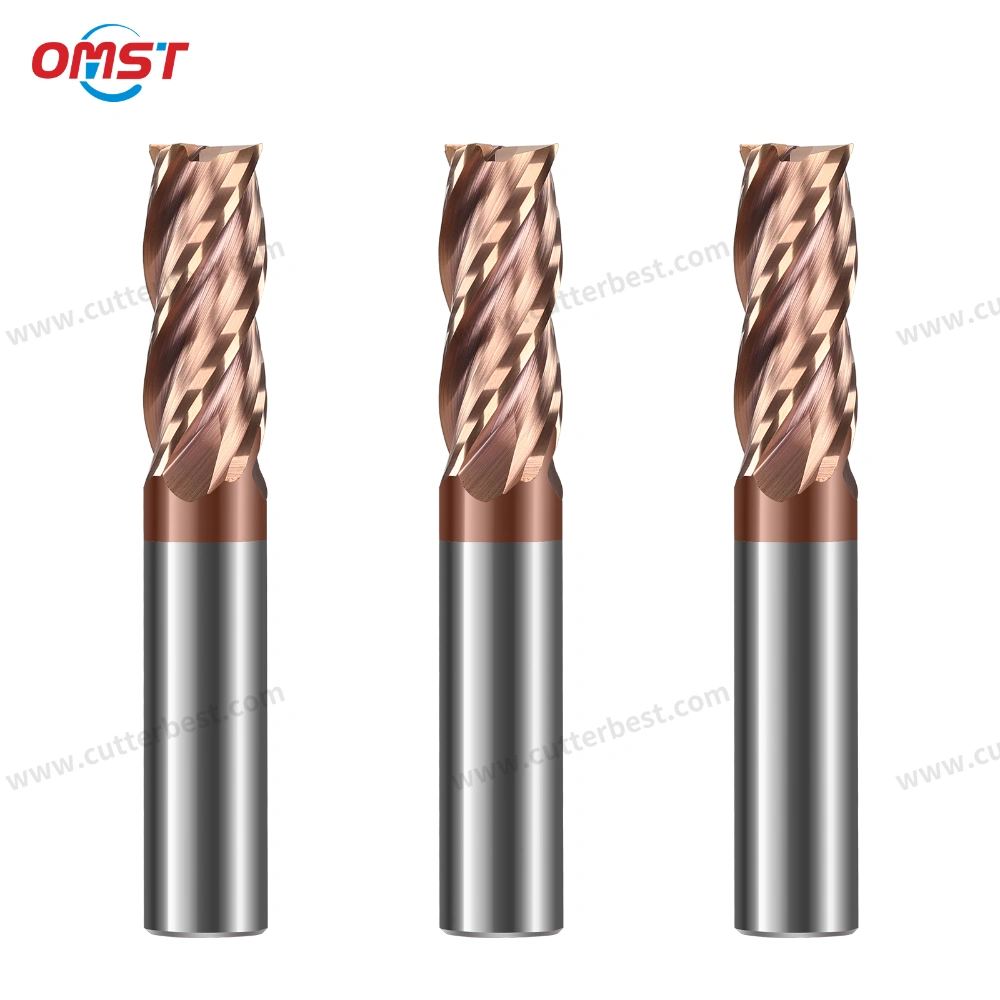
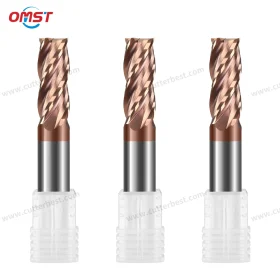
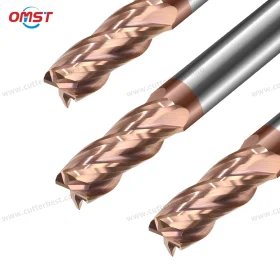
Frezele de degroșare îndepărtează stocul înainte de semifinisare sau finisare. Marginile lor de tăiere zimțate împart așchiile în secțiuni mai mici, care îmbunătățește controlul așchiilor și reduce rezistența la tăiere în timpul operațiunilor adecvate de prelucrare brută.
Numele sculei singur nu determină dacă o freză va funcționa bine. Designul corect depinde și de materialul piesei de prelucrat, duritate, alocația de prelucrare, diametrul tăietorului, lungimea flautului, rigiditatea mașinii, surplusul sculei, starea titularului, și strategie de tăiere.
Oferta noastră standard se concentrează pe freze de degroșare din carbură solidă pentru prelucrarea CNC. Opțiunile HSS și HSS cobalt sunt, de asemenea, disponibile pentru mașinile convenționale selectate, dimensiuni mai mari de tăietor, viteze de tăiere mai mici, sau cerințe speciale ale clienților.
De ce să folosiți o freză de degroșare zimțată?
Control îmbunătățit al cipului
O margine de tăiere netedă poate produce așchii lungi sau continui în timpul tăierii grele. În comparație, o margine zimțată împarte așchia de-a lungul canelului și creează secțiuni mai mici de așchii.
Această acțiune de spargere a așchiilor reduce acumularea de așchii în buzunare și fante. De asemenea, scade riscul de tăiere atunci când designul flautului, metoda lichidului de răcire, și calea sculei se potrivesc cu operația.
Îndepărtarea eficientă a stocurilor
Frezele de degroșare sunt destinate să îndepărteze adaosul de prelucrare, mai degrabă decât să producă suprafața finală.
Ele sunt utilizate în mod obișnuit înainte de o trecere de semifinisare sau de finisare în cavitățile matriței, buzunare, sloturi, pereții laterali, piese forjate, componente turnate, și piese generale prelucrate CNC.
Rezistență redusă la tăiere
Marginea zimțată întreruptă nu cuplează piesa de prelucrat în același mod ca o muchie de finisare continuă. Ca urmare, sarcina de tăiere este mai ușor de gestionat în operațiunile de degroșare adecvate.
Performanța reală depinde de mașină, titular, adâncimea de tăiere, angrenare radială, surplusul sculei, starea lichidului de răcire, și materialul piesei de prelucrat.
Design flexibil de scule
Condiții de prelucrare diferite necesită un număr diferit de caneluri, smocuri zimtate, clase de carbură, acoperiri, și lungimile sculelor.
Selectarea unei freze de degroșare numai după diametru poate duce la o evacuare slabă a așchiilor, vibratie, deteriorarea marginilor, sau durată instabilă a sculei. Vă recomandăm să revizuiți starea completă de prelucrare înainte de a confirma specificația finală.
Opțiuni disponibile pentru freza de degroșare
Freze de degroșare din carbură solidă
Carbura solidă este opțiunea principală pentru prelucrarea CNC modernă. Oferă o bună rigiditate, rezistenta la uzura, și stabilitate de tăiere atunci când geometria sculei se potrivește cu piesa de prelucrat și cu operațiunea.
Sunt disponibile diferite grade de carbură pentru oțel general, oțel inoxidabil, fontă, aliaje de titan, și aplicații selectate de material întărit.
Freze HSS
HSS M2, M35, și freze de degroșare M42 sunt disponibile la cerere.
Aceste instrumente se potrivesc mașinilor convenționale, viteze de tăiere mai mici, dimensiuni mai mari de tăietor, tăiere întreruptă, sau aplicații care necesită o rezistență mai mare a sculei. Nu sunt opțiunea principală pentru prelucrarea CNC de mare viteză, dar rămân utile în condiții selectate.
Freze pentru degroșare cu pas grosier
Frezele cu pas grosier au o distanță mai mare între dinții zimțați. Prin urmare, oferă mai mult spațiu pentru așchii și se potrivesc în general cu materiale moi sau care formează așchii.
Ele sunt adesea considerate pentru aluminiu, cupru, oțel carbon moale, și alte aplicații în care evacuarea așchiilor este o preocupare majoră.
Freze pentru degroșare cu pas fin
Frezele cu pas fin au dinți zimțați mai strâns distanțați. Ele asigură în mod normal o angajare mai lină și o îndepărtare mai stabilă a stocurilor.
Se potrivesc de obicei cu oțel carbon, oțel aliat, oțel inoxidabil, fontă, aliaje de titan, și aplicații selectate din oțel călit.
Pasul trebuie să se potrivească în continuare cu diametrul frezei, alocația de prelucrare, operare, și rigiditatea mașinii.
Opțiuni multiple de flaut
Putem produce 2-, 3-, 4-, 5-, și modele de degroșare cu 6 caneluri. Cu toate acestea, nu fiecare număr de caneluri se potrivește fiecărui diametru de tăietor sau material al piesei de prelucrat.
Mai puține flute oferă în mod normal mai mult spațiu pentru cip. În contrast, mai multe caneluri oferă muchii tăietoare suplimentare și pot îmbunătăți stabilitatea în condiții adecvate.
Un design cu 4 caneluri este o alegere comună pentru degroșarea generală a oțelului, dar nu trebuie tratată ca o soluție universală.
Cum să alegi freze pentru degrosare
Începeți cu materialul piesei de prelucrat
Calitatea și duritatea piesei de prelucrat influențează gradul de carbură, număr de flaut, smoală zimțată, acoperire, pregătirea marginilor, și strategie de tăiere.
De exemplu, aluminiul are nevoie de margini ascuțite și spațiu suficient pentru așchii. Oțelul inoxidabil necesită control al căldurii și tăiere stabilă. Fonta are nevoie de rezistență la uzură, în timp ce aliajele de titan necesită un control atent al căldurii de tăiere și al angajării sculelor.
Confirmați operația de prelucrare
Degroșare de buzunar, degrosare fante, frezare laterală, degrosarea mucegaiului, tăiere cu fantă completă, iar frezarea trohoidală creează sarcini diferite pe unealta.
O freză care funcționează bine pentru degroșarea laterală poate să nu fie cea mai bună opțiune pentru o fantă adâncă pe toată lățimea. Prin urmare, confirmați operația și traseul sculei înainte de a selecta geometria sculei.
Verificați rigiditatea mașinii și a suportului
Conexiune lungă a sculei, prindere slabă, rulare axului, putere insuficientă a mașinii, iar prinderea instabilă a muncii poate provoca vibrații, ciobirea marginilor, sau defectarea prematură a sculei.
Folosiți cea mai scurtă freză practică și lungimea canelului ori de câte ori este posibil. Un suport rigid și o configurație stabilă a piesei de prelucrat sunt, de asemenea, importante pentru îndepărtarea grea de stoc.
Potriviți numărul de flaut cu spațiul cipului
O unealtă cu prea multe caneluri poate să nu ofere suficient spațiu pentru așchii pentru un material moale sau adeziv. Pe de altă parte, prea puține caneluri pot reduce stabilitatea de tăiere în unele aplicații din oțel.
Numărul final de flaut ar trebui să se potrivească cu materialul, diametrul tăietorului, angrenare radială, adâncimea de tăiere, calea sculei, și metoda lichidului de răcire.
Selectați acoperirea după material
Acoperirea trebuie să susțină materialul piesei de prelucrat și temperatura de tăiere. Nu trebuie selectat doar după aspect sau preț.
Alegerea stratului de acoperire trebuie să ia în considerare și utilizarea lichidului de răcire, viteza de taiere, stabilitatea mașinii, și echilibrul necesar între ascuțirea marginilor și rezistența la uzură.
Ghid de selecție a materialelor
Următoarele recomandări oferă un punct de plecare general. Numărul final de flaut, pas, acoperire, calitate de carbură, iar dimensiunile sculei ar trebui să se potrivească cu gradul real al materialului, duritate, diametrul tăietorului, maşină, și operațiunea de prelucrare.
| Materialul piesei de prelucrat | Direcția comună a sculei | Note de selecție |
|---|---|---|
| Oțel carbon și oțel aliat | 4-flaut, freză din carbură cu pas fin; TiAlN sau AlTiN | Potriviți calitatea și stratul de carbură la duritate, alocație de stoc, căldură de tăiere, și puterea mașinii. |
| Oţel inoxidabil | Freză din carbură cu pas fin; AlTiN sau TiSiN | Controlați căldura, reduceți surplusul inutil al sculei, și menține o evacuare stabilă a așchiilor. |
| Fontă | Freză din carbură cu pas fin; TiAlN sau design neacoperit selectat | Prioritați rezistența marginilor și rezistența la uzură, deoarece fonta poate fi abrazivă. |
| Aliaje de aluminiu și cupru | 2- sau 3-flaut, tăietor cu pas grosier; DLC sau neacoperit | Utilizați muchii tăietoare ascuțite și spațiu suficient pentru caneluri pentru a reduce aderența și tăierea așchiilor. |
| Aliaje de titan | Freză din carbură cu pas fin specific aplicației; AlTiN sau TiSiN | Controlați angajarea radială, căldură de tăiere, livrarea lichidului de răcire, și surplombarea sculei. |
| Oțel călit | Cutter personalizat din carbură cu pas fin; AlTiN sau TiSiN | Aplicații selectate până la aproximativ HRC 60 necesită o configurație rigidă a mașinii, consolă scurtă, și îndepărtarea controlată a stocurilor. |
Aceste direcții nu sunt reguli fixe. Selectarea finală a sculei ar trebui să se bazeze pe condiția completă de prelucrare.
Opțiuni de acoperire
TiAlN
TiAlN este de obicei considerat pentru oțelul carbon, oțel aliat, și aplicații selectate din fontă. Oferă un echilibru practic între rezistența la căldură și rezistența la uzură pentru prelucrarea brută generală.
Altin
AlTiN oferă o bună rezistență la căldură și oxidare. Se poate potrivi cu oțel, oțel inoxidabil, și aplicații selectate de material întărit.
TiSiN
TiSiN se potrivește tăierii la temperaturi înalte și materialelor dificile, cum ar fi oțelul inoxidabil și aliajele de titan.
DLC
DLC oferă frecare scăzută și ajută la reducerea aderenței materialului la prelucrarea aluminiului, cupru, și alte materiale neferoase.
Pentru aliaje abrazive de aluminiu turnat cu conținut ridicat de siliciu, cum ar fi aplicațiile A380 sau ADC12 selectate, un DLC sau un alt strat de acoperire specific aplicației poate îmbunătăți rezistența la uzură.
Neacoperit
Un tăietor neacoperit menține o muchie ascuțită și se potrivește adesea cu clasele comune de aluminiu forjat, cum ar fi 6061 şi 7075.
Alegerea exactă depinde de aliaj, metoda lichidului de răcire, geometria frezei, și condițiile de tăiere.
Cositor
TiN este disponibil în principal pentru frezele de degroșat HSS selectate și cerințele convenționale de prelucrare. În mod normal, nu este prima alegere de acoperire pentru sculele moderne de degroșare din carbură solidă.
Atunci când o freză de degroșare poate să nu fie cea mai bună alegere
O freză de degroșare zimțată nu este potrivită pentru fiecare operațiune.
Poate să nu fie cea mai bună alegere când:
- Piesa mai are doar o cantitate mică de stoc.
- Operația necesită finisarea finală a suprafeței și toleranța dimensională.
- Componenta are pereți foarte subțiri sau flexibili.
- Mașina sau suportul nu are suficientă rigiditate.
- Instrumentul necesită o supraîncărcare excesivă.
- Duritatea materialului sau condiția de prelucrare depășește proiectarea sculei.
Pentru diametre foarte mari de freza, cerințe ridicate de îndepărtare a stocurilor, sau centre de prelucrare puternice, o freză indexabilă poate oferi o soluție mai economică.
În alte cazuri, o freză standard, freza de finisare, sau o altă strategie de prelucrare poate oferi un rezultat mai bun.
Greșeli frecvente de selecție și prelucrare
Utilizarea unei freze de degroșare pentru finisarea finală
O margine de tăiere zimțată lasă în mod normal o suprafață mai aspră decât o margine de finisare netedă.
Utilizați freza de degroșare pentru a îndepărta cea mai mare parte a stocului. Apoi lăsați o cantitate controlată de material pentru trecerea finală de finisare.
Alegerea acoperirii greșite pentru aluminiu
O acoperire destinată oțelului poate crește aderența materialului la prelucrarea aluminiului.
Suprafețele neacoperite sau acoperite cu DLC sunt adesea mai potrivite, deoarece suportă muchii ascuțite și frecare mai redusă. Alegerea finală depinde de calitatea aluminiului și de starea lichidului de răcire.
Utilizarea Excesivă Excesiune a sculei
Contopirea lungă reduce rigiditatea sculei și crește riscul de vibrații.
Utilizați cea mai scurtă lungime practică a flautului, lungimea gatului, si lungimea totala. Dacă o cavitate adâncă necesită un instrument lung, ajustați geometria frezei și strategia de tăiere în consecință.
Ignorând Evacuarea Cipului
Evacuarea proastă a așchiilor poate cauza tăierea așchiilor, acumulare de căldură, deteriorarea marginilor, și tăiere instabilă.
Număr de flaut, smoală zimțată, lichid de răcire, explozie de aer, calea sculei, și adâncimea buzunarului ar trebui luate în considerare împreună.
Selectarea numai după diametrul tăietorului
Două freze cu același diametru pot funcționa foarte diferit din cauza numărului de flute, pas, calitate de carbură, acoperire, lungime, pregătirea marginilor, și designul tijei.
O recomandare corectă necesită mai mult decât numai diametrul frezei.
Opțiuni de specificații
Următoarele specificații descriu capacitatea noastră generală de producție. Nu orice combinație se aplică fiecărui diametru al sculei sau condiției de prelucrare.
| Specificaţie | Opțiuni disponibile |
|---|---|
| Numele produsului | Freze pentru degroșare din carbură |
| De ultimă oră | Val zimțat / Marginea de rupere a așchiilor |
| Materialul primar al sculei | Carbură solidă |
| Material opțional pentru scule | HSS M2, M35, sau M42 |
| Numărul de flaute | 2, 3, 4, 5, sau 6 Fluiere |
| Opțiuni de pitch | Pitch grosier, Pitch fin, sau Profil crestat personalizat |
| Diametrul tipic de tăiere | 2–32 mm |
| Lungimea tipică a flautului | 4-120 mm |
| Lungime totală tipică | 50-200 mm |
| Opțiuni de tijă | Tijă dreaptă metrică standard sau tijă personalizată |
| Sistem de mărime | Metric; Dimensiuni inch și non-standard disponibile la cerere |
| Opțiuni de lungime | Standard, Rază lungă, Gât lung, sau lungime totală extinsă |
| Materiale piese de prelucrat | Oțel, Oţel inoxidabil, Fontă, Aluminiu, Cupru, Aliaje de titan, și oțel călit selectat |
| Duritatea piesei de prelucrat | De obicei, până la aproximativ HRC 60, În funcție de Aplicație |
| Opțiuni de acoperire | TiAlN, Altin, TiSiN, DLC, Cositor, sau Neacoperite |
| Tip comandă | Standard, Eşantion, Lot, sau producție personalizată |
Specificația finală de fabricație depinde de diametrul frezei, număr de flaut, pas, material pentru scule, acoperire, lungime, toleranţă, cantitate, și aplicație de prelucrare.
Freze de degroșare personalizate
Este posibil ca un instrument standard de catalog să nu se potrivească fiecărei piese, maşină, sau proces de tăiere. Putem fabrica freze de degroșat personalizate conform unui desen, eşantion, instrument existent, sau cerința de prelucrare.
Opțiunile personalizate pot include:
- Diametrul frezei non-standard
- Lungimea flaut personalizată și lungimea totală
- Modele lungi și cu gât lung
- Diametrul tijei și toleranță personalizate
- 5- sau modele speciale cu 6 flute
- grosier-, amenda-, sau margini zimtate cu pas personalizat
- Geometrie specială a canelurii de rupere a așchiilor
- Carbură solidă, carbură cu granulație ultrafină, HSS, sau cobalt HSS
- Acoperire specifică aplicației
- Cerințe privind diametrul și toleranța tijei
- Marcare cu laser, modelul clientului, logo, și ambalaj
Vă rugăm să furnizați condiția completă de prelucrare înainte de producție. Acest lucru ne permite să revizuim structura instrumentului ca o soluție completă, mai degrabă decât să tratăm fiecare parametru separat.
Freză de degroșare vs freza de finisare
Frezele de degroșare și finisare servesc diferite etape ale procesului de prelucrare. O freză de degroșare îndepărtează cea mai mare parte a stocului, în timp ce o freză de finisare produce suprafața și dimensiunile finale.
| Element de comparație | Moara de degroșare | Moara de finisare |
|---|---|---|
| Scopul principal | Îndepărtare rapidă de stoc | Suprafața finală și controlul dimensional |
| De ultimă oră | Marginea de rupere a așchiilor zimțată sau în formă de undă | Marginea de tăiere continuă netedă |
| Controlul cipului | Desface jetoanele în secțiuni mai mici | De obicei, produce mai multe cipuri continue |
| Sarcina de tăiere | Potrivit pentru îndepărtarea de stocuri mai grele | Potrivit pentru tăieturi de finisare mai ușoare |
| Rezultat de suprafață | Lasă o suprafață mai rugoasă și o alocație de finisare | Produce o suprafață finală mai netedă |
| Aplicații comune | Buzunar, slot, lateral, mucegai, și degroșare generală | Profilare, dimensionare finală, finisare perete, și finisarea suprafeței |
Într-un proces CNC tipic, freza de degroșare îndepărtează mai întâi cea mai mare parte a materialului. Cuțitul de finisare îndepărtează apoi adaosul rămas și produce calitatea de suprafață și acuratețea dimensională necesare.
Când următoarea etapă de prelucrare necesită o suprafață mai netedă, profilul final, sau control dimensional, revizuiește-ne soluții de finisare din carbură solidă.
Întrebări frecvente despre freze de degroșare
La ce se folosește o freză de degroșare?
O freză de degroșare îndepărtează o cantitate mare de material înainte de semifinisare sau finisare. Muchia sa de tăiere zimțată ajută la spargerea așchiilor și la gestionarea rezistenței la tăiere în timpul prelucrării brute.
Poate fi folosită o freză de degroșare pentru finisare?
Poate face o trecere de tăiere, dar in general nu este recomandat pentru operatia de finisare finala. Marginea zimțată lasă în mod normal o suprafață mai aspră decât o freză de finisare netedă.
Ce freză de degroșare este potrivită pentru aluminiu?
Un tăietor cu margini ascuțite, spațiu suficient pentru cip, mai putine flaute, iar un profil zimțat cu pas grosier se potrivește adesea cu aluminiu. Un design neacoperit sau acoperit cu DLC poate fi, de asemenea, selectat în funcție de calitatea aluminiului și starea lichidului de răcire.
Care este diferența dintre pitch grosier și pitch fin?
Pasul grosier oferă mai mult spațiu între dinții zimțați și de obicei sprijină evacuarea așchiilor în materiale moi sau adezive.
Pasul fin oferă mai multe contacte de tăiere și, în mod normal, produce o cuplare mai lină în oțel, oțel inoxidabil, fontă, si materiale similare.
Freze cu cap de degroșare cu mașină din oțel călit?
Frezele din carbură personalizate selectate pot fi utilizate pentru aplicații din oțel călit până la aproximativ HRC 60.
Aplicații între HRC 55 și HRC 60 necesită în mod normal o configurare stabilă, angajare radială limitată, carbură și acoperire adecvate, și o strategie de prelucrare controlată. Aceasta nu este o soluție de uz general pentru fiecare HRC 60 piesa de prelucrat.
Cum pot reduce vibrațiile în timpul frezării brute?
Utilizați cel mai scurt instrument practic, reduceți surplusul inutil, deformare a suportului cecului, îmbunătățirea strângerii piesei de prelucrat, selectați o înălțime adecvată și un număr de flaut, și reglați angajarea de tăiere.
Care este diferența dintre o moara de degroșare și o moara de porci?
O moară de porci este un alt nume comun pentru o freză de degroșare cu margini de tăiere zimțate sau care rupe așchii.
Cu toate acestea, profilul exact al dintelui, număr de flaut, pas, iar aplicația prevăzută poate varia între producători.
Se pot folosi freze de degroșare pentru frezarea trohoidală?
Da. Frezele de degroșare selectate pot fi utilizate pentru trasee trohoidale sau adaptive.
Geometria frezei, angrenare radială, adâncimea de tăiere, rigiditatea mașinii, și metoda de evacuare a așchiilor trebuie să se potrivească operației.
Furnizați dimensiuni în inchi?
Da. Dimensiunile metrice sunt opțiunea standard, în timp ce inch și alte dimensiuni non-standard pot fi fabricate conform desenului sau dimensiunilor cerute.
Ce informații sunt necesare pentru selectarea instrumentului?
Vă rugăm să furnizați gradul și duritatea materialului, operatie de prelucrare, dimensiunea tăietorului, adâncimea de tăiere, tipul de mașină, informatiile detinatorului, desen sau mostra, și cantitatea necesară.
Puteți fabrica conform unui desen?
Da. Putem revizui desenele 2D, 3Modelele D, mostre, fotografii, sau specificațiile sculelor existente înainte de a confirma producția.
Trimiteți cerința pentru freza de degroșare
Aveți nevoie de o freză de degroșare pentru prelucrarea buzunarelor, degrosarea mucegaiului, tăierea fantelor, frezare laterală, sau o altă operațiune de îndepărtare a stocurilor? Vă rugăm să trimiteți prin e-mail materialul și duritatea piesei de prelucrat, operatie de prelucrare, dimensiunile necesare sculei, informații despre mașină și suport, desen sau mostra, și cantitatea de comandă la sales@cutterbest.com. Vom examina aplicația dvs. și vă vom recomanda o freză de degroșare standard sau personalizată adecvată.
Produse și resurse conexe
Explorați-ne Freză de mașină pentru slotarea generală, profilare, și aplicații de frezare a buzunarului.
The 4 Moara de capăt pentru flaut este o opțiune comună pentru oțel, oțel inoxidabil, și frezare CNC generală.
Aveți nevoie de modele de scule de frezare din carbură solidă sau personalizate? Vizualizați Freză din carbură.
Aflați despre structurile și aplicațiile obișnuite ale frezei din nostru Ghid pentru tipurile de freze.