 หัวกัดที่มีความแม่นยํา,เครื่องมือตัดสําหรับเครื่องจักรกลซีเอ็นซีทุกวัสดุ

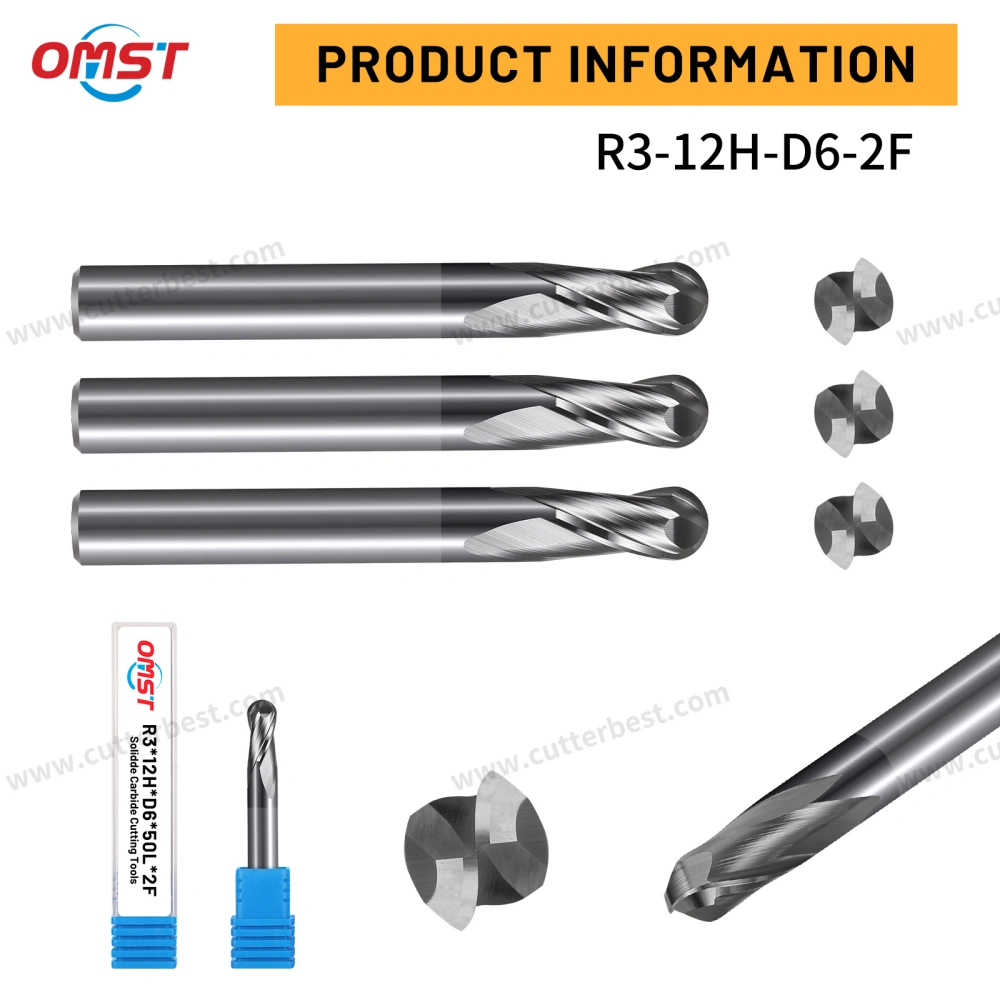
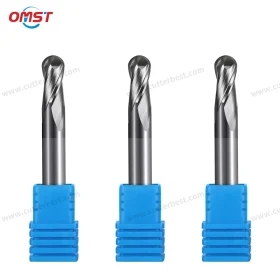
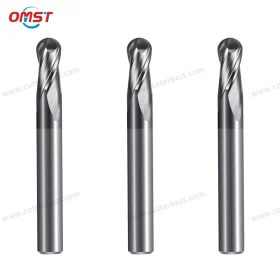
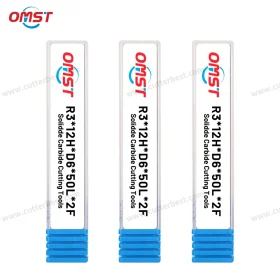
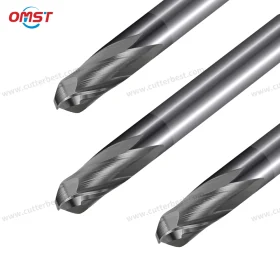
Carbide ball nose end mills have fully rounded cutting ends that follow curved surfaces and complex CNC toolpaths. This geometry makes them suitable for 3D contouring, การตกแต่งโพรงแม่พิมพ์, เครื่องจักรกลตาย, sculpted profiles, and precision surface finishing.
CutterBest manufactures standard and custom carbide cutters for CNC machining shops, ผู้ผลิตแม่พิมพ์, industrial users, and cutting tool distributors. Customers can select different diameters, การนับขลุ่ย, ความยาวตัด, neck lengths, เกรดคาร์ไบด์, and coatings according to the workpiece material and machining conditions.
เอ็นมิลล์บอลโนสคืออะไร?
A ball nose end mill is a rotary milling tool with a hemispherical cutting end. ไม่เหมือนดอกเอ็นมิลล์แบบแบน, it does not produce a fully flat-bottom cutting profile. แทน, the rounded end moves smoothly across curved surfaces and helps create gradual transitions between different contours.
Machinists commonly use this tool after rough machining to finish molds, ตาย, ฟันผุ, รัศมี, and three-dimensional parts. The correct cutter geometry and toolpath can also reduce visible tool marks and lower the amount of secondary polishing required.
สำหรับช่องก้นแบน, กระเป๋า, ขั้นตอน, และไหล่เหลี่ยม, please view our ดอกเอ็นมิลล์แบบแบน ผลิตภัณฑ์.
For a side-by-side comparison of cutting geometry, machining results, and suitable applications, อ่านของเรา ball nose end mill vs flat end mill guide.
คุณสมบัติที่สำคัญ
Full-Radius Cutting End
The rounded cutting end follows curved and freeform surfaces more smoothly than a flat-bottom cutter. ดังนั้น, it is well suited to complex profiles, โพรงแม่พิมพ์, รัศมี, and detailed 3D finishing.
สำหรับการออกแบบปลายลูกกลมมาตรฐาน, โดยปกติรัศมีปลายคมตัดจะอยู่ที่ครึ่งหนึ่งของเส้นผ่านศูนย์กลางการตัด. Custom cutting diameters, ความยาวขลุ่ย, neck lengths, ขนาดก้าน, and overall lengths can be evaluated according to drawings or machining requirements.
โครงสร้างโซลิดคาร์ไบด์
We manufacture these cutters from tungsten carbide to provide rigidity, ความต้านทานการสึกหรอ, and stable performance during CNC milling.
The appropriate carbide grade depends on the workpiece material, ความแข็ง, เส้นผ่านศูนย์กลางของเครื่องมือ, ความลึกของการตัด, และสภาวะการตัดเฉือน. ดังนั้น, customers should provide the material and hardness information when requesting a quotation.
ตัวเลือกขลุ่ยหลายแบบ
We can manufacture cutters with 1–6 flutes. อย่างไรก็ตาม, 2-flute and 4-flute designs are the most common.
A 2-flute design usually provides more chip space and suits aluminum, ทองแดง, กราไฟท์, and other applications that require efficient chip evacuation. ในทางตรงกันข้าม, a 4-flute design provides more cutting edges and often suits steel, วัสดุแม่พิมพ์, และการดำเนินการขั้นสุดท้าย.
จำนวนร่องอื่นๆ สามารถประเมินได้ตามเส้นผ่านศูนย์กลางของหัวกัด, วัสดุชิ้นงาน, เป้าหมายการตกแต่งพื้นผิว, and CNC machining conditions.
ตัวเลือกการเคลือบ
Different workpiece materials require different edge treatments and coatings. Available options include:
- TiAlN
- อัลทิน
- อัลซีอาร์เอ็น
- TiSiN
- ดีบุก
- เนื้อหาดาวน์โหลด
- นาโนบลู
- เคลือบนาโน
- Uncoated carbide
- Customized coatings
สำหรับอะลูมิเนียมและวัสดุที่ไม่ใช่เหล็กอื่นๆ, sharp cutting edges and polished flutes may be more important than a conventional coating. สำหรับเหล็ก, สแตนเลส, และวัสดุชุบแข็ง, การเคลือบทนความร้อนที่เหมาะสมสามารถปรับปรุงความต้านทานการสึกหรอและอายุการใช้งานของเครื่องมือได้.
ขนาดมาตรฐานและขนาดที่กำหนดเอง
The standard cutting diameter range is 1–20mm. นอกจากนี้, we can evaluate smaller or larger diameters according to the cutter structure, การนับขลุ่ย, ความลึกของเครื่องจักร, และปริมาณการสั่งซื้อ.
Customers can also request custom flute length, ความยาวโดยรวม, เส้นผ่านศูนย์กลางก้าน, ความยาวคอ, long-reach geometry, เกรดคาร์ไบด์, การเคลือบ, และความคลาดเคลื่อนของมิติ.
Ball Nose End Mill Applications
These cutters are commonly used for CNC finishing operations that involve curved, three-dimensional, or freeform surfaces.
การใช้งานทั่วไปได้แก่:
- 3การกัดรูปร่าง D
- การตกแต่งโพรงแม่พิมพ์
- การตัดเฉือนแม่พิมพ์และแม่พิมพ์
- การตกแต่งพื้นผิวโค้ง
- การตัดเฉือนรัศมีและโปรไฟล์
- Sculpted surface machining
- Automotive mold production
- Aerospace component finishing
- Medical and precision part machining
- การตัดเฉือนอิเล็กโทรดกราไฟท์
- Copper electrode machining
- การแกะสลัก CNC และการตกแต่งอย่างละเอียด
เส้นผ่านศูนย์กลางที่เล็กกว่าสามารถเข้าถึงช่องแคบและมีรายละเอียดปลีกย่อยได้. ขณะเดียวกัน, a larger diameter can improve machining efficiency on wider curved surfaces. The final selection should consider the part shape, programmed step-over, พื้นผิวที่ต้องการ, และความแข็งแกร่งของเครื่องจักร.
For a more detailed explanation of machining applications, อ่าน ดอกเอ็นมิลล์บอลโนสใช้ทำอะไร.
ตัวเลือกข้อมูลจำเพาะ
| รายการ | ตัวเลือกที่มี |
| ชื่อสินค้า | ดอกเอ็นมิลล์บอลโนส / Ball Nose Cutter |
| Cutter Material | Solid Tungsten Carbide |
| เส้นผ่านศูนย์กลางการตัด | Standard 1–20mm; smaller and larger diameters can be evaluated |
| ปลายตัด | Full-radius ball end |
| จํานวนขลุ่ย | 1–6 ขลุ่ย; 2-flute and 4-flute designs are the most common |
| ความยาวขลุ่ย | มาตรฐานหรือกำหนดเอง |
| ความยาวโดยรวม | มาตรฐานหรือกำหนดเอง |
| เส้นผ่านศูนย์กลางก้าน | Straight shank or customized |
| การออกแบบคอ | Standard neck, relieved neck, or long-reach design |
| ความแข็งของชิ้นงาน | Standard designs up to HRC65; selected designs may support HRC68–70 |
| การเคลือบ | TiAlN, อัลทิน, อัลซีอาร์เอ็น, TiSiN, ดีบุก, เนื้อหาดาวน์โหลด, นาโน, ไม่เคลือบ, หรือปรับแต่งเอง |
| วัสดุชิ้นงาน | เหล็กกล้า, สแตนเลส, อลูมิเนียม, ทองแดง, กราไฟท์, เหล็กหล่อ, เหล็กแม่พิมพ์, และโลหะผสม |
| แอปพลิเคชัน | 3D การคอนทัวร์, การตกแต่งแม่พิมพ์, การกลึงโพรง, พื้นผิวโค้ง, และโปรไฟล์ที่แม่นยำ |
| บริการที่กำหนดเอง | เส้นผ่านศูนย์กลาง, ความยาว, ก้าน, คอ, การนับขลุ่ย, เกรดคาร์ไบด์, การเคลือบ, ความอดทน, and special geometry |
| ประเภทการสั่งซื้อ | Sample orders, batch production, OEM, โอเอ็มเอ็ม, and distributor orders |
Ball Nose End Mills for Different Materials
วัสดุอลูมิเนียมและอโลหะ
เมื่อทำการกลึงอะลูมิเนียม, ทองแดง, และวัสดุที่คล้ายกัน, efficient chip evacuation helps reduce chip accumulation and built-up edges.
คมตัดที่คมชัด, พื้นที่ขลุ่ยที่ใหญ่ขึ้น, ขลุ่ยขัดเงา, and suitable coatings can improve the surface finish. A 2-flute or 3-flute design may suit many non-ferrous applications, depending on the cutter diameter and machining method.
เหล็กและสแตนเลส
เหล็กและสแตนเลสต้องการคมตัดที่มั่นคง, เกรดคาร์ไบด์ที่เหมาะสม, และการเคลือบที่เหมาะสม.
Tool length and machine rigidity are also important because excessive overhang may cause vibration and reduce surface quality.
TiAlN, อัลทิน, อัลซีอาร์เอ็น, or another suitable coating can be selected according to the material, ความแข็ง, อุณหภูมิการตัด, และสภาวะของน้ำหล่อเย็น.
เหล็กแม่พิมพ์และวัสดุชุบแข็ง
สำหรับเหล็กแม่พิมพ์และวัสดุชุบแข็ง, the cutter must provide sufficient edge strength, ทนความร้อน, และทนต่อการสึกหรอ.
Standard cutter designs can support materials up to approximately HRC65. Selected carbide grades, edge preparations, and coatings may support HRC68–70.
อย่างไรก็ตาม, feasibility depends on:
- Exact workpiece material
- เส้นผ่านศูนย์กลางคัตเตอร์
- Machining allowance
- ความลึกของการตัด
- ความแข็งแกร่งของเครื่องจักร
- Toolpath
- พารามิเตอร์การตัด
โปรดระบุข้อมูลการตัดเฉือนให้ครบถ้วนก่อนสั่งซื้อเครื่องมือสำหรับวัสดุที่มีความแข็งสูง.
ขั้วไฟฟ้ากราไฟท์และทองแดง
การตัดเฉือนกราไฟท์ต้องมีความต้านทานการสึกหรอที่ดีและรูปทรงของหัวกัดที่มั่นคง. ในทางตรงกันข้าม, การตัดเฉือนอิเล็กโทรดทองแดงมักต้องใช้คมตัดที่คมและพื้นผิวร่องเรียบ.
เราสามารถแนะนำเกรดคาร์ไบด์ที่เหมาะสมได้, การเคลือบ, และการออกแบบร่องตามวัสดุอิเล็กโทรด, พื้นผิวที่ต้องการ, และปริมาณการผลิต.
ดอกเอ็นมิลล์บอลโนสและคัตเตอร์มิลล์มิลล์เหมือนกันหรือไม่?
ในการใช้งานเครื่องมือตัด CNC, “ดอกเอ็นมิลล์บอลโนส” และ “คัตเตอร์มิลล์บอล” มักจะหมายถึงหัวกัดประเภทเดียวกันที่มีปลายตัดโค้งมนเต็มที่.
“ดอกเอ็นมิลปลายมน” เป็นชื่อที่เป็นทางการและเป็นที่ยอมรับกันอย่างแพร่หลายในแค็ตตาล็อกเครื่องมือตัดระดับมืออาชีพ. “Ball mill cutter” is a shorter term used by some buyers when searching for a milling cutter with a ball-shaped end.
Both terms normally describe a tool used for 3D contour milling, การตกแต่งโพรงแม่พิมพ์, การกลึงพื้นผิวโค้ง, and complex profile finishing.
อย่างไรก็ตาม, a ball mill cutter should not be confused with a ball mill machine used for grinding powders or bulk materials.
For more information about this alternative product name, อ่านของเรา ball mill cutter guide.
How to Choose a Ball Nose End Mill
Select the Cutting Diameter
The cutting diameter should match the workpiece radius, ความกว้างของช่อง, detail size, and available machining space.
A smaller diameter suits fine details, พื้นที่แคบ, and small radii. A larger diameter can improve machining efficiency on wider curved surfaces.
Confirm the Flute Length and Overall Length
Choose a flute length and overall length that reach the required machining depth without adding unnecessary overhang.
A cutter that is too long may vibrate and produce visible surface marks. สำหรับฟันผุลึก, a relieved neck or long-reach design may provide better access than an excessively long flute.
จับคู่การออกแบบขลุ่ยกับวัสดุ
The flute count, helix, การเตรียมการที่ล้ำสมัย, and chip space should match the workpiece material and operation.
ตัวอย่างเช่น, aluminum normally requires efficient chip evacuation and sharp cutting edges. Steel and hardened materials generally require stronger edges, เรขาคณิตที่มั่นคง, and a suitable coating.
Choose a Suitable Coating
The coating should match the material hardness, อุณหภูมิการตัด, สภาพน้ำหล่อเย็น, and machining method.
An unsuitable coating or edge treatment may increase chip adhesion, shorten tool life, or reduce surface quality.
Check Machine and Tool-Holder Stability
ความแข็งแกร่งของเครื่องจักร, tool-holder condition, การหมดเครื่องมือ, and cutter overhang directly affect the final surface finish.
ดังนั้น, use the shortest practical tool length and confirm that the machine and holder can support the required finishing operation.
For more selection information, อ่าน วิธีการเลือกดอกเอ็นมิลล์บอลโนส.
If the finishing operation may require a flat, บอลจมูก, จมูกวัว, or material-specific cutter, compare the available options in our โซลูชันดอกเอ็นมิลล์สำหรับการตัดเฉือน CNC.
Custom Ball Nose End Mill Manufacturing
Standard cutters may not suit every mold, โพรง, รัศมี, หรือส่วนประกอบ CNC พิเศษ. ดังนั้น,CutterBest supports custom ball nose end mill production according to drawings, ตัวอย่าง, รายการขนาด, และข้อกำหนดด้านเครื่องจักร.
ตัวเลือกที่กำหนดเองได้แก่:
- Non-standard cutting diameters
- Custom flute lengths
- Custom overall lengths
- Custom shank diameters
- Relieved-neck and long-reach designs
- 1–6 flute configurations
- Special carbide grades
- ขอบตัดแบบเคลือบหรือไม่เคลือบ
- Custom dimensional tolerances
- เลเซอร์มาร์กแบบ OEM
- บรรจุภัณฑ์ที่เป็นกลางหรือฉลากส่วนตัว
กรุณาระบุ:
- วัสดุชิ้นงาน
- ความแข็งของชิ้นงาน
- เส้นผ่านศูนย์กลางการตัด
- ความยาวขลุ่ย
- ความยาวโดยรวม
- เส้นผ่านศูนย์กลางก้าน
- การนับขลุ่ย
- ความต้องการการเคลือบ
- ปริมาณ
- Required tolerance
A clear drawing is recommended for non-standard tools.
คำถามที่ถามบ่อย
ดอกเอ็นมิลล์บอลโนสใช้ทำอะไร?
Machinists use it for 3D contour milling, curved surface finishing, โพรงแม่พิมพ์, ตาย, รัศมี, sculpted profiles, และการตกแต่ง CNC อย่างแม่นยำ. Its rounded cutting end follows complex surfaces more smoothly than a flat-bottom cutter.
Is a ball nose end mill the same as a ball mill cutter?
ในการใช้งานเครื่องมือตัด CNC, the two names usually describe the same rounded-end milling tool. อย่างไรก็ตาม, “ball nose end mill” is the more formal product name used in professional tool catalogs.
Can a ball nose end mill machine a flat-bottom pocket?
สามารถตัดเฉือนก้นช่องโค้งได้, แต่ไม่ได้สร้างโปรไฟล์ด้านล่างแบนเต็มประสิทธิภาพ. ดอกเอ็นมิลล์แบบแบนมักจะเหมาะกับกระเป๋าที่มีก้นแบนมากกว่า, สล็อต, ขั้นตอน, และไหล่.
Which flute count should I choose?
Two-flute and four-flute designs are the most common.
A 2-flute cutter provides more chip space, while a 4-flute cutter provides more cutting edges and may improve finishing stability. จำนวนร่องอื่นๆ สามารถประเมินได้ตามเส้นผ่านศูนย์กลางของหัวกัด, วัสดุชิ้นงาน, และสภาวะการตัดเฉือน.
Can you manufacture cutters for HRC68–70 materials?
Selected carbide grades, การเคลือบ, and cutter designs may support materials in the HRC68–70 range.
อย่างไรก็ตาม, feasibility depends on the exact workpiece material, เส้นผ่านศูนย์กลางของเครื่องตัด, ค่าเผื่อการตัดเฉือน, เส้นทางเครื่องมือ, ความแข็งแกร่งของเครื่องจักร, และพารามิเตอร์การตัด.
Can you customize the cutter dimensions?
ใช่. เราสามารถปรับแต่งเส้นผ่านศูนย์กลางการตัดได้, ความยาวขลุ่ย, ความยาวโดยรวม, เส้นผ่านศูนย์กลางก้าน, ความยาวคอ, การนับขลุ่ย, การเคลือบ, เกรดคาร์ไบด์, and tolerance according to drawings or machining requirements.
คุณต้องการข้อมูลอะไรสำหรับใบเสนอราคา?
กรุณาระบุเส้นผ่านศูนย์กลางการตัด, ความยาวขลุ่ย, ความยาวโดยรวม, เส้นผ่านศูนย์กลางก้าน, การนับขลุ่ย, การเคลือบ, วัสดุชิ้นงาน, ความแข็ง, ปริมาณ, and delivery location.
สำหรับเครื่องมือที่ไม่ได้มาตรฐาน, please also send a drawing or sample.
Send Your Ball Nose End Mill Requirement
Need standard or custom carbide ball nose end mills for mold machining, พื้นผิวโค้ง, or 3D contour finishing?
Send us your size list, การวาดภาพ, วัสดุชิ้นงาน, ความแข็ง, ความต้องการการเคลือบ, และปริมาณ. ทีมงานของเราจะตรวจสอบใบสมัครและเสนอข้อเสนอเครื่องมือและใบเสนอราคาที่เหมาะสม.
ส่งความต้องการของคุณมาที่ sales@cutterbest.com