 หัวกัดที่มีความแม่นยํา,เครื่องมือตัดสําหรับเครื่องจักรกลซีเอ็นซีทุกวัสดุ



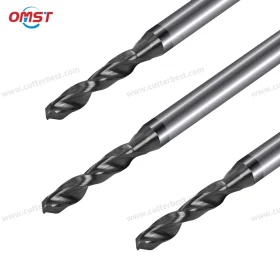
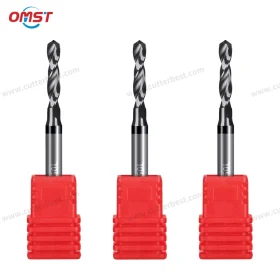

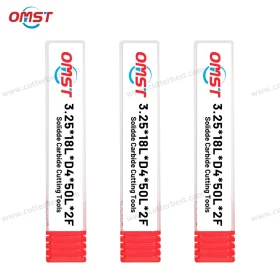
คัตเตอร์ดอกกัดคาร์ไบด์เป็นเครื่องมือตัดแบบหมุนที่ทำจากทังสเตนคาร์ไบด์ที่เป็นของแข็ง. ขอบตัดที่ส่วนปลายและเส้นผ่านศูนย์กลางภายนอกช่วยให้เครื่องมือทำการกัดร่องได้, การกัดข้าง, การกัดกระเป๋า, รูปร่าง, การทําโปรไฟล์, การหยาบ, และการดำเนินการขั้นสุดท้าย.
โซลิดคาร์ไบด์ให้ความแข็งแกร่งสูง, ความต้านทานการสึกหรอ, และความเสถียรของคมตัดภายใต้สภาวะการตัดเฉือนที่เหมาะสม. ส่งผลให้, ผู้ผลิตมักจะเลือกเครื่องมือเหล่านี้เมื่อต้องการความแม่นยำของมิติ, ประสิทธิภาพที่สม่ำเสมอ, reliable surface quality, and efficient production.
อย่างไรก็ตาม, one cutter design cannot suit every material or operation. The correct tool depends on the workpiece grade, ความแข็ง, เส้นผ่านศูนย์กลางของเครื่องตัด, การนับขลุ่ย, การเคลือบ, ส่วนที่ยื่นออกมาของเครื่องมือ, วิธีการตัดเฉือน, สภาพน้ำหล่อเย็น, ความแข็งแกร่งของเครื่องจักร, และพารามิเตอร์การตัด.
We select the end mill geometry and carbide grade according to the workpiece material, ความแข็ง, การอพยพของชิป, ตัดภาระ, การทำงานของเครื่องจักร, และพื้นผิวที่ต้องการ. ดังนั้น, the final tool structure should match the actual application rather than follow one general-purpose design for every job.
Key Benefits and Tool Options
Rigidity for Stable CNC Cutting
Solid carbide provides higher rigidity than many general-purpose tool materials. This rigidity helps reduce tool deflection and supports more stable cutting during precision CNC machining.
Micro-grain carbide grades can also be selected according to the workpiece material, ความแข็ง, เส้นผ่านศูนย์กลางของเครื่องตัด, and required balance between wear resistance and edge strength.
อย่างไรก็ตาม, cutter performance also depends on the length-to-diameter ratio, ความแม่นยำของผู้ถือ, การหมดเครื่องมือ, ความลึกของการตัด, ความแข็งแกร่งของเครื่องจักร, และเงื่อนไขการตัด.
Flute Options for Chip Control and Surface Finish
จำนวนร่องฟันส่งผลต่อการคายเศษ, cutting-edge strength, ความสามารถในการฟีด, ความแข็งแกร่งของเครื่องมือ, และการตกแต่งพื้นผิว.
Two-flute and three-flute tools provide more chip space. ดังนั้น, they are commonly considered when chip evacuation is important, especially in aluminum, วัสดุที่ไม่ใช่เหล็ก, กระเป๋าลึก, and slotting operations.
Four-flute tools provide more cutting edges and are widely used for many steel applications. ขณะเดียวกัน, five-flute, six-flute, and other special designs may support higher rigidity or improved finishing performance when the machining conditions allow.
For a detailed explanation of flute count, อ่านของเรา คู่มือการเลือกขลุ่ยดอกเอ็นมิลล์.
Coatings Matched to Materials and Cutting Conditions
A suitable coating can improve heat resistance, ความต้านทานการสึกหรอ, lubricity, และการป้องกันที่ล้ำสมัย.
สำหรับอะลูมิเนียมและวัสดุที่ไม่ใช่เหล็ก, users commonly choose uncoated, polished, or low-friction coating options. ขณะเดียวกัน, TiAlN, อัลทิน, TiSiN, or AlCrN may suit steel, สแตนเลส, เหล็กแม่พิมพ์, and higher-temperature machining conditions.
We recommend selecting the coating together with the carbide grade, เรขาคณิตของขอบ, ความแข็งของชิ้นงาน, สภาพน้ำหล่อเย็น, และการทำงานของเครื่องจักร.
ตัวเลือกมาตรฐานและแบบกำหนดเอง
Standard solid carbide end mills can meet many common CNC machining requirements. อย่างไรก็ตาม, some projects require a non-standard diameter, special flute length, long overall length, unusual shank diameter, custom corner radius, special helix angle, การเคลือบ, or dimensional tolerance.
We can evaluate these requirements based on your drawing, ตัวอย่างเครื่องมือ, วัสดุชิ้นงาน, วิธีการตัดเฉือน, current tool problem, และปริมาณการสั่งซื้อ.
Common End Profiles
Flat End Mills
ดอกเอ็นมิลล์แบบแบน, also called square end mills, have a flat cutting end and sharp outer corners. They are commonly used for flat-bottom slots, กระเป๋า, ขั้นตอน, ไหล่, ผนังด้านข้าง, การทําโปรไฟล์, และการกัดซีเอ็นซีทั่วไป.
For additional product information, ดูของเรา หน้าผลิตภัณฑ์ดอกเอ็นมิลล์แบบแบน.
ดอกเอ็นมิลล์บอลโนส
Ball nose end mills have a rounded cutting end. They are suitable for 3D contouring, พื้นผิวโค้ง, โพรงแม่พิมพ์, ตาย, and complex finishing operations.
For curved surfaces and mold cavity machining, ดูของเรา ball nose end mill product page.
Bull Nose and Corner Radius End Mills
Bull nose end mills combine a flat cutting end with rounded outer corners. The corner radius provides more edge strength than a sharp square corner and can improve stability during profiling, กึ่งสำเร็จ, และการขึ้นรูปแม่พิมพ์.
ดูของเรา bull nose end mill product page.
ดอกกัดหยาบ
Roughing end mills use serrated or chipbreaker cutting edges to divide chips into smaller sections. This design can reduce cutting resistance and support efficient material removal when the tool, เครื่องจักร, and machining conditions are suitable.
For a broader comparison of cutter shapes and applications, อ่าน ประเภทและการใช้งานของคัตเตอร์ดอกเอ็นมิลล์.
Quick Selection by Material and Operation
The following information provides general selection directions. Final tool selection should be confirmed according to the material grade, ความแข็งของชิ้นงาน, ขนาดเครื่องตัด, การทำงานของเครื่องจักร, การมีส่วนร่วมของเครื่องมือ, ยื่นออกมา, และสภาพเครื่อง.
วัสดุอลูมิเนียมและอโลหะ
Aluminum machining often requires sharp cutting edges, พื้นที่ชิปเพียงพอ, and smooth chip evacuation. ดังนั้น, two-flute or three-flute carbide end mills are commonly considered.
Polished flutes, sharp geometry, and uncoated or low-friction coating options can help reduce material buildup. อย่างไรก็ตาม, the final choice still depends on whether the operation involves slotting, การแทง, การกัดข้าง, การหยาบ, หรือการตกแต่ง.
เหล็กกล้าคาร์บอนและโลหะผสมเหล็ก
Four-flute carbide end mills are widely used for many carbon steel and alloy steel applications. Other flute counts may also suit slotting, การหยาบ, high-efficiency machining, การกัดข้าง, หรือการตกแต่ง.
TiAlN, อัลทิน, TiSiN, or another suitable heat-resistant coating may help protect the cutting edge. นอกจากนี้, the carbide grade, การเตรียมขอบ, and corner strength should match the cutting load and workpiece hardness.
สแตนเลส
Stainless steel can generate heat and may work-harden during machining. ดังนั้น, the tool requires suitable edge strength, การอพยพของชิป, การเคลือบ, coolant application, และพารามิเตอร์การตัด.
Four-flute or higher-flute tools may be considered depending on whether the operation involves slotting, การกัดข้าง, กึ่งสำเร็จ, หรือการตกแต่ง. อย่างไรก็ตาม, a higher flute count also reduces chip space, so the actual tool engagement and machining strategy must be considered.
เหล็กหล่อ
เหล็กหล่อสามารถมีฤทธิ์กัดกร่อนได้. A wear-resistant carbide grade, suitable edge preparation, and application-specific coating can help improve tool stability and service life.
The best geometry depends on the cast iron grade, สภาพการตัด, ค่าเผื่อการตัดเฉือน, and whether the operation involves roughing or finishing.
Mold Steel and Tool Steel
Manufacturers commonly use flat, บอลจมูก, and bull nose carbide end mills for roughing, กึ่งสำเร็จ, การกลึงโพรง, การทําโปรไฟล์, และการตกแต่ง.
The cutter series should match the actual workpiece hardness. You can select different tool series for machining materials up to HRC45, เหล็กแผ่นรีดร้อน55, เหล็กแผ่นรีดร้อน 60, or HRC65.
These values refer to the intended workpiece hardness range, not the hardness of the carbide tool itself.
Titanium Alloy
Titanium alloy machining requires careful control of heat, การอพยพของชิป, การมีส่วนร่วมของเครื่องมือ, cutting-edge strength, and coolant.
ดังนั้น, the geometry, การเคลือบ, การนับขลุ่ย, ส่วนที่ยื่นออกมาของเครื่องมือ, and cutting parameters should be confirmed according to the actual alloy and machining operation.
For more detailed material-based guidance, อ่าน วิธีการเลือกคัตเตอร์ดอกกัดคาร์ไบด์.
การประยุกต์ใช้งานกัด CNC
CNC manufacturers use solid carbide end mills for slotting, side and shoulder milling, การแทง, รูปร่าง, การทําโปรไฟล์, การหยาบ, กึ่งสำเร็จ, ตกแต่ง, การตัดเฉือนโพรงแม่พิมพ์, และการตัดเฉือนพื้นผิว 3 มิติ.
Typical users include CNC machining companies, ผู้ผลิตแม่พิมพ์, automotive and aerospace suppliers, electronics manufacturers, cutting tool distributors, and other precision metalworking businesses.
ตัวเลือกข้อมูลจำเพาะ
วัสดุเครื่องมือ: โซลิดคาร์ไบด์; Micro-Grain Carbide Grades Available According to Application
เส้นผ่านศูนย์กลางคัตเตอร์ทั่วไป: Common Standard Sizes from Approximately D2 to D20 mm
Custom Diameter: Micro-Diameter, Large-Diameter, and Other Non-Standard Sizes Can Be Evaluated
จํานวนขลุ่ย: 2, 3, และ 4 Flutes Are Common; 5, 6, and Special Flute Counts Can Be Evaluated
ความยาวขลุ่ย: มาตรฐาน, Extended, and Drawing-Defined Flute Lengths
ความยาวโดยรวม: มาตรฐาน, ระยะไกล, and Custom Overall Lengths
เส้นผ่านศูนย์กลางก้าน: Standard and Non-Standard Shank Diameters
ประเภทก้าน: ก้านตรง; Special Requirements Can Be Evaluated
สิ้นสุดโปรไฟล์: แบน, บอลโนส, จมูกวัว, รัศมีมุม, การกัดหยาบ, or Custom Geometry
มุมเกลียว: Common 30°, 35°, and 45° Options; Other Helix Angles Can Be Evaluated
การเคลือบ: ไม่เคลือบผิว, ดีบุก, TiAlN, อัลทิน, TiSiN, อัลซีอาร์เอ็น, เนื้อหาดาวน์โหลด, หรือการเคลือบแบบกำหนดเอง
วัสดุชิ้นงาน: อลูมิเนียม, เหล็กกล้าคาร์บอน, โลหะผสมเหล็ก, สแตนเลส, เหล็กหล่อ, แม่พิมพ์เหล็ก, เหล็กเครื่องมือ, และโลหะผสมไทเทเนียม
ความแข็งของชิ้นงาน: Tool Series for Materials up to HRC45, เหล็กแผ่นรีดร้อน55, เหล็กแผ่นรีดร้อน 60, or HRC65
การตัดตรงกลาง: Center-Cutting and Non-Center-Cutting Designs According to Application
ความอดทน: Confirmed According to the Cutter Size, รูปภาพ, และการประยุกต์ใช้
การทำเครื่องหมาย: การทำเครื่องหมายมาตรฐาน, Customer Label, or Laser Marking
บรรจุภัณฑ์: มาตรฐาน, Neutral, OEM, or Customer-Specified Packaging
MOQ and Lead Time: Confirmed After Reviewing the Tool Specification and Quantity
The options above describe common supply directions rather than a fixed specification for every cutter. มิติสุดท้าย, เรขาคณิต, การเคลือบ, ความอดทน, and production requirements will be confirmed before manufacturing.
Center-Cutting and Non-Center-Cutting Designs
Center-cutting end mills have cutting edges that extend across or close to the tool center. They can support certain plunging, ลาด, or pocket-entry operations when the geometry and machining conditions are suitable.
Non-center-cutting tools are mainly used for side milling, การทําโปรไฟล์, การกัดไหล่, and other operations that do not require direct vertical entry.
An end mill should not automatically be treated as a drill. Plunging capability depends on the center geometry, entry method, เส้นผ่านศูนย์กลางของเครื่องตัด, วัสดุชิ้นงาน, และกลยุทธ์การตัดเฉือน.
Carbide End Mill vs HSS End Mill
Carbide and HSS end mills both have suitable applications.
Solid carbide normally provides higher rigidity, ทนต่อการสึกหรอได้ดีขึ้น, greater heat resistance, and higher cutting-speed potential under suitable conditions. ดังนั้น, it is commonly selected for CNC machining, วัสดุที่แข็งกว่า, longer production runs, and precision applications.
HSS offers greater toughness and may be more tolerant of vibration, unstable machines, การตัดขัดจังหวะ, or some lower-speed operations.
The better option depends on the machine, การตั้งค่า, วัสดุชิ้นงาน, การดำเนินการตัด, production quantity, และเป้าหมายต้นทุน.
For a wider product range that includes different tool materials, ดูของเรา หน้าผลิตภัณฑ์เครื่องตัดดอกเอ็นมิลล์.
Custom Carbide End Mill Cutter Service
Custom carbide end mills can be evaluated according to your drawing, ตัวอย่าง, ขนาดที่ต้องการ, วัสดุชิ้นงาน, หรือการใช้งานเครื่องจักร.
Available custom options may include non-standard sizes, การนับขลุ่ย, สิ้นสุดโปรไฟล์, มุมเกลียว, การเคลือบ, ความคลาดเคลื่อน, การทำเครื่องหมายด้วยเลเซอร์, และบรรจุภัณฑ์. Final specifications, ขั้นต่ํา, ราคา, and production time will be confirmed according to the actual requirement.
ข้อมูลที่จำเป็นสำหรับใบเสนอราคา
กรุณาส่งรูปวาดของคุณ, แบบจำลองเครื่องมือ, ขนาดที่ต้องการ, ภาพผลิตภัณฑ์, หรือข้อกำหนดด้านเครื่องจักร. When available, information about the workpiece material, แอปพลิเคชัน, ปริมาณ, and current machining problem can help us review the request more accurately.
When some details are unavailable, ส่งข้อมูลที่คุณมีอยู่แล้ว. We will confirm any additional specifications during the quotation process.
Quality and Specification Confirmation
ก่อนการผลิต, the main tool specifications, การเคลือบ, ความอดทน, การทำเครื่องหมาย, บรรจุภัณฑ์, ปริมาณ, and delivery requirements will be confirmed according to the order.
When material reports, inspection documents, or other quality documents are required, please let us know before ordering so that we can confirm their availability for the specific tool and project.
ทำไมถึงเลือกพวกเรา
กับ 16 ประสบการณ์หลายปีในการผลิตเครื่องมือตัด, we support standard and custom solid carbide end mills for machining companies, industrial distributors, ผู้ซื้อ OEM, and precision manufacturers.
Our service includes:
- One-to-one specification review
- Standard and non-standard tool options
- Drawing and sample evaluation
- Material and application-based tool selection
- Custom geometry and coating
- Neutral packaging and OEM support
- Trial-order and bulk-order discussion
- การยืนยันข้อกำหนดก่อนการผลิต
Instead of recommending one general cutter for every material, we review the workpiece, การดำเนินการ, ขนาดเครื่องมือ, accuracy requirement, ปริมาณ, and machining conditions before confirming the tool design.
คำถามที่ถามบ่อย
คัตเตอร์ดอกเอ็นมิลล์คาร์ไบด์ใช้ทำอะไร?
A carbide end mill cutter is used for CNC slotting, การกัดข้าง, การแทง, รูปร่าง, การทําโปรไฟล์, การหยาบ, ตกแต่ง, และการขึ้นรูปแม่พิมพ์. Depending on its geometry and coating, it can machine aluminum, เหล็ก, สแตนเลส, เหล็กหล่อ, เหล็กแม่พิมพ์, เหล็กกล้าเครื่องมือ, titanium alloy, และวัสดุอื่นๆ.
How many flutes should a carbide end mill have?
The flute count depends on the material and operation. Two or three flutes are commonly considered when chip evacuation is important. Four or more flutes may be selected when greater rigidity, more cutting edges, or improved finishing performance is required.
For a direct comparison, อ่าน 2 ขลุ่ยกับ 4 ขลุ่ยกับ 6 ดอกเอ็นมิลล์ขลุ่ย.
Which coating is suitable for steel and stainless steel?
TiAlN, อัลทิน, TiSiN, or AlCrN may be considered for steel and stainless steel. อย่างไรก็ตาม, the final coating should match the material grade, ความแข็ง, อุณหภูมิการตัด, สารหล่อเย็น, เกรดคาร์ไบด์, และเรขาคณิตของเครื่องมือ.
Which carbide end mill is suitable for aluminum?
Aluminum normally requires sharp cutting edges and sufficient chip space. Two-flute or three-flute tools with polished flutes, uncoated surfaces, เนื้อหาดาวน์โหลด, or another suitable low-friction coating may be considered.
Can you manufacture custom carbide end mills?
ใช่. Custom diameters, ความยาวขลุ่ย, ความยาวโดยรวม, ขนาดก้าน, การนับขลุ่ย, มุมเกลียว, สิ้นสุดโปรไฟล์, การเคลือบ, ความคลาดเคลื่อน, การทำเครื่องหมาย, and packaging can be evaluated according to drawings, ตัวอย่าง, หรือข้อกำหนดด้านเครื่องจักร.
Can carbide end mills be center cutting?
Both center-cutting and non-center-cutting designs are available. The correct design depends on whether the operation requires plunging, ลาด, รายการกระเป๋า, การกัดข้าง, or profiling.
What is the MOQ and production time?
There is no single MOQ or lead time for every tool. These details depend on the dimensions, การนับขลุ่ย, เรขาคณิต, การเคลือบ, ความอดทน, ปริมาณ, and whether the product is standard or custom.
ฉันควรส่งข้อมูลอะไรเพื่อขอใบเสนอราคา?
You may send a drawing, model number, ขนาดที่ต้องการ, ภาพผลิตภัณฑ์, ตัวอย่าง, หรือความต้องการเครื่องจักร. วัสดุชิ้นงาน, แอปพลิเคชัน, ปริมาณ, and information about the current machining problem can also help with tool evaluation.
Send Your Carbide End Mill Requirement
Send us your carbide end mill cutter drawing, แบบจำลองเครื่องมือ, ขนาดที่ต้องการ, ภาพผลิตภัณฑ์, ตัวอย่าง, หรือข้อกำหนดด้านเครื่องจักร. We will review the information and provide a suitable solid carbide end mill recommendation or quotation.