 หัวกัดที่มีความแม่นยํา,เครื่องมือตัดสําหรับเครื่องจักรกลซีเอ็นซีทุกวัสดุ

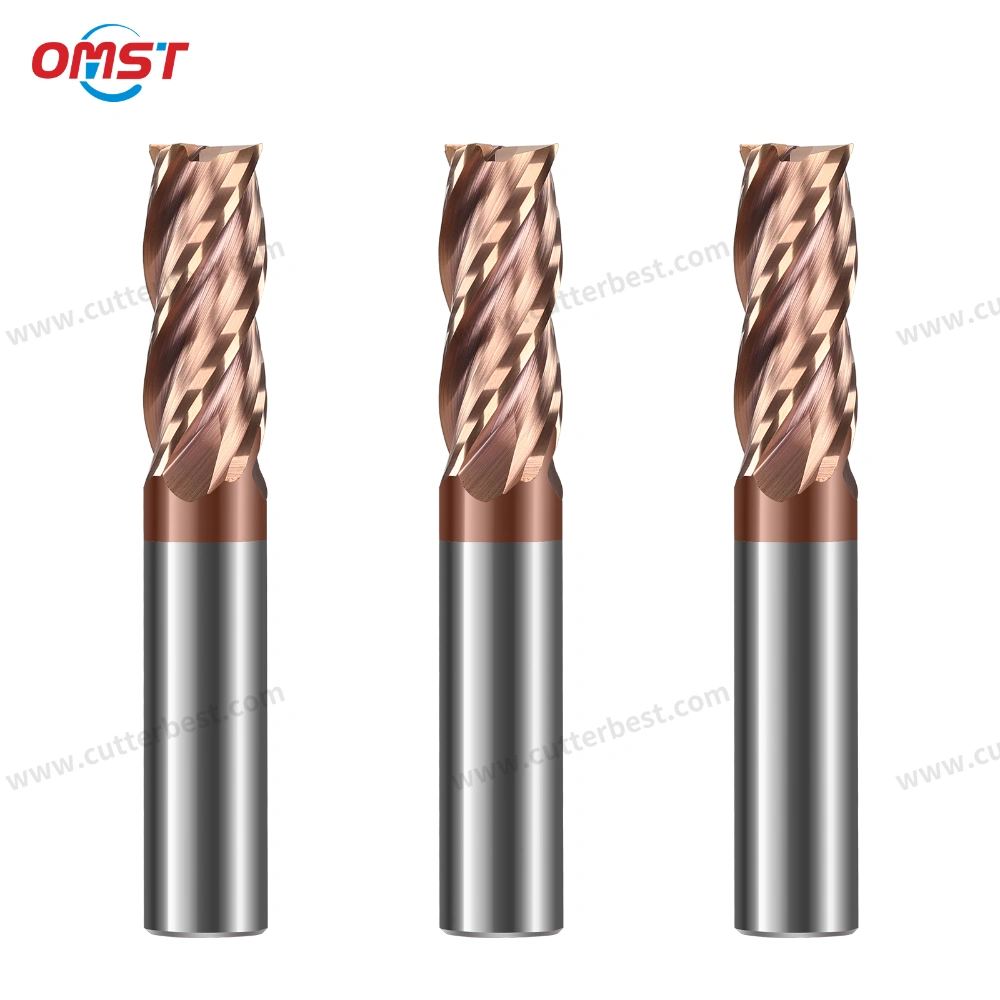
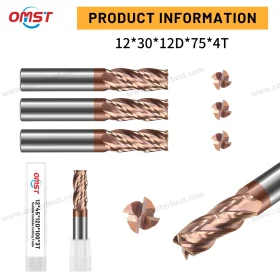
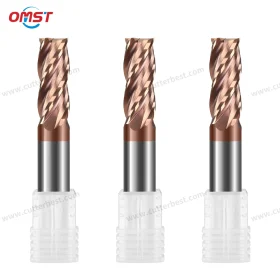
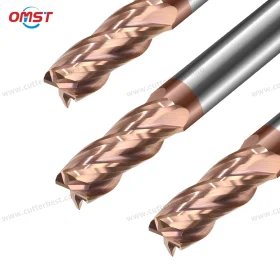
ดอกเอ็นมิลล์กัดหยาบจะขจัดเศษวัสดุออกก่อนการเก็บผิวกึ่งละเอียดหรือการเก็บผิวละเอียด. ขอบตัดแบบหยักจะแบ่งเศษออกเป็นส่วนเล็กๆ, ซึ่งปรับปรุงการควบคุมเศษและลดความต้านทานการตัดในระหว่างการตัดเฉือนหยาบที่เหมาะสม.
ชื่อเครื่องมือเพียงอย่างเดียวไม่ได้กำหนดว่าหัวกัดจะทำงานได้ดีหรือไม่. การออกแบบที่ถูกต้องยังขึ้นอยู่กับวัสดุชิ้นงานด้วย, ความแข็ง, ค่าเผื่อการตัดเฉือน, เส้นผ่านศูนย์กลางของเครื่องตัด, ความยาวขลุ่ย, ความแข็งแกร่งของเครื่องจักร, ส่วนที่ยื่นออกมาของเครื่องมือ, สภาพผู้ถือ, และกลยุทธ์การตัด.
ผลิตภัณฑ์มาตรฐานของเรามุ่งเน้นไปที่หัวกัดโซลิดคาร์ไบด์สำหรับการตัดเฉือน CNC. นอกจากนี้ยังมีตัวเลือก HSS และ HSS โคบอลต์สำหรับเครื่องจักรทั่วไปบางรุ่นอีกด้วย, ขนาดเครื่องตัดที่ใหญ่ขึ้น, ความเร็วตัดต่ำลง, หรือความต้องการของลูกค้าพิเศษ.
เหตุใดจึงต้องใช้ดอกกัดหยาบแบบหยัก?
ปรับปรุงการควบคุมชิป
คมตัดที่เรียบสามารถทำให้เกิดเศษยาวหรือต่อเนื่องในระหว่างการตัดเฉือนหนัก. ในการเปรียบเทียบ, ขอบหยักจะแบ่งชิปไปตามร่องและสร้างส่วนชิปที่เล็กลง.
การหักเศษช่วยลดการสะสมเศษในช่องและช่อง. นอกจากนี้ยังช่วยลดความเสี่ยงในการตัดซ้ำเมื่อออกแบบร่องฟันด้วย, วิธีหล่อเย็น, และเส้นทางเครื่องมือตรงกับการดำเนินการ.
การกำจัดสต็อกอย่างมีประสิทธิภาพ
หัวกัดหยาบมีจุดประสงค์เพื่อขจัดค่าเผื่อการตัดเฉือน แทนที่จะสร้างพื้นผิวขั้นสุดท้าย.
โดยทั่วไปจะใช้ก่อนการเก็บผิวกึ่งสำเร็จหรือการเก็บผิวละเอียดในช่องแม่พิมพ์, กระเป๋า, สล็อต, ผนังด้านข้าง, ชิ้นส่วนปลอมแปลง, ส่วนประกอบหล่อ, และชิ้นส่วนกลึง CNC ทั่วไป.
ความต้านทานการตัดต่ำ
ขอบหยักที่ถูกขัดจังหวะจะไม่ยึดชิ้นงานในลักษณะเดียวกับคมตัดต่อเนื่อง. ส่งผลให้, ภาระการตัดง่ายต่อการจัดการในการกัดหยาบที่เหมาะสม.
ประสิทธิภาพที่แท้จริงขึ้นอยู่กับตัวเครื่อง, เจ้าของ, ความลึกของการตัด, การสู้รบในแนวรัศมี, ส่วนที่ยื่นออกมาของเครื่องมือ, สภาพน้ำหล่อเย็น, และวัสดุชิ้นงาน.
การออกแบบเครื่องมือที่ยืดหยุ่น
สภาพการตัดเฉือนที่แตกต่างกันต้องใช้จำนวนร่องที่แตกต่างกัน, สนามหยัก, เกรดคาร์ไบด์, การเคลือบ, และความยาวของเครื่องมือ.
การเลือกหัวกัดหยาบตามเส้นผ่านศูนย์กลางเพียงอย่างเดียวอาจทำให้การคายเศษไม่ดี, การสั่นสะเทือน, ขอบเสียหาย, หรืออายุการใช้งานเครื่องมือไม่แน่นอน. เราขอแนะนำให้ตรวจสอบสภาพการตัดเฉือนที่สมบูรณ์ก่อนที่จะยืนยันข้อกำหนดขั้นสุดท้าย.
ตัวเลือกดอกกัดหยาบที่มีอยู่
หัวกัดหยาบโซลิดคาร์ไบด์
โซลิดคาร์ไบด์เป็นตัวเลือกหลักสำหรับการตัดเฉือน CNC สมัยใหม่. มันให้ความแข็งแกร่งที่ดี, ความต้านทานการสึกหรอ, และความเสถียรในการตัดเมื่อรูปทรงของเครื่องมือตรงกับชิ้นงานและการทำงาน.
มีเกรดคาร์ไบด์ที่แตกต่างกันสำหรับเหล็กทั่วไป, สแตนเลส, เหล็กหล่อ, โลหะผสมไทเทเนียม, และเลือกใช้วัสดุชุบแข็ง.
หัวกัดหยาบ HSS
ไฮสปีด M2, ม35, และหัวกัดหยาบ M42 มีให้บริการตามคำขอ.
เครื่องมือเหล่านี้เหมาะกับเครื่องจักรทั่วไป, ความเร็วตัดต่ำลง, ขนาดเครื่องตัดที่ใหญ่ขึ้น, การตัดขัดจังหวะ, หรือการใช้งานที่ต้องการความทนทานของเครื่องมือมากขึ้น. สิ่งเหล่านี้ไม่ใช่ตัวเลือกหลักสำหรับการตัดเฉือน CNC ความเร็วสูง, แต่ยังคงมีประโยชน์ภายใต้เงื่อนไขที่เลือก.
เครื่องตัดหยาบระยะพิทช์หยาบ
หัวกัดระยะพิทช์หยาบมีระยะห่างระหว่างฟันเลื่อยที่กว้างกว่า. ดังนั้น, ให้พื้นที่เศษมากขึ้นและโดยทั่วไปจะเหมาะกับวัสดุที่อ่อนนุ่มหรือขึ้นรูปเป็นเศษ.
มักถูกมองว่าเป็นอะลูมิเนียม, ทองแดง, เหล็กกล้าคาร์บอนอ่อน, และการใช้งานอื่นๆ ที่การคายเศษเป็นปัญหาสำคัญ.
เครื่องตัดหยาบระยะละเอียด
หัวกัดระยะพิทช์ละเอียดมีฟันเลื่อยที่มีระยะห่างใกล้เคียงกันมากขึ้น. โดยปกติแล้วจะให้การมีส่วนร่วมที่ราบรื่นยิ่งขึ้นและการกำจัดสต็อกที่เสถียรยิ่งขึ้น.
โดยทั่วไปจะเหมาะกับเหล็กกล้าคาร์บอน, โลหะผสมเหล็ก, สแตนเลส, เหล็กหล่อ, โลหะผสมไทเทเนียม, และเลือกใช้เหล็กชุบแข็ง.
ระยะพิทช์ยังคงต้องตรงกับเส้นผ่านศูนย์กลางของหัวกัด, ค่าเผื่อการตัดเฉือน, การดำเนินการ, และความแข็งแกร่งของเครื่องจักร.
ตัวเลือกขลุ่ยหลายแบบ
เราผลิตได้ 2-, 3-, 4-, 5-, และการออกแบบการกัดหยาบ 6 ฟัน. อย่างไรก็ตาม, ไม่ใช่ว่าการนับขลุ่ยทุกครั้งจะเหมาะกับเส้นผ่านศูนย์กลางของหัวกัดหรือวัสดุชิ้นงานทุกแบบ.
โดยปกติร่องฟันที่น้อยลงจะทำให้มีเนื้อที่ชิปมากขึ้น. ในทางตรงกันข้าม, ร่องฟันที่มากขึ้นจะทำให้คมตัดเพิ่มขึ้นและสามารถปรับปรุงความมั่นคงได้ภายใต้สภาวะที่เหมาะสม.
การออกแบบ 4 ร่องเป็นทางเลือกทั่วไปสำหรับการกัดหยาบเหล็กกล้าทั่วไป, แต่ไม่ควรถือเป็นวิธีแก้ปัญหาแบบสากล.
วิธีการเลือกดอกกัดหยาบ
เริ่มต้นด้วยวัสดุชิ้นงาน
เกรดชิ้นงานและความแข็งมีอิทธิพลต่อเกรดคาร์ไบด์, การนับขลุ่ย, สนามหยัก, การเคลือบ, การเตรียมขอบ, และกลยุทธ์การตัด.
ตัวอย่างเช่น, อะลูมิเนียมต้องการขอบคมและพื้นที่เศษเพียงพอ. สแตนเลสต้องมีการควบคุมความร้อนและการตัดที่มั่นคง. เหล็กหล่อต้องการความต้านทานการสึกหรอ, ในขณะที่ไททาเนียมอัลลอยด์จำเป็นต้องมีการควบคุมความร้อนในการตัดและการจับยึดของเครื่องมืออย่างระมัดระวัง.
ยืนยันการทำงานของเครื่องจักร
การกัดหยาบแบบพ็อกเก็ต, การหยาบสล็อต, การกัดข้าง, การหยาบของแม่พิมพ์, การตัดเต็มช่อง, และการกัดแบบโทรคอยด์จะสร้างภาระที่แตกต่างกันบนเครื่องมือ.
หัวกัดที่ใช้งานได้ดีกับการกัดหยาบด้านข้างอาจไม่ใช่ตัวเลือกที่ดีที่สุดสำหรับช่องลึกเต็มความกว้าง. ดังนั้น, ยืนยันการทำงานและเส้นทางเครื่องมือก่อนที่จะเลือกรูปทรงของเครื่องมือ.
ตรวจสอบความแข็งแกร่งของเครื่องจักรและด้ามจับ
ระยะยื่นของเครื่องมือยาว, การหนีบที่อ่อนแอ, การส่ายของแกนหมุน, กำลังเครื่องไม่เพียงพอ, และการทำงานที่ไม่มั่นคงอาจทำให้เกิดการสั่นสะเทือนได้, การบิ่นขอบ, หรือเครื่องมือขัดข้องก่อนกำหนด.
ใช้คัตเตอร์ที่ใช้งานได้จริงและความยาวร่องฟันที่สั้นที่สุดทุกครั้งที่เป็นไปได้. ตัวจับยึดที่แข็งแกร่งและการจัดวางชิ้นงานที่มั่นคงก็มีความสำคัญเช่นกันสำหรับการกำจัดเศษวัสดุที่มีน้ำหนักมาก.
จับคู่การนับขลุ่ยกับ Chip Space
เครื่องมือที่มีร่องมากเกินไปอาจไม่มีพื้นที่เศษเพียงพอสำหรับวัสดุอ่อนหรือกาว. ในทางกลับกัน, การใช้ร่องฟันน้อยเกินไปอาจลดความมั่นคงในการตัดในงานเหล็กบางประเภท.
จำนวนขลุ่ยสุดท้ายควรตรงกับวัสดุ, เส้นผ่านศูนย์กลางของเครื่องตัด, การสู้รบในแนวรัศมี, ความลึกของการตัด, เส้นทางเครื่องมือ, และวิธีการหล่อเย็น.
เลือกการเคลือบตามวัสดุ
การเคลือบผิวควรรองรับวัสดุชิ้นงานและอุณหภูมิในการตัด. ไม่ควรเลือกตามรูปลักษณ์หรือราคาเท่านั้น.
การเลือกการเคลือบยังต้องคำนึงถึงการใช้น้ำหล่อเย็นด้วย, ความเร็วในการตัด, ความเสถียรของเครื่องจักร, และความสมดุลที่ต้องการระหว่างความคมของคมตัดและความต้านทานการสึกหรอ.
คำแนะนำในการเลือกวัสดุ
คำแนะนำต่อไปนี้เป็นจุดเริ่มต้นทั่วไป. การนับขลุ่ยครั้งสุดท้าย, ขว้าง, การเคลือบ, เกรดคาร์ไบด์, และขนาดของเครื่องมือควรตรงกับเกรดวัสดุจริง, ความแข็ง, เส้นผ่านศูนย์กลางของเครื่องตัด, เครื่องจักร, และการทำงานของเครื่องจักร.
| วัสดุชิ้นงาน | ทิศทางเครื่องมือทั่วไป | หมายเหตุการเลือก |
|---|---|---|
| เหล็กกล้าคาร์บอนและโลหะผสมเหล็ก | 4-ขลุ่ย, เครื่องตัดคาร์ไบด์ระยะพิทช์ละเอียด; TiAlN หรือ AlTiN | จับคู่เกรดคาร์ไบด์และการเคลือบผิวให้ตรงกับความแข็ง, ค่าเผื่อสต็อก, ตัดความร้อน, และกำลังของเครื่องจักร. |
| สแตนเลส | คัตเตอร์คาร์ไบด์ระยะพิทช์ละเอียด; AlTiN หรือ TiSiN | ควบคุมความร้อน, ลดระยะยื่นของเครื่องมือที่ไม่จำเป็น, และรักษาการคายเศษให้มั่นคง. |
| เหล็กหล่อ | คัตเตอร์คาร์ไบด์ระยะพิทช์ละเอียด; TiAlN หรือการออกแบบที่ไม่เคลือบผิวที่เลือก | ให้ความสำคัญกับความแข็งแรงของคมตัดและความต้านทานต่อการสึกหรอ เนื่องจากเหล็กหล่ออาจมีฤทธิ์กัดกร่อนได้. |
| อลูมิเนียมและโลหะผสมทองแดง | 2- หรือ 3 ขลุ่ย, เครื่องตัดระยะพิทช์หยาบ; DLC หรือไม่เคลือบผิว | ใช้คมตัดที่คมและพื้นที่ร่องฟันเพียงพอเพื่อลดการยึดเกาะและการตัดเศษของเศษ. |
| โลหะผสมไทเทเนียม | หัวกัดคาร์ไบด์ระยะพิทช์ละเอียดเฉพาะการใช้งาน; AlTiN หรือ TiSiN | ควบคุมการมีส่วนร่วมในแนวรัศมี, ตัดความร้อน, การส่งสารหล่อเย็น, และส่วนยื่นของเครื่องมือ. |
| เหล็กชุบแข็ง | เครื่องตัดคาร์ไบด์ระยะพิทช์ละเอียดแบบกำหนดเอง; AlTiN หรือ TiSiN | การใช้งานที่เลือกได้ถึงประมาณ HRC 60 ต้องมีการตั้งค่าเครื่องจักรที่เข้มงวด, ระยะยื่นสั้น, และควบคุมการกำจัดสต๊อก. |
คำแนะนำเหล่านี้ไม่ใช่กฎตายตัว. การเลือกเครื่องมือขั้นสุดท้ายควรขึ้นอยู่กับสภาพการตัดเฉือนที่สมบูรณ์.
ตัวเลือกการเคลือบ
TiAlN
TiAlN โดยทั่วไปถือว่าเป็นเหล็กกล้าคาร์บอน, โลหะผสมเหล็ก, และเลือกใช้เหล็กหล่อ. ให้ความสมดุลในทางปฏิบัติระหว่างการทนความร้อนและการสึกหรอสำหรับการตัดเฉือนหยาบทั่วไป.
อัลทิน
AlTiN ต้านทานความร้อนและออกซิเดชั่นได้ดี. สามารถใส่เหล็กได้, สแตนเลส, และเลือกใช้วัสดุชุบแข็ง.
TiSiN
TiSiN เหมาะกับการตัดที่อุณหภูมิสูงและวัสดุที่ตัดยาก เช่น สแตนเลสและโลหะผสมไทเทเนียม.
เนื้อหาดาวน์โหลด
DLC มีแรงเสียดทานต่ำและช่วยลดการยึดเกาะของวัสดุเมื่อตัดเฉือนอะลูมิเนียม, ทองแดง, และวัสดุที่ไม่ใช่เหล็กอื่นๆ.
สำหรับโลหะผสมอลูมิเนียมหล่อที่มีซิลิคอนสูงที่มีการเสียดสี, เช่น แอปพลิเคชัน A380 หรือ ADC12 ที่เลือก, DLC หรือการเคลือบเฉพาะงานอื่นๆ สามารถปรับปรุงความต้านทานการสึกหรอได้.
ไม่เคลือบผิว
หัวกัดที่ไม่เคลือบจะรักษาคมตัดให้คม และมักจะเหมาะกับเกรดอะลูมิเนียมดัดทั่วไป เช่น 6061 และ 7075.
ตัวเลือกที่แน่นอนขึ้นอยู่กับโลหะผสม, วิธีหล่อเย็น, เรขาคณิตของเครื่องตัด, และเงื่อนไขการตัด.
ดีบุก
TiN มีจำหน่ายสำหรับหัวกัดหยาบ HSS และข้อกำหนดในการตัดเฉือนทั่วไปเป็นหลัก. โดยปกติแล้วจะไม่ใช่ตัวเลือกการเคลือบตัวแรกสำหรับเครื่องมือกัดหยาบโซลิดคาร์ไบด์สมัยใหม่.
เมื่อดอกกัดหยาบอาจไม่ใช่ตัวเลือกที่ดีที่สุด
หัวกัดหยาบแบบหยักไม่เหมาะกับทุกการทำงาน.
มันอาจไม่ใช่ตัวเลือกที่ดีที่สุดเมื่อใด:
- สินค้ามีสต๊อกเหลือเพียงเล็กน้อยเท่านั้น.
- การดำเนินการนี้จำเป็นต้องมีการตกแต่งพื้นผิวขั้นสุดท้ายและพิกัดความเผื่อของขนาด.
- ส่วนประกอบมีผนังบางหรือยืดหยุ่นมาก.
- เครื่องจักรหรือด้ามจับขาดความแข็งแกร่งเพียงพอ.
- เครื่องมือนี้ต้องใช้ระยะยื่นมากเกินไป.
- ความแข็งของวัสดุหรือสภาพการตัดเฉือนเกินกว่าการออกแบบเครื่องมือ.
สำหรับหัวกัดที่มีเส้นผ่านศูนย์กลางใหญ่มาก, ข้อกำหนดในการกำจัดสต็อกสูง, หรือแมชชีนนิ่งเซ็นเตอร์ที่ทรงพลัง, หัวกัดแบบเปลี่ยนเม็ดมีดอาจให้โซลูชันที่ประหยัดกว่า.
ในกรณีอื่นๆ, ดอกเอ็นมิลล์มาตรฐาน, ดอกเอ็นมิลล์จบ, หรือกลยุทธ์การตัดเฉือนแบบอื่นอาจให้ผลลัพธ์ที่ดีกว่า.
ข้อผิดพลาดในการเลือกและการตัดเฉือนทั่วไป
การใช้เครื่องตัดหยาบสำหรับการเก็บผิวขั้นสุดท้าย
คมตัดแบบหยักมักจะทำให้พื้นผิวหยาบกว่าคมตัดเรียบ.
ใช้เครื่องตัดหยาบเพื่อขจัดเศษวัสดุส่วนใหญ่ออก. จากนั้นปล่อยให้มีการควบคุมปริมาณวัสดุไว้สำหรับการผ่านการตกแต่งขั้นสุดท้าย.
การเลือกการเคลือบอะลูมิเนียมแบบผิดๆ
การเคลือบสำหรับเหล็กสามารถเพิ่มการยึดเกาะของวัสดุเมื่อตัดเฉือนอะลูมิเนียม.
พื้นผิวที่ไม่เคลือบผิวหรือเคลือบ DLC มักจะเหมาะสมกว่าเนื่องจากรองรับคมตัดที่คมและมีแรงเสียดทานน้อยกว่า. ตัวเลือกสุดท้ายขึ้นอยู่กับเกรดอะลูมิเนียมและสภาพของน้ำหล่อเย็น.
การใช้ระยะยื่นของเครื่องมือมากเกินไป
ระยะยื่นยาวจะช่วยลดความแข็งแกร่งของเครื่องมือและเพิ่มความเสี่ยงที่จะเกิดการสั่นสะท้าน.
ใช้ความยาวขลุ่ยที่สั้นที่สุดในทางปฏิบัติ, ความยาวคอ, และความยาวโดยรวม. หากเป็นโพรงลึกต้องใช้เครื่องมือที่ยาว, ปรับรูปทรงของคัตเตอร์และกลยุทธ์การตัดให้เหมาะสม.
ไม่สนใจการอพยพของชิป
การคายเศษที่ไม่ดีอาจทำให้เศษตัดได้, การสะสมความร้อน, ขอบเสียหาย, และการตัดไม่มั่นคง.
การนับขลุ่ย, สนามหยัก, สารหล่อเย็น, ระเบิดทางอากาศ, เส้นทางเครื่องมือ, และความลึกของกระเป๋าควรพิจารณาร่วมกัน.
การเลือกตามเส้นผ่านศูนย์กลางของคัตเตอร์เท่านั้น
หัวกัดสองตัวที่มีเส้นผ่านศูนย์กลางเท่ากันสามารถทำงานได้แตกต่างกันมากเนื่องจากการนับจำนวนฟัน, ขว้าง, เกรดคาร์ไบด์, การเคลือบ, ความยาว, การเตรียมขอบ, และการออกแบบก้าน.
คำแนะนำที่ถูกต้องต้องใช้มากกว่าเส้นผ่านศูนย์กลางของหัวกัดเพียงอย่างเดียว.
ตัวเลือกข้อมูลจำเพาะ
ข้อมูลจำเพาะต่อไปนี้อธิบายความสามารถในการผลิตโดยทั่วไปของเรา. การใช้ร่วมกันไม่ได้ใช้ได้กับทุกเส้นผ่านศูนย์กลางของเครื่องมือหรือสภาพการตัดเฉือนทุกแบบ.
| สเปค | ตัวเลือกที่มี |
|---|---|
| ชื่อสินค้า | ดอกกัดหยาบคาร์ไบด์ |
| คมตัด | คลื่นหยัก / ชิปทำลายขอบ |
| วัสดุเครื่องมือหลัก | โซลิดคาร์ไบด์ |
| วัสดุเครื่องมือเสริม | ไฮสปีด M2, ม35, หรือ M42 |
| จํานวนขลุ่ย | 2, 3, 4, 5, หรือ 6 ฟัน |
| ตัวเลือกระดับเสียง | สนามหยาบ, สนามวิจิตร, หรือโปรไฟล์หยักแบบกำหนดเอง |
| เส้นผ่านศูนย์กลางคัตเตอร์ทั่วไป | 2–32 มม |
| ความยาวขลุ่ยทั่วไป | 4–120 มม |
| ความยาวโดยรวมโดยทั่วไป | 50–200 มม |
| ตัวเลือกก้าน | ก้านตรงเมตริกมาตรฐานหรือก้านแบบกำหนดเอง |
| ระบบขนาด | เมตริก; มีขนาดนิ้วและขนาดที่ไม่ได้มาตรฐานตามคำขอ |
| ตัวเลือกความยาว | มาตรฐาน, ระยะไกล, คอยาว, หรือขยายความยาวโดยรวม |
| วัสดุชิ้นงาน | เหล็กกล้า, สแตนเลส, เหล็กหล่อ, อลูมิเนียม, ทองแดง, โลหะผสมไทเทเนียม, และเลือกใช้เหล็กชุบแข็ง |
| ความแข็งของชิ้นงาน | โดยทั่วไปสูงถึงประมาณ HRC 60, ขึ้นอยู่กับแอปพลิเคชัน |
| ตัวเลือกการเคลือบ | TiAlN, อัลทิน, TiSiN, เนื้อหาดาวน์โหลด, ดีบุก, หรือไม่เคลือบผิว |
| ประเภทการสั่งซื้อ | มาตรฐาน, ตัวอย่าง, แบทช์, หรือการผลิตแบบกำหนดเอง |
ข้อกำหนดเฉพาะขั้นสุดท้ายในการผลิตจะขึ้นอยู่กับเส้นผ่านศูนย์กลางของหัวกัด, การนับขลุ่ย, ขว้าง, วัสดุเครื่องมือ, การเคลือบ, ความยาว, ความอดทน, ปริมาณ, และการประยุกต์ใช้เครื่องจักร.
ดอกกัดหยาบแบบกำหนดเอง
เครื่องมือแค็ตตาล็อกมาตรฐานอาจไม่เหมาะกับทุกส่วน, เครื่องจักร, หรือกระบวนการตัด. เราสามารถผลิตหัวกัดหยาบแบบกำหนดเองตามแบบได้, ตัวอย่าง, เครื่องมือที่มีอยู่, หรือความต้องการเครื่องจักร.
ตัวเลือกที่กำหนดเองอาจรวมถึง:
- เส้นผ่านศูนย์กลางของคัตเตอร์ที่ไม่ได้มาตรฐาน
- ความยาวขลุ่ยที่กำหนดเองและความยาวโดยรวม
- ดีไซน์ทรงยาวและคอยาว
- เส้นผ่านศูนย์กลางและพิกัดความเผื่อของก้านแบบกำหนดเอง
- 5- หรือแบบพิเศษ 6 ฟัน
- หยาบ-, ดี-, หรือขอบหยักแบบกำหนดเอง
- รูปทรงร่องหักเศษแบบพิเศษ
- คาร์ไบด์ที่เป็นของแข็ง, คาร์ไบด์เม็ดละเอียดพิเศษ, ไฮสปีด, หรือไฮสปีดโคบอลต์
- การเคลือบเฉพาะการใช้งาน
- ข้อกำหนดความคลาดเคลื่อนของเส้นผ่านศูนย์กลางและด้าม
- การมาร์กด้วยเลเซอร์, แบบของลูกค้า, โลโก้, และบรรจุภัณฑ์
โปรดระบุสภาพการตัดเฉือนให้สมบูรณ์ก่อนการผลิต. ซึ่งช่วยให้เราสามารถตรวจสอบโครงสร้างเครื่องมือว่าเป็นโซลูชันที่สมบูรณ์ แทนที่จะแยกแต่ละพารามิเตอร์ออกจากกัน.
ดอกเอ็นมิลล์หยาบกับดอกเอ็นมิลล์เก็บผิวละเอียด
หัวกัดหยาบและการเก็บผิวละเอียดจะทำหน้าที่ในขั้นตอนต่างๆ ของกระบวนการตัดเฉือน. หัวกัดหยาบจะขจัดวัสดุส่วนใหญ่ออก, ในขณะที่หัวกัดเก็บผิวละเอียดจะสร้างพื้นผิวและขนาดขั้นสุดท้าย.
| รายการเปรียบเทียบ | ดอกกัดหยาบ | จบดอกเอ็นมิลล์ |
|---|---|---|
| วัตถุประสงค์หลัก | การกำจัดสต็อกอย่างรวดเร็ว | การควบคุมพื้นผิวและมิติขั้นสุดท้าย |
| คมตัด | ขอบหักเศษแบบหยักหรือรูปคลื่น | คมตัดต่อเนื่องเรียบ |
| การควบคุมชิป | แบ่งชิปออกเป็นส่วนเล็กๆ | มักจะผลิตชิปที่ต่อเนื่องมากกว่า |
| โหลดการตัด | เหมาะสำหรับการกำจัดสต็อกที่หนักกว่า | เหมาะสำหรับงานกลึงละเอียดที่เบากว่า |
| ผลลัพธ์พื้นผิว | เหลือพื้นผิวที่หยาบกว่าและเผื่อการเก็บผิวละเอียด | สร้างพื้นผิวขั้นสุดท้ายที่เรียบเนียนยิ่งขึ้น |
| การใช้งานทั่วไป | กระเป๋า, สล็อต, ด้านข้าง, แม่พิมพ์, และการกัดหยาบทั่วไป | การทําโปรไฟล์, ขนาดสุดท้าย, การตกแต่งผนัง, และการตกแต่งพื้นผิว |
ในกระบวนการ CNC ทั่วไป, ดอกเอ็นมิลล์กัดหยาบจะขจัดวัสดุส่วนใหญ่ออกก่อน. จากนั้นเครื่องตัดเก็บผิวละเอียดจะขจัดค่าเผื่อที่เหลือและสร้างคุณภาพพื้นผิวและความแม่นยำของขนาดที่ต้องการ.
เมื่อขั้นตอนการตัดเฉือนครั้งต่อไปต้องการพื้นผิวที่เรียบขึ้น, โปรไฟล์สุดท้าย, หรือการควบคุมมิติ, ตรวจสอบของเรา โซลูชันดอกเอ็นมิลล์เก็บผิวละเอียดคาร์ไบด์.
คำถามที่พบบ่อยเกี่ยวกับดอกกัดหยาบ
ดอกเอ็นมิลล์กัดหยาบใช้ทำอะไร?
ดอกเอ็นมิลล์กัดหยาบจะขจัดเนื้องานจำนวนมากก่อนการเก็บผิวกึ่งละเอียดหรือการเก็บผิวละเอียด. คมตัดแบบหยักช่วยหักเศษและจัดการความต้านทานการตัดระหว่างการตัดเฉือนหยาบ.
สามารถใช้ดอกกัดหยาบสำหรับการเก็บผิวละเอียดได้หรือไม่?
ก็สามารถผ่านการตัดได้, แต่โดยทั่วไปไม่แนะนำสำหรับการดำเนินการตกแต่งขั้นสุดท้าย. โดยปกติแล้วขอบหยักจะทำให้เกิดพื้นผิวที่หยาบกว่าคัตเตอร์เก็บผิวเรียบ.
ดอกเอ็นมิลล์กัดหยาบชนิดใดที่เหมาะกับอะลูมิเนียม?
มีดคัตเตอร์ที่มีขอบคม, พื้นที่ชิปเพียงพอ, ขลุ่ยน้อยลง, และโปรไฟล์หยักระยะพิทช์หยาบมักเหมาะกับอะลูมิเนียม. สามารถเลือกการออกแบบที่ไม่เคลือบผิวหรือเคลือบ DLC ได้ตามเกรดอะลูมิเนียมและสภาพของสารหล่อเย็น.
ความแตกต่างระหว่างระยะพิทช์หยาบและพิตช์ละเอียดคืออะไร?
ระยะพิทช์หยาบช่วยให้มีช่องว่างระหว่างฟันเลื่อยมากขึ้นและมักจะรองรับการคายเศษในวัสดุอ่อนหรือกาว.
ระยะพิทช์ละเอียดช่วยให้มีหน้าสัมผัสในการตัดมากขึ้นและโดยปกติแล้วจะทำให้การยึดเกาะกับเหล็กกล้านุ่มนวลขึ้น, สแตนเลส, เหล็กหล่อ, และวัสดุที่คล้ายกัน.
สามารถกัดหยาบเอ็นมิลด้วยเครื่องจักรเหล็กชุบแข็งได้?
หัวกัดคาร์ไบด์แบบกำหนดเองที่เลือกสามารถใช้กับงานเหล็กชุบแข็งได้ถึง HRC โดยประมาณ 60.
การใช้งานระหว่างเหล็กแผ่นรีดร้อน 55 และเหล็กแผ่นรีดร้อน 60 โดยปกติจะต้องมีการตั้งค่าที่มั่นคง, การหมั้นในแนวรัศมีที่จำกัด, คาร์ไบด์และการเคลือบที่เหมาะสม, และกลยุทธ์การตัดเฉือนแบบควบคุม. นี่ไม่ใช่โซลูชันสำหรับวัตถุประสงค์ทั่วไปสำหรับ HRC ทุกเครื่อง 60 ชิ้นงาน.
ฉันจะลดการสั่นสะท้านระหว่างการกัดหยาบได้อย่างไร?
ใช้เครื่องมือที่ใช้งานได้จริงที่สั้นที่สุด, ลดระยะยื่นที่ไม่จำเป็น, ผู้ถือเช็คหมด, ปรับปรุงการหนีบชิ้นงาน, เลือกระดับเสียงและจำนวนขลุ่ยที่เหมาะสม, และปรับระยะการตัด.
อะไรคือความแตกต่างระหว่างดอกกัดหยาบและดอกกัดหมู?
โรงสีหมูเป็นอีกชื่อหนึ่งที่ใช้เรียกดอกเอ็นมิลล์กัดหยาบที่มีคมตัดแบบฟันเลื่อยหรือเศษหัก.
อย่างไรก็ตาม, รายละเอียดฟันที่แน่นอน, การนับขลุ่ย, ขว้าง, และการใช้งานที่ต้องการอาจแตกต่างกันระหว่างผู้ผลิต.
สามารถใช้ดอกกัดหยาบสำหรับการกัดแบบโทรคอยด์ได้หรือไม่?
ใช่. ดอกเอ็นมิลล์กัดหยาบที่เลือกไว้สามารถนำมาใช้กับเส้นทางเครื่องมือแบบโทรคอยด์หรือแบบปรับได้.
รูปทรงของเครื่องตัด, การสู้รบในแนวรัศมี, ความลึกของการตัด, ความแข็งแกร่งของเครื่องจักร, และวิธีการไล่เศษต้องเหมาะสมกับการทำงาน.
คุณจัดหาขนาดนิ้วหรือไม่?
ใช่. ขนาดเมตริกเป็นตัวเลือกมาตรฐาน, ในขณะที่นิ้วและขนาดที่ไม่ได้มาตรฐานอื่น ๆ สามารถผลิตได้ตามแบบหรือขนาดที่ต้องการ.
ข้อมูลใดที่จำเป็นสำหรับการเลือกเครื่องมือ?
กรุณาระบุเกรดวัสดุและความแข็ง, การทำงานของเครื่องจักร, ขนาดเครื่องตัด, ความลึกของการตัด, ประเภทเครื่อง, ข้อมูลผู้ถือ, การวาดภาพหรือตัวอย่าง, และปริมาณที่ต้องการ.
คุณสามารถผลิตตามแบบได้หรือไม่?
ใช่. เราสามารถตรวจสอบแบบ 2D ได้, 3รุ่น D, ตัวอย่าง, ภาพถ่าย, หรือข้อกำหนดเครื่องมือที่มีอยู่ก่อนที่จะยืนยันการผลิต.
ส่งข้อกำหนดด้านดอกกัดหยาบของคุณ
ต้องใช้หัวกัดหยาบสำหรับการตัดเฉือนหลุม, การหยาบของแม่พิมพ์, การตัดช่อง, การกัดข้าง, หรือการดำเนินการกำจัดสต็อกอื่น ๆ? กรุณาส่งอีเมลถึงวัสดุชิ้นงานและความแข็งของคุณ, การทำงานของเครื่องจักร, ขนาดเครื่องมือที่ต้องการ, ข้อมูลเครื่องและผู้ถือ, การวาดภาพหรือตัวอย่าง, และจำนวนการสั่งซื้อมาที่ sales@cutterbest.com. เราจะตรวจสอบการใช้งานของคุณและแนะนำดอกเอ็นมิลล์กัดหยาบมาตรฐานหรือแบบกำหนดเองที่เหมาะสม.
ผลิตภัณฑ์และทรัพยากรที่เกี่ยวข้อง
สำรวจของเรา เครื่องตัดดอกเอ็นมิลล์ สำหรับการเซาะร่องทั่วไป, การทําโปรไฟล์, และการใช้งาน Pocket Milling.
ที่ 4 ดอกเอ็นมิลล์ขลุ่ย เป็นตัวเลือกทั่วไปสำหรับเหล็ก, สแตนเลส, และการกัดซีเอ็นซีทั่วไป.
ต้องการการออกแบบเครื่องมือกัดโซลิดคาร์ไบด์หรือแบบกำหนดเอง? ดูของเรา เครื่องตัดดอกเอ็นมิลล์คาร์ไบด์.
เรียนรู้เกี่ยวกับโครงสร้างเครื่องตัดและการใช้งานทั่วไปในของเรา คู่มือประเภทคัตเตอร์มิลลิ่ง.