 Präzisions-Fräser,Schneidwerkzeuge für die CNC-Bearbeitung jedes Materials

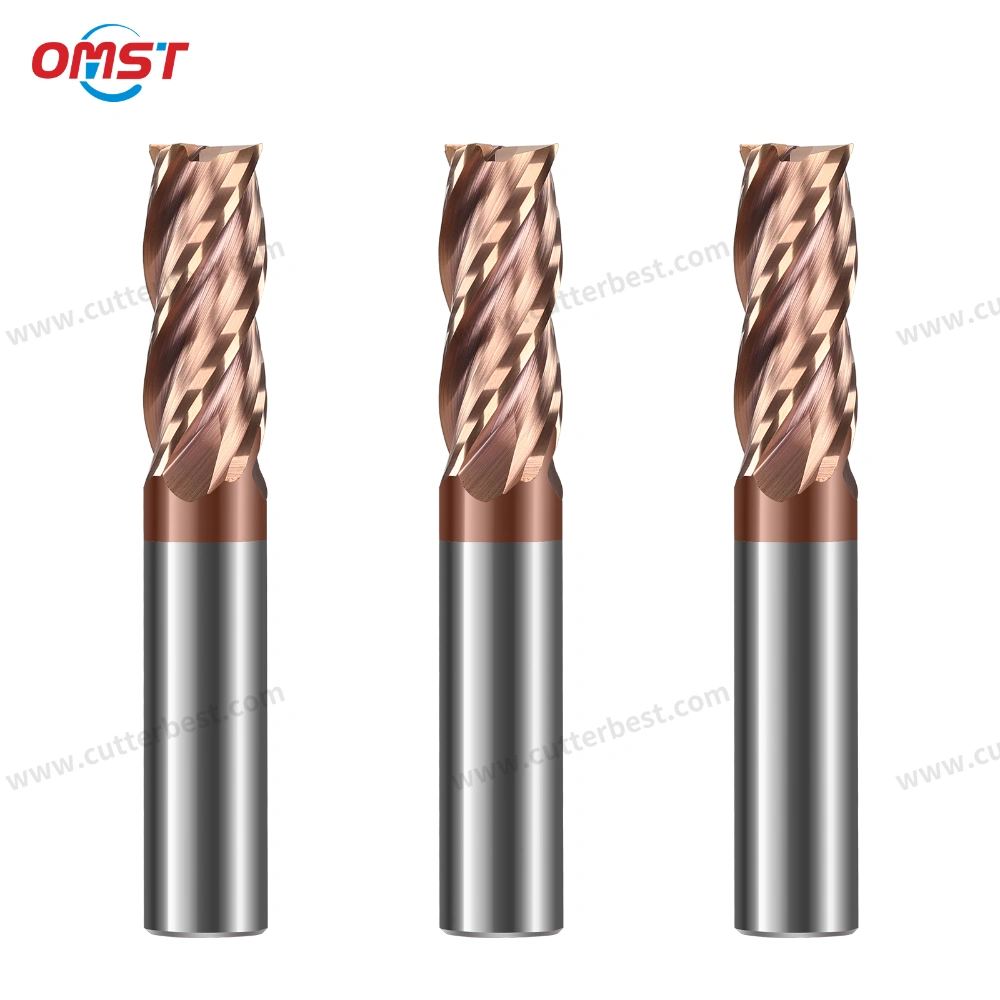
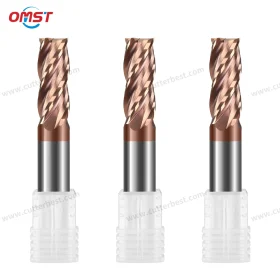
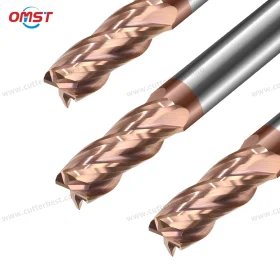
Schruppfräser entfernen Material vor dem Vorschlichten oder Schlichten. Ihre gezahnten Schneidkanten teilen die Späne in kleinere Abschnitte, Dies verbessert die Spankontrolle und verringert den Schnittwiderstand bei geeigneten Grobbearbeitungsvorgängen.
Der Werkzeugname allein sagt nicht aus, ob ein Fräser eine gute Leistung erbringt. Die richtige Ausführung hängt auch vom Werkstückmaterial ab, Härte, Bearbeitungszugabe, Fräserdurchmesser, Flötenlänge, Steifigkeit der Maschine, Werkzeugüberhang, Zustand des Halters, und Schnittstrategie.
Unser Standardangebot konzentriert sich auf Vollhartmetall-Schruppfräser für die CNC-Bearbeitung. Für ausgewählte konventionelle Maschinen sind auch HSS- und Kobalt-HSS-Optionen erhältlich, größere Fräsergrößen, geringere Schnittgeschwindigkeiten, oder spezielle Kundenwünsche.
Warum einen gezahnten Schruppfräser verwenden??
Verbesserte Spankontrolle
Eine glatte Schneidkante kann bei starker Zerspanung zu langen oder durchgehenden Spänen führen. Im Vergleich, Eine gezahnte Kante teilt den Span entlang der Nut und erzeugt kleinere Spanabschnitte.
Diese Spanbrechwirkung reduziert die Spanansammlung in Taschen und Schlitzen. Es verringert auch das Risiko eines Nachschneidens bei der Nutgestaltung, Kühlmittelmethode, und Werkzeugweg stimmen mit der Operation überein.
Effiziente Materialentfernung
Schruppfräser dienen eher zum Entfernen von Bearbeitungszugabe als zur Herstellung der endgültigen Oberfläche.
Sie werden üblicherweise vor einem Halbschlicht- oder Endbearbeitungsdurchgang in Formhohlräumen verwendet, Taschen, Slots, Seitenwände, Schmiedeteile, Gussteile, und allgemeine CNC-bearbeitete Teile.
Geringerer Schnittwiderstand
Die unterbrochene gezahnte Kante greift nicht wie eine durchgehende Schlichtkante in das Werkstück ein. Infolge, Die Schnittlast lässt sich bei geeigneten Schruppoperationen besser bewältigen.
Die tatsächliche Leistung hängt von der Maschine ab, Halter, Schnitttiefe, radialer Eingriff, Werkzeugüberhang, Kühlmittelzustand, und Werkstückmaterial.
Flexibles Werkzeugdesign
Unterschiedliche Bearbeitungsbedingungen erfordern unterschiedliche Nutzahlen, gezackte Stellplätze, Hartmetallsorten, Beschichtungen, und Werkzeuglängen.
Die Auswahl eines Schruppfräsers nur nach Durchmesser kann zu einer schlechten Spanabfuhr führen, Vibration, Kantenschäden, oder instabile Standzeit. Wir empfehlen, den vollständigen Bearbeitungszustand zu überprüfen, bevor Sie die endgültige Spezifikation bestätigen.
Verfügbare Schrupp-Schaftfräser-Optionen
Vollhartmetall-Schruppfräser
Vollhartmetall ist die primäre Option für die moderne CNC-Bearbeitung. Es bietet eine gute Steifigkeit, Verschleißfestigkeit, und Schnittstabilität, wenn die Werkzeuggeometrie zum Werkstück und zum Betrieb passt.
Für allgemeinen Stahl stehen verschiedene Hartmetallsorten zur Verfügung, Edelstahl, Gusseisen, Titanlegierungen, und ausgewählte Hartstoffanwendungen.
HSS-Schruppfräser
HSS M2, M35, und M42-Schruppfräser sind auf Anfrage erhältlich.
Diese Werkzeuge können für herkömmliche Maschinen verwendet werden, geringere Schnittgeschwindigkeiten, größere Fräsergrößen, Schnitt unterbrochen, oder Anwendungen, die eine höhere Werkzeugfestigkeit erfordern. Sie sind nicht die Hauptoption für die Hochgeschwindigkeits-CNC-Bearbeitung, Sie bleiben jedoch unter bestimmten Bedingungen nützlich.
Schruppfräser mit grober Teilung
Fräser mit grober Teilung haben einen größeren Abstand zwischen den gezahnten Zähnen. daher, Sie bieten mehr Spanraum und eignen sich im Allgemeinen für weiche oder spanende Materialien.
Sie werden oft für Aluminium in Betracht gezogen, Kupfer, weicher Kohlenstoffstahl, und andere Anwendungen, bei denen die Spanabfuhr ein großes Problem darstellt.
Schruppfräser mit feiner Teilung
Fräser mit feiner Zahnteilung haben enger beieinander liegende gezahnte Zähne. Sie sorgen normalerweise für einen sanfteren Eingriff und einen stabileren Materialabtrag.
Sie eignen sich üblicherweise für Kohlenstoffstahl, legierter Stahl, Edelstahl, Gusseisen, Titanlegierungen, und ausgewählte Anwendungen aus gehärtetem Stahl.
Die Steigung muss noch zum Fräserdurchmesser passen, Bearbeitungszugabe, Betrieb, und Maschinensteifigkeit.
Mehrere Flötenoptionen
Wir können produzieren 2-, 3-, 4-, 5-, und 6-schneidige Schruppkonstruktionen. Jedoch, Nicht jede Nutanzahl passt zu jedem Fräserdurchmesser oder Werkstückmaterial.
Weniger Spannuten bieten normalerweise mehr Spanraum. Im Gegensatz, Mehr Spannuten sorgen für zusätzliche Schneidkanten und können unter geeigneten Bedingungen die Stabilität verbessern.
Eine 4-Schneiden-Konstruktion ist eine gängige Wahl für die allgemeine Stahlschruppbearbeitung, aber es sollte nicht als universelle Lösung betrachtet werden.
So wählen Sie Schruppfräser aus
Beginnen Sie mit dem Werkstückmaterial
Die Güte und Härte des Werkstücks beeinflussen die Hartmetallsorte, Flötenzahl, gezahnte Tonhöhe, Beschichtung, Kantenvorbereitung, und Schnittstrategie.
Zum Beispiel, Aluminium benötigt scharfe Kanten und ausreichend Spanraum. Edelstahl erfordert Wärmekontrolle und stabiles Schneiden. Gusseisen braucht Verschleißfestigkeit, während Titanlegierungen eine sorgfältige Kontrolle der Schneidwärme und des Werkzeugeingriffs erfordern.
Bestätigen Sie den Bearbeitungsvorgang
Taschenschruppen, Schlitzschruppen, Seitenfräsen, Formschruppen, Vollnutschneiden, und Trochoidenfräsen führen zu unterschiedlichen Belastungen des Werkzeugs.
Ein Fräser, der sich gut zum seitlichen Schruppen eignet, ist möglicherweise nicht die beste Option für einen tiefen Schlitz über die gesamte Breite. daher, Bestätigen Sie den Vorgang und den Werkzeugweg, bevor Sie die Werkzeuggeometrie auswählen.
Überprüfen Sie die Steifigkeit von Maschine und Halter
Großer Werkzeugüberhang, schwache Klemmung, Spindelrundlauf, unzureichende Maschinenleistung, und eine instabile Werkstückhalterung kann Vibrationen verursachen, Kantenabplatzer, oder vorzeitiger Werkzeugausfall.
Verwenden Sie nach Möglichkeit die kürzeste praktische Fräser- und Nutenlänge. Auch bei starker Zerspanung sind ein stabiler Halter und eine stabile Werkstückaufspannung wichtig.
Passen Sie die Anzahl der Nuten an den Spanraum an
Ein Werkzeug mit zu vielen Spannuten bietet möglicherweise nicht genügend Spanraum für weiches oder anhaftendes Material. Auf der anderen Seite, Zu wenige Spannuten können bei manchen Stahlanwendungen die Schnittstabilität beeinträchtigen.
Die endgültige Anzahl der Flöten sollte zum Material passen, Fräserdurchmesser, radialer Eingriff, Schnitttiefe, Werkzeugweg, und Kühlmittelmethode.
Wählen Sie die Beschichtung nach Material aus
Die Beschichtung sollte dem Werkstückmaterial und der Schnitttemperatur standhalten. Es sollte nicht nur nach Aussehen oder Preis ausgewählt werden.
Bei der Auswahl der Beschichtung muss auch der Kühlmittelverbrauch berücksichtigt werden, Schnittgeschwindigkeit, Maschinenstabilität, und das erforderliche Gleichgewicht zwischen Kantenschärfe und Verschleißfestigkeit.
Leitfaden zur Materialauswahl
Die folgenden Empfehlungen bieten einen allgemeinen Ausgangspunkt. Die letzte Flötenzählung, Tonhöhe, Beschichtung, Hartmetallsorte, und Werkzeugabmessungen sollten mit der tatsächlichen Materialsorte übereinstimmen, Härte, Fräserdurchmesser, Maschine, und Bearbeitungsvorgang.
| Werkstückmaterial | Gemeinsame Werkzeugrichtung | Auswahlnotizen |
|---|---|---|
| Kohlenstoffstahl und legierter Stahl | 4-Flöte, Hartmetallfräser mit feiner Teilung; TiAlN oder AlTiN | Passen Sie Hartmetallsorte und Beschichtung an die Härte an, Lagerzuschlag, Schneidhitze, und Maschinenleistung. |
| Edelstahl | Hartmetallfräser mit feiner Teilung; AlTiN oder TiSiN | Kontrollieren Sie die Hitze, Reduzieren Sie unnötigen Werkzeugüberhang, und sorgen für eine stabile Spanabfuhr. |
| Gusseisen | Hartmetallfräser mit feiner Teilung; TiAlN oder ausgewählte unbeschichtete Ausführung | Priorisieren Sie Kantenfestigkeit und Verschleißfestigkeit, da Gusseisen abrasiv sein kann. |
| Aluminium- und Kupferlegierungen | 2- oder 3-flötig, grober Fräser; DLC oder unbeschichtet | Verwenden Sie scharfe Schneidkanten und ausreichend Spanraum, um die Spananhaftung und das Nachschneiden zu reduzieren. |
| Titanlegierungen | Anwendungsspezifischer Hartmetallfräser mit feiner Zahnteilung; AlTiN oder TiSiN | Kontrollieren Sie den radialen Eingriff, Schneidhitze, Kühlmittelzufuhr, und Werkzeugüberhang. |
| Gehärteter Stahl | Kundenspezifischer Hartmetallfräser mit feiner Teilung; AlTiN oder TiSiN | Ausgewählte Anwendungen bis ca. HRC 60 erfordern einen starren Maschinenaufbau, kurzer Überhang, und kontrollierter Materialabtrag. |
Bei diesen Anweisungen handelt es sich nicht um feste Regeln. Die endgültige Werkzeugauswahl sollte auf den vollständigen Bearbeitungsbedingungen basieren.
Beschichtungsoptionen
TiAlN
TiAlN wird üblicherweise für Kohlenstoffstahl in Betracht gezogen, legierter Stahl, und ausgewählte Gusseisenanwendungen. Es bietet ein praktisches Gleichgewicht zwischen Hitzebeständigkeit und Verschleißfestigkeit für die allgemeine Grobbearbeitung.
Altin
AlTiN bietet eine gute Hitze- und Oxidationsbeständigkeit. Es kann für Stahl geeignet sein, Edelstahl, und ausgewählte Hartstoffanwendungen.
TiSiN
TiSiN eignet sich für das Hochtemperaturschneiden und schwierige Materialien wie Edelstahl und Titanlegierungen.
DLC
DLC bietet geringe Reibung und trägt dazu bei, die Materialanhaftung bei der Bearbeitung von Aluminium zu reduzieren, Kupfer, und andere Nichteisenmaterialien.
Für abrasive Aluminiumgusslegierungen mit hohem Siliziumgehalt, wie ausgewählte A380- oder ADC12-Anwendungen, Eine DLC- oder eine andere anwendungsspezifische Beschichtung kann die Verschleißfestigkeit verbessern.
Unbeschichtet
Ein unbeschichteter Fräser behält eine scharfe Schneidkante und eignet sich häufig für gängige Knetaluminiumsorten wie z 6061 Und 7075.
Die genaue Auswahl hängt von der Legierung ab, Kühlmittelmethode, Fräsergeometrie, und Schnittbedingungen.
Zinn
TiN ist hauptsächlich für ausgewählte HSS-Schruppfräser und konventionelle Bearbeitungsanforderungen verfügbar. Normalerweise ist es nicht die erste Wahl für die Beschichtung moderner Vollhartmetall-Schruppwerkzeuge.
Wenn ein Schruppfräser möglicherweise nicht die beste Wahl ist
Ein gezahnter Schruppfräser ist nicht für jede Bearbeitung geeignet.
In diesem Fall ist es möglicherweise nicht die beste Wahl:
- Das Teil hat nur noch einen geringen Restbestand.
- Der Vorgang erfordert die endgültige Oberflächenbeschaffenheit und Maßtoleranz.
- Das Bauteil hat sehr dünne oder flexible Wände.
- Der Maschine oder dem Halter fehlt die ausreichende Steifigkeit.
- Das Werkzeug erfordert einen übermäßigen Überhang.
- Die Materialhärte oder der Bearbeitungszustand übersteigt die Werkzeugkonstruktion.
Für sehr große Fräserdurchmesser, hoher Zerspanungsbedarf, oder leistungsstarke Bearbeitungszentren, Ein Wendeplattenfräser kann eine wirtschaftlichere Lösung darstellen.
In anderen Fällen, ein Standard-Schaftfräser, Endfräser, oder eine andere Bearbeitungsstrategie kann ein besseres Ergebnis liefern.
Häufige Auswahl- und Bearbeitungsfehler
Verwendung eines Schruppfräsers für die Endbearbeitung
Eine gezahnte Schneidkante hinterlässt normalerweise eine rauere Oberfläche als eine glatte Endbearbeitungskante.
Verwenden Sie den Schruppfräser, um den größten Teil des Materials zu entfernen. Lassen Sie dann eine kontrollierte Menge Material für den letzten Endbearbeitungsdurchgang übrig.
Die falsche Beschichtung für Aluminium wählen
Eine für Stahl vorgesehene Beschichtung kann bei der Bearbeitung von Aluminium die Materialhaftung erhöhen.
Unbeschichtete oder DLC-beschichtete Oberflächen sind häufig besser geeignet, da sie scharfe Schnittkanten und eine geringere Reibung ermöglichen. Die endgültige Wahl hängt von der Aluminiumsorte und dem Zustand des Kühlmittels ab.
Verwendung eines übermäßigen Werkzeugüberhangs
Ein langer Überhang verringert die Steifigkeit des Werkzeugs und erhöht das Risiko von Vibrationen.
Verwenden Sie die kürzeste praktische Nutlänge, Halslänge, und Gesamtlänge. Wenn ein tiefer Hohlraum ein langes Werkzeug erfordert, Passen Sie die Fräsergeometrie und die Schnittstrategie entsprechend an.
Spanabfuhr ignorieren
Eine schlechte Spanabfuhr kann zum Nachschneiden der Späne führen, Hitzestau, Kantenschäden, und instabiles Schneiden.
Flötenzählung, gezahnte Tonhöhe, Kühlmittel, Luftstoß, Werkzeugweg, und Taschentiefe sollten zusammen betrachtet werden.
Auswahl nur nach Fräserdurchmesser
Zwei Fräser mit demselben Durchmesser können aufgrund der Anzahl ihrer Spannuten sehr unterschiedliche Leistungen erbringen, Tonhöhe, Hartmetallsorte, Beschichtung, Länge, Kantenvorbereitung, und Schaftdesign.
Für eine korrekte Empfehlung ist mehr als nur der Fräserdurchmesser erforderlich.
Spezifikationsoptionen
Die folgenden Spezifikationen beschreiben unsere allgemeine Fertigungskapazität. Nicht jede Kombination gilt für jeden Werkzeugdurchmesser oder jede Bearbeitungsbedingung.
| Spezifikation | Verfügbare Optionen |
|---|---|
| Produktname | Hartmetall-Schruppfräser |
| Innovativ, auf dem neuesten Stand | Welle gezahnt / Spanbrechende Kante |
| Primäres Werkzeugmaterial | Vollhartmetall |
| Optionales Werkzeugmaterial | HSS M2, M35, oder M42 |
| Flötenzählung | 2, 3, 4, 5, oder 6 Flöten |
| Pitch-Optionen | Grobe Tonhöhe, Feine Tonhöhe, oder benutzerdefiniertes gezahntes Profil |
| Typischer Fräserdurchmesser | 2–32 mm |
| Typische Flötenlänge | 4–120 mm |
| Typische Gesamtlänge | 50–200 mm |
| Schaftoptionen | Standardmäßiger metrischer Zylinderschaft oder kundenspezifischer Schaft |
| Größensystem | Metrisch; Zoll- und Sondergrößen auf Anfrage erhältlich |
| Längenoptionen | Standard, Große Reichweite, Langer Hals, oder verlängerte Gesamtlänge |
| Werkstückmaterialien | Stahl, Edelstahl, Gusseisen, Aluminium, Kupfer, Titanlegierungen, und ausgewählter gehärteter Stahl |
| Werkstückhärte | Im Allgemeinen bis zu etwa HRC 60, Abhängig von der Anwendung |
| Beschichtungsoptionen | TiAlN, Altin, TiSiN, DLC, Zinn, oder unbeschichtet |
| Auftragsart | Standard, Probe, Charge, oder kundenspezifische Produktion |
Die endgültige herstellbare Spezifikation hängt vom Fräserdurchmesser ab, Flötenzahl, Tonhöhe, Werkzeugmaterial, Beschichtung, Länge, Toleranz, Menge, und Bearbeitungsanwendung.
Kundenspezifische Schruppfräser
Ein Standard-Katalogtool passt möglicherweise nicht für jedes Teil, Maschine, oder Schneidvorgang. Wir können Schruppfräser nach Zeichnung individuell anfertigen, Probe, vorhandenes Werkzeug, oder Bearbeitungsanforderung.
Benutzerdefinierte Optionen können Folgendes umfassen::
- Nicht standardmäßiger Fräserdurchmesser
- Kundenspezifische Flötenlänge und Gesamtlänge
- Ausführungen mit großer Reichweite und langem Hals
- Benutzerdefinierter Schaftdurchmesser und Toleranz
- 5- oder 6-schneidige Sonderanfertigungen
- Grob-, Bußgeld-, oder gezahnte Kanten mit individueller Teilung
- Spezielle spanbrechende Nutgeometrie
- Vollhartmetall, ultrafeinkörniges Hartmetall, HSS, oder Kobalt-HSS
- Anwendungsspezifische Beschichtung
- Anforderungen an Durchmesser- und Schafttoleranzen
- Lasermarkierung, Kundenmodell, Logo, und Verpackung
Bitte geben Sie vor der Produktion den vollständigen Bearbeitungszustand an. Dadurch können wir die Werkzeugstruktur als Gesamtlösung betrachten, anstatt jeden Parameter einzeln zu behandeln.
Schrupp-Schaftfräser vs. Schlicht-Schaftfräser
Schrupp- und Schlichtfräser bedienen unterschiedliche Stufen des Bearbeitungsprozesses. Ein Schruppfräser entfernt den größten Teil des Materials, während ein Schlichtfräser die endgültige Oberfläche und die endgültigen Abmessungen erzeugt.
| Vergleichsartikel | Schruppfräser | Endfräser fertigstellen |
|---|---|---|
| Hauptzweck | Schneller Materialabtrag | Endgültige Oberflächen- und Maßkontrolle |
| Innovativ, auf dem neuesten Stand | Gezahnte oder wellenförmige Spanbrecherkante | Glatte, durchgehende Schnittkante |
| Chipkontrolle | Zerteilt Späne in kleinere Abschnitte | Produziert normalerweise mehr kontinuierliche Späne |
| Schnittlast | Geeignet für stärkere Zerspanung | Geeignet für leichtere Endschnitte |
| Oberflächenergebnis | Hinterlässt eine rauere Oberfläche und eine rauere Bearbeitungszugabe | Erzeugt eine glattere Endoberfläche |
| Allgemeine Anwendungen | Tasche, Slot, Seite, Schimmel, und allgemeines Schruppen | Profilierung, endgültige Dimensionierung, Wandveredelung, und Oberflächenveredelung |
In einem typischen CNC-Prozess, Der Schruppfräser entfernt zunächst den Großteil des Materials. Anschließend trägt der Schlichtfräser das verbleibende Aufmaß ab und erzeugt die erforderliche Oberflächengüte und Maßhaltigkeit.
Wenn der nächste Bearbeitungsschritt eine glattere Oberfläche erfordert, endgültiges Profil, oder Dimensionskontrolle, Überprüfen Sie unsere Lösungen für Vollhartmetall-Schaftfräser.
FAQ zum Schruppen von Schaftfräsern
Wozu dient ein Schruppfräser??
Ein Schruppfräser entfernt eine große Menge Material vor dem Vorschlichten oder Schlichten. Seine gezahnte Schneidkante hilft, Späne zu brechen und den Schnittwiderstand bei der Grobbearbeitung zu kontrollieren.
Kann ein Schruppfräser zum Schlichten verwendet werden??
Es kann einen Schneiddurchgang machen, Für die abschließende Endbearbeitung wird dies jedoch im Allgemeinen nicht empfohlen. Die gezahnte Kante hinterlässt normalerweise eine rauere Oberfläche als ein glatter Schlichtfräser.
Welcher Schruppfräser eignet sich für Aluminium??
Ein Cutter mit scharfen Kanten, ausreichend Spanraum, weniger Flöten, und ein grob gezahntes Profil eignet sich oft für Aluminium. Je nach Aluminiumsorte und Kühlmittelzustand kann auch eine unbeschichtete oder DLC-beschichtete Ausführung gewählt werden.
Was ist der Unterschied zwischen Grobton und Feinton??
Eine grobe Teilung sorgt für mehr Platz zwischen den gezahnten Zähnen und unterstützt in der Regel die Spanabfuhr bei weichen oder klebenden Materialien.
Eine feine Steigung sorgt für mehr Schneidkontakte und sorgt normalerweise für einen sanfteren Eingriff in Stahl, Edelstahl, Gusseisen, und ähnliche Materialien.
Kann gehärteten Stahl mit Schruppfräsern bearbeiten?
Ausgewählte kundenspezifische Hartmetallfräser können für Anwendungen in gehärtetem Stahl bis zu etwa HRC verwendet werden 60.
Bewerbungen zwischen HRC 55 und HRC 60 erfordern normalerweise einen stabilen Aufbau, begrenzter radialer Eingriff, geeignetes Hartmetall und Beschichtung, und eine kontrollierte Bearbeitungsstrategie. Dies ist keine Allzwecklösung für jedes HRC 60 Werkstück.
Wie kann ich Vibrationen beim Schruppfräsen reduzieren??
Verwenden Sie das kürzeste praktische Werkzeug, Reduzieren Sie unnötige Überhänge, Überprüfen Sie den Rundlauf des Halters, Werkstückspannung verbessern, Wählen Sie eine geeignete Tonhöhe und Flötenanzahl, und stellen Sie den Schneideingriff ein.
Was ist der Unterschied zwischen einem Schruppfräser und einem Schweinefräser??
Ein Schweinefräser ist ein anderer gebräuchlicher Name für einen Schruppfräser mit gezahnten oder spanbrechenden Schneidkanten.
Jedoch, das exakte Zahnprofil, Flötenzahl, Tonhöhe, und die beabsichtigte Anwendung kann je nach Hersteller variieren.
Können Schruppfräser zum Trochoidenfräsen verwendet werden??
Ja. Ausgewählte Schruppfräser können für trochoidale oder adaptive Werkzeugwege verwendet werden.
Die Fräsergeometrie, radialer Eingriff, Schnitttiefe, Steifigkeit der Maschine, Spanabfuhrverfahren müssen zum Einsatzzweck passen.
Liefern Sie Zollgrößen??
Ja. Metrische Größen sind die Standardoption, Zoll- und andere nicht standardmäßige Größen können gemäß der Zeichnung oder den erforderlichen Abmessungen hergestellt werden.
Welche Informationen werden für die Werkzeugauswahl benötigt??
Bitte geben Sie die Materialgüte und Härte an, Bearbeitungsvorgang, Fräsergröße, Schnitttiefe, Maschinentyp, Inhaberinformationen, Zeichnung oder Probe, und benötigte Menge.
Können Sie nach Zeichnung fertigen??
Ja. Wir können 2D-Zeichnungen überprüfen, 3D-Modelle, Proben, Fotos, oder vorhandene Werkzeugspezifikationen, bevor Sie die Produktion bestätigen.
Senden Sie Ihre Anforderung zum Schruppfräsen
Benötigen Sie einen Schruppfräser für die Taschenbearbeitung, Formschruppen, Schlitzschneiden, Seitenfräsen, oder eine andere Entspanungsoperation? Bitte senden Sie uns Ihr Werkstückmaterial und Ihre Härte per E-Mail zu, Bearbeitungsvorgang, erforderliche Werkzeugabmessungen, Maschinen- und Halterinformationen, Zeichnung oder Probe, und Bestellmenge an sales@cutterbest.com. Wir prüfen Ihre Anwendung und empfehlen Ihnen einen geeigneten Standard- oder kundenspezifischen Schruppfräser.
Verwandte Produkte und Ressourcen
Entdecken Sie unsere Schaftfräser-Fräser zum allgemeinen Schlitzen, Profilierung, und Taschenfräsanwendungen.
Der 4 Schaftfräser mit Nut ist eine übliche Option für Stahl, Edelstahl, und allgemeines CNC-Fräsen.
Benötigen Sie Vollhartmetall- oder kundenspezifische Fräswerkzeugkonstruktionen?? Sehen Sie sich unsere an Hartmetall-Schaftfräser.
Erfahren Sie mehr über gängige Fräserstrukturen und Anwendungen in unserem Leitfaden für Fräsertypen.