 Fresas de precisión,Herramientas de corte para el mecanizado CNC de todos los materiales

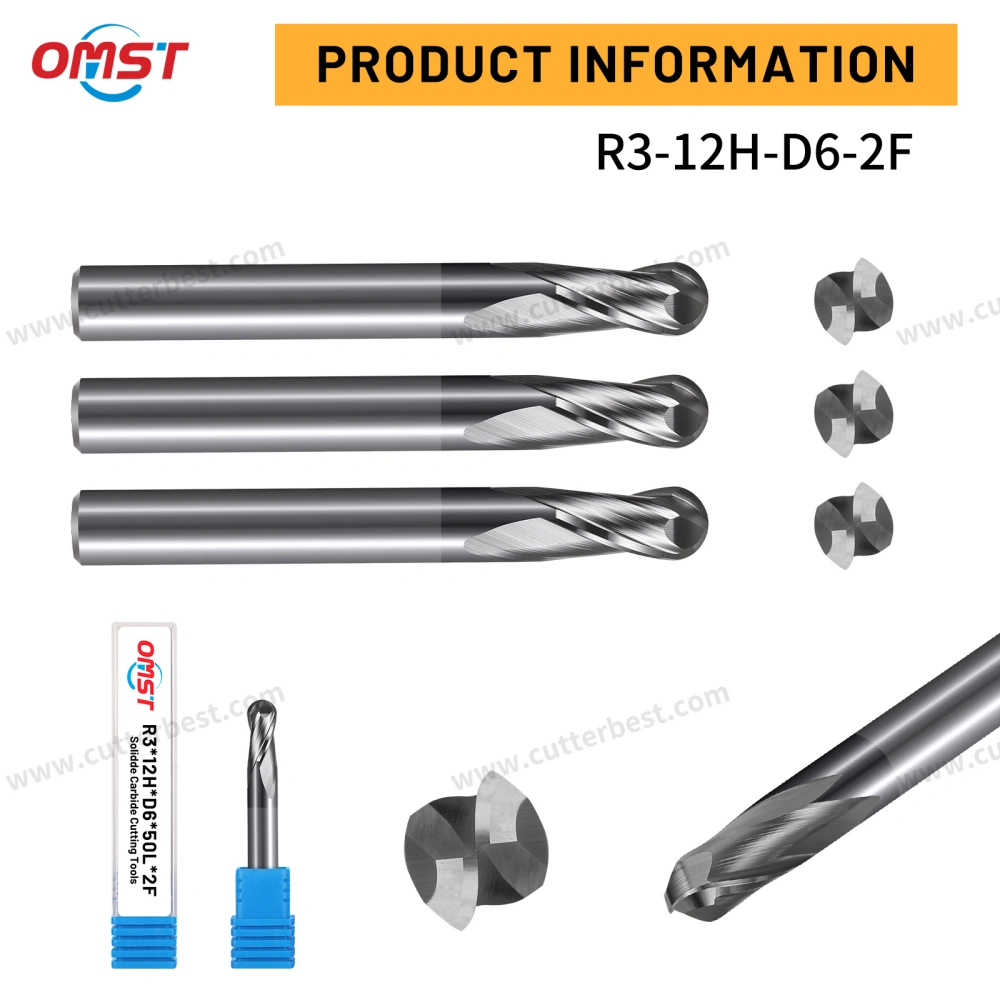
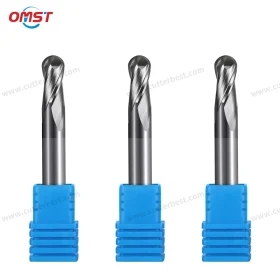
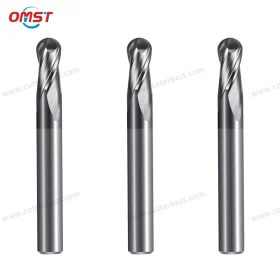
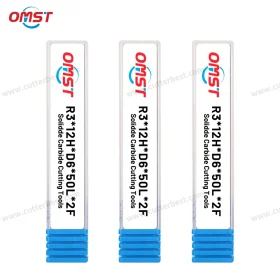
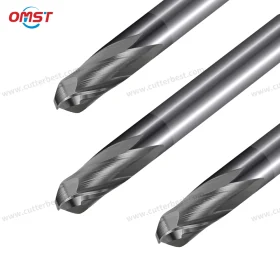
Las fresas de punta esférica de carburo tienen extremos de corte completamente redondeados que siguen superficies curvas y trayectorias de herramientas CNC complejas.. Esta geometría los hace adecuados para contorneado 3D., acabado de la cavidad del molde, mecanizado de troqueles, perfiles esculpidos, y acabado superficial de precisión.
CutterBest fabrica cortadores de carburo estándar y personalizados para talleres de mecanizado CNC, fabricantes de moldes, usuarios industriales, y distribuidores de herramientas de corte. Los clientes pueden seleccionar diferentes diámetros., flauta cuenta, longitudes de corte, longitudes del cuello, grados de carburo, y recubrimientos según el material de la pieza y las condiciones de mecanizado.
¿Qué es una fresa de punta esférica??
Una fresa de punta esférica es una herramienta de fresado rotativa con un extremo de corte semiesférico.. A diferencia de una fresa de extremo plano, no produce un perfil de corte de fondo completamente plano. En cambio, el extremo redondeado se mueve suavemente a través de superficies curvas y ayuda a crear transiciones graduales entre diferentes contornos.
Los maquinistas suelen utilizar esta herramienta después del mecanizado en desbaste para terminar moldes., muere, caries, radios, y piezas tridimensionales. La geometría de corte y la trayectoria de herramienta correctas también pueden reducir las marcas visibles de la herramienta y disminuir la cantidad de pulido secundario requerido..
Para ranuras de fondo plano, bolsillos, pasos, y hombros cuadrados, por favor vea nuestro molino de extremo plano producto.
Para una comparación lado a lado de la geometría de corte, resultados de mecanizado, y aplicaciones adecuadas, lee nuestro fresa de punta esférica versus guía de fresa de punta plana.
Características clave
Extremo de corte de radio completo
El extremo de corte redondeado sigue superficies curvas y de forma libre con mayor suavidad que un cortador de fondo plano.. Por lo tanto, se adapta bien a perfiles complejos, cavidades del molde, radios, y acabado detallado en 3D.
Para un diseño estándar con extremo esférico, El radio de la punta es normalmente la mitad del diámetro de corte.. Diámetros de corte personalizados, longitudes de flauta, longitudes del cuello, tamaños de mango, y las longitudes totales se pueden evaluar según los dibujos o los requisitos de mecanizado.
Construcción de carburo sólido
Fabricamos estos cortadores de carburo de tungsteno para proporcionar rigidez., resistencia al desgaste, y rendimiento estable durante el fresado CNC.
El grado de carburo apropiado depende del material de la pieza de trabajo., dureza, diámetro de la herramienta, profundidad de corte, y condiciones de mecanizado. Por lo tanto, Los clientes deben proporcionar la información del material y la dureza al solicitar una cotización..
Múltiples opciones de flauta
Podemos fabricar cortadores con 1 a 6 flautas.. Sin embargo, 2-Los diseños de flauta y 4 flautas son los más comunes..
Un diseño de 2 flautas generalmente proporciona más espacio para las virutas y se adapta al aluminio., cobre, grafito, y otras aplicaciones que requieren una evacuación eficiente de virutas. En contraste, un diseño de 4 flautas proporciona más filos de corte y, a menudo, se adapta al acero, materiales del molde, y operaciones de acabado.
Se pueden evaluar otros recuentos de flautas según el diámetro del cortador., material de la pieza de trabajo, objetivo de acabado superficial, y condiciones de mecanizado CNC.
Opciones de recubrimiento
Diferentes materiales de piezas de trabajo requieren diferentes tratamientos y recubrimientos de bordes. Las opciones disponibles incluyen:
- TiAlN
- Altin
- AlCrN
- TiSiN
- Estaño
- contenido descargable
- nanoazul
- Nanorecubrimiento
- Carburo sin recubrimiento
- Recubrimientos personalizados
Para aluminio y otros materiales no ferrosos, Los bordes cortantes afilados y las ranuras pulidas pueden ser más importantes que un recubrimiento convencional.. para acero, acero inoxidable, y materiales endurecidos, un recubrimiento resistente al calor adecuado puede mejorar la resistencia al desgaste y la vida útil de la herramienta.
Tamaños estándar y personalizados
El rango de diámetro de corte estándar es de 1 a 20 mm.. Además, Podemos evaluar diámetros menores o mayores según la estructura del cortador., recuento de flauta, profundidad de mecanizado, y cantidad del pedido.
Los clientes también pueden solicitar una longitud de flauta personalizada., longitud total, diámetro del vástago, longitud del cuello, geometría de largo alcance, grado de carburo, revestimiento, y tolerancias dimensionales.
Aplicaciones de fresas de punta esférica
Estos cortadores se utilizan comúnmente para operaciones de acabado CNC que involucran curvas., tridimensional, o superficies de forma libre.
Las aplicaciones típicas incluyen:
- 3fresado de contorno D
- Acabado de la cavidad del molde
- Mecanizado de matrices y moldes
- Acabado de superficies curvas
- Mecanizado de radios y perfiles.
- Mecanizado de superficies esculpidas
- Producción de moldes para automóviles.
- Acabado de componentes aeroespaciales
- Mecanizado de piezas médicas y de precisión.
- Mecanizado de electrodos de grafito
- Mecanizado de electrodos de cobre
- Grabado CNC y acabado detallado.
Un diámetro más pequeño puede alcanzar cavidades estrechas y detalles finos.. Mientras tanto, un diámetro mayor puede mejorar la eficiencia del mecanizado en superficies curvas más anchas. La selección final debe considerar la forma de la pieza., paso a paso programado, acabado superficial requerido, y rigidez de la máquina.
Para una explicación más detallada de las aplicaciones de mecanizado, leer ¿Para qué se utiliza una fresa de punta esférica?.
Opciones de especificación
| Artículo | Opciones disponibles |
| Nombre del producto | Molino de extremo de punta esférica / Cortador de punta esférica |
| Material de corte | Carburo de tungsteno sólido |
| Diámetro de corte | Estándar de 1 a 20 mm; Se pueden evaluar diámetros más pequeños y más grandes. |
| Extremo de corte | Extremo esférico de radio completo |
| Conteo de flauta | 1–6 flautas; 2-Los diseños de flauta y 4 flautas son los más comunes. |
| Longitud de la flauta | Estándar o personalizado |
| Longitud total | Estándar o personalizado |
| Diámetro del vástago | Vástago recto o personalizado |
| Diseño de cuello | Cuello estándar, cuello aliviado, o diseño de largo alcance |
| Dureza de la pieza de trabajo | Diseños estándar hasta HRC65; Los diseños seleccionados pueden admitir HRC68–70. |
| Capa | TiAlN, Altin, AlCrN, TiSiN, Estaño, contenido descargable, nano, sin recubrir, o personalizado |
| Materiales de la pieza de trabajo | Acero, acero inoxidable, aluminio, cobre, grafito, hierro fundido, molde de acero, y aleaciones |
| Solicitud | 3D contorneado, acabado de moldes, mecanizado de cavidades, superficies curvas, y perfiles de precisión |
| Servicio personalizado | Diámetro, longitud, caña, cuello, recuento de flauta, grado de carburo, revestimiento, tolerancia, y geometría especial |
| Tipo de orden | Órdenes de muestra, producción por lotes, OEM, ODM, y pedidos de distribuidores |
Fresas de punta esférica para diferentes materiales
Aluminio y Materiales No Ferrosos
Al mecanizar aluminio, cobre, y materiales similares, La evacuación eficiente de viruta ayuda a reducir la acumulación de viruta y los bordes reconstruidos..
Bordes cortantes afilados, espacio de flauta más grande, flautas pulidas, y los recubrimientos adecuados pueden mejorar el acabado superficial. Un diseño de 2 o 3 canales puede adaptarse a muchas aplicaciones no ferrosas, dependiendo del diámetro de la fresa y del método de mecanizado.
Acero y Acero Inoxidable
El acero y el acero inoxidable requieren filos de corte estables, grados de carburo adecuados, y revestimientos adecuados.
La longitud de la herramienta y la rigidez de la máquina también son importantes porque un voladizo excesivo puede causar vibración y reducir la calidad de la superficie..
TiAlN, Altin, AlCrN, u otro recubrimiento adecuado se puede seleccionar según el material, dureza, temperatura de corte, y condiciones del refrigerante.
Acero para moldes y materiales endurecidos
Para acero para moldes y materiales endurecidos, el cortador debe proporcionar suficiente resistencia al borde, resistencia al calor, y resistencia al desgaste.
Los diseños de cortador estándar pueden soportar materiales de hasta aproximadamente HRC65. Grados de carburo seleccionados, preparaciones de bordes, y los recubrimientos pueden soportar HRC68–70.
Sin embargo, la viabilidad depende de:
- Material exacto de la pieza
- Diámetro del cortador
- Margen de mecanizado
- Profundidad de corte
- Rigidez de la máquina
- Ruta de herramienta
- Parámetros de corte
Proporcione información completa sobre el mecanizado antes de solicitar herramientas para materiales de alta dureza..
Electrodos de grafito y cobre
El mecanizado de grafito requiere una buena resistencia al desgaste y una geometría de corte estable. En contraste, El mecanizado de electrodos de cobre generalmente requiere bordes cortantes afilados y una superficie de ranura suave..
Podemos recomendar grados de carburo adecuados, revestimientos, y diseños de flauta según el material del electrodo, acabado superficial requerido, y cantidad de producción.
¿Son iguales las fresas de punta esférica y las fresas de molino de bolas??
En aplicaciones de herramientas de corte CNC, “fresa de punta esférica” y “fresa de molino de bolas” generalmente se refieren al mismo tipo de fresa con un extremo de corte completamente redondeado.
“Fresa de punta esférica” es el nombre más formal y ampliamente aceptado que se utiliza en los catálogos de herramientas de corte profesionales.. "Fresa de molino de bolas" es un término más corto utilizado por algunos compradores cuando buscan una fresa con un extremo en forma de bola..
Ambos términos normalmente describen una herramienta utilizada para el fresado de contornos 3D., acabado de la cavidad del molde, mecanizado de superficies curvas, y acabado de perfiles complejos.
Sin embargo, Un molino de bolas no debe confundirse con un molino de bolas utilizado para moler polvos o materiales a granel..
Para obtener más información sobre este nombre de producto alternativo, lee nuestro guía de corte de molino de bolas.
Cómo elegir una fresa de punta esférica
Seleccione el diámetro de corte
El diámetro de corte debe coincidir con el radio de la pieza de trabajo., ancho de la cavidad, tamaño del detalle, y espacio de mecanizado disponible.
Un diámetro más pequeño se adapta a los detalles finos, áreas estrechas, y radios pequeños. Un diámetro mayor puede mejorar la eficiencia del mecanizado en superficies curvas más amplias.
Confirme la longitud de la flauta y la longitud total
Elija una longitud de flauta y una longitud total que alcancen la profundidad de mecanizado requerida sin agregar salientes innecesarios.
Un cortador demasiado largo puede vibrar y producir marcas superficiales visibles.. Para caries profundas, un cuello aliviado o un diseño de largo alcance pueden proporcionar un mejor acceso que una flauta excesivamente larga.
Haga coincidir el diseño de la flauta con el material
El recuento de flautas, hélice, preparación de vanguardia, y el espacio de la viruta debe coincidir con el material y la operación de la pieza de trabajo..
Por ejemplo, El aluminio normalmente requiere una evacuación eficiente de virutas y bordes cortantes afilados.. El acero y los materiales endurecidos generalmente requieren bordes más fuertes., geometría estable, y un revestimiento adecuado.
Elija un revestimiento adecuado
El recubrimiento debe coincidir con la dureza del material., temperatura de corte, condición del refrigerante, y método de mecanizado.
Un recubrimiento o tratamiento de bordes inadecuado puede aumentar la adhesión de las virutas., acortar la vida útil de la herramienta, o reducir la calidad de la superficie.
Comprobar la estabilidad de la máquina y del portaherramientas
Rigidez de la máquina, condición del portaherramientas, agotamiento de la herramienta, y el voladizo del cortador afectan directamente el acabado superficial final.
Por lo tanto, Utilice la longitud de herramienta más corta posible y confirme que la máquina y el soporte puedan soportar la operación de acabado requerida..
Para más información de selección, leer Cómo elegir una fresa de punta esférica.
Si la operación de acabado puede requerir un piso, nariz de bola, nariz de toro, o cortador específico para el material, compara las opciones disponibles en nuestro Soluciones de fresado de acabado para mecanizado CNC.
Fabricación de fresas de punta esférica personalizadas
Es posible que los cortadores estándar no se adapten a todos los moldes, cavidad, radio, o componente CNC especial. Por lo tanto,CutterBest admite la producción de fresas de punta esférica personalizadas según los dibujos, muestras, listas de tallas, y requisitos de mecanizado.
Las opciones personalizadas incluyen:
- Diámetros de corte no estándar
- Longitudes de flauta personalizadas
- Longitudes totales personalizadas
- Diámetros de mango personalizados
- Diseños de cuello aliviado y de largo alcance.
- 1–6 configuraciones de flauta
- Grados de carburo especiales
- Filos de corte recubiertos o no recubiertos
- Tolerancias dimensionales personalizadas
- Marcado láser OEM
- Embalaje neutro o de marca privada
Por favor proporcione:
- Material de la pieza de trabajo
- Dureza de la pieza de trabajo
- Diámetro de corte
- longitud de la flauta
- Longitud total
- Diámetro del mango
- recuento de flautas
- Requisito de recubrimiento
- Cantidad
- Tolerancia requerida
Se recomienda un dibujo claro para herramientas no estándar..
Preguntas más frecuentes
¿Para qué se utiliza una fresa de punta esférica??
Los maquinistas lo utilizan para fresado de contornos 3D., acabado de superficies curvas, cavidades del molde, muere, radios, perfiles esculpidos, y acabado CNC de precisión. Su extremo de corte redondeado sigue superficies complejas con mayor suavidad que un cortador de fondo plano..
¿Es lo mismo una fresa de punta esférica que una fresa de molino de bolas??
En aplicaciones de herramientas de corte CNC, Los dos nombres suelen describir la misma herramienta de fresado de punta redondeada.. Sin embargo, "Fresa de punta esférica" es el nombre de producto más formal utilizado en los catálogos de herramientas profesionales..
¿Puede una fresa de punta esférica mecanizar una cavidad de fondo plano??
Puede mecanizar fondos de cavidades curvas., pero no crea eficientemente un perfil de fondo completamente plano. Una fresa de extremo plano suele ser más adecuada para cavidades de fondo plano., tragamonedas, pasos, y hombros.
¿Qué número de flautas debo elegir??
Los diseños de dos y cuatro flautas son los más comunes..
Un cortador de 2 flautas proporciona más espacio para las virutas, mientras que un cortador de 4 flautas proporciona más filos de corte y puede mejorar la estabilidad del acabado.. Se pueden evaluar otros recuentos de flautas según el diámetro del cortador., material de la pieza de trabajo, y condiciones de mecanizado.
¿Pueden fabricar cortadores para materiales HRC68–70??
Grados de carburo seleccionados, revestimientos, y los diseños de cortadores pueden admitir materiales en el rango HRC68–70.
Sin embargo, La viabilidad depende del material exacto de la pieza de trabajo., diámetro del cortador, margen de mecanizado, trayectoria de herramienta, rigidez de la máquina, y parámetros de corte.
¿Puedes personalizar las dimensiones del cortador??
Sí. Podemos personalizar el diámetro de corte., longitud de la flauta, longitud total, diámetro del vástago, longitud del cuello, recuento de flauta, revestimiento, grado de carburo, y tolerancia según planos o requisitos de mecanizado.
¿Qué información necesitas para una cotización??
Por favor proporcione el diámetro de corte., longitud de la flauta, longitud total, diámetro del vástago, recuento de flauta, revestimiento, material de la pieza de trabajo, dureza, cantidad, y lugar de entrega.
Para herramientas no estándar, por favor envíe también un dibujo o muestra.
Envíe su requisito de fresa de punta esférica
Necesita fresas de punta esférica de carburo estándar o personalizadas para el mecanizado de moldes, superficies curvas, o acabado de contornos 3D?
Envíanos tu lista de tallas, dibujo, material de la pieza de trabajo, dureza, requisito de recubrimiento, y cantidad. Nuestro equipo revisará la aplicación y proporcionará una propuesta y cotización de herramienta adecuada..
Envía tus requisitos a sales@cutterbest.com