 Fresas de precisión,Herramientas de corte para el mecanizado CNC de todos los materiales

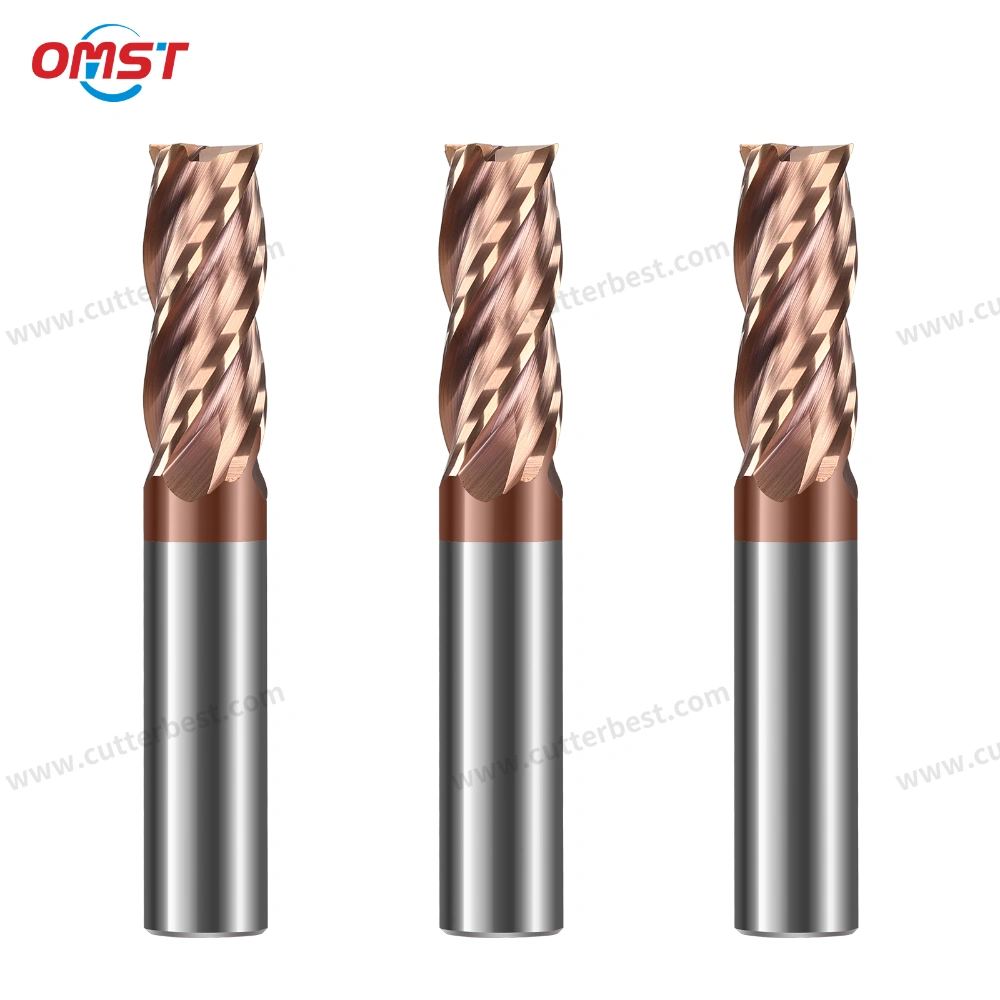
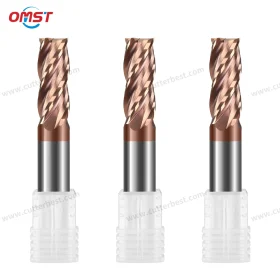
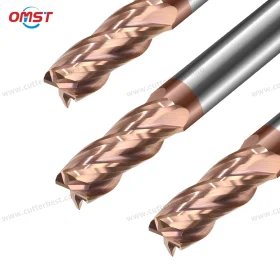
Las fresas de desbaste eliminan el material antes del semiacabado o acabado.. Sus filos dentados dividen las virutas en secciones más pequeñas., lo que mejora el control de viruta y reduce la resistencia al corte durante operaciones de desbaste adecuadas.
El nombre de la herramienta por sí solo no determina si una cortadora funcionará bien. El diseño correcto también depende del material de la pieza., dureza, margen de mecanizado, diámetro del cortador, longitud de la flauta, rigidez de la máquina, saliente de la herramienta, condición del titular, y estrategia de corte.
Nuestra oferta estándar se centra en fresas de desbaste de metal duro integral para mecanizado CNC.. Las opciones HSS y cobalto HSS también están disponibles para máquinas convencionales seleccionadas., tamaños de cortador más grandes, velocidades de corte más bajas, o requisitos especiales del cliente.
¿Por qué utilizar una fresa de desbaste dentada??
Control de viruta mejorado
Un filo de corte liso puede producir virutas largas o continuas durante el corte pesado.. En comparación, un borde dentado divide la viruta a lo largo de la ranura y crea secciones de viruta más pequeñas.
Esta acción de rotura de virutas reduce la acumulación de virutas en bolsillos y ranuras.. También reduce el riesgo de volver a cortar cuando el diseño de la flauta, método de refrigerante, y la trayectoria coinciden con la operación.
Eliminación eficiente de existencias
Las fresas de desbaste están diseñadas para eliminar los márgenes de mecanizado en lugar de producir la superficie final..
Se utilizan comúnmente antes de una pasada de semiacabado o acabado en las cavidades del molde., bolsillos, tragamonedas, paredes laterales, piezas forjadas, componentes fundidos, y piezas mecanizadas CNC en general.
Menor resistencia al corte
El borde dentado interrumpido no se acopla a la pieza de trabajo de la misma manera que un borde de acabado continuo. Como resultado, la carga de corte es más fácil de gestionar en operaciones de desbaste adecuadas.
El rendimiento real depende de la máquina., titular, profundidad de corte, compromiso radial, saliente de la herramienta, condición del refrigerante, y material de la pieza de trabajo.
Diseño de herramientas flexibles
Diferentes condiciones de mecanizado requieren diferentes números de flautas, lanzamientos dentados, grados de carburo, revestimientos, y longitudes de herramientas.
Seleccionar una fresa de desbaste sólo por el diámetro puede provocar una mala evacuación de viruta, vibración, daño en el borde, o vida útil inestable de la herramienta. Recomendamos revisar la condición completa del mecanizado antes de confirmar la especificación final..
Opciones de fresa de desbaste disponibles
Fresas de desbaste de carburo sólido
El carburo sólido es la opción principal para el mecanizado CNC moderno. Proporciona buena rigidez., resistencia al desgaste, y estabilidad de corte cuando la geometría de la herramienta coincide con la pieza de trabajo y la operación.
Hay diferentes grados de carburo disponibles para acero en general., acero inoxidable, hierro fundido, aleaciones de titanio, y aplicaciones seleccionadas de materiales endurecidos.
Fresas de desbaste HSS
HSS M2, M35, y fresas de desbaste M42 disponibles bajo pedido.
Estas herramientas pueden adaptarse a máquinas convencionales., velocidades de corte más bajas, tamaños de cortador más grandes, corte interrumpido, o aplicaciones que requieren mayor dureza de la herramienta. No son la principal opción para el mecanizado CNC de alta velocidad., pero siguen siendo útiles bajo condiciones seleccionadas.
Cortadores de desbaste de paso grueso
Las fresas de paso grueso tienen un espacio más amplio entre los dientes dentados.. Por lo tanto, Proporcionan más espacio para las virutas y generalmente son adecuados para materiales blandos o que forman virutas..
A menudo se consideran para aluminio., cobre, acero al carbono blando, y otras aplicaciones donde la evacuación de virutas es una preocupación importante.
Cortadores de desbaste de paso fino
Las fresas de paso fino tienen dientes dentados más espaciados. Normalmente proporcionan un enganche más suave y una eliminación de material más estable..
Normalmente se adaptan al acero al carbono., acero aleado, acero inoxidable, hierro fundido, aleaciones de titanio, y aplicaciones seleccionadas de acero endurecido.
El paso aún debe coincidir con el diámetro de la fresa., margen de mecanizado, operación, y rigidez de la máquina.
Múltiples opciones de flauta
podemos producir 2-, 3-, 4-, 5-, y diseños de desbaste de 6 flautas. Sin embargo, No todos los números de canales se adaptan a todos los diámetros de fresa o material de pieza de trabajo..
Menos flautas normalmente proporcionan más espacio para las virutas.. En contraste, más flautas proporcionan filos de corte adicionales y pueden mejorar la estabilidad en condiciones adecuadas.
Un diseño de 4 flautas es una opción común para el desbaste de acero en general., pero no debe tratarse como una solución universal.
Cómo elegir fresas de desbaste
Comience con el material de la pieza de trabajo
La calidad y la dureza de la pieza influyen en la calidad del metal duro., recuento de flauta, paso dentado, revestimiento, preparación de bordes, y estrategia de corte.
Por ejemplo, El aluminio necesita bordes afilados y suficiente espacio para las virutas.. El acero inoxidable requiere control del calor y un corte estable. El hierro fundido necesita resistencia al desgaste., mientras que las aleaciones de titanio requieren un control cuidadoso del calor de corte y el acoplamiento de la herramienta.
Confirmar la operación de mecanizado
Desbaste de cajera, desbaste de ranuras, fresado lateral, desbaste del molde, corte de ranura completa, y el fresado trocoidal crean diferentes cargas en la herramienta.
Una fresa que funciona bien para desbaste lateral puede no ser la mejor opción para una ranura profunda de ancho completo. Por lo tanto, Confirme la operación y la trayectoria de la herramienta antes de seleccionar la geometría de la herramienta..
Comprobar la rigidez de la máquina y del soporte
Saliente largo de la herramienta, sujeción débil, descentramiento del husillo, potencia insuficiente de la máquina, y la sujeción inestable puede causar vibraciones., astillado de bordes, o fallo prematuro de la herramienta.
Utilice el cortador y la longitud de flauta más cortos y prácticos siempre que sea posible.. Un soporte rígido y una configuración estable de la pieza de trabajo también son importantes para la eliminación de material pesado..
Haga coincidir el recuento de flautas con el espacio del chip
Una herramienta con demasiadas ranuras puede no proporcionar suficiente espacio para la viruta para un material blando o adhesivo.. Por otro lado, Muy pocas ranuras pueden reducir la estabilidad de corte en algunas aplicaciones de acero..
El recuento final de flautas debe coincidir con el material., diámetro del cortador, compromiso radial, profundidad de corte, trayectoria de herramienta, y método de refrigerante.
Seleccione el revestimiento por material
El recubrimiento debe soportar el material de la pieza de trabajo y la temperatura de corte.. No se debe seleccionar sólo por apariencia o precio..
La selección del recubrimiento también debe considerar el uso de refrigerante., velocidad de corte, estabilidad de la máquina, y el equilibrio necesario entre el filo del borde y la resistencia al desgaste.
Guía de selección de materiales
Las siguientes recomendaciones proporcionan un punto de partida general.. El recuento final de flautas, paso, revestimiento, grado de carburo, y las dimensiones de la herramienta deben coincidir con el grado real del material, dureza, diámetro del cortador, máquina, y operación de mecanizado.
| Material de la pieza de trabajo | Dirección de herramienta común | Notas de selección |
|---|---|---|
| Acero al carbono y acero aleado | 4-flauta, cortador de carburo de paso fino; TiAlN o AlTiN | Haga coincidir el grado de carburo y el recubrimiento con la dureza, asignación de existencias, corte de calor, y potencia de la máquina. |
| Acero inoxidable | Cortador de carburo de paso fino; AlTiN o TiSiN | Controlar el calor, reducir el exceso innecesario de herramientas, y mantener una evacuación de viruta estable. |
| Hierro fundido | Cortador de carburo de paso fino; TiAlN o versión seleccionada sin recubrimiento | Priorice la resistencia de los bordes y la resistencia al desgaste porque el hierro fundido puede ser abrasivo. |
| Aleaciones de Aluminio y Cobre | 2- o 3 flautas, cortador de paso grueso; DLC o sin recubrimiento | Utilice bordes de corte afilados y suficiente espacio para las ranuras para reducir la adhesión de virutas y el recorte.. |
| Aleaciones de titanio | Cortador de carburo de paso fino para aplicaciones específicas; AlTiN o TiSiN | Controlar el compromiso radial, corte de calor, entrega de refrigerante, y saliente de la herramienta. |
| Acero endurecido | Cortador de carburo de paso fino personalizado; AlTiN o TiSiN | Aplicaciones seleccionadas hasta aproximadamente HRC 60 requieren una configuración de máquina rígida, voladizo corto, y desbaste controlado. |
Estas direcciones no son reglas fijas.. La selección final de la herramienta debe basarse en la condición de mecanizado completa..
Opciones de recubrimiento
TiAlN
TiAlN se considera comúnmente para acero al carbono., acero aleado, y aplicaciones seleccionadas de hierro fundido. Proporciona un equilibrio práctico entre resistencia al calor y resistencia al desgaste para mecanizado en desbaste general..
Altin
AlTiN proporciona buena resistencia al calor y a la oxidación.. Puede adaptarse al acero, acero inoxidable, y aplicaciones seleccionadas de materiales endurecidos.
TiSiN
TiSiN puede adaptarse al corte a alta temperatura y a materiales difíciles como acero inoxidable y aleaciones de titanio..
contenido descargable
DLC ofrece baja fricción y ayuda a reducir la adhesión del material al mecanizar aluminio., cobre, y otros materiales no ferrosos.
Para aleaciones abrasivas de fundición de aluminio con alto contenido de silicio, como aplicaciones A380 o ADC12 seleccionadas, un DLC u otro recubrimiento específico de la aplicación puede mejorar la resistencia al desgaste.
Sin recubrimiento
Un cortador sin recubrimiento mantiene un filo afilado y, a menudo, se adapta a grados de aluminio forjado comunes, como 6061 y 7075.
La elección exacta depende de la aleación., método de refrigerante, geometría del cortador, y condiciones de corte.
Estaño
TiN está disponible principalmente para fresas de desbaste HSS seleccionadas y requisitos de mecanizado convencionales.. Normalmente no es la primera opción de recubrimiento para las modernas herramientas de desbaste de carburo sólido..
Cuando una fresa de desbaste puede no ser la mejor opción
Una fresa desbastadora dentada no es adecuada para todas las operaciones.
Puede que no sea la mejor opción cuando:
- A la pieza solo le queda una pequeña cantidad de stock..
- La operación requiere el acabado superficial final y la tolerancia dimensional..
- El componente tiene paredes muy delgadas o flexibles..
- La máquina o el soporte carecen de rigidez suficiente..
- La herramienta requiere un exceso de voladizo..
- La dureza del material o la condición de mecanizado excede el diseño de la herramienta..
Para diámetros de fresa muy grandes, altos requisitos de arranque de material, o potentes centros de mecanizado, una fresa indexable puede proporcionar una solución más económica.
En otros casos, una fresa estándar, fresa de acabado, u otra estrategia de mecanizado puede proporcionar un mejor resultado.
Errores comunes de selección y mecanizado
Uso de una cortadora de desbaste para el acabado final
Un filo dentado normalmente deja una superficie más rugosa que un filo de acabado liso..
Utilice el cortador de desbaste para eliminar la mayor parte del material.. Luego deje una cantidad controlada de material para la pasada final de acabado..
Elegir el revestimiento incorrecto para el aluminio
Un revestimiento destinado al acero puede aumentar la adherencia del material al mecanizar aluminio.
Las superficies sin recubrimiento o recubiertas con DLC suelen ser más adecuadas porque soportan bordes cortantes afilados y menor fricción.. La elección final depende del grado de aluminio y del estado del refrigerante..
Uso excesivo de la herramienta
El voladizo largo reduce la rigidez de la herramienta y aumenta el riesgo de vibración..
Utilice la longitud de flauta más corta y práctica, longitud del cuello, y longitud total. Si una cavidad profunda requiere una herramienta larga, ajuste la geometría del cortador y la estrategia de corte en consecuencia.
Ignorar la evacuación de chips
Una mala evacuación de virutas puede provocar un recorte de virutas, acumulación de calor, daño en el borde, y corte inestable.
recuento de flautas, paso dentado, refrigerante, explosión de aire, trayectoria de herramienta, y la profundidad de la bolsa deben considerarse juntas.
Seleccionar solo por diámetro de cortador
Dos cortadores con el mismo diámetro pueden funcionar de manera muy diferente debido al número de canales, paso, grado de carburo, revestimiento, longitud, preparación de bordes, y diseño de mango.
Una recomendación correcta requiere algo más que el diámetro de la fresa.
Opciones de especificación
Las siguientes especificaciones describen nuestra capacidad de fabricación general.. No todas las combinaciones se aplican a todos los diámetros de herramienta o condiciones de mecanizado..
| Especificación | Opciones disponibles |
|---|---|
| Nombre del producto | Fresas de desbaste de carburo |
| Innovador | Onda dentada / Borde rompevirutas |
| Material de herramienta principal | Carburo sólido |
| Material de herramienta opcional | HSS M2, M35, o M42 |
| Conteo de flauta | 2, 3, 4, 5, o 6 Flautas |
| Opciones de tono | Paso grueso, Paso fino, o perfil dentado personalizado |
| Diámetro típico del cortador | 2–32 milímetros |
| Longitud típica de la flauta | 4–120 milímetros |
| Longitud total típica | 50–200 milímetros |
| Opciones de vástago | Vástago recto métrico estándar o vástago personalizado |
| Sistema de tallas | Métrico; Tamaños en pulgadas y no estándar disponibles a pedido |
| Opciones de longitud | Estándar, Largo alcance, Cuello largo, o longitud total extendida |
| Materiales de la pieza de trabajo | Acero, Acero inoxidable, Hierro fundido, Aluminio, Cobre, Aleaciones de titanio, y acero endurecido seleccionado |
| Dureza de la pieza de trabajo | Comúnmente hasta aproximadamente HRC 60, Dependiendo de la aplicación |
| Opciones de recubrimiento | TiAlN, Altin, TiSiN, contenido descargable, Estaño, o sin recubrimiento |
| Tipo de orden | Estándar, Muestra, Lote, o producción personalizada |
La especificación final fabricable depende del diámetro del cortador., recuento de flauta, paso, material de la herramienta, revestimiento, longitud, tolerancia, cantidad, y aplicación de mecanizado.
Fresas de desbaste personalizadas
Es posible que una herramienta de catálogo estándar no se adapte a todas las piezas, máquina, o proceso de corte. Podemos fabricar fresas de desbaste a medida según plano., muestra, herramienta existente, o requisito de mecanizado.
Las opciones personalizadas pueden incluir:
- Diámetro de corte no estándar
- Longitud de flauta personalizada y longitud total
- Diseños de largo alcance y cuello largo.
- Diámetro y tolerancia del vástago personalizados
- 5- o diseños especiales de 6 flautas
- Grueso-, bien-, o bordes dentados de paso personalizado
- Geometría especial de ranura rompevirutas
- Carburo sólido, carburo de grano ultrafino, HSS, o cobalto HSS
- Recubrimiento específico para cada aplicación
- Requisitos de tolerancia de diámetro y vástago.
- Marcado láser, modelo de cliente, logo, y embalaje
Proporcione las condiciones de mecanizado completas antes de la producción.. Esto nos permite revisar la estructura de la herramienta como una solución completa en lugar de tratar cada parámetro por separado..
Fresa de desbaste versus fresa de acabado
Las fresas de desbaste y acabado sirven para diferentes etapas del proceso de mecanizado.. Una fresa desbastadora elimina la mayor parte del material., mientras que un cortador de acabado produce la superficie y las dimensiones finales.
| Artículo de comparación | Fresa de desbaste | Fresa de acabado |
|---|---|---|
| Propósito principal | Rápida eliminación de material | Control final de superficie y dimensiones. |
| Innovador | Borde rompevirutas dentado u ondulado | Borde de corte continuo y liso |
| Control de virutas | Rompe chips en secciones más pequeñas | Generalmente produce chips más continuos. |
| Carga de corte | Adecuado para un arranque de material más intenso | Adecuado para cortes de acabado más ligeros |
| Resultado de superficie | Deja una superficie más rugosa y un margen de acabado. | Produce una superficie final más suave. |
| Aplicaciones comunes | Bolsillo, ranura, lado, moho, y desbaste general | Perfiles, dimensionamiento final, acabado de pared, y acabado de superficies |
En un proceso CNC típico, La fresa de desbaste elimina primero la mayor parte del material.. Luego, la cortadora de acabado elimina el margen restante y produce la calidad superficial y la precisión dimensional requeridas..
Cuando la siguiente etapa de mecanizado requiere una superficie más lisa, perfil final, o control dimensional, revisa nuestro Soluciones de fresado de acabado de carburo sólido.
Preguntas frecuentes sobre fresas de desbaste
¿Para qué se utiliza una fresa de desbaste??
Una fresa de desbaste elimina una gran cantidad de material antes del semiacabado o acabado.. Su filo dentado ayuda a romper las virutas y controlar la resistencia al corte durante el mecanizado en desbaste..
¿Se puede utilizar una fresa de desbaste para el acabado??
Puede hacer un pase de corte., pero generalmente no se recomienda para la operación de acabado final.. El borde dentado normalmente deja una superficie más rugosa que una fresa de acabado lisa..
¿Qué fresa de desbaste es adecuada para aluminio??
Un cortador con bordes afilados, suficiente espacio para chips, menos flautas, y un perfil dentado de paso grueso suele ser adecuado para el aluminio.. También se puede seleccionar un diseño sin revestimiento o con revestimiento DLC según el grado de aluminio y la condición del refrigerante..
¿Cuál es la diferencia entre tono grueso y tono fino??
El paso grueso proporciona más espacio entre los dientes dentados y normalmente favorece la evacuación de virutas en materiales blandos o adhesivos..
El paso fino proporciona más contactos de corte y normalmente produce un acoplamiento más suave en acero., acero inoxidable, hierro fundido, y materiales similares.
Fresas de desbaste de acero endurecido a máquina?
Se pueden utilizar cortadores de carburo personalizados seleccionados para aplicaciones de acero endurecido de hasta aproximadamente HRC 60.
Aplicaciones entre HRC 55 y CDH 60 normalmente requieren una configuración estable, compromiso radial limitado, carburo y revestimiento adecuados, y una estrategia de mecanizado controlada. Esta no es una solución de uso general para todos los HRC 60 pieza de trabajo.
¿Cómo puedo reducir la vibración durante el fresado en desbaste??
Utilice la herramienta práctica más corta., reducir el voladizo innecesario, descentramiento del porta cheques, mejorar la sujeción de la pieza de trabajo, seleccione un tono y número de flautas adecuados, y ajuste el compromiso de corte.
¿Cuál es la diferencia entre una fresa de desbaste y una fresa de cerdo??
Un molino de cerdo es otro nombre común para un molino de desbaste con bordes cortantes dentados o que rompen virutas..
Sin embargo, el perfil dental exacto, recuento de flauta, paso, y la aplicación prevista puede variar entre fabricantes.
¿Se pueden utilizar fresas de desbaste para fresado trocoidal??
Sí. Las fresas de desbaste seleccionadas se pueden utilizar para trayectorias trocoidales o adaptativas..
La geometría del cortador, compromiso radial, profundidad de corte, rigidez de la máquina, y el método de evacuación de virutas debe adaptarse a la operación.
¿Suministras tamaños en pulgadas??
Sí. Los tamaños métricos son la opción estándar, Mientras que las pulgadas y otros tamaños no estándar se pueden fabricar de acuerdo con el dibujo o las dimensiones requeridas..
¿Qué información se requiere para la selección de herramientas??
Proporcione el grado y la dureza del material., operación de mecanizado, tamaño del cortador, profundidad de corte, tipo de máquina, información del titular, dibujo o muestra, y cantidad requerida.
¿Se puede fabricar según un plano??
Sí. Podemos revisar dibujos 2D., 3modelos D, muestras, fotografías, o especificaciones de herramientas existentes antes de confirmar la producción..
Envíe su requisito de fresa de desbaste
Necesita una fresa desbastadora para el mecanizado de cavidades., desbaste del molde, corte de ranura, fresado lateral, u otra operación de eliminación de existencias? Envíe un correo electrónico con el material y la dureza de su pieza de trabajo., operación de mecanizado, dimensiones requeridas de la herramienta, información de la máquina y del soporte, dibujo o muestra, y cantidad de pedido a sales@cutterbest.com. Revisaremos su aplicación y le recomendaremos una fresa de desbaste estándar o personalizada adecuada..
Productos y recursos relacionados
Explora nuestro Fresa de extremo para ranurado general, Perfiles, y aplicaciones de fresado de cajeras.
El 4 Molino de extremo de flauta es una opción común para el acero, acero inoxidable, y fresado CNC en general.
Necesita carburo sólido o diseños de herramientas de fresado personalizados? Ver nuestro Cortador de fresa de carburo.
Conozca las estructuras y aplicaciones de cortadores comunes en nuestro Guía de tipos de fresas.