 Fraise de précision,Outils de coupe pour l’usinage CNC de chaque matériau



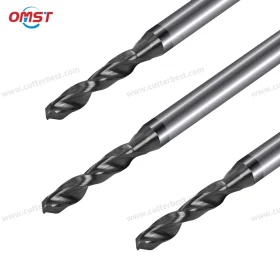
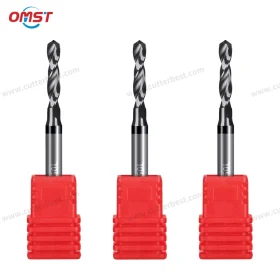

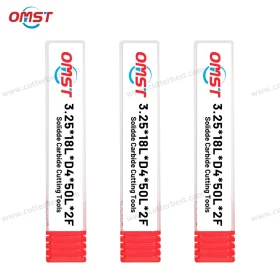
Une fraise en bout en carbure est un outil de coupe rotatif en carbure de tungstène solide. Les arêtes de coupe à l'extrémité et au diamètre extérieur permettent à l'outil d'effectuer des rainurages, fraisage latéral, fraisage de poche, contouring, profilage, ébauche, et opérations de finition.
Le carbure monobloc offre une grande rigidité, résistance à l'usure, et une stabilité de pointe dans des conditions d'usinage adaptées. Par conséquent, les fabricants choisissent souvent ces outils lorsqu'ils ont besoin d'une précision dimensionnelle, performances constantes, qualité de surface fiable, et une production efficace.
Cependant, une seule conception de coupeur ne peut pas convenir à chaque matériau ou à chaque opération. Le bon outil dépend de la qualité de la pièce à usiner, dureté, diamètre de coupe, nombre de flûtes, revêtement, porte-à-faux de l'outil, méthode d'usinage, état du liquide de refroidissement, rigidité de la machine, et paramètres de coupe.
Nous sélectionnons la géométrie de la fraise et la nuance de carbure en fonction du matériau de la pièce à usiner., dureté, évacuation des copeaux, charge de coupe, opération d'usinage, et finition de surface requise. Donc, la structure finale de l'outil doit correspondre à l'application réelle plutôt que de suivre une conception générale pour chaque tâche.
Principaux avantages et options d'outils
Rigidité pour une découpe CNC stable
Le carbure monobloc offre une rigidité supérieure à celle de nombreux matériaux d'outils à usage général. Cette rigidité permet de réduire la déflexion de l'outil et permet une coupe plus stable lors de l'usinage CNC de précision..
Les nuances de carbure à micro-grains peuvent également être sélectionnées en fonction du matériau de la pièce à usiner, dureté, diamètre de coupe, et équilibre requis entre la résistance à l’usure et la résistance des bords.
Cependant, les performances de la fraise dépendent également du rapport longueur/diamètre, précision du support, faux-rond de l'outil, profondeur de coupe, rigidité de la machine, et conditions de coupe.
Options de cannelures pour le contrôle des copeaux et la finition de surface
Le nombre de cannelures affecte l'évacuation des copeaux, force de pointe, capacité d'alimentation, rigidité de l'outil, et finition de surface.
Les outils à deux et trois cannelures offrent plus d'espace pour les copeaux. Donc, ils sont généralement pris en compte lorsque l'évacuation des copeaux est importante, surtout en aluminium, matériaux non ferreux, poches profondes, et opérations de placement.
Les outils à quatre cannelures offrent plus d'arêtes de coupe et sont largement utilisés pour de nombreuses applications en acier. Entre-temps, cinq flûtes, six flûtes, et d'autres conceptions spéciales peuvent supporter une rigidité plus élevée ou des performances de finition améliorées lorsque les conditions d'usinage le permettent.
Pour une explication détaillée du nombre de flûtes, lisez notre guide de sélection des flûtes de fraise en bout.
Des revêtements adaptés aux matériaux et aux conditions de coupe
Un revêtement approprié peut améliorer la résistance à la chaleur, résistance à l'usure, lubricité, et une protection de pointe.
Pour l'aluminium et les matériaux non ferreux, les utilisateurs choisissent généralement non couché, brillant, ou options de revêtement à faible friction. Entre-temps, TiAlN, Or, TiSiN, ou AlCrN peut convenir à l'acier, acier inoxydable, acier moulé, et conditions d'usinage à haute température.
Nous recommandons de sélectionner le revêtement en fonction de la qualité du carbure, géométrie des bords, dureté de la pièce, état du liquide de refroidissement, et opération d'usinage.
Options standard et personnalisées
Les fraises en bout standard en carbure monobloc peuvent répondre à de nombreuses exigences courantes d'usinage CNC. Cependant, certains projets nécessitent un diamètre non standard, longueur de flûte spéciale, longue longueur hors tout, diamètre de tige inhabituel, rayon de coin personnalisé, angle d'hélice spécial, revêtement, ou tolérance dimensionnelle.
Nous pouvons évaluer ces exigences en fonction de votre dessin, échantillon d'outil, matériau de la pièce à usiner, méthode d'usinage, problème d'outil actuel, et quantité commandée.
Profils d'extrémité communs
Fraises à bout plat
Fraises plates, également appelées fraises à bout carré, avoir une extrémité coupante plate et des coins extérieurs pointus. Ils sont couramment utilisés pour les fentes à fond plat, poches, mesures, épaules, parois latérales, profilage, et fraisage CNC général.
Pour plus d'informations sur le produit, voir notre page produit de la fraise à bout plat.
Fraises à bout sphérique
Les fraises à bout sphérique ont une extrémité de coupe arrondie. Ils conviennent au contouring 3D, surfaces courbes, cavités de moule, meurt, et opérations de finition complexes.
Pour les surfaces courbes et l'usinage des cavités de moules, voir notre page produit de la fraise à bout sphérique.
Fraises en bout à nez arrondi et à rayon de coin
Les fraises à nez arrondi combinent une extrémité coupante plate avec des coins extérieurs arrondis. Le rayon du coin offre plus de résistance aux bords qu'un coin carré pointu et peut améliorer la stabilité lors du profilage., semi-finition, et usinage de moules.
Consultez notre page produit de la fraise à nez arrondi.
Fraises d'ébauche
Les fraises d'ébauche utilisent des arêtes de coupe dentelées ou brise-copeaux pour diviser les copeaux en sections plus petites.. Cette conception peut réduire la résistance à la coupe et permettre un enlèvement de matière efficace lorsque l'outil, machine, et les conditions d'usinage sont adaptées.
Pour une comparaison plus large des formes et des applications de fraises, lire types et utilisations de fraises en bout.
Sélection rapide par matériau et opération
Les informations suivantes fournissent des instructions générales de sélection. La sélection finale de l'outil doit être confirmée en fonction de la qualité du matériau, dureté de la pièce, taille de coupe, opération d'usinage, engagement de l'outil, surplomb, et l'état des machines.
Aluminium et matériaux non ferreux
L'usinage de l'aluminium nécessite souvent des arêtes de coupe tranchantes, espace de puce suffisant, et évacuation fluide des copeaux. Donc, les fraises en bout en carbure à deux ou trois cannelures sont généralement considérées.
Flûtes polies, géométrie pointue, et les options de revêtement sans revêtement ou à faible friction peuvent aider à réduire l'accumulation de matériaux. Cependant, le choix final dépend encore de la question de savoir si l'opération implique ou non du rainurage, empocher, fraisage latéral, ébauche, ou finition.
Acier au carbone et acier allié
Les fraises en carbure à quatre cannelures sont largement utilisées pour de nombreuses applications en acier au carbone et en acier allié.. D'autres nombres de flûtes peuvent également convenir au slotting, ébauche, usinage à haute efficacité, fraisage latéral, ou finition.
TiAlN, Or, TiSiN, ou un autre revêtement résistant à la chaleur approprié peut aider à protéger le tranchant. En outre, la nuance carbure, préparation des bords, et la résistance des coins doit correspondre à la charge de coupe et à la dureté de la pièce à usiner.
Acier inoxydable
L'acier inoxydable peut générer de la chaleur et durcir pendant l'usinage.. Donc, l'outil nécessite une résistance de bord appropriée, évacuation des copeaux, revêtement, application de liquide de refroidissement, et paramètres de coupe.
Des outils à quatre cannelures ou plus peuvent être envisagés selon que l'opération implique ou non un rainurage, fraisage latéral, semi-finition, ou finition. Cependant, un nombre de flûtes plus élevé réduit également l'espace des puces, l'engagement réel de l'outil et la stratégie d'usinage doivent donc être pris en compte.
Fonte
La fonte peut être abrasive. Une nuance de carbure résistante à l'usure, préparation des bords adaptée, et un revêtement spécifique à l'application peut contribuer à améliorer la stabilité et la durée de vie de l'outil.
La meilleure géométrie dépend de la qualité de la fonte, état de coupe, surépaisseur d'usinage, et si l'opération implique une ébauche ou une finition.
Acier pour moules et acier à outils
Les fabricants utilisent couramment des, nez sphérique, et fraises en bout de carbure à nez arrondi pour l'ébauche, semi-finition, usinage de cavités, profilage, et finition.
La série de fraises doit correspondre à la dureté réelle de la pièce à usiner. Vous pouvez sélectionner différentes séries d'outils pour l'usinage de matériaux jusqu'à HRC45, HRC55, HRC60, ou HRC65.
Ces valeurs se réfèrent à la plage de dureté prévue de la pièce, pas la dureté de l'outil en carbure lui-même.
Alliage de titane
L'usinage des alliages de titane nécessite un contrôle minutieux de la chaleur, évacuation des copeaux, engagement de l'outil, force de pointe, et liquide de refroidissement.
Donc, la géométrie, revêtement, nombre de flûtes, porte-à-faux de l'outil, et les paramètres de coupe doivent être confirmés en fonction de l'alliage réel et de l'opération d'usinage.
Pour des conseils plus détaillés sur les matériaux, lire comment choisir une fraise en carbure.
Applications de fraisage CNC
Les fabricants de CNC utilisent des fraises en carbure monobloc pour le rainurage, fraisage de flancs et d'épaulements, empocher, contouring, profilage, ébauche, semi-finition, finition, usinage de cavités de moule, et usinage de surfaces 3D.
Les utilisateurs typiques incluent les entreprises d'usinage CNC, fabricants de moules, fournisseurs automobiles et aérospatiaux, fabricants d'électronique, distributeurs d'outils de coupe, et autres entreprises de travail des métaux de précision.
Options de spécification
Matériau de l'outil: Carbure solide; Nuances de carbure à micro-grains disponibles selon l'application
Diamètre de coupe typique: Tailles standard courantes d'environ D2 à D20 mm
Diamètre personnalisé: Micro-diamètre, Grand diamètre, et d'autres tailles non standard peuvent être évaluées
Nombre de flûtes: 2, 3, et 4 Les flûtes sont courantes; 5, 6, et le nombre de flûtes spéciales peut être évalué
Longueur de la flûte: Standard, Étendu, et longueurs de flûte définies par le dessin
Longueur totale: Standard, Long-Reach, et longueurs hors tout personnalisées
Diamètre de la tige: Diamètres de tige standard et non standard
Type de tige: Tige droite; Des exigences particulières peuvent être évaluées
Fin du profil: Plat, Nez de boule, Nez de taureau, Rayon de coin, Ebauche, ou Géométrie personnalisée
Angle d'hélice: Commun 30°, 35°, et options 45°; D'autres angles d'hélice peuvent être évalués
Revêtement: Non couché, Étain, TiAlN, Or, TiSiN, AlCrN, Contenu téléchargeable, ou revêtement personnalisé
Matériaux de la pièce à usiner: Aluminium, Carbon Steel, Acier allié, Acier inoxydable, Fonte, Acier de moule, Acier à outils, et alliage de titane
Dureté de la pièce: Série d'outils pour matériaux jusqu'à HRC45, HRC55, HRC60, ou HRC65
Coupe centrale: Conceptions à coupe centrale et non centrale selon l'application
Tolérance: Confirmé en fonction de la taille du coupeur, Dessin, et demande
Marquage: Marquage standard, Étiquette client, ou Marquage Laser
Packaging: Standard, Neutre, OEM, ou emballage spécifié par le client
MOQ et délai de livraison: Confirmé après avoir examiné les spécifications et la quantité de l'outil
Les options ci-dessus décrivent des directions d'approvisionnement communes plutôt qu'une spécification fixe pour chaque coupeur.. Dimensions finales, géométrie, revêtement, tolérance, et les exigences de production seront confirmées avant la fabrication.
Conceptions à coupe centrale et sans coupe centrale
Les fraises en bout à coupe centrale ont des arêtes de coupe qui s'étendent à travers ou à proximité du centre de l'outil. Ils peuvent supporter certaines plongées, rampe, ou des opérations de saisie de poches lorsque la géométrie et les conditions d'usinage sont adaptées.
Les outils de coupe non centrés sont principalement utilisés pour le fraisage latéral, profilage, fraisage d'épaulements, et autres opérations qui ne nécessitent pas d'entrée verticale directe.
Une fraise en bout ne doit pas automatiquement être traitée comme un foret. La capacité de plongée dépend de la géométrie centrale, méthode de saisie, diamètre de coupe, matériau de la pièce à usiner, et stratégie d'usinage.
Fraise en bout de carbure vs fraise en bout HSS
Les fraises en carbure et HSS ont toutes deux des applications appropriées.
Le carbure monobloc offre normalement une plus grande rigidité, meilleure résistance à l'usure, une plus grande résistance à la chaleur, et un potentiel de vitesse de coupe plus élevé dans des conditions appropriées. Donc, il est couramment sélectionné pour l'usinage CNC, matériaux plus durs, des séries de production plus longues, et applications de précision.
HSS offre une plus grande ténacité et peut être plus tolérant aux vibrations, machines instables, coupe interrompue, ou certaines opérations à vitesse inférieure.
La meilleure option dépend de la machine, installation, matériau de la pièce à usiner, opération de coupe, production quantity, et objectif de coût.
Pour une gamme de produits plus large comprenant différents matériaux d'outils, voir notre page produit de la fraise en bout.
Service de fraise en bout de carbure personnalisé
Les fraises en carbure personnalisées peuvent être évaluées selon votre dessin, échantillon, dimensions requises, matériau de la pièce à usiner, ou application d'usinage.
Les options personnalisées disponibles peuvent inclure des tailles non standard, la flûte compte, profils d'extrémité, angles d'hélice, revêtements, tolérances, marquage laser, et emballage. Spécifications finales, MOQ, prix, et le temps de production sera confirmé en fonction des besoins réels.
Informations requises pour un devis
Merci d'envoyer votre dessin, modèle d'outil, dimensions requises, image du produit, ou exigences d'usinage. Lorsqu'il est disponible, informations sur le matériau de la pièce à usiner, application, quantity, et le problème d'usinage actuel peut nous aider à examiner la demande avec plus de précision.
Lorsque certains détails ne sont pas disponibles, envoyez les informations que vous avez déjà. Nous confirmerons toute spécification supplémentaire pendant le processus de devis.
Confirmation de la qualité et des spécifications
Avant la production, les principales spécifications de l'outil, revêtement, tolérance, marquage, conditionnement, quantity, et les conditions de livraison seront confirmées en fonction de la commande.
Lorsque des rapports importants, documents de contrôle, ou d'autres documents de qualité sont requis, veuillez nous le faire savoir avant de commander afin que nous puissions confirmer leur disponibilité pour l'outil et le projet spécifiques.
Pourquoi nous choisir
Avec 16 années d'expérience dans la fabrication d'outils de coupe, nous prenons en charge les fraises en carbure monobloc standard et personnalisées pour les entreprises d'usinage, distributeurs industriels, Acheteurs OEM, et fabricants de précision.
Notre service comprend:
- Examen individuel des spécifications
- Options d'outils standard et non standard
- Dessin et évaluation d’échantillons
- Sélection d'outils en fonction des matériaux et des applications
- Géométrie et revêtement personnalisés
- Emballage neutre et support OEM
- Discussion sur les commandes à l’essai et les commandes groupées
- Confirmation des spécifications avant la production
Au lieu de recommander un coupeur général pour chaque matériau, nous examinons la pièce, opération, taille de l'outil, exigence de précision, quantity, et conditions d'usinage avant de confirmer la conception de l'outil.
FAQ
À quoi sert une fraise en carbure?
Une fraise en bout de carbure est utilisée pour le rainurage CNC, fraisage latéral, empocher, contouring, profilage, ébauche, finition, et usinage de moules. En fonction de sa géométrie et de son revêtement, il peut usiner l'aluminium, steel, acier inoxydable, fonte, acier moulé, acier à outils, alliage de titane, et autres matériaux.
Combien de cannelures une fraise en carbure doit-elle avoir?
Le nombre de flûtes dépend du matériau et du fonctionnement. Deux ou trois cannelures sont généralement envisagées lorsque l'évacuation des copeaux est importante. Quatre cannelures ou plus peuvent être sélectionnées lorsqu'une plus grande rigidité, plus de tranchants, ou des performances de finition améliorées sont requises.
Pour une comparaison directe, lire 2 flûte contre 4 flûte contre 6 fraise à cannelure.
Quel revêtement convient à l'acier et à l'acier inoxydable?
TiAlN, Or, TiSiN, ou AlCrN peut être envisagé pour l'acier et l'acier inoxydable. Cependant, le revêtement final doit correspondre à la qualité du matériau, dureté, température de coupe, liquide de refroidissement, nuance de carbure, et la géométrie des outils.
Quelle fraise en carbure convient à l'aluminium?
L'aluminium nécessite normalement des arêtes de coupe tranchantes et un espace suffisant pour les copeaux.. Outils à deux ou trois dents avec cannelures polies, surfaces non revêtues, Contenu téléchargeable, ou un autre revêtement approprié à faible friction peut être envisagé.
Pouvez-vous fabriquer des fraises en carbure sur mesure?
Oui. Diamètres personnalisés, longueurs de flûte, longueurs hors tout, tailles de tige, la flûte compte, angles d'hélice, profils d'extrémité, revêtements, tolérances, marquage, et l'emballage peut être évalué selon les dessins, samples, ou exigences d'usinage.
Les fraises en carbure peuvent-elles être à coupe centrale?
Des modèles à coupe centrale et non centrale sont disponibles. La conception correcte dépend du fait que l'opération nécessite ou non une plongée, rampe, entrée de poche, fraisage latéral, ou profilage.
Quel est le MOQ et le temps de production?
Il n'y a pas de MOQ ni de délai de livraison unique pour chaque outil. Ces détails dépendent des dimensions, nombre de flûtes, géométrie, revêtement, tolérance, quantity, et si le produit est standard ou personnalisé.
Quelles informations dois-je envoyer pour un devis?
Vous pouvez envoyer un dessin, numéro de modèle, dimensions requises, image du produit, échantillon, ou exigence d'usinage. Matériau de la pièce, application, quantity, et des informations sur le problème d'usinage actuel peuvent également aider à l'évaluation de l'outil..
Envoyez votre demande de fraises en carbure
Envoyez-nous le dessin de votre fraise en carbure, modèle d'outil, dimensions requises, image du produit, échantillon, ou exigences d'usinage. Nous examinerons les informations et fournirons une recommandation ou un devis de fraise en carbure monobloc approprié..