 Fraise de précision,Outils de coupe pour l’usinage CNC de chaque matériau

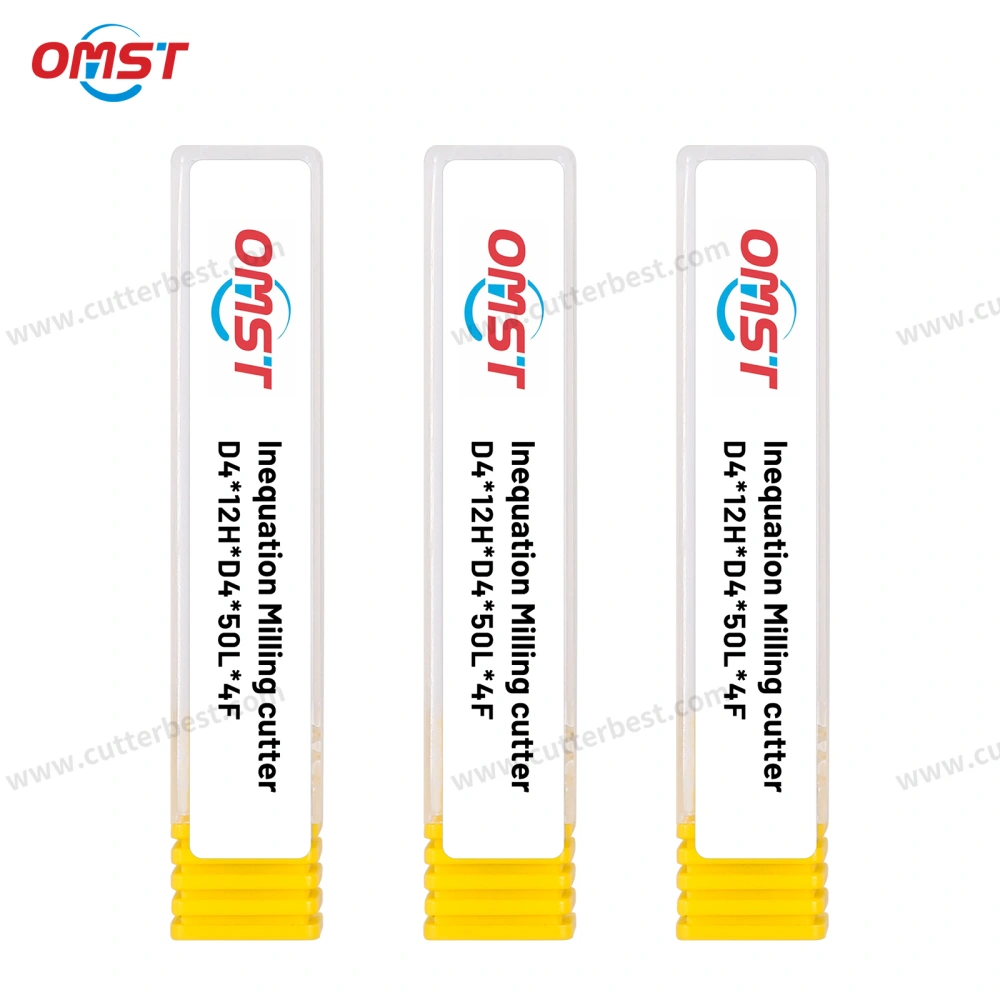
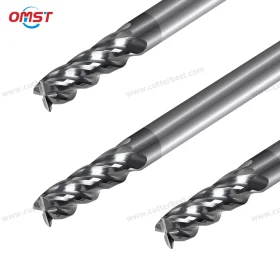
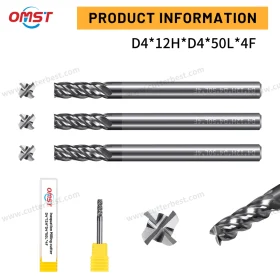
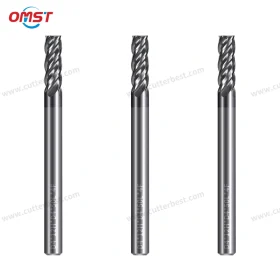
Une fraise en bout enlève la matière avec des arêtes coupantes sur sa face d'extrémité et le long de ses cannelures. Donc, il peut effectuer plusieurs opérations de fraisage CNC, y compris le rainurage, empocher, fraisage latéral, profilage, contouring, et finition.
OMIST fournit des outils de coupe de fraises standard et personnalisés pour les ateliers d'usinage, distributeurs, marques d'outils, et acheteurs industriels. Nous fabriquons des outils en carbure monobloc, HSS, et d'autres matériaux selon la pièce à usiner, état de la machine, opération de coupe, et durée de vie requise de l'outil.
En tant que fabricant de fraises en bout, nous fournissons aussi bien des outils de production standards que des fraises spéciales basées sur des dessins.
Pour une explication de base de la structure de l'outil et de ses principales fonctions, lire guide de base des outils de fraisage CNC.
Principales fonctionnalités
Performances de coupe stables
Une géométrie de flûte appropriée et une préparation de pointe contribuent à améliorer la stabilité de coupe. Par conséquent, l'outil peut réduire les vibrations et permettre un usinage plus cohérent dans des conditions de fonctionnement appropriées.
Porte-à-faux d'outil, rigidité du support, état de la machine, et les paramètres de coupe affectent également les performances. Donc, la conception de la fraise doit correspondre à la configuration CNC réelle.
Évacuation efficace des copeaux
Le nombre de cannelures et l'espace des cannelures affectent directement l'élimination des copeaux. Moins de cannelures offrent plus d'espace pour les puces, tandis que plus de cannelures améliorent généralement la rigidité et fournissent plus d'arêtes de coupe.
Par exemple, les conceptions à deux et trois cannelures conviennent souvent à l'aluminium et à d'autres matériaux qui produisent des copeaux plus gros. Les outils à quatre cannelures ou à nombre de cannelures plus élevé peuvent convenir à l'usinage de l'acier, finition, et applications qui nécessitent une plus grande rigidité.
Matériaux d'outils multiples
Le carbure monobloc offre une grande rigidité, résistance à l'usure, et stabilité dimensionnelle. Donc, il est largement utilisé pour le fraisage CNC à des vitesses de coupe moyennes et élevées.
HSS offre une plus grande ténacité et peut convenir à certains usinages généraux, coupe à basse vitesse, outils de grand diamètre, ou applications spéciales. OMIST peut évaluer le matériau approprié en fonction de la taille de la fraise et des conditions d'usinage.
Pour les options dédiées au carbure monobloc, visitez notre explorez notre outils de fraisage en carbure monobloc.
Options de revêtement
Un revêtement approprié peut améliorer la résistance à l'usure, résistance à la chaleur, et durée de vie de l'outil. Les options disponibles incluent AlTiN, TiAlN, TiSiN, Étain, Contenu téléchargeable, Nano Bleu, et autres revêtements après évaluation technique.
Cependant, un seul revêtement ne convient pas à tous les matériaux. Pour cette raison, OMIST sélectionne le revêtement en fonction du matériau de la pièce, température de coupe, méthode de refroidissement, et candidature.
Fourniture standard et personnalisée
Nous fournissons des fraises standard pour les opérations de fraisage CNC courantes. Entre-temps, nous fabriquons également des outils non standards selon plans, samples, listes de tailles, and application requirements.
La production sur mesure peut inclure des diamètres spéciaux, longues longueurs de flûte, longueurs hors tout étendues, tiges non standard, profils spéciaux, et géométrie de coupe spécifique à l'application.
Types de fraises en bout et options de géométrie
Différentes opérations de fraisage nécessitent différents profils d'extrémité et conceptions de cannelures. Les options courantes incluent:
- Fraises à bout plat ou carré
- Fraises à bout sphérique
- Fraises à bout arrondi ou à rayon de coin
- Fraises d'ébauche
- Fraises de finition
- Fraises en bout à longue portée
- Fraises coniques
- Fraises à profil spécial
- Outils personnalisés basés sur des dessins
Un profil à extrémité plate convient aux fentes, poches, mesures, et épaules carrées. En revanche, une conception à nez sphérique convient aux surfaces courbes, moules, meurt, et contour tridimensionnel. Une conception à rayon de coin ajoute de la résistance au coin de coupe et peut améliorer la durée de vie de l'outil dans des applications appropriées..
Nombre de flûtes, angle d'hélice, diamètre du noyau, préparation des bords, et l'espace des copeaux influence également les performances de coupe. Donc, la géométrie finale doit correspondre à la fois à l'opération d'usinage et au matériau de la pièce à usiner.
Pour une comparaison plus large, lisez notre guide pour types et utilisations de fraises en bout.
Fraises en bout pour différents matériaux de pièce à usiner
Aluminium et matériaux non ferreux
L'usinage de l'aluminium nécessite une évacuation efficace des copeaux et une adhérence réduite des copeaux. Donc, les outils à deux et trois dents avec des espaces de goujures plus grands permettent souvent une bonne évacuation des copeaux.
Une cannelure polie ou un revêtement approprié à faible friction peut également réduire les arêtes accumulées.. Cependant, la conception exacte dépend de la qualité de l'aluminium, profondeur de coupe, méthode de refroidissement, et finition de surface requise.
Acier au carbone et acier allié
L'usinage de l'acier nécessite un équilibre de rigidité, résistance des bords, and wear resistance. Les outils en carbure à quatre cannelures ou à plus grand nombre de cannelures conviennent souvent aux opérations générales de fraisage et de finition..
En outre, un revêtement approprié peut améliorer la résistance à la chaleur et réduire l'usure de pointe. Le bon choix dépend de la nuance d'acier, dureté, vitesse de coupe, et engagement.
Acier inoxydable
L'acier inoxydable peut générer de la chaleur et durcir pendant l'usinage. Donc, la fraise a besoin d'une géométrie stable, résistance des bords appropriée, et évacuation contrôlée des copeaux.
Un outil en carbure revêtu peut aider à réduire l'usure et à maintenir les performances de coupe. Cependant, un frottement excessif ou des paramètres inappropriés peuvent réduire la durée de vie de l'outil, la stabilité de l'alimentation et la rigidité de la machine restent donc importantes.
Fonte
La fonte nécessite souvent un carbure résistant à l'usure et une préparation des bords adaptée.. En fonction de la qualité de la fonte, l'outil peut utiliser un tranchant résistant et un revêtement sélectionné pour des conditions d'usinage abrasives.
Cuivre, Plastiques, et autres matériaux
Cuivre, plastiques techniques, graphite, et les matériaux composites nécessitent des géométries et des revêtements différents. Donc, les clients doivent fournir la qualité exacte du matériau et le but de l'usinage avant la sélection de l'outil.
Applications typiques de fraisage CNC
Les fraises en bout OMIST prennent en charge une large gamme d'opérations d'usinage, y compris:
- Fraisage de rainures
- Fraisage de poche
- Fraisage latéral
- Fraisage d'épaulement
- Profilage
- Contouring
- Usinage grossier
- Finition de l'usinage
- Usinage de moules et de matrices
- Production de composants de précision
Les utilisateurs typiques incluent les fabricants de moules, fournisseurs automobiles, producteurs de composants aérospatiaux, fabricants d'équipements, ateliers d'usinage généraux, et fabricants de composants de précision.
Pour les diagrammes expliquant la coupe en bout, coupe latérale, formation de copeaux, et le processus de fraisage CNC, lire comment fonctionne une fraise en bout.
Options de spécification
Matériaux disponibles: Carbure solide ou HSS; Sélectionné en fonction de l'application
Diamètre de coupe: Tailles métriques ou en pouces standard; Diamètres personnalisés disponibles
Configuration de la flûte: 2, 3, 4, 5, ou 6 Flûtes; Géométrie spéciale disponible
Longueur de la flûte: Standard, Long, ou longueur de flûte personnalisée
Longueur totale: Longueur totale standard ou personnalisée
Diamètre de la tige: Standard, Réduit, Renforcé, ou tige personnalisée
Angle d'hélice: Angle d'hélice standard ou spécifique à une application
Fin du profil: Plat, Nez de boule, Rayon de coin, Ebauche, Conique, ou profil personnalisé
Catégorie d'application: HRC45, HRC55, HRC60, et série HRC65
Options de revêtement: Or, TiAlN, TiSiN, Étain, Contenu téléchargeable, Nano Bleu, ou revêtement spécifique à l'application
Matériaux pris en charge: Aluminium, Carbon Steel, Acier allié, Acier inoxydable, Fonte, Cuivre, Plastiques, et autres matériaux
Opération d'usinage: Rainurage, Poche, Profilage, Fraisage latéral, Contouring, Ebauche, et finition
Tolérance: Tolérance de production standard ou tolérance spécifiée par le dessin après examen technique
Marquage: Marquage standard, Logo client, Numéro de modèle, ou marque privée
Packaging: Emballage de protection individuel, Carton d'exportation, ou emballage personnalisé de marque privée
La capacité de fabrication réelle dépend du matériau de l'outil, diamètre, longueur, géométrie, tolérance, et quantité demandée. Donc, OMIST examinera les spécifications spéciales avant de confirmer le devis.
Service de fraise en bout personnalisé
OMIST fournit une fabrication de fraises en bout personnalisées pour les exigences d'usinage non standard. Les clients peuvent envoyer un dessin, échantillon, liste des tailles, modèle de référence, ou description de la candidature pour évaluation.
Les options personnalisées incluent:
- Diamètre de coupe non standard
- Longueur de flûte spéciale
- Longueur totale étendue
- Diamètre de tige personnalisé
- Nombre de flûtes spécial
- Angle d'hélice personnalisé
- Profil d'extrémité spécial
- Géométrie des bords spécifique à l'application
- Sélection du revêtement
- Marquage laser
- Numéros de modèle du client
- Emballage de marque privée
Nous accompagnons les distributeurs, marques d'outils de coupe, ateliers d'usinage, et les fabricants industriels qui nécessitent une production répétée. Avant la fabrication, notre équipe confirme les principales dimensions, matériel, revêtement, quantity, and application requirements.
Comment sélectionner la bonne fraise en bout
Le bon outil dépend du matériau de la pièce à usiner, opération d'usinage, profondeur de coupe, rigidité de la machine, état du titulaire, porte-à-faux de l'outil, méthode de refroidissement, et finition de surface requise.
En général:
- Choisissez moins de cannelures lorsque l'évacuation des copeaux est la principale préoccupation.
- Choisissez plus de cannelures lorsque la rigidité et les performances de finition sont plus importantes.
- Faites correspondre le profil d'extrémité à la fente, poche, surface, épaule, ou contour.
- Choisir le revêtement en fonction de la pièce et de la température de coupe.
- Réduisez le porte-à-faux inutile des outils pour améliorer la rigidité.
- Utilisez un cutter personnalisé lorsque les dimensions ou les profils standard ne peuvent pas terminer l'opération efficacement.
Pour un devis, envoyez les informations que vous avez déjà. Cela peut inclure le diamètre de la fraise, nombre de flûtes, longueur de flûte, longueur totale, diamètre de la tige, matériau de la pièce à usiner, application, revêtement, et la quantité. Nous confirmerons avec vous toute information manquante.
Comment sélectionner la bonne fraise en bout
Le bon outil dépend du matériau de la pièce à usiner, opération d'usinage, profondeur de coupe, rigidité de la machine, état du titulaire, porte-à-faux de l'outil, méthode de refroidissement, et finition de surface requise.
En général:
- Choisissez moins de cannelures lorsque l'évacuation des copeaux est la principale préoccupation.
- Choisissez plus de cannelures lorsque la rigidité et les performances de finition sont plus importantes.
- Faites correspondre le profil d'extrémité à la fente, poche, surface, épaule, ou contour.
- Choisir le revêtement en fonction de la pièce et de la température de coupe.
- Réduisez le porte-à-faux inutile des outils pour améliorer la rigidité.
- Utilisez un cutter personnalisé lorsque les dimensions ou les profils standard ne peuvent pas terminer l'opération efficacement.
Pour un devis, envoyez les informations que vous avez déjà. Cela peut inclure le diamètre de la fraise, nombre de flûtes, longueur de flûte, longueur totale, diamètre de la tige, matériau de la pièce à usiner, application, revêtement, et la quantité. Nous confirmerons avec vous toute information manquante.
Foire aux questions
Quels matériaux sont disponibles pour les fraises en bout?
Nous fournissons des fraises en carbure monobloc et HSS. Le matériau de l'outil approprié dépend de la taille de la fraise, matériau de la pièce à usiner, vitesse de coupe, état de la machine, et application d'usinage.
Pouvez-vous fabriquer des tailles de fraises en bout personnalisées?
Oui. OMIST peut fabriquer des diamètres de coupe sur mesure, longueurs de flûte, longueurs hors tout, diamètres de tige, la flûte compte, angles d'hélice, profils d'extrémité, et tolérances selon dessins ou listes de spécifications.
Comment choisir le bon nombre de flûtes?
Les fraises à deux et trois dents offrent plus d'espace pour les copeaux et conviennent souvent à l'aluminium ou aux applications nécessitant une évacuation efficace des copeaux.. Les outils à quatre cannelures et à nombre de cannelures plus élevé offrent généralement une plus grande rigidité et peuvent convenir à l'usinage et à la finition de l'acier..
Quel revêtement choisir?
Le revêtement dépend du matériau de la pièce à usiner, température de coupe, méthode de refroidissement, et conditions d'usinage. Les options disponibles incluent AlTiN, TiAlN, TiSiN, Étain, Contenu téléchargeable, Nano Bleu, et autres revêtements après évaluation technique.
Quelles informations sont requises pour un devis?
Veuillez fournir le diamètre de la fraise, nombre de flûtes, longueur de flûte, longueur totale, diamètre de la tige, matériau de la pièce à usiner, application d'usinage, exigence de revêtement, et quantité lorsque disponible. Un dessin, échantillon, ou le modèle de référence est également utile pour les outils personnalisés.
Fournissez-vous des services OEM et de marque privée?
Oui. Nous soutenons la production OEM, marquage laser, numéros de modèle du client, emballage neutre, et emballages de marque privée pour les distributeurs, marques d'outils de coupe, et acheteurs industriels.
Pourquoi nous choisir
Expérience dans la fabrication d'outils de coupe
L'OMIST a 16 années d'expérience dans la fabrication d'outils de coupe. Nous fournissons des outils de fraisage CNC pour l'usinage standard et les applications industrielles personnalisées..
Options standard et personnalisées
Les clients peuvent se procurer à la fois des fraises en bout ordinaires et des outils non standard auprès d'un seul fournisseur.. Donc, les distributeurs et les acheteurs industriels peuvent simplifier les achats sur différents projets.
Prise en charge OEM et marques privées
Nous prenons en charge les numéros de modèle des clients, marquage laser, marquage du logo, emballage neutre, et emballages de marque privée. Ces services conviennent aux distributeurs, marques, et acheteurs réguliers.
Sélection d'outils basée sur l'application
Notre équipe examine le matériel, méthode d'usinage, dimensions, et conditions de coupe avant de recommander un outil. Cela permet de réduire les erreurs de spécifications et d'améliorer la communication avant la production..
Prise en charge des commandes répétées
Nous enregistrons les spécifications confirmées pour la fabrication répétée. Par conséquent, les clients peuvent commander à nouveau le même modèle plus efficacement après avoir approuvé le lot initial.
Envoyez votre demande de fraise en bout
Vous recherchez un fabricant de fraises en bout fiable pour le fraisage CNC?
Envoyez-nous votre dessin, liste des tailles, modèle de référence, ou demande d'usinage par email à sales@cutterbest.com. OMIST examinera les informations connues, confirmer toute spécification manquante, et fournissez un devis pour des outils de coupe en carbure et HSS standards ou personnalisés.