 Frese di precisione,Utensili da taglio per la lavorazione CNC di ogni materiale

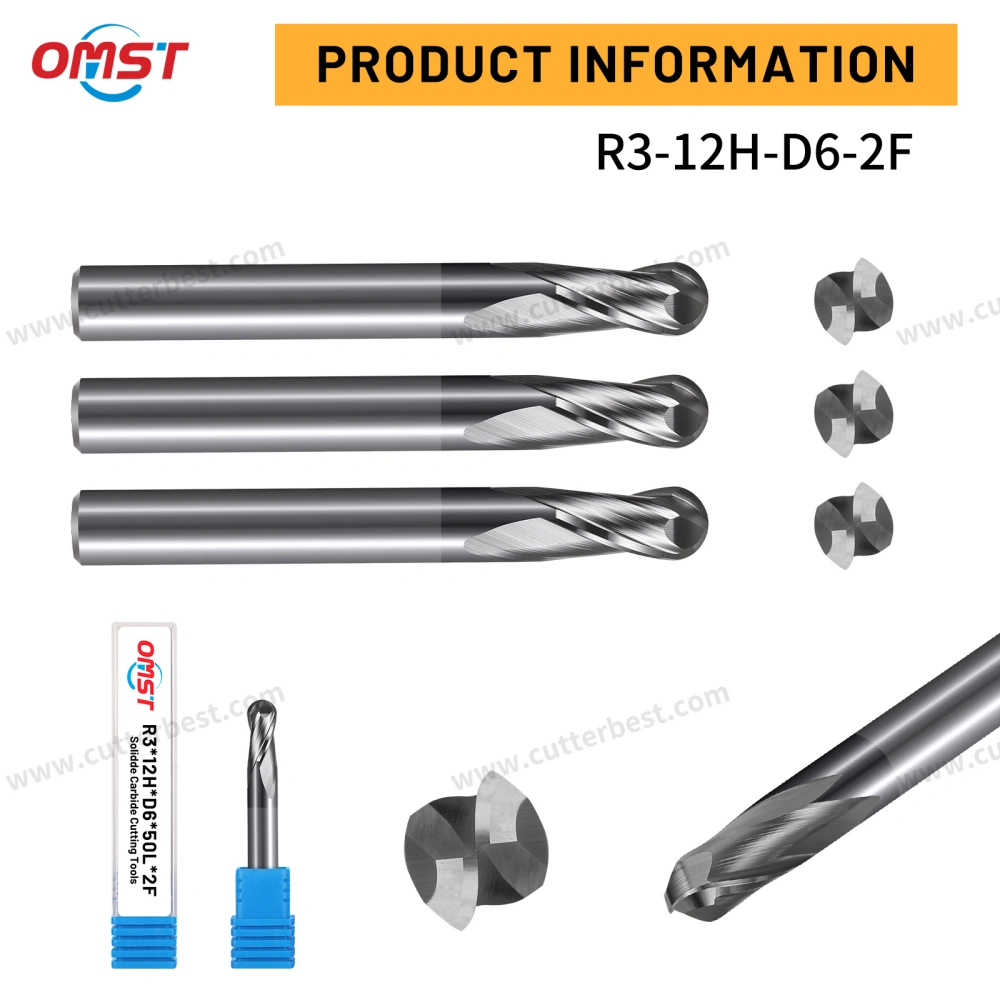
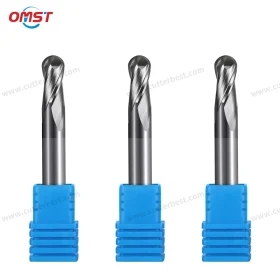
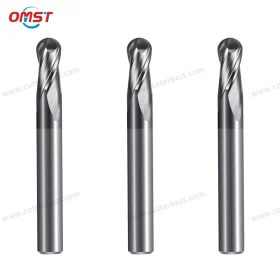
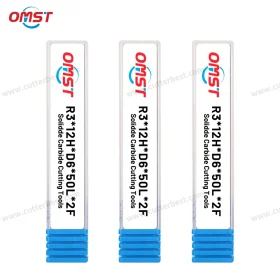
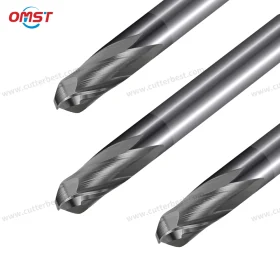
Le frese a testa sferica in metallo duro hanno estremità taglienti completamente arrotondate che seguono superfici curve e complessi percorsi utensile CNC. Questa geometria li rende adatti al contouring 3D, finitura della cavità dello stampo, lavorazione degli stampi, profili scolpiti, e finitura superficiale di precisione.
CutterBest produce frese in metallo duro standard e personalizzate per officine di lavorazione CNC, produttori di stampi, utilizzatori industriali, e distributori di utensili da taglio. I clienti possono selezionare diversi diametri, conta il flauto, lunghezze di taglio, lunghezze del collo, gradi di metallo duro, e rivestimenti in base al materiale del pezzo e alle condizioni di lavorazione.
Cos'è una fresa a punta sferica?
Una fresa a testa sferica è un utensile di fresatura rotativo con un'estremità tagliente emisferica. A differenza di una fresa a punta piatta, non produce un profilo di taglio a fondo completamente piatto. Invece, l'estremità arrotondata si muove agevolmente sulle superfici curve e aiuta a creare transizioni graduali tra diversi contorni.
I macchinisti utilizzano comunemente questo strumento dopo la lavorazione di sgrossatura per rifinire gli stampi, muore, cavità, raggi, e parti tridimensionali. La geometria e il percorso utensile corretti possono anche ridurre i segni visibili dell'utensile e ridurre la quantità di lucidatura secondaria richiesta.
Per asole a fondo piatto, tasche, passi, e spalle quadrate, si prega di consultare il nostro fresa a punta piatta prodotto.
Per un confronto fianco a fianco della geometria di taglio, risultati della lavorazione, e applicazioni adatte, leggi il nostro fresa a testa sferica vs guida per fresa piatta.
Caratteristiche principali
Estremità di taglio a raggio completo
L'estremità tagliente arrotondata segue le superfici curve e a forma libera in modo più fluido rispetto a una taglierina a fondo piatto. Perciò, si adatta bene a profili complessi, cavità dello stampo, raggi, e finitura 3D dettagliata.
Per un design standard con estremità sferica completa, il raggio di punta è normalmente la metà del diametro di taglio. Diametri di taglio personalizzati, lunghezze del flauto, lunghezze del collo, dimensioni del gambo, e le lunghezze complessive possono essere valutate in base ai disegni o alle esigenze di lavorazione.
Costruzione in carburo solido
Produciamo queste frese in carburo di tungsteno per fornire rigidità, resistenza all'usura, e prestazioni stabili durante la fresatura CNC.
La qualità di metallo duro appropriata dipende dal materiale del pezzo da lavorare, durezza, diametro dell'utensile, profondità di taglio, e condizioni di lavorazione. Perciò, i clienti devono fornire informazioni sul materiale e sulla durezza quando richiedono un preventivo.
Opzioni multiple di flauto
Possiamo produrre frese con 1–6 taglienti. Tuttavia, 2-i modelli con flauto e 4 flauto sono i più comuni.
Un design a 2 eliche solitamente offre più spazio per il truciolo ed è adatto all'alluminio, rame, grafite, e altre applicazioni che richiedono un'efficiente evacuazione del truciolo. Al contrario, un design a 4 eliche fornisce più taglienti e spesso è adatto all'acciaio, materiali dello stampo, e operazioni di finitura.
Altri conteggi delle scanalature possono essere valutati in base al diametro della fresa, materiale del pezzo, obiettivo della finitura superficiale, e condizioni di lavorazione CNC.
Opzioni di rivestimento
Materiali diversi del pezzo richiedono trattamenti e rivestimenti dei bordi diversi. Le opzioni disponibili includono:
- TiAlN
- Altin
- AlCrN
- TiSiN
- Stagno
- DLC
- Nanoblu
- Rivestimento nano
- Metallo duro non rivestito
- Rivestimenti personalizzati
Per alluminio e altri materiali non ferrosi, taglienti affilati e scanalature lucide possono essere più importanti di un rivestimento convenzionale. Per acciaio, acciaio inossidabile, e materiali induriti, un adeguato rivestimento resistente al calore può migliorare la resistenza all'usura e la durata dell'utensile.
Dimensioni standard e personalizzate
La gamma di diametri di taglio standard è compresa tra 1 e 20 mm. Inoltre, possiamo valutare diametri più piccoli o più grandi a seconda della struttura della fresa, conteggio dei flauti, profondità di lavorazione, e la quantità dell'ordine.
I clienti possono anche richiedere lunghezze di scanalatura personalizzate, lunghezza complessiva, diametro del gambo, lunghezza del collo, geometria a lungo raggio, grado di carburo, rivestimento, e tolleranze dimensionali.
Applicazioni delle frese a testa sferica
Queste frese sono comunemente utilizzate per operazioni di finitura CNC che coinvolgono curve, tridimensionale, o superfici a forma libera.
Le applicazioni tipiche includono:
- 3Fresatura di contornitura D
- Finitura della cavità dello stampo
- Lavorazione di matrici e stampi
- Finitura superficie curva
- Lavorazione di raggi e profili
- Lavorazione superficiale scolpita
- Produzione stampi automobilistici
- Finitura di componenti aerospaziali
- Lavorazione di pezzi medicali e di precisione
- Lavorazione elettrodi di grafite
- Lavorazione elettrodi in rame
- Incisione CNC e finitura dettagliata
Un diametro più piccolo può raggiungere cavità strette e dettagli fini. Nel frattempo, un diametro maggiore può migliorare l'efficienza della lavorazione su superfici curve più ampie. La selezione finale dovrebbe considerare la forma della parte, passo programmato, finitura superficiale richiesta, e rigidità della macchina.
Per una spiegazione più dettagliata delle applicazioni di lavorazione, Leggere a cosa serve una fresa a testa sferica.
Opzioni di specifica
| Articolo | Opzioni disponibili |
| Nome del prodotto | Fresa a candela a testa sferica / Taglierina a punta sferica |
| Materiale della taglierina | Carburo di tungsteno solido |
| Diametro di taglio | Standard 1–20 mm; si possono valutare diametri più piccoli e più grandi |
| Fine del taglio | Estremità sferica a raggio completo |
| Conte di flauto | 1–6 flauti; 2-i modelli con flauto e 4 flauto sono i più comuni |
| Lunghezza del flauto | Standard o personalizzato |
| Lunghezza totale | Standard o personalizzato |
| Diametro del gambo | Gambo dritto o personalizzato |
| Design del collo | Collo standard, collo sollevato, o design a lungo raggio |
| Durezza del pezzo | Disegni standard fino a HRC65; i design selezionati possono supportare HRC68–70 |
| Rivestimento | TiAlN, Altin, AlCrN, TiSiN, Stagno, DLC, Nano, non rivestito, o personalizzato |
| Materiali del pezzo | Acciaio, acciaio inossidabile, alluminio, rame, grafite, ghisa, acciaio per stampi, e leghe |
| Applicazione | 3Contornatura D, finitura dello stampo, lavorazione della cavità, superfici curve, e profili di precisione |
| Servizio personalizzato | Diametro, lunghezza, gambo, collo, conteggio dei flauti, grado di carburo, rivestimento, tolleranza, e geometria speciale |
| Tipo di ordine | Ordini di esempio, produzione in lotti, OEM, ODM, e ordini ai distributori |
Frese a testa sferica per diversi materiali
Alluminio e materiali non ferrosi
Quando si lavora l'alluminio, rame, e materiali simili, un'efficiente evacuazione del truciolo aiuta a ridurre l'accumulo di truciolo e i taglienti di riporto.
Taglienti affilati, spazio del flauto più ampio, flauti lucidati, e rivestimenti adeguati possono migliorare la finitura superficiale. Un design a 2 o 3 scanalature può essere adatto a molte applicazioni non ferrose, a seconda del diametro della fresa e del metodo di lavorazione.
Acciaio e Acciaio Inossidabile
L'acciaio e l'acciaio inossidabile richiedono taglienti stabili, gradi di metallo duro idonei, e rivestimenti adeguati.
Anche la lunghezza dell'utensile e la rigidità della macchina sono importanti perché una sporgenza eccessiva può causare vibrazioni e ridurre la qualità della superficie.
TiAlN, Altin, AlCrN, oppure è possibile selezionare un altro rivestimento adatto a seconda del materiale, durezza, temperatura di taglio, e le condizioni del liquido di raffreddamento.
Acciaio per stampi e materiali temprati
Per acciaio per stampi e materiali temprati, la taglierina deve fornire una resistenza del tagliente sufficiente, resistenza al calore, e resistenza all'usura.
I modelli di taglierina standard possono supportare materiali fino a circa HRC65. Qualità di metallo duro selezionate, preparazioni dei bordi, e i rivestimenti possono supportare HRC68–70.
Tuttavia, la fattibilità dipende da:
- Materiale esatto del pezzo
- Diametro taglierina
- Sovrametallo di lavorazione
- Profondità di taglio
- Rigidità della macchina
- Percorso utensile
- Parametri di taglio
Si prega di fornire informazioni complete sulla lavorazione prima di ordinare utensili per materiali ad alta durezza.
Elettrodi di grafite e rame
La lavorazione della grafite richiede una buona resistenza all'usura e una geometria stabile della fresa. Al contrario, la lavorazione degli elettrodi di rame richiede solitamente taglienti affilati e una superficie liscia della scanalatura.
Possiamo consigliare le qualità di metallo duro adatte, rivestimenti, e design delle scanalature in base al materiale dell'elettrodo, finitura superficiale richiesta, e quantità di produzione.
Le frese a testa sferica e le frese con mulino a sfera sono uguali??
Nelle applicazioni di utensili da taglio CNC, "fresa a testa sferica" e "fresa a sfera" si riferiscono solitamente allo stesso tipo di fresa con un'estremità tagliente completamente arrotondata.
"Fresa a testa sferica" è il nome più formale e ampiamente accettato utilizzato nei cataloghi di utensili da taglio professionali. "Fresa a sfera" è un termine più breve utilizzato da alcuni acquirenti quando cercano una fresa con estremità a forma di sfera.
Entrambi i termini descrivono normalmente un utensile utilizzato per la fresatura di contorni 3D, finitura della cavità dello stampo, lavorazione di superfici curve, e finitura complessa dei profili.
Tuttavia, un mulino a sfere non deve essere confuso con un mulino a sfere utilizzato per macinare polveri o materiali sfusi.
Per ulteriori informazioni su questo nome di prodotto alternativo, leggi il nostro guida della taglierina del mulino a sfere.
Come scegliere una fresa a punta sferica
Seleziona il diametro di taglio
Il diametro di taglio deve corrispondere al raggio del pezzo, larghezza della cavità, dimensione del dettaglio, e spazio di lavorazione disponibile.
Un diametro più piccolo si adatta ai dettagli più fini, aree ristrette, e piccoli raggi. Un diametro maggiore può migliorare l’efficienza della lavorazione su superfici curve più ampie.
Confermare la lunghezza della scanalatura e la lunghezza totale
Scegliere una lunghezza della scanalatura e una lunghezza complessiva che raggiungano la profondità di lavorazione richiesta senza aggiungere sporgenze inutili.
Una taglierina troppo lunga può vibrare e produrre segni visibili sulla superficie. Per cavità profonde, un collo alleggerito o un design a lunga portata possono fornire un accesso migliore rispetto a un flauto eccessivamente lungo.
Abbina il design del flauto al materiale
Il conteggio dei flauti, elica, preparazione all'avanguardia, e lo spazio per il truciolo deve corrispondere al materiale e all'operazione del pezzo da lavorare.
Per esempio, l'alluminio normalmente richiede un'efficiente evacuazione del truciolo e taglienti affilati. Steel and hardened materials generally require stronger edges, geometria stabile, e un rivestimento adatto.
Choose a Suitable Coating
The coating should match the material hardness, temperatura di taglio, condizione del liquido di raffreddamento, and machining method.
An unsuitable coating or edge treatment may increase chip adhesion, shorten tool life, or reduce surface quality.
Controllare la stabilità della macchina e del portautensili
Rigidità della macchina, tool-holder condition, esaurimento dell'utensile, and cutter overhang directly affect the final surface finish.
Perciò, use the shortest practical tool length and confirm that the machine and holder can support the required finishing operation.
For more selection information, Leggere come scegliere una fresa a testa sferica.
If the finishing operation may require a flat, naso a palla, naso di toro, or material-specific cutter, compare the available options in our finishing end mill solutions for CNC machining.
Custom Ball Nose End Mill Manufacturing
Standard cutters may not suit every mold, cavity, raggio, o componente speciale CNC. Perciò,CutterBest supports custom ball nose end mill production according to drawings, campioni, elenchi di dimensioni, e requisiti di lavorazione.
Custom options include:
- Diametri di taglio fuori standard
- Custom flute lengths
- Custom overall lengths
- Custom shank diameters
- Relieved-neck and long-reach designs
- 1–6 flute configurations
- Special carbide grades
- Coated or uncoated cutting edges
- Custom dimensional tolerances
- Marcatura laser OEM
- Confezione neutra o con etichetta privata
Si prega di fornire:
- Materiale del pezzo
- Durezza del pezzo
- Diametro di taglio
- Lunghezza del flauto
- Lunghezza
- Diametro del gambo
- Conteggio del flauto
- Requisito del rivestimento
- Quantità
- Required tolerance
A clear drawing is recommended for non-standard tools.
Domande frequenti
A cosa serve una fresa a testa sferica?
Machinists use it for 3D contour milling, finitura superficiale curva, cavità dello stampo, muore, raggi, profili scolpiti, e finitura CNC di precisione. Its rounded cutting end follows complex surfaces more smoothly than a flat-bottom cutter.
Is a ball nose end mill the same as a ball mill cutter?
Nelle applicazioni di utensili da taglio CNC, the two names usually describe the same rounded-end milling tool. Tuttavia, "fresa a testa sferica" è il nome del prodotto più formale utilizzato nei cataloghi di utensili professionali.
Una fresa a punta sferica può lavorare una tasca a fondo piatto??
Può lavorare fondi di cavità curvi, ma non crea in modo efficiente un profilo completamente piatto. Una fresa a candela piatta è solitamente più adatta per tasche a fondo piatto, slot, passi, e spalle.
Quale numero di flauti dovrei scegliere??
I modelli a due e quattro canali sono i più comuni.
Una fresa a 2 scanalature offre più spazio per i trucioli, mentre una fresa a 4 eliche fornisce più taglienti e può migliorare la stabilità della finitura. Altri conteggi delle scanalature possono essere valutati in base al diametro della fresa, materiale del pezzo, e condizioni di lavorazione.
Potete produrre frese per materiali HRC68–70?
Qualità di metallo duro selezionate, rivestimenti, e i design delle frese possono supportare materiali nella gamma HRC68–70.
Tuttavia, la fattibilità dipende dal materiale esatto del pezzo da lavorare, diametro della fresa, sovrametallo di lavorazione, percorso utensile, rigidità della macchina, e parametri di taglio.
Puoi personalizzare le dimensioni della taglierina?
Sì. Possiamo personalizzare il diametro di taglio, lunghezza del flauto, lunghezza complessiva, diametro del gambo, lunghezza del collo, conteggio dei flauti, rivestimento, grado di carburo, e tolleranze secondo disegni o esigenze di lavorazione.
Quali informazioni ti servono per un preventivo?
Si prega di fornire il diametro di taglio, lunghezza del flauto, lunghezza complessiva, diametro del gambo, conteggio dei flauti, rivestimento, materiale del pezzo, durezza, quantità, e luogo di consegna.
Per utensili non standard, si prega di inviare anche un disegno o un campione.
Send Your Ball Nose End Mill Requirement
Hai bisogno di frese a testa sferica in metallo duro standard o personalizzate per la lavorazione di stampi, superfici curve, o finitura dei contorni 3D?
Inviaci la tua lista delle taglie, disegno, materiale del pezzo, durezza, requisito del rivestimento, e quantità. Our team will review the application and provide a suitable tool proposal and quotation.
Send your requirements to sales@cutterbest.com