 精密フライスカッター,あらゆる材料を加工するCNC用の切削工具

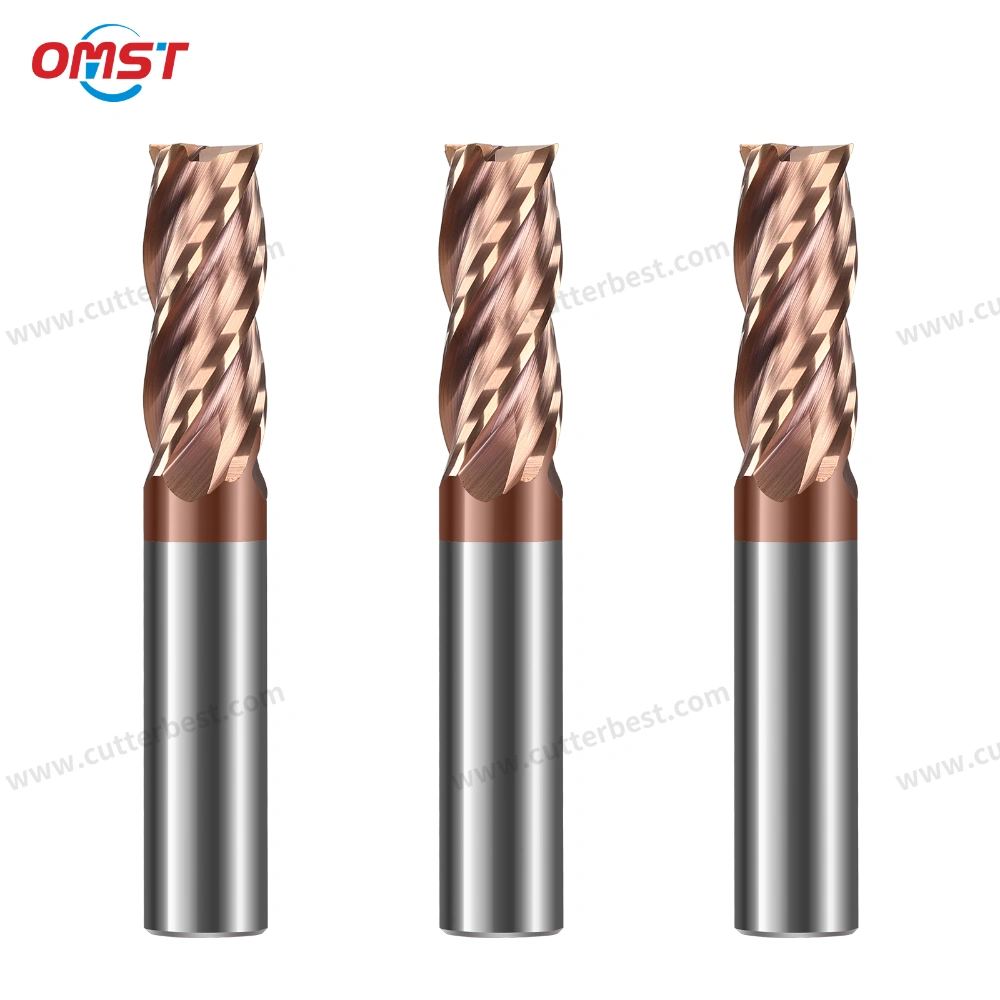
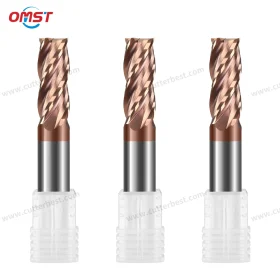
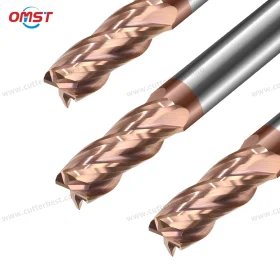
Roughing end mills remove stock before semi-finishing or finishing. Their serrated cutting edges divide chips into smaller sections, which improves chip control and reduces cutting resistance during suitable rough-machining operations.
The tool name alone does not determine whether a cutter will perform well. The correct design also depends on the workpiece material, 硬度, 取り代, カッター径, 刃の長さ, 機械剛性, 工具オーバーハング, ホルダーの状態, and cutting strategy.
Our standard offering focuses on solid carbide roughing cutters for CNC machining. HSS and cobalt HSS options are also available for selected conventional machines, larger cutter sizes, lower cutting speeds, or special customer requirements.
Why Use a Serrated Roughing End Mill?
Improved Chip Control
A smooth cutting edge can produce long or continuous chips during heavy cutting. In comparison, a serrated edge divides the chip along the flute and creates smaller chip sections.
This chip-breaking action reduces chip accumulation in pockets and slots. It also lowers the risk of recutting when the flute design, クーラント方式, and toolpath match the operation.
Efficient Stock Removal
Roughing cutters are intended for removing machining allowance rather than producing the final surface.
They are commonly used before a semi-finishing or finishing pass in mold cavities, ポケット, スロット, 側壁, forged parts, cast components, and general CNC-machined parts.
Lower Cutting Resistance
The interrupted serrated edge does not engage the workpiece in the same way as a continuous finishing edge. 結果として, the cutting load is easier to manage in suitable roughing operations.
Actual performance depends on the machine, ホルダー, 切込み深さ, ラジアルかみ合い, 工具オーバーハング, 冷却水の状態, およびワーク材質.
Flexible Tool Design
Different machining conditions require different flute counts, serrated pitches, 超硬グレード, コーティング, and tool lengths.
Selecting a roughing cutter only by diameter can lead to poor chip evacuation, 振動, エッジダメージ, or unstable tool life. We recommend reviewing the complete machining condition before confirming the final specification.
Available Roughing End Mill Options
Solid Carbide Roughing Cutters
Solid carbide is the primary option for modern CNC machining. It provides good rigidity, 耐摩耗性, and cutting stability when the tool geometry matches the workpiece and operation.
Different carbide grades are available for general steel, ステンレス鋼, 鋳鉄, チタン合金, and selected hardened-material applications.
HSS Roughing Cutters
HSS M2, M35, and M42 roughing cutters are available on request.
These tools can suit conventional machines, lower cutting speeds, larger cutter sizes, interrupted cutting, or applications that require greater tool toughness. They are not the main option for high-speed CNC machining, but they remain useful under selected conditions.
Coarse-Pitch Roughing Cutters
Coarse-pitch cutters have wider spacing between the serrated teeth. したがって, they provide more chip space and generally suit soft or chip-forming materials.
They are often considered for aluminum, 銅, soft carbon steel, and other applications where chip evacuation is a major concern.
Fine-Pitch Roughing Cutters
Fine-pitch cutters have more closely spaced serrated teeth. They normally provide smoother engagement and more stable stock removal.
They commonly suit carbon steel, 合金鋼, ステンレス鋼, 鋳鉄, チタン合金, and selected hardened-steel applications.
The pitch still needs to match the cutter diameter, 取り代, 手術, と機械剛性.
Multiple Flute Options
We can produce 2-, 3-, 4-, 5-, and 6-flute roughing designs. しかし, not every flute count suits every cutter diameter or workpiece material.
Fewer flutes normally provide more chip space. 対照的に, more flutes provide additional cutting edges and can improve stability under suitable conditions.
A 4-flute design is a common choice for general steel roughing, but it should not be treated as a universal solution.
ラフィングエンドミルの選び方
Start with the Workpiece Material
The workpiece grade and hardness influence the carbide grade, フルート数, serrated pitch, コーティング, エッジの準備, and cutting strategy.
例えば, aluminum needs sharp edges and sufficient chip space. Stainless steel requires heat control and stable cutting. Cast iron needs wear resistance, while titanium alloys require careful control of cutting heat and tool engagement.
Confirm the Machining Operation
ポケット荒加工, スロット荒加工, 側面フライス加工, 金型の荒加工, full-slot cutting, and trochoidal milling create different loads on the tool.
A cutter that works well for side roughing may not be the best option for a deep full-width slot. したがって, confirm the operation and toolpath before selecting the tool geometry.
Check Machine and Holder Rigidity
長い工具オーバーハング, weak clamping, spindle runout, insufficient machine power, and unstable workholding can cause vibration, edge chipping, or premature tool failure.
Use the shortest practical cutter and flute length whenever possible. A rigid holder and stable workpiece setup are also important for heavy stock removal.
Match the Flute Count to Chip Space
A tool with too many flutes may not provide enough chip space for a soft or adhesive material. 一方で, too few flutes may reduce cutting stability in some steel applications.
The final flute count should match the material, カッター径, ラジアルかみ合い, 切込み深さ, ツールパス, and coolant method.
Select the Coating by Material
The coating should support the workpiece material and cutting temperature. It should not be selected only by appearance or price.
Coating selection also needs to consider coolant use, 切断速度, 機械の安定性, and the required balance between edge sharpness and wear resistance.
Material Selection Guidance
The following recommendations provide a general starting point. The final flute count, ピッチ, コーティング, 超硬グレード, and tool dimensions should match the actual material grade, 硬度, カッター径, 機械, および機械加工作業.
| ワーク材質 | Common Tool Direction | 選定メモ |
|---|---|---|
| Carbon Steel and Alloy Steel | 4-フルート, fine-pitch carbide cutter; TiAlNまたはAlTiN | Match the carbide grade and coating to hardness, stock allowance, cutting heat, and machine power. |
| ステンレス鋼 | Fine-pitch carbide cutter; AlTiNまたはTiSiN | 熱をコントロールする, reduce unnecessary tool overhang, and maintain stable chip evacuation. |
| 鋳鉄 | Fine-pitch carbide cutter; TiAlN or selected uncoated design | Prioritize edge strength and wear resistance because cast iron can be abrasive. |
| Aluminum and Copper Alloys | 2- or 3-flute, coarse-pitch cutter; DLC or uncoated | Use sharp cutting edges and sufficient flute space to reduce chip adhesion and recutting. |
| チタン合金 | Application-specific fine-pitch carbide cutter; AlTiNまたはTiSiN | Control radial engagement, cutting heat, クーラントの供給, and tool overhang. |
| 硬化鋼 | Custom fine-pitch carbide cutter; AlTiNまたはTiSiN | Selected applications up to approximately HRC 60 require a rigid machine setup, short overhang, and controlled stock removal. |
These directions are not fixed rules. Final tool selection should be based on the complete machining condition.
コーティングオプション
TiAlNの
TiAlN is commonly considered for carbon steel, 合金鋼, and selected cast-iron applications. It provides a practical balance of heat resistance and wear resistance for general rough machining.
アルティン
AlTiN provides good heat and oxidation resistance. It can suit steel, ステンレス鋼, and selected hardened-material applications.
TiSiNの
TiSiN can suit high-temperature cutting and difficult materials such as stainless steel and titanium alloys.
DLC
DLC offers low friction and helps reduce material adhesion when machining aluminum, 銅, およびその他の非鉄材料.
For abrasive high-silicon cast aluminum alloys, such as selected A380 or ADC12 applications, a DLC or another application-specific coating can improve wear resistance.
コーティングされていない
An uncoated cutter maintains a sharp cutting edge and often suits common wrought aluminum grades such as 6061 そして 7075.
The exact choice depends on the alloy, クーラント方式, カッターの形状, および切断条件.
錫
TiN is mainly available for selected HSS roughing cutters and conventional machining requirements. It is not normally the first coating choice for modern solid carbide roughing tools.
When a Roughing End Mill May Not Be the Best Choice
A serrated roughing cutter is not suitable for every operation.
It may not be the best choice when:
- The part has only a small amount of stock remaining.
- The operation requires the final surface finish and dimensional tolerance.
- The component has very thin or flexible walls.
- The machine or holder lacks sufficient rigidity.
- The tool requires excessive overhang.
- The material hardness or machining condition exceeds the tool design.
For very large cutter diameters, high stock-removal requirements, or powerful machining centers, an indexable milling cutter may provide a more economical solution.
In other cases, a standard end mill, finishing end mill, or another machining strategy may provide a better result.
Common Selection and Machining Mistakes
Using a Roughing Cutter for Final Finishing
A serrated cutting edge normally leaves a rougher surface than a smooth finishing edge.
Use the roughing cutter to remove most of the stock. Then leave a controlled amount of material for the final finishing pass.
Choosing the Wrong Coating for Aluminum
A coating intended for steel can increase material adhesion when machining aluminum.
Uncoated or DLC-coated surfaces are often more suitable because they support sharp cutting edges and lower friction. The final choice depends on the aluminum grade and coolant condition.
Using Excessive Tool Overhang
Long overhang reduces tool rigidity and increases the risk of vibration.
Use the shortest practical flute length, 首の長さ, and overall length. If a deep cavity requires a long tool, adjust the cutter geometry and cutting strategy accordingly.
Ignoring Chip Evacuation
Poor chip evacuation can cause chip recutting, heat buildup, エッジダメージ, and unstable cutting.
刃数, serrated pitch, 冷却剤, air blast, ツールパス, and pocket depth should be considered together.
Selecting Only by Cutter Diameter
Two cutters with the same diameter can perform very differently because of their flute count, ピッチ, 超硬グレード, コーティング, 長さ, エッジの準備, and shank design.
A correct recommendation requires more than the cutter diameter alone.
仕様オプション
The following specifications describe our general manufacturing capability. Not every combination applies to every tool diameter or machining condition.
| 仕様 | 利用可能なオプション |
|---|---|
| 製品名 | 超硬ラフィングエンドミル |
| 最先端 | Wave Serrated / Chip-Breaking Edge |
| Primary Tool Material | 超硬ソリッド |
| Optional Tool Material | HSS M2, M35, or M42 |
| フルートカウント | 2, 3, 4, 5, 又は 6 フルート |
| Pitch Options | Coarse Pitch, Fine Pitch, or Custom Serrated Profile |
| Typical Cutter Diameter | 2–32 mm |
| Typical Flute Length | 4–120 mm |
| Typical Overall Length | 50–200mm |
| Shank Options | Standard Metric Straight Shank or Custom Shank |
| Size System | メトリック; Inch and Non-Standard Sizes Available on Request |
| 長さのオプション | 標準, Long Reach, Long Neck, or Extended Overall Length |
| ワーク材質 | 鋼鉄, ステンレス鋼, 鋳鉄, アルミニウム, 銅, チタン合金, and Selected Hardened Steel |
| ワーク硬度 | Commonly Up to Approximately HRC 60, Depending on the Application |
| コーティングオプション | TiAlNの, アルティン, TiSiNの, DLC, 錫, or Uncoated |
| 注文タイプ | 標準, Sample, Batch, or Custom Production |
The final manufacturable specification depends on the cutter diameter, フルート数, ピッチ, tool material, コーティング, 長さ, 許容範囲, 量, および機械加工アプリケーション.
カスタムラフィングエンドミル
A standard catalog tool may not suit every part, 機械, or cutting process. We can manufacture custom roughing cutters according to a drawing, サンプル, 既存のツール, or machining requirement.
カスタム オプションには以下が含まれる場合があります:
- Non-standard cutter diameter
- カスタム溝長と全長
- Long-reach and long-neck designs
- Custom shank diameter and tolerance
- 5- or 6-flute special designs
- Coarse-, fine-, or custom-pitch serrated edges
- Special chip-breaking groove geometry
- 超硬ソリッド, ultrafine-grain carbide, HSSの, or cobalt HSS
- Application-specific coating
- Diameter and shank tolerance requirements
- レーザーマーキング, customer model, ロゴ, と包装
Please provide the complete machining condition before production. This allows us to review the tool structure as a complete solution rather than treating each parameter separately.
ラフィングエンドミル vs 仕上げエンドミル
Roughing and finishing cutters serve different stages of the machining process. A roughing cutter removes most of the stock, while a finishing cutter produces the final surface and dimensions.
| Comparison Item | ラフィングエンドミル | 仕上げ用エンドミル |
|---|---|---|
| 主な目的 | 素早い在庫除去 | Final surface and dimensional control |
| 最先端 | Serrated or wave-shaped chip-breaking edge | Smooth continuous cutting edge |
| Chip Control | Breaks chips into smaller sections | Usually produces more continuous chips |
| 切削負荷 | Suitable for heavier stock removal | Suitable for lighter finishing cuts |
| サーフェスの結果 | Leaves a rougher surface and finishing allowance | Produces a smoother final surface |
| 一般的なアプリケーション | Pocket, slot, side, mold, and general roughing | プロファイリング, final sizing, wall finishing, そして表面仕上げ |
In a typical CNC process, the roughing end mill removes most of the material first. The finishing cutter then removes the remaining allowance and produces the required surface quality and dimensional accuracy.
When the next machining stage requires a smoother surface, final profile, or dimensional control, 私たちのことを見直してください solid carbide finishing end mill solutions.
ラフィングエンドミルに関するよくある質問
What is a roughing end mill used for?
A roughing end mill removes a large amount of stock before semi-finishing or finishing. Its serrated cutting edge helps break chips and manage cutting resistance during rough machining.
Can a roughing end mill be used for finishing?
It can make a cutting pass, but it is generally not recommended for the final finishing operation. The serrated edge normally leaves a rougher surface than a smooth finishing cutter.
Which roughing end mill is suitable for aluminum?
A cutter with sharp edges, sufficient chip space, fewer flutes, and a coarse-pitch serrated profile often suits aluminum. An uncoated or DLC-coated design can also be selected according to the aluminum grade and coolant condition.
What is the difference between coarse pitch and fine pitch?
Coarse pitch provides more space between the serrated teeth and usually supports chip evacuation in soft or adhesive materials.
Fine pitch provides more cutting contacts and normally produces smoother engagement in steel, ステンレス鋼, 鋳鉄, and similar materials.
Can roughing end mills machine hardened steel?
Selected custom carbide cutters can be used for hardened-steel applications up to approximately HRC 60.
Applications between HRC 55 and HRC 60 normally require a stable setup, limited radial engagement, suitable carbide and coating, and a controlled machining strategy. This is not a general-purpose solution for every HRC 60 ワークピース.
How can I reduce vibration during rough milling?
Use the shortest practical tool, reduce unnecessary overhang, check holder runout, improve workpiece clamping, select a suitable pitch and flute count, and adjust the cutting engagement.
What is the difference between a roughing end mill and a hog mill?
A hog mill is another common name for a roughing end mill with serrated or chip-breaking cutting edges.
しかし, the exact tooth profile, フルート数, ピッチ, and intended application can vary between manufacturers.
Can roughing end mills be used for trochoidal milling?
はい. Selected roughing end mills can be used for trochoidal or adaptive toolpaths.
The cutter geometry, ラジアルかみ合い, 切込み深さ, 機械剛性, and chip-evacuation method must suit the operation.
Do you supply inch sizes?
はい. Metric sizes are the standard option, while inch and other non-standard sizes can be manufactured according to the drawing or required dimensions.
What information is required for tool selection?
Please provide the material grade and hardness, 機械加工作業, カッターサイズ, 切込み深さ, マシンタイプ, holder information, drawing or sample, そして必要な量.
Can you manufacture according to a drawing?
はい. We can review 2D drawings, 3D models, サンプル, photographs, or existing tool specifications before confirming production.
ラフィングエンドミルの要件を送信してください
Need a roughing cutter for pocket machining, 金型の荒加工, slot cutting, 側面フライス加工, or another stock-removal operation? Please email your workpiece material and hardness, 機械加工作業, required tool dimensions, machine and holder information, drawing or sample, and order quantity to sales@cutterbest.com. We will review your application and recommend a suitable standard or custom roughing end mill.
Related Products and Resources
Explore our エンドミルカッター for general slotting, プロファイリング, and pocket milling applications.
の 4 フルートエンドミル is a common option for steel, ステンレス鋼, および一般的な CNC フライス加工.
Need solid carbide or custom milling tool designs? 私たちのものを見る 超硬エンドミルカッター.
Learn about common cutter structures and applications in our Milling Cutter Types Guide.