 Precision Milling Cutters,Cutting Tools for CNC Machining Every Material

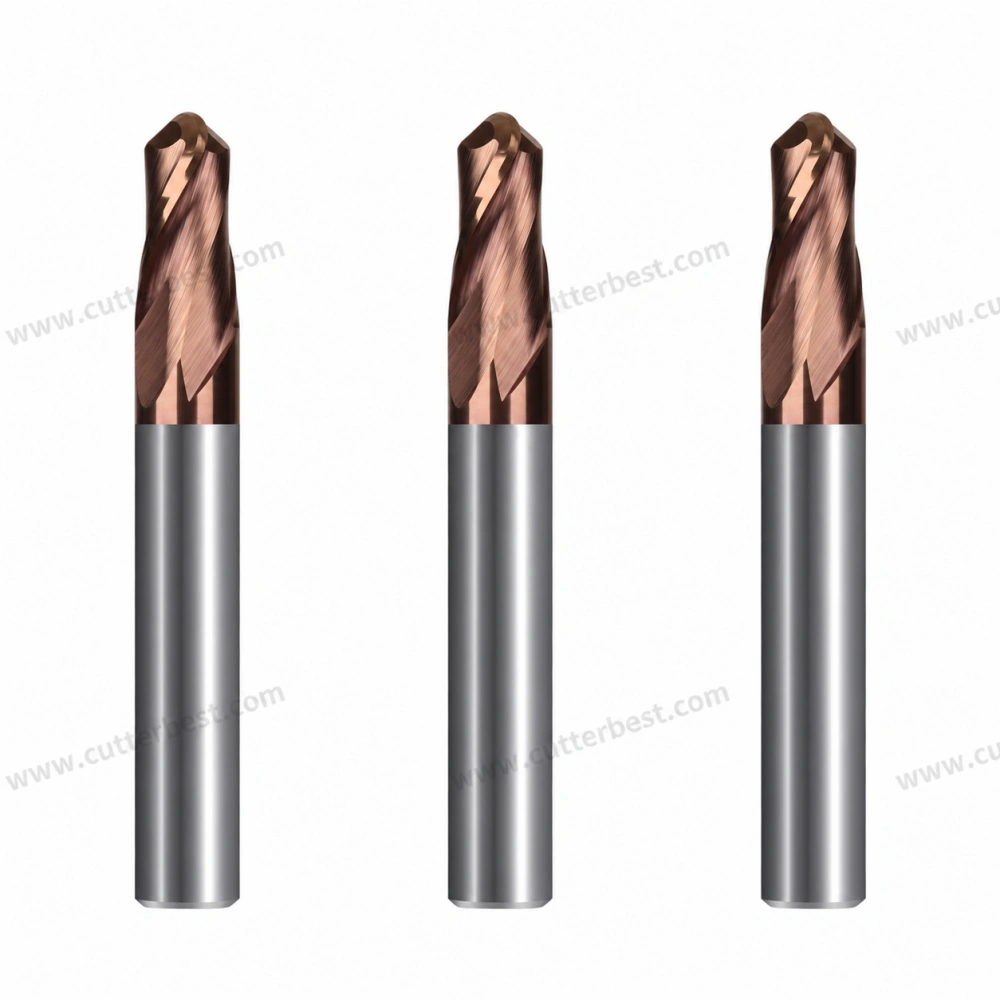
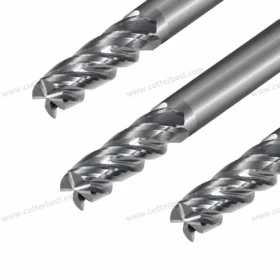
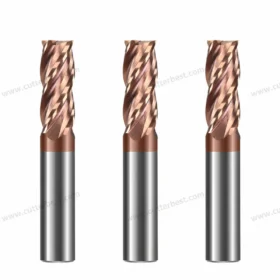
A finishing end mill should match the final surface, remaining stock and machining setup. Square, ball nose and corner radius tools can all serve finishing operations, while dedicated finishers may use designs tailored to a particular material or task.
We supply solid carbide tools for these applications and review standard matches or custom requirements. An existing tool reference, part drawing or description of the required feature provides a starting point for selecting the geometry and configuration.
Finishing End Mill Specification Options
Use the following specifications to define a tool requirement or compare an existing model.
| Specification | What to Confirm |
|---|---|
| Cutting Diameter | Feature dimensions, available machining space and rigidity requirements |
| End Profile | Flat / square, ball nose, bull nose / corner radius, or a special profile for evaluation |
| Flute Count | Configuration appropriate to the material, cutting engagement and chip-clearance requirements |
| Flute Length / LOC | Cutting length needed for the actual contact area |
| Overall Length / OAL | Total tool length, including the shank, and available installation space |
| Shank Diameter | Compatibility with the intended toolholder and clamping arrangement |
| Corner Radius | Tool corner radius, part transition requirements and toolpath constraints |
| Ball Radius | Required ball radius or diameter, with clearly stated units |
| Neck / Reach Design | Neck diameter, drawing-defined reach or length below shank where applicable, and dimension reference points |
| Tool Projection and Holder Clearance | Required projection after clamping and clearance between the holder, tool and workpiece |
| Coating Configuration | Specific coating or uncoated requirement, checked against the material and tool design |
| Units | Clearly identified metric or inch dimensions |
Overall length alone does not establish machining reach. For necked tools, check where the reach dimension starts and ends on the drawing; assess actual tool projection and holder clearance in the intended setup.
Finishing End Mill Applications and Selection
Graphite Finishing End Mills
Graphite is abrasive, so cutting-edge wear can affect electrode details and dimensional consistency. Select the profile for the finished feature, then check access around thin walls, narrow areas and deep cavities.
Where abrasive wear is a concern, review our diamond coated end mills for graphite. Confirm the graphite grade, feature geometry and machining requirements when selecting a configuration.
Aluminum Finishing End Mills
Aluminum finishing requires attention to cutting-edge sharpness, material adhesion and chip evacuation. Chips left in the cutting area can recut or scratch the finished surface, particularly in confined features.
Review our 3 flute carbide end mills for aluminum for suitable finishing applications. Other flute configurations may also be appropriate, depending on the alloy, cutting engagement and chip-removal conditions.
Steel, Stainless Steel, Titanium and Hardened Materials
These applications require different combinations of edge geometry, carbide grade and coating. Use the actual material condition and feature requirements to narrow the selection.
| Workpiece Material | Selection Focus | Useful Application Information |
|---|---|---|
| Steel | Edge strength, wear resistance, rigidity and stable engagement | Steel grade, hardness, feature geometry and remaining stock |
| Stainless Steel | Cutting-edge condition, work hardening, heat and chip control | Exact grade, engagement method and any existing machining problem |
| Titanium | Heat at the cutting edge, chip removal, toolholding and part stability | Alloy, feature depth, tool projection and machining conditions |
| Mold Steels and Hardened Materials | Actual hardness, profile requirements and access to cavities or small details | Material grade, heat-treatment condition, hardness and part drawing |
Flute Count, Reach and Machining Conditions
For comparable tool designs, fewer flutes generally provide more chip space, while additional flutes may suit controlled finishing engagement. The appropriate choice also depends on cutter diameter, material, remaining stock and chip evacuation.
For a detailed explanation of the trade-offs, see our end mill flute count comparison.
For deep or restricted features, balance access with rigidity. Keep unsupported projection as short as the feature and holder clearance allow; a deeper feature does not automatically require a longer cutting edge.
If final passes leave visible marks or unstable dimensions, review the cutting edges, runout, toolholding, workholding and chip removal before changing the tool configuration.
Finishing End Mill Profiles and Key Features
Flat / Square End Profiles for Flat Surfaces and Side Walls
Flat end mills suit flat bottoms, straight walls, steps and square shoulders. Match the cutter diameter and cutting length to the feature and available access. The cutter diameter still limits the internal corners that the tool can reach.
Ball Nose End Profiles for Curved Surfaces and 3D Contours
Ball nose end mills suit curved surfaces, mold cavities and three-dimensional contours. Check the ball size against the part curvature and smallest features, then confirm the required reach.
Bull Nose / Corner Radius Profiles for Rounded Transitions
Bull nose end mills, also called corner radius end mills, combine a flat cutting end with rounded outer corners. Check the tool radius together with the part geometry and toolpath to assess clearance and remaining material. The tool radius does not always need to equal the finished part radius.
Standard Matching and Custom Finishing End Mill Evaluation
With 16 years of cutting tool manufacturing experience, we support existing-model matching and drawing-based tool evaluation.
Match an Existing Tool Model
A tool reference is most useful when it includes the manufacturer, series and complete model number. Clear photographs can help identify the end profile and visible structure, while a specification sheet or dimensioned drawing supports a closer comparison.
We review the reference against the intended application before confirming a proposed match.
Drawing-Based and Application-Based Evaluation
For non-standard features, we can assess custom end mills with drawing-based dimensions, radii, neck designs and cutting profiles. Carbide grade, flute configuration and coating require review for the specific material and operation.
To request a quotation, send:
- An existing tool reference, clear photographs, a drawing or the main specifications.
- The workpiece material and known hardness.
- The required quantity.
- Any special surface, dimensional or access requirements, or the current machining problem.
We can begin the review with the information available and request further details where necessary. Before issuing a firm quotation or starting production, we confirm the key dimensions, tool configuration and quantity.
Finishing End Mill FAQ
How many flutes should a finishing end mill have?
There is no single flute count for every finishing application. Choose according to the material, cutting engagement, remaining stock and chip-removal conditions, then confirm the specific tool design.
Can the same end mill perform roughing and finishing?
It may, provided the cutting edges remain suitable and the final pass meets the part requirements. Roughing wear, uneven stock or demanding surface requirements may justify a separate finishing tool. For dedicated steel stock removal, review our roughing end mills for steel.
Can you recommend a tool for a specified surface finish and tolerance?
Yes. Share the drawing requirements and machining conditions so we can assess a suitable tool configuration. Achievable results depend on the complete machining setup and require verification on the finished part.
Do I need a complete tool drawing to request a quotation?
No. An existing model reference or clear photographs can start the discussion. Photographs support initial identification; we may need additional dimensions or configuration details before confirming a firm quotation and production specifications.
Send Your Finishing End Mill Inquiry
Send your finishing end mill inquiry by email, or contact us on WhatsApp.