 Precision Milling Cutters,Cutting Tools for CNC Machining Every Material

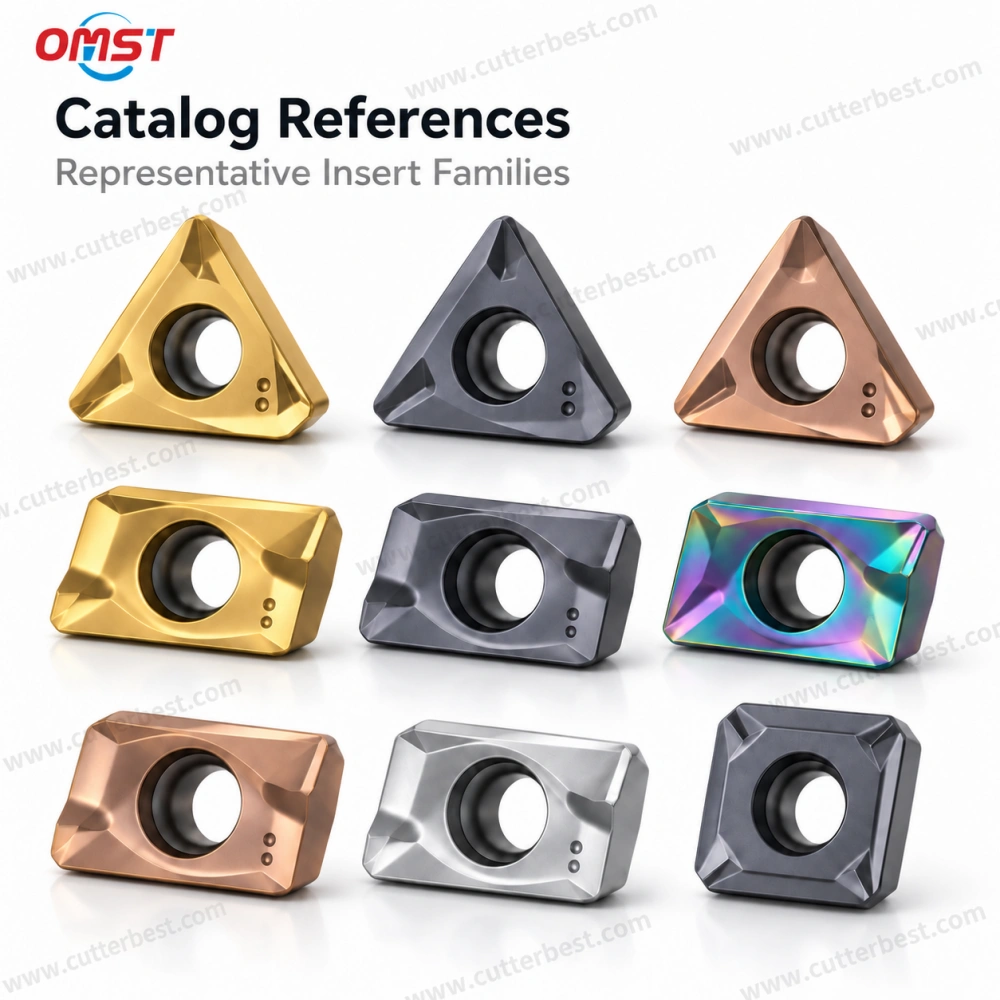
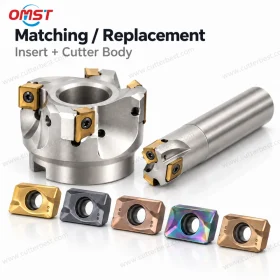
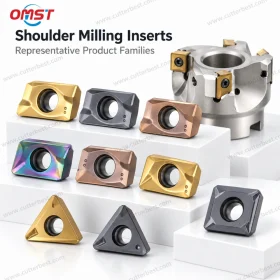
Shoulder Milling Insert Product Range
Shoulder milling inserts are grouped according to the machining application and corresponding cutter system rather than by insert shape alone. This keeps the product range separate from shape-based categories such as Square Milling Inserts.
This page focuses on replaceable inserts for confirmed shoulder milling systems. Cutter body references are used to support insert identification, matching review, and quotation rather than being presented as complete cutter-body products.
For the broader carbide insert range, see Milling Inserts.
90° Shoulder Milling References
The following insert references have been confirmed for 90° shoulder milling systems and can serve as references for inquiry review.
| Insert Reference | Corresponding Cutter Body References | Confirmed Operations | Confirmed Workpiece Materials |
|---|---|---|---|
| ADGT | MET190 / MHT190 | Side wall milling, cavity milling, slot milling, plunge milling | Titanium alloy / high-temperature alloy, stainless steel, steel, cast iron |
| APMT1135 | EMP05 / BAP / ASSM | Shoulder milling, face milling, slot milling | Steel, stainless steel |
| APMT1604 | BAP / ASSM / M104 | Shoulder milling, face milling, slot milling, rough machining | Steel, stainless steel, cast iron, hard materials |
These references are provided for inquiry purposes and do not represent a complete stock or model list. Actual product confirmation depends on the complete insert designation, cutter system, insert pocket, and project requirement.
APMT1135 and APMT1604 are confirmed shoulder-system references on this page, but the APMT family itself covers broader insert requirements. For family-level APMT inquiries, see APMT Milling Inserts.
Other Shoulder Milling Insert Requirements
If your required shoulder milling insert is not included in the references above, send the complete insert code whenever available.
When the exact designation is unknown, existing insert photos, packaging information, cutter body markings, pocket details, or available dimensions can provide a starting point for review.
The requirement should be confirmed against the actual cutter system rather than by assuming that another insert with a similar shape or size will fit.
Shoulder Milling and Cutter-System Information for Review
The machining application helps define the requirement, but the application name alone does not confirm the correct insert.
For a shoulder milling inquiry, useful information may include the required milling operation, existing cutter body model or marking, insert pocket information, clamping details, required shoulder geometry when known, and actual workpiece material.
Confirmed applications vary by insert reference. For example, ADGT has confirmed references for side wall, cavity, slot, and plunge milling, while APMT1135 and APMT1604 have their own confirmed application ranges.
Workpiece material should therefore be reviewed together with the relevant insert reference and cutter system rather than treated as a universal material recommendation for all shoulder milling inserts.
Shoulder Insert Matching and Replacement Review
When sourcing a shoulder milling insert replacement, the cutter system is as important as the basic insert shape or size.
Two inserts may appear similar while differing in dimensions, pocket fit, mounting features, or other design details. OMIST reviews the available insert and cutter information before confirming the requirement.
Confirm the Complete Insert Designation
Start with the complete marking shown on the existing insert or packaging whenever possible.
A complete designation provides a clearer basis for review than a general family name such as APMT or a visual comparison alone. If the marking is incomplete or difficult to read, send clear photos of the existing insert.
Check the Cutter Body and Insert Pocket
For a cutter body and insert pocket review, useful information can include:
- Cutter body model or marking
- Existing insert marking
- Clear insert photos
- Complete cutter photo
- Empty insert pocket photo
- Relevant clamping or retaining details
- Available insert dimensions
This information helps review the replacement requirement without assuming automatic compatibility.
When the Insert Model Is Unknown
If the exact insert model cannot be identified, send the information already available rather than selecting a replacement only from appearance.
Existing insert photos, cutter markings, an empty pocket photo, packaging information, and available dimensions can all support the review. OMIST can then advise whether further information is needed before quotation.
Drawing-Based Non-Standard Insert Evaluation
If a standard catalog reference does not meet the requirement, OMIST can evaluate non-standard shoulder insert requirements from customer drawings and relevant application information.
Manufacturing feasibility is reviewed before quotation or production arrangements are confirmed.
Information to Include
For a drawing-based evaluation, provide the available:
- Drawing
- Required dimensions
- Existing insert or cutter reference, if applicable
- Workpiece material
- Machining operation
- Required quantity
A drawing submission starts the evaluation process but does not by itself confirm manufacturing feasibility.
How to Request a Shoulder Milling Insert Quote
Choose the inquiry path according to the information currently available.
When You Have the Complete Insert Code
Send the complete insert designation together with the required quantity.
If the insert must work with an existing cutter system and matching review is required, also provide the cutter body model or marking.
When Matching Review Is Needed
If the insert code alone does not confirm the complete requirement, provide the available information about the existing insert and cutter system.
Photos of the insert, cutter body, insert pocket, or relevant marking can help with the matching review. For non-standard requirements, a drawing can be evaluated through the drawing-based feasibility process above.
Shoulder Milling Inserts FAQ
Are Shoulder Milling Inserts the Same as Square Milling Inserts?
No. Square Milling Inserts are grouped mainly by insert shape, while shoulder milling inserts are grouped according to shoulder milling application and the corresponding cutter system.
An insert may look square or near-square without automatically becoming a confirmed shoulder milling replacement.
Are Shoulder Milling Inserts the Same as APMT Inserts?
No. APMT is an insert family or designation group, while Shoulder Milling Inserts is an application- and cutter-system-based product category.
APMT1135 and APMT1604 are confirmed references for specific shoulder milling systems on this page, but this does not mean that every APMT insert automatically belongs to or matches an existing shoulder milling cutter system.
Are Shoulder Milling Inserts the Same as Shoulder Milling Cutters?
No. Shoulder milling inserts are the replaceable cutting inserts. A shoulder milling cutter is the cutter body or complete tooling system that holds the inserts.
This page focuses on inserts; cutter body information is used for matching and inquiry review.
Can Non-Standard Shoulder Insert Requirements Be Evaluated From Drawings?
Yes. OMIST can review customer drawings, required dimensions, cutter references, workpiece material, machining operation, and quantity before confirming manufacturing feasibility and quotation.
Request a Quote for Shoulder Milling Inserts
Send your shoulder milling insert requirement to OMIST for review. If the exact model is unknown, send the available insert and cutter-system information for matching review.
For a quotation, contact us by email at sales@cutterbest.com or WhatsApp at +86 159 0755 2669.