 Cortadores de fresagem de precisão,Ferramentas de corte para usinagem CNC de todos os materiais



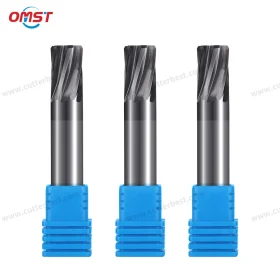
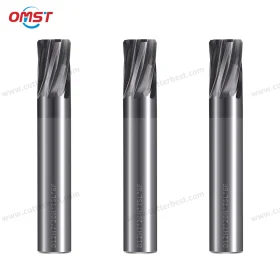
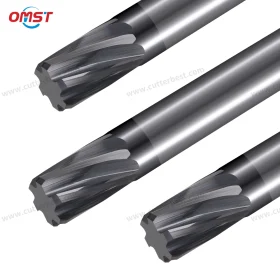

6 Opções de especificação de fresa de topo de canal
For buyers sourcing a 6 moinho de extremidade de flauta, OMIST supplies standard and custom specifications for different machining requirements. Customers can select the main dimensions and cutting geometry according to a drawing, cortador existente, material da peça, ou aplicação de usinagem.
| Especificação | Opções disponíveis |
|---|---|
| Diâmetro de corte | Tamanhos métricos ou polegadas padrão; diâmetros personalizados disponíveis |
| Comprimento da Flauta | Comprimento de flauta padrão ou personalizado |
| Comprimento total | Padrão, extended, or custom overall length |
| Diâmetro da haste | Diâmetro da haste padrão ou personalizado |
| Ângulo de hélice | 35° standard or application-specific custom geometry |
| Geometria final | Plano / Square or custom geometry after review |
| Corte Central | Available according to tool design and application |
| Revestimento | Selected according to material and machining conditions |
| Tolerância | Standard production tolerance or drawing-specified precision after review |
OMIST confirms final specifications according to the combination of cutter dimensions, material da peça, dureza, geometria, revestimento, operação de usinagem, e requisitos de pedido.
6 Flute End Mill Applications & Seleção
UM 6 flute end mill suits machining operations that require good tool rigidity, corte estável, and consistent surface quality. É comumente usado para fresamento lateral, perfil, contorno, semi-acabamento, e acabamento.
Portanto, tool selection should consider the workpiece material, dureza, profundidade de corte, engate radial, rigidez da máquina, método de refrigeração, revestimento, e acabamento superficial necessário.
Steel and Stainless Steel Machining
Carboneto sólido 6 flute end mills suit steel, aço inoxidável, liga de aço, aço para ferramentas, and other confirmed materials.
A classe de metal duro, geometria da borda, revestimento, and cutting parameters should match the exact workpiece material and hardness. Além disso, stainless steel applications require stable tool holding and controlled tool overhang because heat generation and work hardening can affect cutting performance.
OMIST can evaluate other materials according to the machining operation and cutting conditions.
Fresamento lateral, Profiling and Finishing
The six-flute geometry provides multiple cutting edges and a strong tool core, which supports controlled side milling, fresagem de perfil, usinagem de contorno, semi-acabamento, e acabamento.
More cutting edges can help maintain stable engagement and consistent cutting marks during finishing. No entanto, final surface quality also depends on tool runout, condição de titular, rigidez da máquina, percurso, velocidade, alimentar, e material da peça.
Shallow slotting may also be suitable when chip evacuation remains sufficient.
Flute Count and Chip Evacuation Selection
Six flutes provide good rigidity and multiple cutting edges, but they leave less flute space for chip evacuation than lower-flute designs.
For deep full-width slotting, desbaste pesado, or other chip-intensive operations, a lower flute count may provide more chip space and more reliable chip evacuation.
For a direct finishing comparison, ver Finishing Selection: 4 contra 6.
To compare several flute counts, ver 2 / 4 / 6 Flute Selection Guide.
6 Flute End Mill Key Features
Construção Sólida em Metal Duro
Solid carbide provides the rigidity and cutting-edge stability required for CNC milling applications.
Six-Flute Geometry
The six-flute design provides multiple cutting edges and a strong tool core for stable side milling, perfil, semi-acabamento, e acabamento.
Plano / Square End Geometry
Flat and square end designs suit straight walls, ombros, recursos de fundo plano, fresagem lateral, e passes finais.
OMIST can also evaluate custom end geometry according to the machining requirement.
Center-Cutting Options
OMIST offers center-cutting designs according to the tool diameter, geometria final, e aplicação de usinagem.
The final entry method should match the cutter design and cutting conditions.
Custom Helix and Flute Geometry
OMIST offers a 35° helix as a standard option. We can also evaluate custom helix angles, variable helix, passo variável, unequal flute spacing, and other application-specific geometries.
Coolant Options
External coolant suits standard applications. OMIST can also evaluate internal coolant designs according to the tool diameter, geometria da flauta, and coolant-hole arrangement.
Personalizado 6 Flute End Mill Manufacturing
OMIST manufactures custom 6 flute end mills according to drawings, amostras, especificações de cortador existentes, ou requisitos de usinagem.
Custom options can include non-standard dimensions, extended length, special shank or reach, ângulo de hélice, geometria da flauta, geometria final, design de corte central, coolant configuration, revestimento, tolerância, marcação, e embalagem.
Customers can send the available specifications first. We will then review the workpiece material, dureza, operação de usinagem, dimensões da ferramenta, and other requirements before confirming the final design and quotation.
Perguntas frequentes
Que materiais um 6 flute end mill machine?
UM 6 flute end mill suits steel, aço inoxidável, liga de aço, aço para ferramentas, and other confirmed materials. The final carbide grade, geometria, and coating should match the workpiece material, dureza, e condições de usinagem.
Are center-cutting 6 flute end mills available?
Sim. OMIST offers center-cutting designs according to the tool diameter, geometria final, e aplicação de usinagem.
Can you manufacture custom 6 fresas de topo de flauta?
Sim. We can manufacture custom dimensions, extended lengths, special shanks or reach, ângulos de hélice, geometria da flauta, projetos de corte central, coolant configurations, revestimentos, tolerâncias, marcação, and packaging according to the application requirements.
How do I choose the coating?
O revestimento deve corresponder ao material da peça, dureza, condições de corte, método de refrigeração, e vida útil necessária da ferramenta. Portanto, we review the application before confirming a suitable coating option for production.
Quais informações são necessárias para uma cotação?
Please send the available tool dimensions, workpiece material and hardness, operação de usinagem, exigência de revestimento, e quantidade. Além disso, um desenho, especificação de cortador existente, amostra, or reference model is helpful for custom tools.
Envie seu 6 Flute End Mill Inquiry
Precisa de um padrão ou personalizado 6 moinho de extremidade de flauta? Envie seu desenho, lista de tamanhos, ou exigência de usinagem por e-mail, ou entre em contato conosco no WhatsApp para uma cotação.
E-mail: sales@cutterbest.com
WhatsApp: Contact us on WhatsApp