 Cortadores de fresagem de precisão,Ferramentas de corte para usinagem CNC de todos os materiais

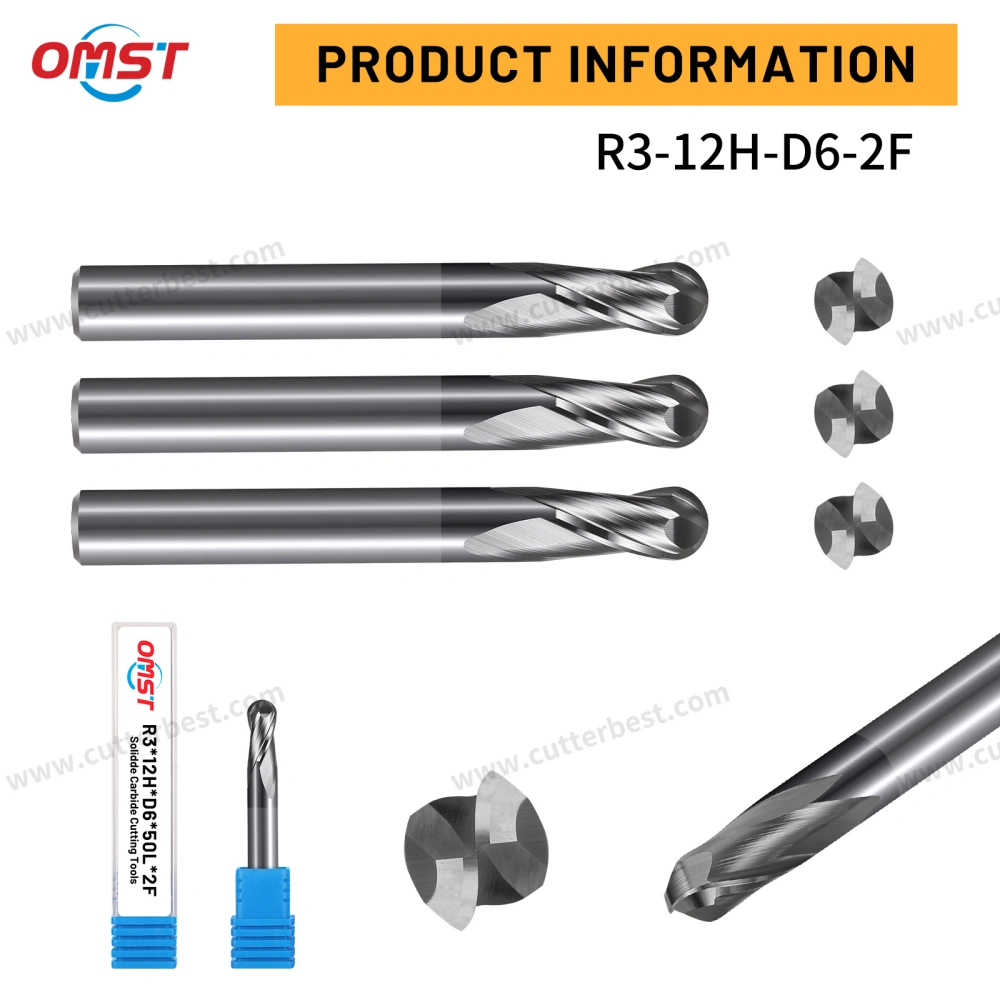
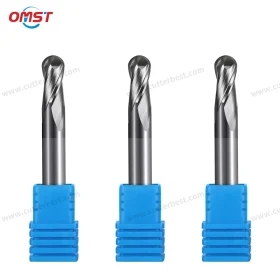
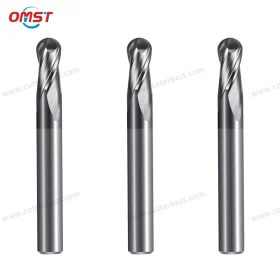
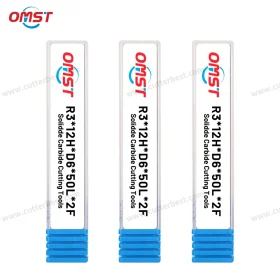
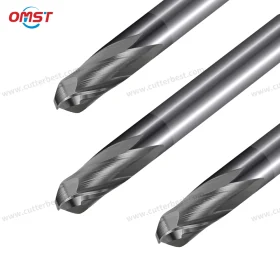
Carbide ball nose end mills have fully rounded cutting ends that follow curved surfaces and complex CNC toolpaths. This geometry makes them suitable for 3D contouring, acabamento de cavidade de molde, die machining, sculpted profiles, and precision surface finishing.
CutterBest manufactures standard and custom carbide cutters for CNC machining shops, fabricantes de moldes, industrial users, e distribuidores de ferramentas de corte. Customers can select different diameters, contagens de flauta, comprimentos de corte, neck lengths, classes de metal duro, and coatings according to the workpiece material and machining conditions.
O que é uma fresa de topo esférico?
A ball nose end mill is a rotary milling tool with a hemispherical cutting end. Ao contrário de uma fresa de topo plano, it does not produce a fully flat-bottom cutting profile. Em vez de, the rounded end moves smoothly across curved surfaces and helps create gradual transitions between different contours.
Machinists commonly use this tool after rough machining to finish molds, morre, cáries, raios, and three-dimensional parts. The correct cutter geometry and toolpath can also reduce visible tool marks and lower the amount of secondary polishing required.
For flat-bottom slots, bolsos, passos, e ombros quadrados, por favor veja nosso fresa de topo plano produto.
For a side-by-side comparison of cutting geometry, machining results, e aplicações adequadas, leia nosso fresa de topo esférico vs guia de fresa de topo plano.
Principais características
Full-Radius Cutting End
The rounded cutting end follows curved and freeform surfaces more smoothly than a flat-bottom cutter. Portanto, it is well suited to complex profiles, cavidades de molde, raios, and detailed 3D finishing.
Para um design padrão de extremidade esférica completa, o raio da ponta é normalmente metade do diâmetro de corte. Custom cutting diameters, comprimentos de flauta, neck lengths, tamanhos de haste, and overall lengths can be evaluated according to drawings or machining requirements.
Construção Sólida em Metal Duro
We manufacture these cutters from tungsten carbide to provide rigidity, resistência ao desgaste, and stable performance during CNC milling.
The appropriate carbide grade depends on the workpiece material, dureza, diâmetro da ferramenta, profundidade de corte, e condições de usinagem. Portanto, customers should provide the material and hardness information when requesting a quotation.
Várias opções de flauta
We can manufacture cutters with 1–6 flutes. No entanto, 2-flute and 4-flute designs are the most common.
A 2-flute design usually provides more chip space and suits aluminum, cobre, grafite, and other applications that require efficient chip evacuation. Em contraste, a 4-flute design provides more cutting edges and often suits steel, mold materials, e operações de acabamento.
Other flute counts can be evaluated according to the cutter diameter, material da peça, surface finish target, and CNC machining conditions.
Opções de revestimento
Different workpiece materials require different edge treatments and coatings. Available options include:
- TiAlN
- AlTiN
- AlCrN
- TiSiN
- TiN
- DLC
- Nano Azul
- Nanorrevestimento
- Uncoated carbide
- Customized coatings
For aluminum and other non-ferrous materials, sharp cutting edges and polished flutes may be more important than a conventional coating. Para aço, aço inoxidável, e materiais endurecidos, a suitable heat-resistant coating can improve wear resistance and tool life.
Tamanhos padrão e personalizados
The standard cutting diameter range is 1–20mm. Além disso, we can evaluate smaller or larger diameters according to the cutter structure, contagem de flauta, profundidade de usinagem, e quantidade do pedido.
Customers can also request custom flute length, comprimento total, diâmetro da haste, comprimento do pescoço, long-reach geometry, classe de metal duro, revestimento, e tolerâncias dimensionais.
Ball Nose End Mill Applications
These cutters are commonly used for CNC finishing operations that involve curved, three-dimensional, or freeform surfaces.
As aplicações típicas incluem:
- 3Fresamento de contorno D
- Acabamento da cavidade do molde
- Usinagem de matrizes e moldes
- Acabamento de superfície curva
- Usinagem de raios e perfis
- Usinagem de superfície esculpida
- Automotive mold production
- Aerospace component finishing
- Medical and precision part machining
- Usinagem de eletrodo de grafite
- Usinagem de eletrodo de cobre
- CNC engraving and detailed finishing
Um diâmetro menor pode atingir cavidades estreitas e detalhes finos. Enquanto isso, a larger diameter can improve machining efficiency on wider curved surfaces. The final selection should consider the part shape, programmed step-over, required surface finish, e rigidez da máquina.
For a more detailed explanation of machining applications, ler para que serve uma fresa de topo esférica.
Opções de especificação
| Item | Opções disponíveis |
| Nome do produto | Fresa de ponta esférica / Cortador de nariz esférico |
| Cutter Material | Solid Tungsten Carbide |
| Diâmetro de corte | Standard 1–20mm; smaller and larger diameters can be evaluated |
| Extremidade de corte | Full-radius ball end |
| Contagem de Flauta | 1–6 flautas; 2-flute and 4-flute designs are the most common |
| Comprimento da Flauta | Padrão ou personalizado |
| Comprimento total | Padrão ou personalizado |
| Diâmetro da haste | Straight shank or customized |
| Neck Design | Standard neck, relieved neck, or long-reach design |
| Dureza da peça | Standard designs up to HRC65; selected designs may support HRC68–70 |
| Revestimento | TiAlN, AlTiN, AlCrN, TiSiN, TiN, DLC, Nano, não revestido, ou personalizado |
| Materiais da peça | Aço, aço inoxidável, alumínio, cobre, grafite, ferro fundido, molde de aço, e ligas |
| Aplicativo | 3Contorno D, acabamento de molde, usinagem de cavidade, superfícies curvas, e perfis de precisão |
| Serviço personalizado | Diâmetro, comprimento, haste, pescoço, contagem de flauta, classe de metal duro, revestimento, tolerância, and special geometry |
| Tipo de pedido | Sample orders, produção em lote, OEM, ODM, and distributor orders |
Ball Nose End Mills for Different Materials
Alumínio e Materiais Não Ferrosos
Ao usinar alumínio, cobre, e materiais semelhantes, efficient chip evacuation helps reduce chip accumulation and built-up edges.
Arestas de corte afiadas, larger flute space, flautas polidas, and suitable coatings can improve the surface finish. A 2-flute or 3-flute design may suit many non-ferrous applications, depending on the cutter diameter and machining method.
Aço e Aço Inoxidável
Steel and stainless steel require stable cutting edges, suitable carbide grades, and appropriate coatings.
Tool length and machine rigidity are also important because excessive overhang may cause vibration and reduce surface quality.
TiAlN, AlTiN, AlCrN, or another suitable coating can be selected according to the material, dureza, temperatura de corte, e condições do refrigerante.
Mold Steel and Hardened Materials
For mold steel and hardened materials, the cutter must provide sufficient edge strength, resistência ao calor, and wear resistance.
Standard cutter designs can support materials up to approximately HRC65. Selected carbide grades, preparações de borda, and coatings may support HRC68–70.
No entanto, feasibility depends on:
- Exact workpiece material
- Diâmetro do cortador
- Machining allowance
- Profundidade de corte
- Rigidez da máquina
- Toolpath
- Parâmetros de corte
Please provide complete machining information before ordering tools for high-hardness materials.
Eletrodos de grafite e cobre
Graphite machining requires good wear resistance and stable cutter geometry. Em contraste, copper electrode machining usually requires sharp cutting edges and a smooth flute surface.
We can recommend suitable carbide grades, revestimentos, and flute designs according to the electrode material, required surface finish, e quantidade de produção.
Are Ball Nose End Mills and Ball Mill Cutters the Same?
In CNC cutting tool applications, “ball nose end mill” and “ball mill cutter” usually refer to the same type of cutter with a fully rounded cutting end.
“Ball nose end mill” is the more formal and widely accepted name used in professional cutting tool catalogs. “Ball mill cutter” is a shorter term used by some buyers when searching for a milling cutter with a ball-shaped end.
Both terms normally describe a tool used for 3D contour milling, acabamento de cavidade de molde, usinagem de superfície curva, and complex profile finishing.
No entanto, a ball mill cutter should not be confused with a ball mill machine used for grinding powders or bulk materials.
For more information about this alternative product name, leia nosso ball mill cutter guide.
Como escolher uma fresa de topo esférico
Select the Cutting Diameter
The cutting diameter should match the workpiece radius, cavity width, tamanho do detalhe, e espaço de usinagem disponível.
A smaller diameter suits fine details, narrow areas, and small radii. A larger diameter can improve machining efficiency on wider curved surfaces.
Confirm the Flute Length and Overall Length
Choose a flute length and overall length that reach the required machining depth without adding unnecessary overhang.
A cutter that is too long may vibrate and produce visible surface marks. Para cavidades profundas, a relieved neck or long-reach design may provide better access than an excessively long flute.
Match the Flute Design to the Material
The flute count, helix, preparação de ponta, and chip space should match the workpiece material and operation.
Por exemplo, aluminum normally requires efficient chip evacuation and sharp cutting edges. Steel and hardened materials generally require stronger edges, geometria estável, e um revestimento adequado.
Choose a Suitable Coating
The coating should match the material hardness, temperatura de corte, condição do líquido refrigerante, and machining method.
An unsuitable coating or edge treatment may increase chip adhesion, shorten tool life, or reduce surface quality.
Verifique a estabilidade da máquina e do porta-ferramentas
Rigidez da máquina, tool-holder condition, tool runout, and cutter overhang directly affect the final surface finish.
Portanto, use the shortest practical tool length and confirm that the machine and holder can support the required finishing operation.
For more selection information, ler como escolher uma fresa de topo esférica.
If the finishing operation may require a flat, nariz de bola, nariz de touro, or material-specific cutter, compare the available options in our soluções de fresas de acabamento para usinagem CNC.
Custom Ball Nose End Mill Manufacturing
Standard cutters may not suit every mold, cavidade, raio, or special CNC component. Portanto,CutterBest supports custom ball nose end mill production according to drawings, amostras, listas de tamanhos, e requisitos de usinagem.
As opções personalizadas incluem:
- Diâmetros de corte fora do padrão
- Custom flute lengths
- Custom overall lengths
- Custom shank diameters
- Relieved-neck and long-reach designs
- 1–6 flute configurations
- Special carbide grades
- Coated or uncoated cutting edges
- Custom dimensional tolerances
- Marcação a laser OEM
- Embalagem neutra ou de marca própria
Por favor, forneça:
- Material da peça
- Dureza da peça
- Diâmetro de corte
- Comprimento da flauta
- Comprimento total
- Diâmetro da haste
- Contagem de flauta
- Requisito de revestimento
- Quantidade
- Tolerância necessária
A clear drawing is recommended for non-standard tools.
Perguntas frequentes
What is a ball nose end mill used for?
Machinists use it for 3D contour milling, acabamento de superfície curva, cavidades de molde, morre, raios, sculpted profiles, e acabamento CNC de precisão. Its rounded cutting end follows complex surfaces more smoothly than a flat-bottom cutter.
Is a ball nose end mill the same as a ball mill cutter?
In CNC cutting tool applications, the two names usually describe the same rounded-end milling tool. No entanto, “ball nose end mill” is the more formal product name used in professional tool catalogs.
Can a ball nose end mill machine a flat-bottom pocket?
Pode usinar fundos de cavidades curvas, mas não cria eficientemente um perfil de fundo totalmente plano. Uma fresa de topo plano geralmente é mais adequada para bolsões de fundo plano, slots, passos, e ombros.
Qual contagem de flauta devo escolher?
Two-flute and four-flute designs are the most common.
A 2-flute cutter provides more chip space, while a 4-flute cutter provides more cutting edges and may improve finishing stability. Other flute counts can be evaluated according to the cutter diameter, material da peça, e condições de usinagem.
Can you manufacture cutters for HRC68–70 materials?
Selected carbide grades, revestimentos, and cutter designs may support materials in the HRC68–70 range.
No entanto, feasibility depends on the exact workpiece material, diâmetro do cortador, subsídio de usinagem, percurso, rigidez da máquina, e parâmetros de corte.
Can you customize the cutter dimensions?
Sim. Podemos personalizar o diâmetro de corte, comprimento da flauta, comprimento total, diâmetro da haste, comprimento do pescoço, contagem de flauta, revestimento, classe de metal duro, and tolerance according to drawings or machining requirements.
What information do you need for a quotation?
Forneça o diâmetro de corte, comprimento da flauta, comprimento total, diâmetro da haste, contagem de flauta, revestimento, material da peça, dureza, quantidade, and delivery location.
Para ferramentas fora do padrão, please also send a drawing or sample.
Envie seu requisito de fresa de ponta esférica
Need standard or custom carbide ball nose end mills for mold machining, superfícies curvas, or 3D contour finishing?
Send us your size list, desenho, material da peça, dureza, exigência de revestimento, e quantidade. Nossa equipe analisará a aplicação e fornecerá uma proposta e cotação de ferramenta adequada.
Envie suas necessidades para sales@cutterbest.com