 Cortadores de fresagem de precisão,Ferramentas de corte para usinagem CNC de todos os materiais

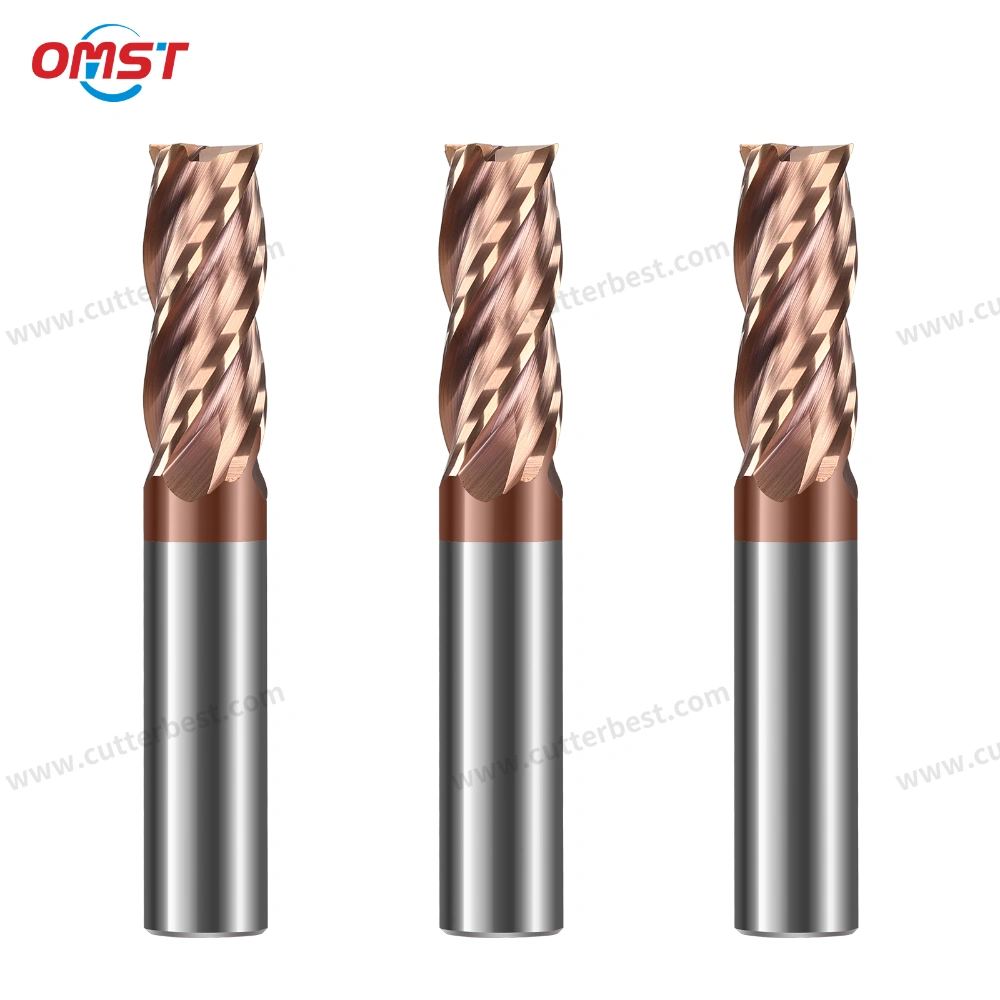
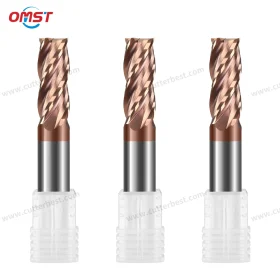
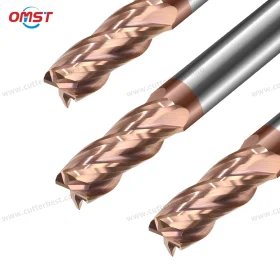
As fresas de topo para desbaste removem o material antes do semiacabamento ou acabamento. Suas arestas de corte serrilhadas dividem os cavacos em seções menores, o que melhora o controle de cavacos e reduz a resistência ao corte durante operações adequadas de usinagem de desbaste.
O nome da ferramenta por si só não determina se uma fresa terá um bom desempenho. O design correto também depende do material da peça, dureza, subsídio de usinagem, diâmetro do cortador, comprimento da flauta, rigidez da máquina, balanço da ferramenta, condição de titular, e estratégia de corte.
Nossa oferta padrão concentra-se em fresas de desbaste de metal duro para usinagem CNC. Opções de HSS e cobalto HSS também estão disponíveis para máquinas convencionais selecionadas, tamanhos de cortador maiores, velocidades de corte mais baixas, ou requisitos especiais do cliente.
Por que usar uma fresa de desbaste serrilhada?
Controle de cavacos aprimorado
Uma aresta de corte lisa pode produzir cavacos longos ou contínuos durante cortes pesados. Em comparação, uma borda serrilhada divide o cavaco ao longo do canal e cria seções de cavaco menores.
Esta ação de quebra de cavacos reduz o acúmulo de cavacos em cavidades e ranhuras. Também reduz o risco de recortar quando o desenho do canal, método de refrigeração, e percurso correspondem à operação.
Remoção Eficiente de Estoque
As fresas de desbaste destinam-se a remover a margem de usinagem em vez de produzir a superfície final.
Eles são comumente usados antes de um passe de semiacabamento ou acabamento em cavidades de moldes, bolsos, slots, paredes laterais, peças forjadas, componentes fundidos, e peças usinadas em CNC em geral.
Menor resistência ao corte
A aresta serrilhada interrompida não encaixa na peça de trabalho da mesma forma que uma aresta de acabamento contínua. Como resultado, a carga de corte é mais fácil de gerenciar em operações de desbaste adequadas.
O desempenho real depende da máquina, titular, profundidade de corte, engate radial, balanço da ferramenta, condição do líquido refrigerante, e material da peça.
Design flexível de ferramentas
Diferentes condições de usinagem exigem diferentes contagens de canais, passos serrilhados, classes de metal duro, revestimentos, e comprimentos de ferramentas.
Selecionar uma fresa de desbaste apenas pelo diâmetro pode levar a um mau escoamento de cavacos, vibração, dano de borda, ou vida útil instável da ferramenta. Recomendamos revisar a condição completa da usinagem antes de confirmar a especificação final.
Opções disponíveis de fresas de desbaste
Cortadores de desbaste de metal duro
Metal duro é a principal opção para usinagem CNC moderna. Proporciona boa rigidez, resistência ao desgaste, e estabilidade de corte quando a geometria da ferramenta corresponde à peça e operação.
Diferentes classes de metal duro estão disponíveis para aços em geral, aço inoxidável, ferro fundido, ligas de titânio, e aplicações selecionadas de materiais endurecidos.
Fresas de desbaste HSS
HSS M2, M35, e fresas de desbaste M42 estão disponíveis mediante solicitação.
Essas ferramentas podem ser adequadas para máquinas convencionais, velocidades de corte mais baixas, tamanhos de cortador maiores, corte interrompido, ou aplicações que exigem maior tenacidade da ferramenta. Eles não são a principal opção para usinagem CNC de alta velocidade, mas eles permanecem úteis sob condições selecionadas.
Fresas de desbaste de passo grosso
Cortadores de passo grosso têm espaçamento maior entre os dentes serrilhados. Portanto, eles fornecem mais espaço para cavacos e geralmente são adequados para materiais macios ou formadores de cavacos.
Eles são frequentemente considerados para alumínio, cobre, aço carbono macio, e outras aplicações onde o escoamento de cavacos é uma grande preocupação.
Fresas de desbaste de passo fino
Cortadores de passo fino têm dentes serrilhados mais próximos. Eles normalmente proporcionam um engate mais suave e uma remoção de material mais estável.
Eles geralmente são adequados para aço carbono, liga de aço, aço inoxidável, ferro fundido, ligas de titânio, e aplicações selecionadas de aço endurecido.
O passo ainda precisa corresponder ao diâmetro da fresa, subsídio de usinagem, operação, e rigidez da máquina.
Várias opções de flauta
Nós podemos produzir 2-, 3-, 4-, 5-, e projetos de desbaste de 6 canais. No entanto, nem todo número de canais se adapta a todos os diâmetros de fresa ou material de peça.
Menos canais normalmente fornecem mais espaço para cavacos. Em contraste, mais canais fornecem arestas de corte adicionais e podem melhorar a estabilidade sob condições adequadas.
Um projeto de 4 canais é uma escolha comum para desbaste de aço em geral, mas não deve ser tratado como uma solução universal.
Como escolher fresas de desbaste
Comece com o material da peça de trabalho
A classe e a dureza da peça influenciam a classe do metal duro, contagem de flauta, passo serrilhado, revestimento, preparação de borda, e estratégia de corte.
Por exemplo, o alumínio precisa de arestas vivas e espaço suficiente para cavacos. O aço inoxidável requer controle de calor e corte estável. O ferro fundido precisa de resistência ao desgaste, enquanto as ligas de titânio exigem controle cuidadoso do calor de corte e do engate da ferramenta.
Confirme a operação de usinagem
Desbaste de bolso, desbaste de ranhura, fresagem lateral, desbaste de molde, corte completo, e fresamento trocoidal criam cargas diferentes na ferramenta.
Uma fresa que funciona bem para desbaste lateral pode não ser a melhor opção para um canal profundo e de largura total. Portanto, confirme a operação e o percurso antes de selecionar a geometria da ferramenta.
Verifique a rigidez da máquina e do suporte
Longo balanço da ferramenta, fixação fraca, desvio do fuso, potência insuficiente da máquina, e fixação instável pode causar vibração, lascamento de borda, ou falha prematura da ferramenta.
Use o cortador e o comprimento de canal mais curtos sempre que possível. Um suporte rígido e uma configuração estável da peça também são importantes para remoção pesada de material.
Combine a contagem da flauta com o espaço do chip
Uma ferramenta com muitos canais pode não fornecer espaço suficiente para cavacos para um material macio ou adesivo. Por outro lado, poucos canais podem reduzir a estabilidade de corte em algumas aplicações de aço.
A contagem final de flautas deve corresponder ao material, diâmetro do cortador, engate radial, profundidade de corte, percurso, e método de refrigerante.
Selecione o revestimento por material
O revestimento deve suportar o material da peça e a temperatura de corte. Não deve ser selecionado apenas pela aparência ou preço.
A seleção do revestimento também precisa considerar o uso do líquido refrigerante, velocidade de corte, estabilidade da máquina, e o equilíbrio necessário entre afiação da aresta e resistência ao desgaste.
Orientação para seleção de materiais
As recomendações a seguir fornecem um ponto de partida geral. A contagem final da flauta, tom, revestimento, classe de metal duro, e as dimensões da ferramenta devem corresponder ao grau real do material, dureza, diâmetro do cortador, máquina, e operação de usinagem.
| Material da peça | Direção Comum da Ferramenta | Notas de seleção |
|---|---|---|
| Aço Carbono e Aço Liga | 4-flauta, cortador de metal duro de passo fino; TiAlN ou AlTiN | Combine a classe de metal duro e o revestimento com a dureza, subsídio de estoque, corte de calor, e potência da máquina. |
| Aço inoxidável | Fresa de metal duro de passo fino; AlTiN ou TiSiN | Controlar o calor, reduza o balanço desnecessário da ferramenta, e manter a evacuação de cavacos estável. |
| Ferro fundido | Fresa de metal duro de passo fino; TiAlN ou design sem revestimento selecionado | Priorize a resistência da aresta e a resistência ao desgaste porque o ferro fundido pode ser abrasivo. |
| Ligas de alumínio e cobre | 2- ou 3 flautas, cortador de passo grosso; DLC ou não revestido | Use arestas de corte afiadas e espaço de canal suficiente para reduzir a adesão de cavacos e o recortamento. |
| Ligas de titânio | Fresa de metal duro de passo fino específica para aplicação; AlTiN ou TiSiN | Controlar o engate radial, corte de calor, entrega de refrigerante, e balanço da ferramenta. |
| Aço Endurecido | Fresa de metal duro personalizada de passo fino; AlTiN ou TiSiN | Aplicações selecionadas até aproximadamente HRC 60 requerem uma configuração de máquina rígida, saliência curta, e remoção controlada de estoque. |
Essas instruções não são regras fixas. A seleção final da ferramenta deve ser baseada na condição completa de usinagem.
Opções de revestimento
TiAlN
TiAlN é comumente considerado para aço carbono, liga de aço, e aplicações selecionadas de ferro fundido. Ele fornece um equilíbrio prático entre resistência ao calor e resistência ao desgaste para usinagem de desbaste geral.
AlTiN
AlTiN fornece boa resistência ao calor e à oxidação. Pode servir em aço, aço inoxidável, e aplicações selecionadas de materiais endurecidos.
TiSiN
TiSiN pode ser adequado para corte em alta temperatura e materiais difíceis, como aço inoxidável e ligas de titânio.
DLC
O DLC oferece baixo atrito e ajuda a reduzir a adesão do material ao usinar alumínio, cobre, e outros materiais não ferrosos.
Para ligas abrasivas de alumínio fundido com alto teor de silício, como aplicações selecionadas A380 ou ADC12, um DLC ou outro revestimento específico para aplicação pode melhorar a resistência ao desgaste.
Não revestido
Uma fresa não revestida mantém uma aresta de corte afiada e geralmente é adequada para tipos comuns de alumínio forjado, como 6061 e 7075.
A escolha exata depende da liga, método de refrigeração, geometria do cortador, e condições de corte.
TiN
O TiN está disponível principalmente para fresas de desbaste HSS selecionadas e requisitos de usinagem convencional. Normalmente não é a primeira escolha de revestimento para ferramentas modernas de desbaste de metal duro.
Quando uma fresa de desbaste pode não ser a melhor escolha
Uma fresa de desbaste serrilhada não é adequada para todas as operações.
Pode não ser a melhor escolha quando:
- A peça tem apenas uma pequena quantidade de estoque restante.
- A operação requer acabamento superficial final e tolerância dimensional.
- O componente tem paredes muito finas ou flexíveis.
- A máquina ou suporte não tem rigidez suficiente.
- A ferramenta requer balanço excessivo.
- A dureza do material ou condição de usinagem excede o projeto da ferramenta.
Para diâmetros de fresa muito grandes, altos requisitos de remoção de estoque, ou centros de usinagem poderosos, uma fresa intercambiável pode fornecer uma solução mais econômica.
Em outros casos, uma fresa de topo padrão, fresa de acabamento, ou outra estratégia de usinagem pode fornecer um resultado melhor.
Erros comuns de seleção e usinagem
Usando um cortador de desbaste para acabamento final
Uma aresta de corte serrilhada normalmente deixa uma superfície mais áspera do que uma aresta de acabamento lisa.
Use a fresa de desbaste para remover a maior parte do material. Depois deixe uma quantidade controlada de material para a passada final de acabamento.
Escolhendo o revestimento errado para alumínio
Um revestimento destinado ao aço pode aumentar a adesão do material ao usinar alumínio.
Superfícies não revestidas ou revestidas com DLC são frequentemente mais adequadas porque suportam arestas de corte afiadas e reduzem o atrito. A escolha final depende do tipo de alumínio e da condição do líquido refrigerante.
Usando balanço excessivo da ferramenta
O balanço longo reduz a rigidez da ferramenta e aumenta o risco de vibração.
Use o comprimento de flauta prático mais curto, comprimento do pescoço, e comprimento total. Se uma cavidade profunda exigir uma ferramenta longa, ajuste a geometria da fresa e a estratégia de corte de acordo.
Ignorando a evacuação de chips
A má evacuação dos cavacos pode causar o novo corte dos cavacos, acúmulo de calor, dano de borda, e corte instável.
Contagem de flauta, passo serrilhado, refrigerante, explosão de ar, percurso, e a profundidade do bolsão devem ser consideradas em conjunto.
Selecionando apenas pelo diâmetro do cortador
Duas fresas com o mesmo diâmetro podem ter desempenho muito diferente devido ao número de canais, tom, classe de metal duro, revestimento, comprimento, preparação de borda, e design de haste.
Uma recomendação correta requer mais do que apenas o diâmetro da fresa.
Opções de especificação
As especificações a seguir descrevem nossa capacidade geral de fabricação. Nem todas as combinações se aplicam a todos os diâmetros de ferramenta ou condições de usinagem.
| Especificação | Opções disponíveis |
|---|---|
| Nome do produto | Fresas de topo de desbaste de metal duro |
| Ponta | Onda serrilhada / Vantagem para quebrar chips |
| Material primário da ferramenta | Carboneto Sólido |
| Material de ferramenta opcional | HSS M2, M35, ou M42 |
| Contagem de Flauta | 2, 3, 4, 5, ou 6 Flautas |
| Opções de argumento de venda | Passo Grosso, Passo fino, ou perfil serrilhado personalizado |
| Diâmetro típico do cortador | 2–32mm |
| Comprimento típico da flauta | 4–120mm |
| Comprimento total típico | 50–200mm |
| Opções de haste | Haste reta métrica padrão ou haste personalizada |
| Sistema de tamanho | Métrica; Tamanhos em polegadas e fora do padrão disponíveis mediante solicitação |
| Opções de comprimento | Padrão, Longo alcance, Pescoço Longo, ou comprimento total estendido |
| Materiais da peça | Aço, Aço inoxidável, Ferro fundido, Alumínio, Cobre, Ligas de titânio, e aço endurecido selecionado |
| Dureza da peça | Geralmente até aproximadamente HRC 60, Dependendo da aplicação |
| Opções de revestimento | TiAlN, AlTiN, TiSiN, DLC, TiN, ou não revestido |
| Tipo de pedido | Padrão, Amostra, Lote, ou produção personalizada |
A especificação final de fabricação depende do diâmetro da fresa, contagem de flauta, tom, material de ferramenta, revestimento, comprimento, tolerância, quantidade, e aplicação de usinagem.
Fresas de topo de desbaste personalizadas
Uma ferramenta de catálogo padrão pode não servir para todas as peças, máquina, ou processo de corte. Podemos fabricar fresas de desbaste personalizadas de acordo com um desenho, amostra, ferramenta existente, ou exigência de usinagem.
As opções personalizadas podem incluir:
- Diâmetro da fresa fora do padrão
- Comprimento de flauta personalizado e comprimento total
- Designs de longo alcance e pescoço longo
- Diâmetro e tolerância da haste personalizados
- 5- ou designs especiais de 6 flautas
- Grosso-, multar-, ou bordas serrilhadas com passo personalizado
- Geometria especial de ranhura para quebra de cavacos
- Carboneto sólido, metal duro de grão ultrafino, HSS, ou cobalto HSS
- Revestimento específico para aplicação
- Requisitos de diâmetro e tolerância da haste
- Marcação a laser, modelo de cliente, logotipo, e embalagem
Forneça a condição de usinagem completa antes da produção. Isto permite-nos rever a estrutura da ferramenta como uma solução completa em vez de tratar cada parâmetro separadamente.
Fresa de desbaste vs fresa de acabamento
As fresas de desbaste e acabamento atendem a diferentes etapas do processo de usinagem. Uma fresa de desbaste remove a maior parte do material, enquanto uma fresa de acabamento produz a superfície e as dimensões finais.
| Item de comparação | Fresa de desbaste | Fresa de acabamento |
|---|---|---|
| Objetivo principal | Remoção rápida de estoque | Superfície final e controle dimensional |
| Ponta | Borda quebra-cavacos serrilhada ou ondulada | Aresta de corte contínua e suave |
| Controle de chips | Quebra os chips em seções menores | Geralmente produz chips mais contínuos |
| Carga de corte | Adequado para remoção de material mais pesado | Adequado para cortes de acabamento mais leves |
| Resultado de superfície | Deixa uma superfície mais áspera e margem de acabamento | Produz uma superfície final mais lisa |
| Aplicativos comuns | Bolso, slot, lado, mofo, e desbaste geral | Perfil, dimensionamento final, acabamento de parede, e acabamento superficial |
Em um processo CNC típico, a fresa de topo de desbaste remove a maior parte do material primeiro. A fresa de acabamento remove então a margem restante e produz a qualidade de superfície e a precisão dimensional necessárias.
Quando a próxima etapa de usinagem requer uma superfície mais lisa, perfil final, ou controle dimensional, revise nosso soluções de fresas de topo com acabamento em metal duro.
Perguntas frequentes sobre fresas de topo de desbaste
Para que é usada uma fresa de topo de desbaste?
Uma fresa de topo para desbaste remove uma grande quantidade de material antes do semiacabamento ou acabamento. Sua aresta de corte serrilhada ajuda a quebrar cavacos e gerenciar a resistência ao corte durante a usinagem em desbaste.
Uma fresa de topo de desbaste pode ser usada para acabamento?
Pode fazer uma passagem de corte, mas geralmente não é recomendado para a operação de acabamento final. A borda serrilhada normalmente deixa uma superfície mais áspera do que uma fresa de acabamento liso.
Qual fresa de desbaste é adequada para alumínio?
Um cortador com pontas afiadas, espaço suficiente para chips, menos flautas, e um perfil serrilhado de passo grosso geralmente combina com alumínio. Um design sem revestimento ou com revestimento DLC também pode ser selecionado de acordo com o tipo de alumínio e a condição do líquido refrigerante.
Qual é a diferença entre tom grosso e tom fino?
O passo grosso proporciona mais espaço entre os dentes serrilhados e geralmente suporta o escoamento de cavacos em materiais macios ou adesivos.
O passo fino proporciona mais contatos de corte e normalmente produz um encaixe mais suave no aço, aço inoxidável, ferro fundido, e materiais semelhantes.
As fresas de desbaste podem usinar aço endurecido?
Fresas de metal duro personalizadas selecionadas podem ser usadas para aplicações de aço endurecido até aproximadamente HRC 60.
Aplicações entre HRC 55 e CDH 60 normalmente requerem uma configuração estável, engate radial limitado, carboneto e revestimento adequados, e uma estratégia de usinagem controlada. Esta não é uma solução de uso geral para todos os HRC 60 peça de trabalho.
Como posso reduzir a vibração durante o fresamento em desbaste?
Use a ferramenta prática mais curta, reduzir saliências desnecessárias, verifique o desvio do suporte, melhorar a fixação da peça, selecione um tom adequado e contagem de flauta, e ajuste o engate de corte.
Qual é a diferença entre uma fresa de topo de desbaste e uma fresa de suínos?
Um moinho de suínos é outro nome comum para uma fresa de topo de desbaste com arestas de corte serrilhadas ou quebra-cavacos.
No entanto, o perfil exato do dente, contagem de flauta, tom, e a aplicação pretendida podem variar entre os fabricantes.
As fresas de topo de desbaste podem ser usadas para fresamento trocoidal??
Sim. Fresas de topo de desbaste selecionadas podem ser usadas para percursos de ferramenta trocoidal ou adaptativos.
A geometria da fresa, engate radial, profundidade de corte, rigidez da máquina, e o método de evacuação de chips deve ser adequado à operação.
Você fornece tamanhos em polegadas?
Sim. Tamanhos métricos são a opção padrão, enquanto polegadas e outros tamanhos não padronizados podem ser fabricados de acordo com o desenho ou dimensões exigidas.
Quais informações são necessárias para a seleção da ferramenta?
Forneça o grau e a dureza do material, operação de usinagem, tamanho do cortador, profundidade de corte, tipo de máquina, informações do titular, desenho ou amostra, e quantidade necessária.
Você pode fabricar de acordo com um desenho?
Sim. Podemos revisar desenhos 2D, 3Modelos D, amostras, fotografias, ou especificações de ferramentas existentes antes de confirmar a produção.
Envie sua exigência de fresa de desbaste
Precisa de uma fresa de desbaste para usinagem de bolsões, desbaste de molde, corte de ranhura, fresagem lateral, ou outra operação de levantamento de stock? Envie por e-mail o material e a dureza da sua peça de trabalho, operação de usinagem, dimensões necessárias da ferramenta, informações da máquina e do suporte, desenho ou amostra, e peça a quantidade para sales@cutterbest.com. Analisaremos sua aplicação e recomendaremos uma fresa de topo de desbaste padrão ou personalizada adequada.
Produtos e recursos relacionados
Explore nosso Cortador de moinho de extremidade para ranhuramento geral, perfil, e aplicações de fresamento de bolsões.
O 4 Fresa de topo de flauta é uma opção comum para aço, aço inoxidável, e fresamento CNC em geral.
Precisa de designs de ferramentas de metal duro ou de fresamento personalizado? Veja nosso Fresa de topo de metal duro.
Aprenda sobre estruturas e aplicações comuns de fresas em nosso Guia de tipos de fresas.