 Freze de precizie,Scule de tăiere pentru prelucrarea CNC a fiecărui material

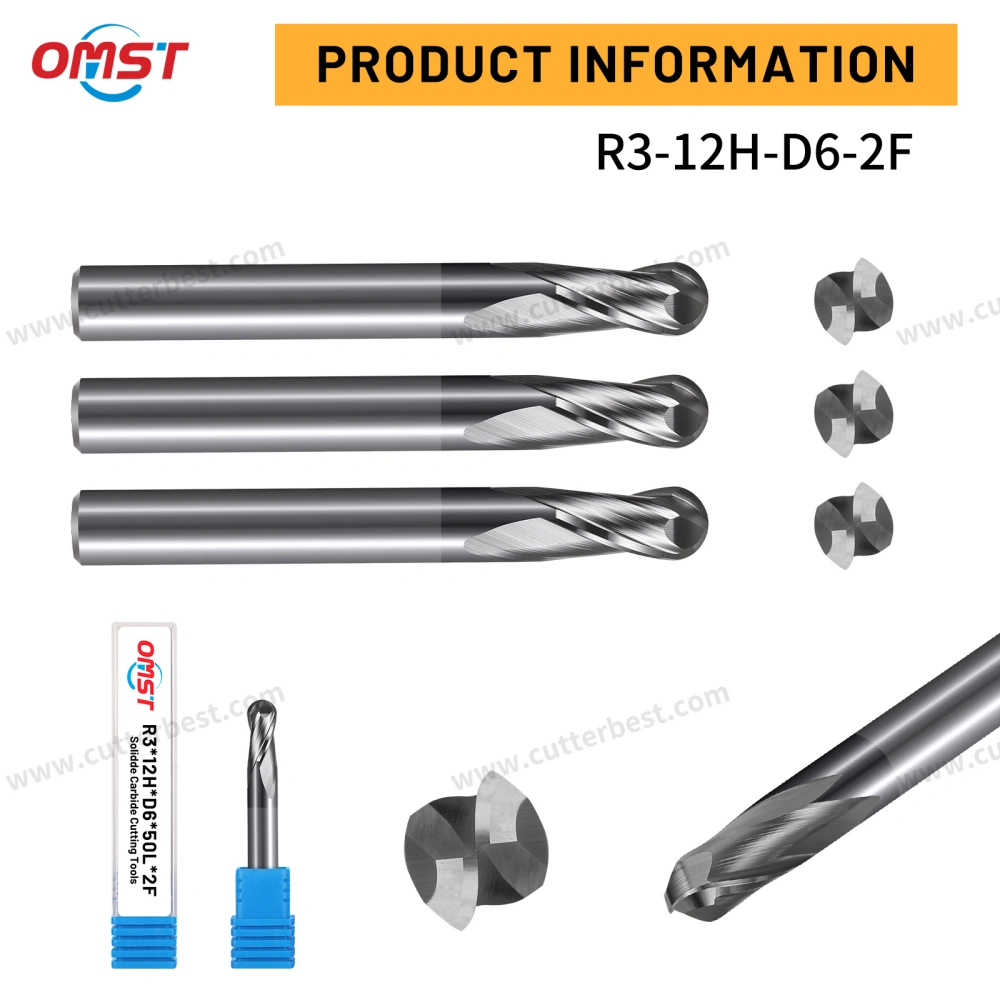
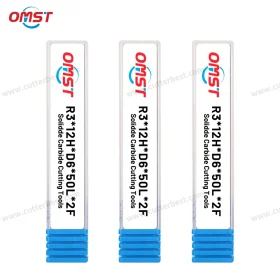
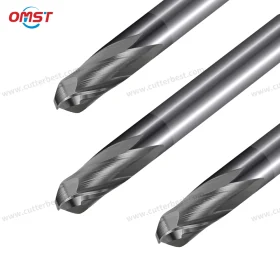
Carbide ball nose end mills have fully rounded cutting ends that follow curved surfaces and complex CNC toolpaths. This geometry makes them suitable for 3D contouring, finisarea cavității matriței, die machining, sculpted profiles, and precision surface finishing.
CutterBest manufactures standard and custom carbide cutters for CNC machining shops, mold manufacturers, industrial users, and cutting tool distributors. Customers can select different diameters, flaut numără, cutting lengths, neck lengths, clase de carbură, and coatings according to the workpiece material and machining conditions.
Ce este o freză cu cap bilă?
A ball nose end mill is a rotary milling tool with a hemispherical cutting end. Spre deosebire de o freză plată, it does not produce a fully flat-bottom cutting profile. În schimb, the rounded end moves smoothly across curved surfaces and helps create gradual transitions between different contours.
Machinists commonly use this tool after rough machining to finish molds, moare, carii, razele, and three-dimensional parts. The correct cutter geometry and toolpath can also reduce visible tool marks and lower the amount of secondary polishing required.
Pentru fantele cu fund plat, buzunare, trepte, și umerii pătrați, please view our moara plată produs.
For a side-by-side comparison of cutting geometry, machining results, and suitable applications, citeste-ne ball nose end mill vs flat end mill guide.
Caracteristici cheie
Full-Radius Cutting End
The rounded cutting end follows curved and freeform surfaces more smoothly than a flat-bottom cutter. Prin urmare, it is well suited to complex profiles, cavitățile de mucegai, razele, and detailed 3D finishing.
Pentru un design standard cu capăt sferic complet, raza nasului este în mod normal jumătate din diametrul de tăiere. Custom cutting diameters, lungimi de flaut, neck lengths, dimensiunile tijei, and overall lengths can be evaluated according to drawings or machining requirements.
Construcție din carbură solidă
We manufacture these cutters from tungsten carbide to provide rigidity, rezistenta la uzura, and stable performance during CNC milling.
The appropriate carbide grade depends on the workpiece material, duritate, diametrul sculei, adâncimea de tăiere, și condițiile de prelucrare. Prin urmare, customers should provide the material and hardness information when requesting a quotation.
Opțiuni multiple de flaut
We can manufacture cutters with 1–6 flutes. Cu toate acestea, 2-flute and 4-flute designs are the most common.
A 2-flute design usually provides more chip space and suits aluminum, cupru, grafit, and other applications that require efficient chip evacuation. În contrast, a 4-flute design provides more cutting edges and often suits steel, mold materials, și operațiuni de finisare.
Alți număr de caneluri pot fi evaluate în funcție de diametrul frezei, materialul piesei de prelucrat, țintă de finisare a suprafeței, and CNC machining conditions.
Opțiuni de acoperire
Different workpiece materials require different edge treatments and coatings. Available options include:
- TiAlN
- Altin
- AlCrN
- TiSiN
- Cositor
- DLC
- Nano Blue
- Nano coating
- Uncoated carbide
- Customized coatings
Pentru aluminiu și alte materiale neferoase, sharp cutting edges and polished flutes may be more important than a conventional coating. Pentru oțel, oțel inoxidabil, si materiale intarite, o acoperire adecvată rezistentă la căldură poate îmbunătăți rezistența la uzură și durata de viață a sculei.
Dimensiuni standard și personalizate
The standard cutting diameter range is 1–20mm. în plus, we can evaluate smaller or larger diameters according to the cutter structure, număr de flaut, adâncimea de prelucrare, si cantitatea comandata.
Customers can also request custom flute length, lungime totală, diametrul tijei, lungimea gatului, long-reach geometry, calitate de carbură, acoperire, and dimensional tolerances.
Ball Nose End Mill Applications
These cutters are commonly used for CNC finishing operations that involve curved, three-dimensional, or freeform surfaces.
Aplicațiile tipice includ:
- 3Frezarea conturului D
- Finisarea cavității matriței
- Prelucrare matriță și matriță
- Finisarea suprafețelor curbate
- Prelucrare rază și profil
- Sculpted surface machining
- Automotive mold production
- Aerospace component finishing
- Medical and precision part machining
- Prelucrare cu electrozi de grafit
- Copper electrode machining
- Gravura CNC si finisaje detaliate
Un diametru mai mic poate ajunge la cavități înguste și detalii fine. Între timp, a larger diameter can improve machining efficiency on wider curved surfaces. The final selection should consider the part shape, programmed step-over, finisajul de suprafață necesar, și rigiditatea mașinii.
For a more detailed explanation of machining applications, citire la ce se folosește o freză cu cap bilă.
Opțiuni de specificații
| Articol | Opțiuni disponibile |
| Numele produsului | Moara de capăt cu nas bilă / Ball Nose Cutter |
| Cutter Material | Solid Tungsten Carbide |
| Diametrul de tăiere | Standard 1–20mm; smaller and larger diameters can be evaluated |
| Sfarsit de taiere | Full-radius ball end |
| Numărul de flaute | 1–6 flutes; 2-flute and 4-flute designs are the most common |
| Lungimea flautului | Standard or customized |
| Lungimea totală | Standard or customized |
| Diametrul tijei | Straight shank or customized |
| Neck Design | Standard neck, relieved neck, or long-reach design |
| Duritatea piesei de prelucrat | Standard designs up to HRC65; selected designs may support HRC68–70 |
| Înveliș | TiAlN, Altin, AlCrN, TiSiN, Cositor, DLC, Nano, neacoperite, or customized |
| Materiale piese de prelucrat | Oțel, oțel inoxidabil, aluminiu, cupru, grafit, fontă, oțel matriță, and alloys |
| Aplicație | 3D conturare, finisare matriță, prelucrarea cavitatii, suprafete curbate, și profile de precizie |
| Serviciu personalizat | Diametru, lungime, coadă, gât, număr de flaut, calitate de carbură, acoperire, toleranţă, and special geometry |
| Tip comandă | Sample orders, batch production, OEM, ODM, and distributor orders |
Ball Nose End Mills for Different Materials
Aluminiu și materiale neferoase
La prelucrarea aluminiului, cupru, si materiale similare, efficient chip evacuation helps reduce chip accumulation and built-up edges.
Margini de tăiere ascuțite, spațiu mai mare pentru flaut, flutele lustruite, and suitable coatings can improve the surface finish. A 2-flute or 3-flute design may suit many non-ferrous applications, depending on the cutter diameter and machining method.
Oțel și oțel inoxidabil
Oțelul și oțelul inoxidabil necesită muchii de tăiere stabile, clase de carbură adecvate, și acoperiri adecvate.
Tool length and machine rigidity are also important because excessive overhang may cause vibration and reduce surface quality.
TiAlN, Altin, AlCrN, or another suitable coating can be selected according to the material, duritate, temperatura de tăiere, and coolant conditions.
Oțel turnat și materiale călite
Pentru oțel turnat și materiale călite, the cutter must provide sufficient edge strength, rezistenta la caldura, and wear resistance.
Standard cutter designs can support materials up to approximately HRC65. Selected carbide grades, preparate de margine, and coatings may support HRC68–70.
Cu toate acestea, feasibility depends on:
- Exact workpiece material
- Diametrul tăietorului
- Machining allowance
- Cutting depth
- Rigiditatea mașinii
- Toolpath
- Parametrii de tăiere
Please provide complete machining information before ordering tools for high-hardness materials.
Electrozi din grafit și cupru
Graphite machining requires good wear resistance and stable cutter geometry. În contrast, copper electrode machining usually requires sharp cutting edges and a smooth flute surface.
We can recommend suitable carbide grades, acoperiri, and flute designs according to the electrode material, finisajul de suprafață necesar, and production quantity.
Are Ball Nose End Mills and Ball Mill Cutters the Same?
În aplicațiile de scule de tăiere CNC, “ball nose end mill” and “ball mill cutter” usually refer to the same type of cutter with a fully rounded cutting end.
“Ball nose end mill” is the more formal and widely accepted name used in professional cutting tool catalogs. “Ball mill cutter” is a shorter term used by some buyers when searching for a milling cutter with a ball-shaped end.
Both terms normally describe a tool used for 3D contour milling, finisarea cavității matriței, prelucrarea suprafețelor curbate, and complex profile finishing.
Cu toate acestea, a ball mill cutter should not be confused with a ball mill machine used for grinding powders or bulk materials.
For more information about this alternative product name, citeste-ne ball mill cutter guide.
Cum să alegi o freză cu cap bilă
Select the Cutting Diameter
The cutting diameter should match the workpiece radius, latimea cavitatii, dimensiunea detaliului, and available machining space.
A smaller diameter suits fine details, narrow areas, and small radii. A larger diameter can improve machining efficiency on wider curved surfaces.
Confirm the Flute Length and Overall Length
Choose a flute length and overall length that reach the required machining depth without adding unnecessary overhang.
A cutter that is too long may vibrate and produce visible surface marks. Pentru carii adânci, a relieved neck or long-reach design may provide better access than an excessively long flute.
Match the Flute Design to the Material
Numărul de flaut, helix, pregătire de ultimă oră, and chip space should match the workpiece material and operation.
De exemplu, aluminum normally requires efficient chip evacuation and sharp cutting edges. Steel and hardened materials generally require stronger edges, geometrie stabilă, and a suitable coating.
Choose a Suitable Coating
The coating should match the material hardness, temperatura de tăiere, starea lichidului de răcire, and machining method.
An unsuitable coating or edge treatment may increase chip adhesion, shorten tool life, or reduce surface quality.
Verificați stabilitatea mașinii și a suportului de scule
Rigiditatea mașinii, tool-holder condition, epuizarea sculei, and cutter overhang directly affect the final surface finish.
Prin urmare, use the shortest practical tool length and confirm that the machine and holder can support the required finishing operation.
For more selection information, citire cum să alegi o freză cu cap bilă.
If the finishing operation may require a flat, nas de minge, nas de taur, or material-specific cutter, compare the available options in our soluții de freza de finisare pentru prelucrarea CNC.
Custom Ball Nose End Mill Manufacturing
Standard cutters may not suit every mold, cavity, rază, sau componentă CNC specială. Prin urmare,CutterBest supports custom ball nose end mill production according to drawings, mostre, liste de dimensiuni, și cerințele de prelucrare.
Custom options include:
- Diametre de tăiere non-standard
- Custom flute lengths
- Custom overall lengths
- Custom shank diameters
- Relieved-neck and long-reach designs
- 1–6 flute configurations
- Special carbide grades
- Coated or uncoated cutting edges
- Custom dimensional tolerances
- Marcare cu laser OEM
- Ambalaj neutru sau cu etichetă privată
Vă rugăm să furnizați:
- Material piesa de prelucrat
- Duritatea piesei de prelucrat
- Diametrul de tăiere
- Lungimea flautului
- Lungime totală
- Diametrul tijei
- Număr de flaut
- Cerință de acoperire
- Cantitate
- Required tolerance
A clear drawing is recommended for non-standard tools.
FAQ
What is a ball nose end mill used for?
Machinists use it for 3D contour milling, finisarea suprafeței curbate, cavitățile de mucegai, moare, razele, sculpted profiles, și finisare CNC de precizie. Its rounded cutting end follows complex surfaces more smoothly than a flat-bottom cutter.
Is a ball nose end mill the same as a ball mill cutter?
În aplicațiile de scule de tăiere CNC, the two names usually describe the same rounded-end milling tool. Cu toate acestea, “ball nose end mill” is the more formal product name used in professional tool catalogs.
Can a ball nose end mill machine a flat-bottom pocket?
Poate prelucra fundul cavității curbate, dar nu creează eficient un profil complet cu fundul plat. O freză cu capăt plat este de obicei mai potrivită pentru buzunarele cu fund plat, sloturi, trepte, si umerii.
Which flute count should I choose?
Two-flute and four-flute designs are the most common.
A 2-flute cutter provides more chip space, while a 4-flute cutter provides more cutting edges and may improve finishing stability. Alți număr de caneluri pot fi evaluate în funcție de diametrul frezei, materialul piesei de prelucrat, și condițiile de prelucrare.
Can you manufacture cutters for HRC68–70 materials?
Selected carbide grades, acoperiri, and cutter designs may support materials in the HRC68–70 range.
Cu toate acestea, feasibility depends on the exact workpiece material, diametrul tăietorului, alocația de prelucrare, calea sculei, rigiditatea mașinii, și parametrii de tăiere.
Can you customize the cutter dimensions?
Da. Putem personaliza diametrul de tăiere, lungimea flautului, lungime totală, diametrul tijei, lungimea gatului, număr de flaut, acoperire, calitate de carbură, and tolerance according to drawings or machining requirements.
What information do you need for a quotation?
Vă rugăm să furnizați diametrul de tăiere, lungimea flautului, lungime totală, diametrul tijei, număr de flaut, acoperire, materialul piesei de prelucrat, duritate, cantitate, and delivery location.
Pentru unelte non-standard, please also send a drawing or sample.
Trimiteți-vă cerința pentru freza cu nasul sferic
Need standard or custom carbide ball nose end mills for mold machining, suprafete curbate, or 3D contour finishing?
Send us your size list, desen, materialul piesei de prelucrat, duritate, cerința de acoperire, si cantitate. Echipa noastră va analiza aplicația și va oferi o propunere de instrument adecvată și o ofertă.
Trimiteți cerințele dvs. la sales@cutterbest.com