 หัวกัดที่มีความแม่นยํา,เครื่องมือตัดสําหรับเครื่องจักรกลซีเอ็นซีทุกวัสดุ

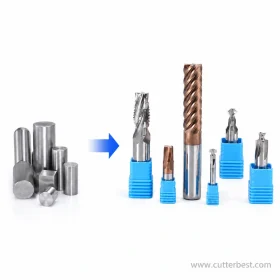
ปัญหาการตัดเฉือนทั่วไปที่นำไปสู่การกำหนดเครื่องมือเอง
เครื่องมือตัดมาตรฐานเหมาะกับงานตัดเฉือนทั่วไปหลายประเภท, แต่ขนาดแคตตาล็อกหรือรูปทรงมาตรฐานอาจไม่ทำงานอย่างมีประสิทธิภาพสำหรับบางส่วน.
เครื่องมือตัดแบบกำหนดเองอาจคุ้มค่าที่จะประเมินเมื่อต้องการใช้งาน:
- ขนาดหรือคุณสมบัติของชิ้นส่วนที่ไม่ได้มาตรฐาน
- โปรไฟล์พิเศษ, รูปทรงหรือร่อง
- ช่องว่างมีจำกัดหรือเข้าถึงเครื่องมือได้ยาก
- โพรงลึกหรือการตัดเฉือนที่มีระยะยื่นยาว
- การทำงานหลายครั้งหรือการเปลี่ยนเครื่องมือบ่อยครั้ง
- วัสดุชิ้นงานที่ตัดยาก
- การสึกหรอของเครื่องมือมากเกินไป
- พูดพล่อย, การโก่งตัวหรือการตัดที่ไม่เสถียร
- ปัญหาการตกแต่งพื้นผิวหรือความทนทาน
- คุณสมบัติชิ้นส่วนที่เครื่องมือแค็ตตาล็อกมาตรฐานไม่สามารถตัดเฉือนได้อย่างมีประสิทธิภาพ
ดังนั้น, วิธีการแก้ปัญหาที่ถูกต้องขึ้นอยู่กับสภาพการตัดเฉือนที่สมบูรณ์. เป้าหมายไม่ใช่แค่การเปลี่ยนมิติเครื่องมือเดียวเท่านั้น, แต่เพื่อประเมินเครื่องมือร่วมกับคุณลักษณะของชิ้นส่วนและการดำเนินการตัด.
สำหรับข้อกำหนดที่เกี่ยวข้องโดยเฉพาะกับดอกเอ็นมิลล์ที่ไม่ได้มาตรฐาน, ดูของเรา ดอกเอ็นมิลล์แบบกำหนดเอง.
สำหรับงานกัดที่กว้างขึ้น, เราสามารถประเมินโครงสร้างเครื่องตัดที่ไม่ได้มาตรฐานหรือคุณสมบัติการตัดได้ตามความต้องการในการตัดเฉือนจริง. คุณยังสามารถสำรวจของเรา หัวกัด สำหรับตัวเลือกเครื่องมือกัดที่มีอยู่.
ประเภทเครื่องมือตัดแบบกำหนดเองที่เราประเมินได้
กระบวนการตัดเฉือนที่แตกต่างกันต้องใช้โครงสร้างเครื่องมือที่แตกต่างกัน. ด้วยเหตุนี้, OMIST ประเมินทั้งการปรับเปลี่ยนตามมาตรฐานและข้อกำหนดของเครื่องมือตัดพิเศษตามโครงการจริง.
ดอกเอ็นมิลล์แบบกำหนดเอง
เมื่อมีขนาดดอกเอ็นมิลล์มาตรฐาน, เรขาคณิต, เข้าถึง, ประวัติโดยย่อ, หรือประสิทธิภาพการตัดไม่เหมาะกับการใช้งาน, เราสามารถประเมินโซลูชันดอกกัดแบบกำหนดเองได้.
หัวกัดแบบกำหนดเอง
สำหรับงานกัดที่กว้างขึ้น, ดูของเรา หัวกัดแบบกำหนดเอง สำหรับโครงสร้างคัตเตอร์ที่ไม่ได้มาตรฐาน, ตัวเครื่องตัด, ข้อกำหนดในการติดตั้ง, และความต้องการงานกัดเฉพาะการใช้งานอื่นๆ.
เครื่องมือแบบฟอร์มที่กำหนดเอง
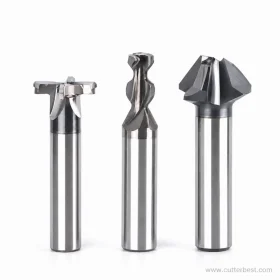
คุณลักษณะของชิ้นงานที่เกี่ยวข้องกับโปรไฟล์เฉพาะ, รูปร่าง, ขั้นตอน, หรือการผสมผสานคุณสมบัติการตัดอาจต้องใช้เครื่องมือแบบฟอร์มที่ออกแบบตามวัตถุประสงค์. สำหรับข้อกำหนดเหล่านี้, ดูของเรา เครื่องมือแบบฟอร์มที่กำหนดเอง.
ดอกสว่านและรีมเมอร์แบบกำหนดเอง
เราสามารถประเมินโซลูชันการเจาะหรือการรีมแบบกำหนดเองสำหรับขนาดรูที่ไม่ได้มาตรฐานได้, โปรไฟล์, ความยาว, หรือความต้องการเครื่องจักรพิเศษ.
เครื่องมือคว้านและทำเกลียวแบบกำหนดเอง
การใช้งานคว้านและกลึงเกลียวแบบพิเศษอาจต้องใช้ขนาดที่แตกต่างกัน, เข้าถึง, เรขาคณิต, หรือคุณสมบัติเฉพาะการใช้งานอื่น ๆ. สำหรับระบบเครื่องมือคว้านที่มีอยู่, ดูของเรา เครื่องมือคว้าน CNC.สำหรับงานกัดเกลียว, คุณยังสามารถดูของเรา หัวกัดเกลียว.
ส่วนแทรกแบบกำหนดเองและเครื่องมือพิเศษอื่นๆ
งานตัดเฉือนบางประเภทอาจต้องใช้เม็ดมีดพิเศษ, ตัวเครื่องตัด, หรือการจัดเครื่องมือเฉพาะการใช้งานอื่นๆ.
วัสดุก่อสร้างและเครื่องมือสั่งทำพิเศษ
นอกจากนี้, วัสดุเครื่องมือและโครงสร้างควรตรงกับการตัด, วัสดุชิ้นงาน, เรขาคณิต, และเงื่อนไขการตัดที่จำเป็น.
โซลิดคาร์ไบด์
โซลิดคาร์ไบด์ถูกนำมาใช้กันอย่างแพร่หลายสำหรับ เครื่องมือคาร์ไบด์แบบกำหนดเอง ที่ต้องการความแข็ง, ความต้านทานการสึกหรอและประสิทธิภาพที่มั่นคงในการตัดเฉือน CNC.
สามารถนำไปใช้กับตระกูลเครื่องมือตัดแบบกำหนดเองต่างๆ ได้ ขึ้นอยู่กับการใช้งาน.
เหล็กความเร็วสูง
ไฮสปีดเป็นอีกทางเลือกหนึ่งสำหรับเครื่องมือสั่งทำพิเศษที่มีความแข็งแกร่ง, ขนาดเครื่องมือ, รูปทรงหรือการใช้งานเครื่องจักรทำให้เหมาะสม.
สำหรับผลิตภัณฑ์ที่มีอยู่, ดูของเรา ดอกกัดไฮสปีด
เครื่องมือปลายคาร์ไบด์และประสาน
เราสามารถประเมินโครงสร้างปลายคาร์ไบด์หรือแบบเชื่อมประสานได้ เมื่อเหมาะสมกับการใช้งานมากกว่าการออกแบบเครื่องมือแบบทึบ.
เครื่องมือแบบจัดทำดัชนีได้
การใช้งานตัดแบบกำหนดเองบางประเภทสามารถใช้ตัวเครื่องมือแบบถอดเปลี่ยนเม็ดมีดได้พร้อมเม็ดมีดที่เปลี่ยนได้.
เรากำหนดโครงสร้างของหัวกัดและการจัดเรียงเม็ดมีดตามการดำเนินการตัดเฉือนที่ต้องการ.
PCD และเครื่องมือเพชร
PCD หรือเครื่องมือที่เกี่ยวข้องกับเพชรสามารถประเมินการใช้งานและวัสดุชิ้นงานที่เหมาะสมได้.
สำหรับงานกราไฟท์และงานขัดอื่นๆ ที่ต้องใช้ดอกกัดคาร์ไบด์เคลือบ, ดูของเรา ดอกเอ็นมิลล์เคลือบเพชร.
วัสดุและการก่อสร้างขั้นสุดท้ายได้รับการยืนยันพร้อมกับข้อกำหนดในการตัดจริง.
ข้อมูลที่จำเป็นสำหรับการประเมินเครื่องมือแบบกำหนดเอง
โครงการเครื่องมือตัดแบบกำหนดเองแต่ละโครงการมีความแตกต่างกัน, ดังนั้นข้อมูลที่ต้องใช้จึงขึ้นอยู่กับเครื่องมือจริงและการใช้งานตัดเฉือน.
เพื่อเริ่มต้น, กรุณาส่งที่มีอยู่ การวาดเครื่องมือ, การวาดชิ้นส่วนหรือโปรไฟล์, มิติข้อมูลหลัก, วัสดุชิ้นงาน, ความต้องการเครื่องจักร, และปริมาณ.
หากคุณไม่มีแบบเครื่องมือที่สมบูรณ์, คุณสามารถส่งแบบชิ้นส่วนหรืออธิบายข้อกำหนดการตัดเฉือนก่อนได้. แล้ว, เราจะยืนยันข้อมูลเพิ่มเติมที่จำเป็นหลังจากตรวจสอบโครงการแล้ว.
จากการวาดไปจนถึงเครื่องมือแบบกำหนดเอง
การผลิตเครื่องมือตัดตามสั่งเริ่มต้นด้วยการทำความเข้าใจว่าเครื่องมือต้องการอะไรเพื่อให้บรรลุผลสำเร็จ.
ก้าว 1 — การทบทวนความต้องการ
เราตรวจสอบภาพวาดที่มีอยู่, คุณสมบัติชิ้นส่วนและข้อกำหนดการตัดเฉือนเพื่อให้เข้าใจการใช้งาน.
ก้าว 2 — ข้อมูลจำเพาะของเครื่องมือและการยืนยันความสามารถในการผลิต
ประเภทเครื่องมือที่เหมาะสม, ขนาด, วัสดุ, เรขาคณิตและการก่อสร้างได้รับการยืนยันตามโครงการ.
ก้าว 3 — ใบเสนอราคาและการยืนยันการผลิต
เมื่อข้อกำหนดมีความชัดเจนเพียงพอแล้ว, รายละเอียดใบเสนอราคาและการผลิตสามารถยืนยันได้ตามการออกแบบและปริมาณเครื่องมือจริง.
ก้าว 4 — การผลิตและการจัดส่ง
เครื่องมือแบบกำหนดเองได้รับการผลิตตามข้อกำหนดที่ได้รับการยืนยันและพร้อมสำหรับการจัดส่ง.
กระบวนการนี้ช่วยให้แต่ละโครงการได้รับการจัดการตามความต้องการที่แท้จริง แทนที่จะบังคับให้แอปพลิเคชันที่ไม่ได้มาตรฐานเข้าสู่ข้อกำหนดแค็ตตาล็อกคงที่.
เหตุใดจึงต้องทำงานร่วมกับ OMIST สำหรับเครื่องมือตัดตามสั่ง?
เครื่องมือแบบกำหนดเองต้องการมากกว่าการเลือกขนาดแค็ตตาล็อก. ซัพพลายเออร์จำเป็นต้องเข้าใจเครื่องมือที่ร้องขอ, คุณลักษณะของชิ้นส่วนและข้อกำหนดการตัดเฉือนก่อนการผลิตจะได้รับการยืนยัน.
OMIST เป็นผู้ผลิตเครื่องมือตัดในประเทศจีนที่สนับสนุนโครงการเครื่องมือแบบกำหนดเองแบบ B2B ให้กับบริษัทเครื่องจักรกลซีเอ็นซี, ผู้จัดจำหน่ายเครื่องมือและผู้ซื้ออุตสาหกรรม.
การสนับสนุนเครื่องมือแบบกำหนดเองของเราประกอบด้วย:
- การประเมินเครื่องมือแบบกำหนดเองตามรูปวาด
- กลุ่มเครื่องมือตัดหลายกลุ่มสำหรับการตัดเฉือนที่แตกต่างกัน
- คาร์ไบด์ที่เป็นของแข็ง, HSS และตัวเลือกการสร้างเครื่องมืออื่นๆ ตามการใช้งาน
- มิติข้อมูลที่กำหนดเอง, โปรไฟล์และรูปทรงการตัดตามความต้องการที่แท้จริง
- รองรับ OEM และ ODM
- รองรับข้อกำหนดเครื่องมือตัด B2B สากล
ความสามารถของเครื่องมือเฉพาะได้รับการยืนยันในแต่ละโครงการตามเงื่อนไขการวาดและการตัดเฉือน.
คำถามที่พบบ่อย
คุณสามารถประเมินเครื่องมือตัดแบบกำหนดเองได้หรือไม่ หากฉันมีปัญหาในการวาดชิ้นส่วนหรือการตัดเฉือนเท่านั้น?
ใช่. ไม่จำเป็นต้องมีแบบเครื่องมือที่สมบูรณ์สำหรับการประเมินเบื้องต้น.
คุณสามารถจัดเตรียมการวาดชิ้นส่วนได้, ประวัติโดยย่อ, ขนาดสำคัญหรือปัญหาการตัดเฉือนก่อน. เราจะตรวจสอบข้อกำหนดและยืนยันว่าจำเป็นต้องมีข้อมูลเพิ่มเติมใดบ้างก่อนที่จะสรุปข้อกำหนดเฉพาะของเครื่องมือ.
คุณสามารถประเมินเครื่องมือตัดแบบกำหนดเองประเภทใดได้บ้าง?
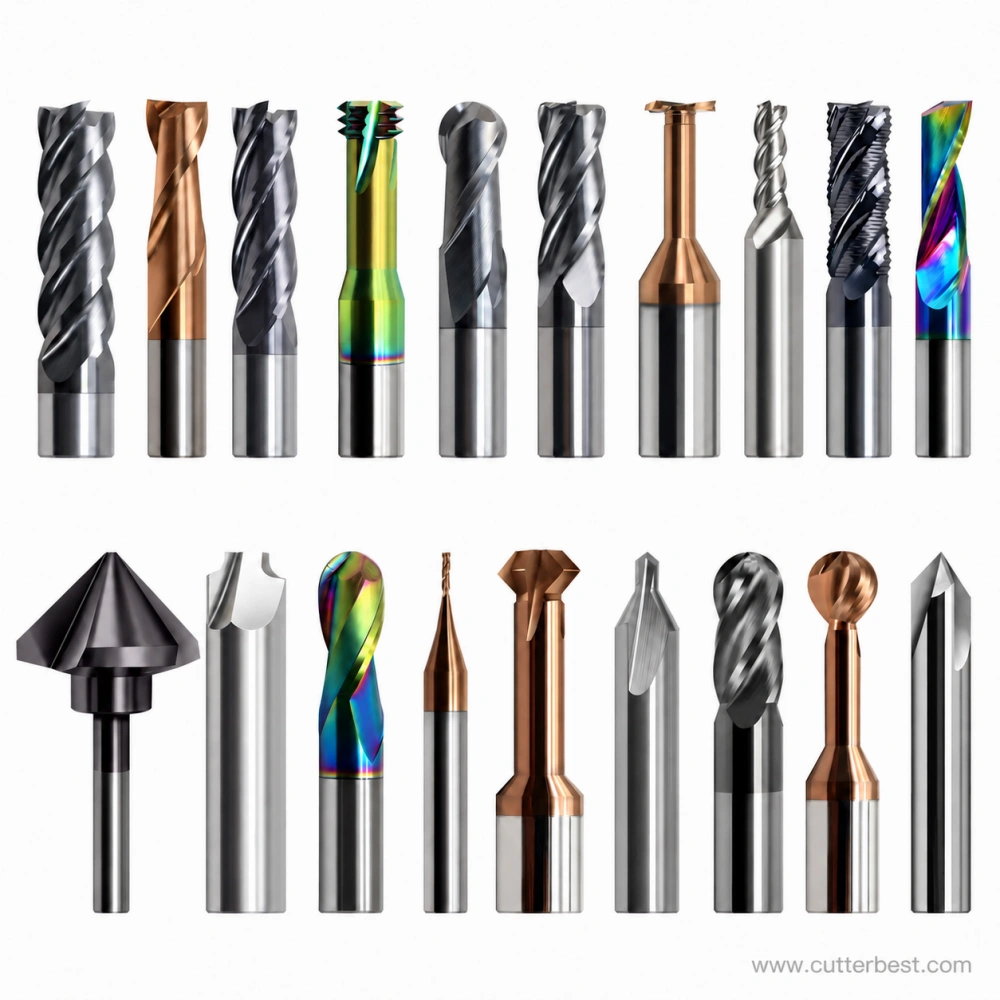
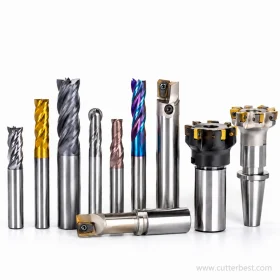
โครงการอาจรวมถึงโรงงานปลาย, หัวกัด, เครื่องมือแบบฟอร์ม, การฝึกซ้อม, รีมเมอร์, เครื่องมือที่น่าเบื่อ, เครื่องมือทำเกลียว, เม็ดมีดและเครื่องมือตัด CNC พิเศษอื่นๆ.
เพราะการออกแบบที่ไม่ได้มาตรฐานมีความแตกต่างกันอย่างมาก, การผลิตขั้นสุดท้ายได้รับการยืนยันตามโครงการจริง.
วัสดุใดบ้างที่สามารถนำไปใช้กับเครื่องมือตัดแบบกำหนดเองได้?
ขึ้นอยู่กับการใช้งาน, วัสดุและโครงสร้างที่เป็นไปได้ ได้แก่ โซลิดคาร์ไบด์, ไฮสปีด, การออกแบบปลายคาร์ไบด์หรือแบบประสาน, เครื่องมือที่สามารถจัดทำดัชนีได้, และ PCD หรือเครื่องมือที่เกี่ยวข้องกับเพชร.
การเลือกใช้วัสดุขึ้นอยู่กับการออกแบบเครื่องมือ, ความต้องการชิ้นงานและการตัดเฉือน.
คุณจะแน่ใจได้อย่างไรว่าสามารถผลิตเครื่องมือตัดตามสั่งได้?
เราประเมินความสามารถในการผลิตโดยการตรวจสอบแบบร่างที่มีอยู่, ขนาดที่ต้องการ, โครงสร้างเครื่องมือ, และการประยุกต์ใช้เครื่องจักร.
ชื่อผลิตภัณฑ์ทั่วไปเพียงอย่างเดียวไม่เพียงพอที่จะยืนยันเครื่องมือแบบกำหนดเองเฉพาะเจาะจงได้.
ส่งข้อกำหนดการวาดภาพหรือการตัดเฉือนของคุณ
หากเครื่องมือตัดมาตรฐานไม่เหมาะกับชิ้นส่วนหรือกระบวนการตัดเฉือนของคุณ, ส่งข้อมูลที่คุณมีอยู่แล้วให้เรา.
คุณสามารถ ส่งอีเมลถึงเรา รูปวาดของคุณ, รายละเอียดส่วนหนึ่ง, วัสดุชิ้นงาน, ปริมาณ, หรือความต้องการเครื่องจักร เพื่อการตรวจสอบ. เราจะประเมินโครงการก่อนและยืนยันข้อกำหนดเฉพาะของเครื่องมือที่กำหนดเองและความสามารถในการผลิตก่อนการผลิต.
คุณยังสามารถติดต่อเราผ่านทาง วอทส์แอพพ์ หากคุณต้องการหารือเกี่ยวกับข้อกำหนดโดยตรง.