 หัวกัดที่มีความแม่นยํา,เครื่องมือตัดสําหรับเครื่องจักรกลซีเอ็นซีทุกวัสดุ

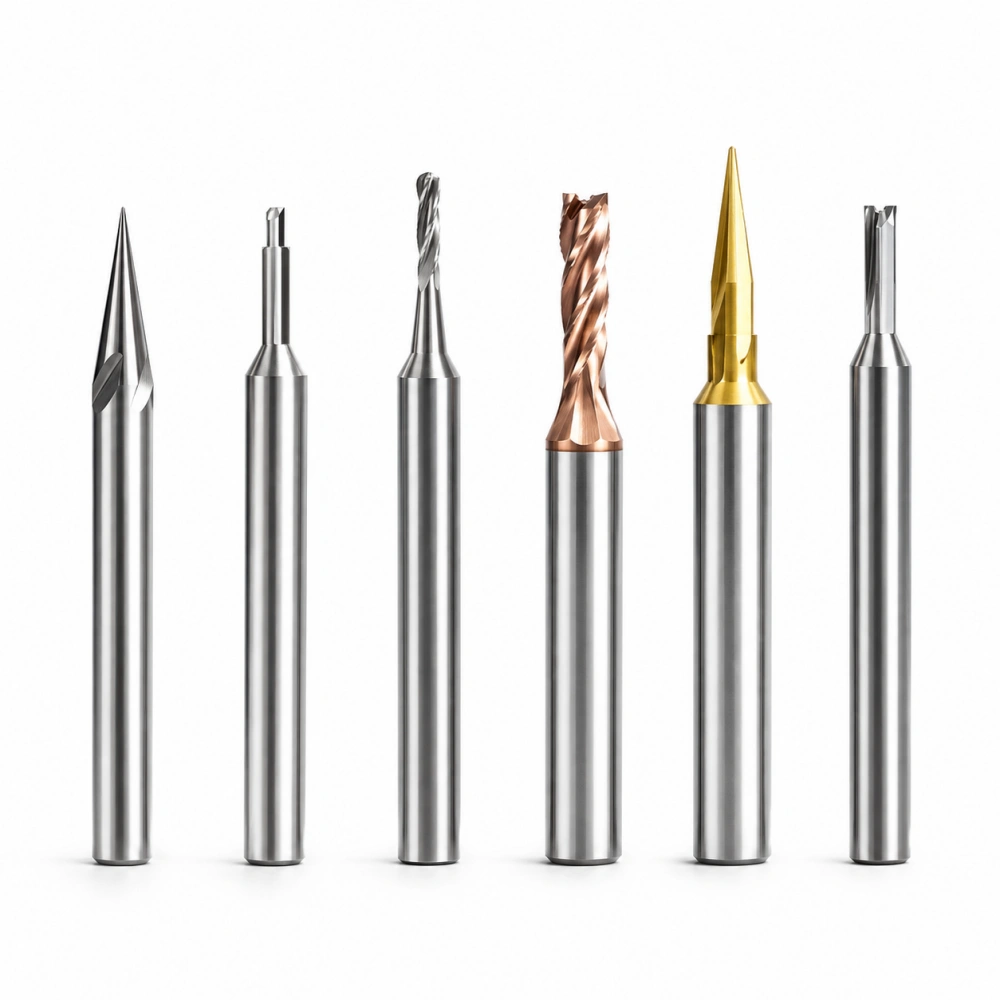
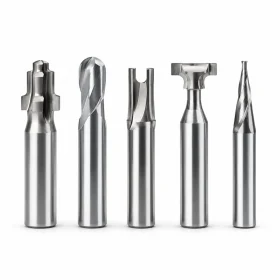
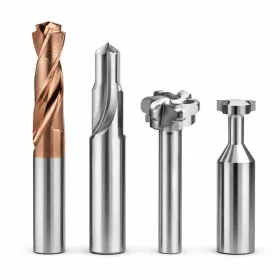
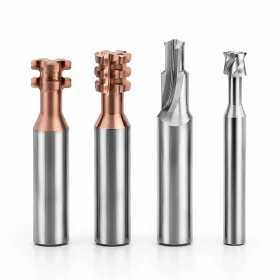
เครื่องมือแบบฟอร์มแบบกำหนดเองช่วยให้คุณสมบัติของชิ้นส่วนเครื่องจักรที่เครื่องตัดแค็ตตาล็อกมาตรฐานไม่สามารถเทียบเคียงได้อย่างมีประสิทธิภาพ. แทนที่จะเลือกโปรไฟล์เครื่องมือแบบตายตัวก่อน, เราประเมินรูปทรงของเครื่องมือรอบๆ คุณลักษณะของชิ้นส่วนและการดำเนินการตัดจริง.
ขึ้นอยู่กับการใช้งาน, เราอาจออกแบบเครื่องมือแบบฟอร์มแบบกำหนดเองสำหรับรูปร่างพิเศษหรือคุณลักษณะที่เกี่ยวข้องหลายประการซึ่งจำเป็นต้องทำงานร่วมกัน.
ตัวเลือกข้อกำหนดเครื่องมือแบบฟอร์มแบบกำหนดเอง
เพราะแต่ละโครงการมีความแตกต่างกัน, เรายืนยันข้อกำหนดต่อไปนี้ตามโปรไฟล์ชิ้นส่วนจริงและข้อกำหนดด้านการตัดเฉือน.
| ตัวเลือก | ทิศทางที่มีอยู่ |
|---|---|
| วัสดุเครื่องมือ | โซลิดคาร์ไบด์, ไฮสปีด, ปลายคาร์ไบด์ / ประสานตามการใช้งาน |
| ประวัติโดยย่อ | รูปร่างที่กำหนดเอง, รัศมี, ลบมุม, ขั้นตอน, ร่อง, หรือโปรไฟล์รวมกัน |
| ขนาด | ยืนยันตามแบบเครื่องมือ, การวาดภาพบางส่วน, หรือโปรไฟล์ที่ต้องการ |
| โครงสร้างเครื่องมือ | เลือกตามวิธีการตัดเฉือนและคุณสมบัติการตัดที่ต้องการ |
| เรขาคณิตการตัด | ประเมินตามโปรไฟล์ชิ้นส่วนที่ต้องการและสภาวะการตัด |
| การเคลือบ | เลือกตามชิ้นงานและการใช้งานตามความเหมาะสม |
ขนาดเฉพาะได้รับการยืนยันทีละโครงการ เนื่องจากเครื่องมือตัดโปรไฟล์แบบกำหนดเองที่แตกต่างกันอาจต้องใช้โครงสร้างและรูปทรงที่แตกต่างกัน.
การใช้งานและการคัดเลือก
โปรไฟล์พิเศษและรูปทรงที่ซับซ้อน
หัวกัดมาตรฐานอาจไม่ตรงกับชิ้นส่วนที่มีรูปร่างพิเศษ, รัศมีที่ไม่ได้มาตรฐาน, ร่อง, การเปลี่ยนแปลง, หรือคุณสมบัติเฉพาะโปรไฟล์อื่น ๆ.
ในกรณีเหล่านี้, เราสามารถประเมินเครื่องตัดโปรไฟล์แบบกำหนดเองตามรูปทรงของชิ้นส่วนที่ต้องการได้. เรายืนยันโปรไฟล์การตัดขั้นสุดท้ายหลังจากตรวจสอบสภาพการวาดและการตัดเฉือนแล้ว.
คุณสมบัติขั้นตอนและการผสมผสาน
ส่วนประกอบบางอย่างมีคุณสมบัติที่เชื่อมต่อกันหลายอย่าง เช่น เส้นผ่านศูนย์กลางต่างกัน, ขั้นตอน, ลบมุม, รัศมี, ร่อง, หรือการเปลี่ยนโปรไฟล์.
เราสามารถประเมินเครื่องมือแบบฟอร์มการรวมกันที่กำหนดเองโดยพิจารณาจากความสัมพันธ์ระหว่างคุณลักษณะเหล่านี้. ควรรวมคุณสมบัติเหล่านี้ไว้ในเครื่องมือเดียวหรือไม่นั้นขึ้นอยู่กับรูปทรงของชิ้นส่วน, พื้นที่การตัดเฉือนที่มีอยู่, โครงสร้างเครื่องมือ, และการดำเนินการตัด.
ลดการเปลี่ยนแปลงเครื่องมือหลายอย่าง
เมื่อคุณสมบัติที่เกี่ยวข้องหลายประการต้องใช้เครื่องมือมาตรฐานที่แตกต่างกัน, เครื่องมือแบบฟอร์มที่ออกแบบตามวัตถุประสงค์อาจอนุญาตให้รวมการดำเนินการบางอย่างเข้าด้วยกัน.
เราสามารถประเมินแนวทางนี้สำหรับขั้นตอนที่เกี่ยวข้องอย่างใกล้ชิด, ร่อง, ลบมุม, รัศมี, หรือคุณสมบัติโปรไฟล์. การจัดเตรียมเครื่องมือขั้นสุดท้ายจะขึ้นอยู่กับรูปทรงของชิ้นงานและสภาพการตัดเฉือน.
การใช้งานเครื่องมือกัดและกลึงแบบฟอร์ม
เครื่องมือตัดแบบฟอร์มสามารถใช้กับวิธีการตัดเฉือนที่แตกต่างกันได้ ขึ้นอยู่กับวิธีการสร้างโปรไฟล์ที่ต้องการ.
เราสามารถประเมินหัวกัดแบบโรตารี่สำหรับงานกัด CNC ได้, ในขณะที่โครงสร้างเครื่องมือรูปแบบอื่นๆ อาจเหมาะกับการกลึง.
สำหรับตัวเลือกเครื่องมือกัดมาตรฐานและกลุ่มหัวกัดที่เกี่ยวข้อง, ดูของเรา หัวกัด.
สำหรับโครงสร้างหัวกัดที่ไม่ได้มาตรฐานที่กว้างขึ้น, ตัวเครื่องตัด, หรือข้อกำหนดการติดตั้งที่ไม่ได้ขับเคลื่อนด้วยโปรไฟล์เป็นหลัก, ดูของเรา หัวกัดแบบกำหนดเอง
Key Features
การออกแบบเครื่องมือตามโปรไฟล์บางส่วน
เครื่องมือแบบฟอร์มแบบกำหนดเองได้รับการประเมินตามคุณลักษณะของชิ้นส่วนที่ต้องการ แทนที่จะเป็นโปรไฟล์แค็ตตาล็อกแบบตายตัว. ทำให้เหมาะสมเมื่อคัตเตอร์มาตรฐานไม่ตรงกับรูปร่างที่ต้องการหรือคุณสมบัติรวมกัน.
สามารถประเมินคุณสมบัติหลายอย่างร่วมกันได้
เราสามารถตรวจสอบคุณสมบัติของชิ้นส่วนที่เกี่ยวข้องร่วมกันเมื่อพัฒนาข้อมูลจำเพาะของเครื่องมือ.
ควรรวมเข้าด้วยกันเป็นโปรไฟล์การตัดเดียวหรือไม่นั้นขึ้นอยู่กับรูปทรงของชิ้นส่วนจริงและการทำงานของเครื่องจักร.
โครงสร้างวัสดุและเครื่องมือที่เลือกตามการใช้งาน
วัสดุเครื่องมือที่เหมาะสม, โครงสร้าง, และรูปทรงการตัดขึ้นอยู่กับวัสดุชิ้นงาน, โปรไฟล์ที่ต้องการ, วิธีการตัดเฉือน, และเงื่อนไขการตัด.
เครื่องมือรูปทรงโซลิดคาร์ไบด์, เครื่องมือแบบฟอร์ม HSS, และการก่อสร้างอื่นๆ จึงได้รับการประเมินตามโครงการแต่ละโครงการ แทนที่จะเลือกจากข้อกำหนดคงที่ข้อเดียว.
การผลิตแบบกำหนดเอง
ข้อมูลที่จำเป็นสำหรับการประเมิน
โปรเจ็กต์เครื่องมือแบบฟอร์มแบบกำหนดเองทุกโครงการเริ่มต้นด้วยการทำความเข้าใจคุณลักษณะของชิ้นส่วนที่จำเป็นต้องมีการตัดเฉือน.
คุณสามารถส่งข้อมูลที่มีอยู่ให้เราได้, รวมทั้ง:
- การวาดชิ้นส่วนหรือโปรไฟล์ที่ต้องการ
- การวาดเครื่องมือ, ถ้ามี
- วัสดุชิ้นงาน
- ข้อกำหนดด้านเครื่องจักร
- ปริมาณที่ต้องการ
การเขียนแบบเครื่องมือที่สมบูรณ์คือ ไม่จำเป็นสำหรับการประเมินเบื้องต้น. หากคุณมีเพียงการเขียนแบบส่วนประกอบ, ประวัติโดยย่อ, หรือความต้องการเครื่องจักร, คุณสามารถส่งข้อมูลนั้นก่อนได้.
สำหรับเครื่องมือ CNC ที่ไม่ได้มาตรฐานประเภทอื่นๆ, ดูของเรา เครื่องมือตัดแบบกำหนดเอง หน้าความสามารถ.
จากโปรไฟล์ชิ้นส่วนไปจนถึงเครื่องมือแบบฟอร์มแบบกำหนดเอง
1. การทบทวนความต้องการ
เราตรวจสอบการวาดชิ้นส่วนที่มีอยู่, ประวัติโดยย่อ, ข้อมูลเครื่องมือที่มีอยู่, และข้อกำหนดด้านการตัดเฉือนเพื่อทำความเข้าใจคุณสมบัติการตัดที่จำเป็น.
2. การยืนยันข้อมูลจำเพาะของเครื่องมือ
มิติข้อมูลหลัก, วัสดุเครื่องมือ, โครงสร้าง, และรูปทรงการตัดได้รับการประเมินตามโครงการ.
3. ความสามารถในการผลิต & ใบเสนอราคา
เมื่อข้อกำหนดมีความชัดเจนเพียงพอแล้ว, เรายืนยันความสามารถในการผลิตและเตรียมใบเสนอราคาตามข้อกำหนดและปริมาณของเครื่องมือ.
4. การผลิต
หลังจากยืนยันข้อกำหนดและรายละเอียดการสั่งซื้อแล้ว, เครื่องมือแบบฟอร์มแบบกำหนดเองได้รับการผลิตตามข้อกำหนดที่ตกลงกันไว้.
คำถามที่พบบ่อย
เครื่องมือตัดแบบฟอร์มแบบกำหนดเองคืออะไร?
เครื่องมือตัดแบบฟอร์มแบบกำหนดเองได้รับการออกแบบโดยคำนึงถึงโปรไฟล์ชิ้นส่วนเฉพาะหรือการผสมผสานคุณสมบัติต่างๆ ที่ไม่สามารถผลิตได้อย่างมีประสิทธิภาพด้วยเครื่องตัดแค็ตตาล็อกมาตรฐาน. ข้อกำหนดทั่วไปอาจเกี่ยวข้องกับรูปทรง, ขั้นตอน, ร่อง, รัศมี, ลบมุม, หรือคุณสมบัติโปรไฟล์ที่เกี่ยวข้อง.
คุณสามารถประเมินเครื่องมือแบบฟอร์มที่กำหนดเองจากการวาดชิ้นส่วนหรือโปรไฟล์ได้หรือไม่?
ใช่. ไม่จำเป็นต้องมีแบบเครื่องมือที่สมบูรณ์สำหรับการตรวจสอบครั้งแรก.
คุณสามารถส่งแบบร่างชิ้นส่วนได้, โปรไฟล์ที่ต้องการ, มิติข้อมูลหลัก, วัสดุชิ้นงาน, และความต้องการเครื่องจักรก่อน. จากนั้นเราจะยืนยันข้อมูลเพิ่มเติมที่จำเป็น.
อะไรคือความแตกต่างระหว่างเครื่องมือแบบฟอร์มแบบกำหนดเองและดอกเอ็นมิลล์แบบกำหนดเอง?
เครื่องมือแบบฟอร์มแบบกำหนดเองถูกกำหนดโดยโปรไฟล์ชิ้นส่วนเฉพาะหรือการผสมผสานคุณสมบัติที่จำเป็นในการสร้างเป็นหลัก.
ดอกเอ็นมิลล์แบบกำหนดเองยังคงอยู่ตามโครงสร้างของดอกเอ็นมิลล์และอาจต้องใช้ขนาดที่ไม่เป็นมาตรฐาน, เข้าถึง, เรขาคณิตของคอ, เรขาคณิตของขลุ่ยหรือเกลียว, หรือการดัดแปลงเอ็นมิลล์อื่นๆ. สำหรับข้อกำหนดเหล่านี้, ดูของเรา ดอกเอ็นมิลล์แบบกำหนดเอง หน้าหนังสือ.
เป็นเครื่องมือรูปทรงเฉพาะที่ใช้ทั้งงานกัดและการกลึง?
ใช่, ขึ้นอยู่กับคุณสมบัติที่ต้องการและโครงสร้างเครื่องมือ. เครื่องมือแบบโรตารี่สามารถใช้ในงานกัดได้, ในขณะที่การออกแบบเครื่องมือรูปทรงอื่นๆ สามารถประเมินสำหรับการกลึงได้.
โครงสร้างที่ถูกต้องได้รับการยืนยันตามวิธีการตัดเฉือนและโปรไฟล์ที่ต้องการ.
วัสดุใดบ้างที่สามารถนำมาใช้กับเครื่องมือแบบฟอร์มแบบกำหนดเองได้?
ตัวเลือกที่เป็นไปได้ ได้แก่ โซลิดคาร์ไบด์, ไฮสปีด, และโครงสร้างปลายคาร์ไบด์หรือแบบบัดกรี ขึ้นอยู่กับการใช้งาน.
วัสดุขั้นสุดท้ายจะถูกเลือกตามรูปทรงของเครื่องมือ, วัสดุชิ้นงาน, วิธีการตัดเฉือน, และเงื่อนไขการตัด.
ส่งโปรไฟล์ชิ้นส่วนหรือแบบเครื่องมือของคุณ
หากคัตเตอร์มาตรฐานไม่ตรงกับโปรไฟล์ชิ้นส่วนที่ต้องการ, ส่งข้อมูลที่คุณมีอยู่แล้วให้เรา.
คุณสามารถ ส่งอีเมลถึงเรา การวาดภาพส่วนของคุณ, โปรไฟล์ที่ต้องการ, วัสดุชิ้นงาน, ปริมาณ, หรือข้อกำหนดการตัดเฉือนเพื่อการตรวจสอบ. เราจะประเมินโครงการก่อนที่จะยืนยันข้อกำหนดเฉพาะของเครื่องมือแบบฟอร์มแบบกำหนดเองและความสามารถในการผลิต.
คุณยังสามารถติดต่อเราผ่านทาง วอทส์แอพพ์ หากคุณต้องการหารือเกี่ยวกับข้อกำหนดโดยตรง.