 Precision Milling Cutters,Cutting Tools for CNC Machining Every Material

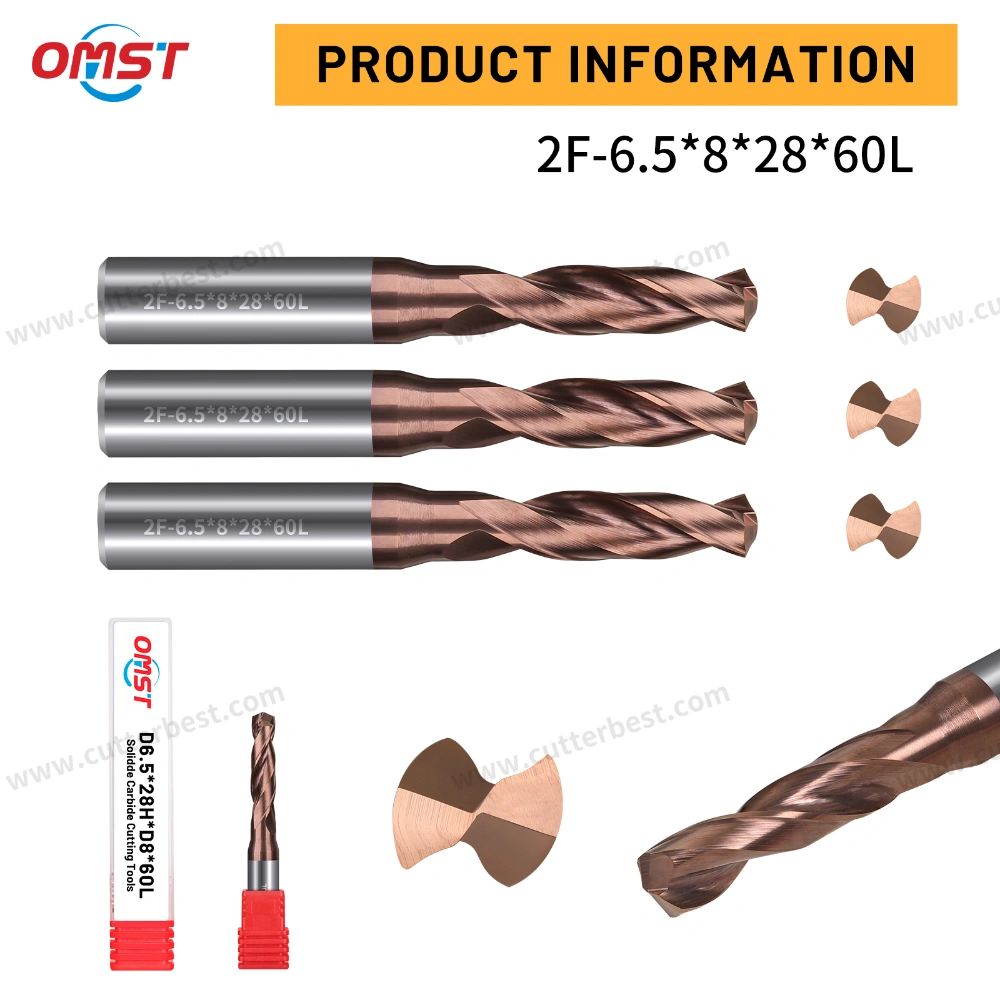
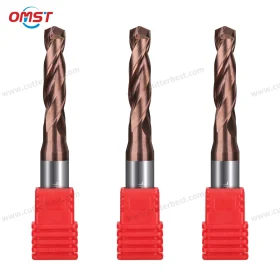
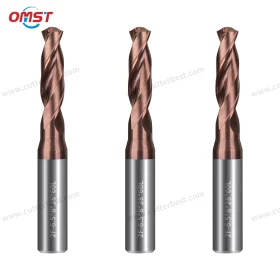
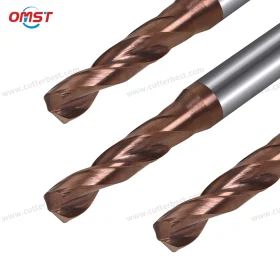
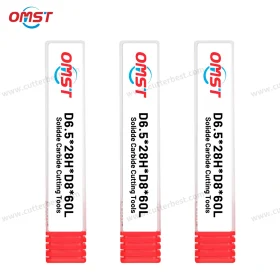
Solid carbide drill bits combine high rigidity with good wear resistance. As a result, manufacturers often use them for CNC machining, precision component production, and repetitive metal drilling.
Compared with conventional general-purpose drills, a solid carbide drill provides better dimensional stability under suitable machining conditions. It can also support consistent hole quality during batch production.
However, one drill design cannot suit every material. Steel, stainless steel, cast iron, aluminum, and copper have different cutting characteristics. Therefore, we select the cutting edge, flute design, point geometry, and coating for the actual application.
OMIST supplies both standard and custom carbide twist drills. Customers can order a reference size directly, or OMIST can manufacture a non-standard drill from a drawing, sample, or detailed machining request.
Key Features of Our Carbide Drill Bits
Solid Tungsten Carbide Construction
OMIST manufactures the drill body from solid tungsten carbide. This material provides the rigidity required for stable CNC drilling.
In addition, we select the carbide grade according to the workpiece material and machining conditions. A suitable balance between wear resistance and edge strength is important, especially when hole depth, material hardness, or machine stability changes.
Precision-Ground Cutting Geometry
We precision-grind the drill point, cutting edges, and flutes. Consequently, the tool can enter the workpiece more steadily and remove chips through the helical flutes.
We select the drill geometry according to several factors:
- Workpiece material
- Material hardness
- Hole diameter
- Hole depth
- Through-hole or blind-hole machining
- Machine rigidity
- Cooling method
- Required hole tolerance
The reference products shown in the images use a two-flute twist drill design. Nevertheless, other geometries may be produced when the application requires a different solution.
Coating Options for Different Applications
Coated carbide drill bits can provide additional wear resistance, heat resistance, or lower friction. However, the coating must match the workpiece material.
For example, a coating suitable for steel may not be the best option for aluminum or copper. Therefore, the coating is selected after the machining application has been reviewed.
Uncoated options may also be recommended for certain non-ferrous materials or special drilling conditions.
Standard and Custom Specifications
Standard carbide drill sizes are available for common applications. Meanwhile, non-standard specifications can be produced for special components, restricted machine spaces, or specific hole requirements.
Custom options include:
- Drill diameter
- Flute length
- Cutting length
- Shank diameter
- Overall length
- Neck length
- Point geometry
- Point angle
- Flute design
- Coating
- Laser marking
- Product label
- Packaging
This flexibility allows the drill to be matched more closely to the customer’s machining process.
Carbide Drill Bits for Different Workpiece Materials
Carbide Drill Bits for Steel and Alloy Steel
Steel and alloy steel are common materials in CNC drilling. However, their hardness, alloy content, and heat-treatment condition can vary greatly.
For this reason, customers should provide the exact material grade and hardness whenever possible. The carbide grade, cutting geometry, and coating can then be selected more accurately.
Suitable applications may include:
- Carbon steel parts
- Alloy steel components
- Mold and die parts
- Mechanical components
- Automotive parts
- General engineering parts
Carbide Drill Bits for Stainless Steel
Stainless steel can generate heat and material adhesion during drilling. In addition, poor chip evacuation may reduce hole quality or damage the cutting edge.
A suitable carbide drill for stainless steel should provide stable cutting and effective chip removal. The coating and geometry should also be selected according to the stainless steel grade, hole depth, machine condition, and coolant supply.
Before production, please confirm the following details:
- Stainless steel grade
- Material hardness
- Hole diameter
- Hole depth
- Through hole or blind hole
- Coolant condition
- Required quantity
Carbide Drill Bits for Cast Iron
Cast iron applications require good wear resistance and stable cutting edges. However, gray cast iron, ductile iron, and other cast materials may need different drill designs.
Therefore, please provide the cast iron type before we recommend a suitable tool. We may also adjust the coating according to the material’s abrasiveness and the required production volume.
Carbide Drills for Aluminum and Copper Alloys
Aluminum, copper, and other non-ferrous materials can adhere to the cutting edge. As a result, chip evacuation and surface friction must be considered carefully.
A polished flute, suitable edge geometry, or low-friction coating may be recommended. In some cases, an uncoated carbide drill can also be considered.
The final design depends on:
- Alloy grade
- Chip characteristics
- Hole depth
- Coolant condition
- Hole finish requirement
- Production quantity
Carbide Drills for Hardened Materials
Harder workpiece materials require careful tool selection. The material hardness must be confirmed before production because not every carbide drill is suitable for every hardness range.
Please provide the actual HRC value, material grade, hole size, and drilling depth. Our team will then evaluate whether a suitable carbide grade, coating, and drill geometry can be supplied.
Coating Selection for Carbide Drill Bits
The coating should not be selected only by its color. Instead, it should be chosen according to the material, hardness, drilling temperature, friction, cooling condition, and required tool performance.
Wear-Resistant Coatings for Steel Machining
Steel and alloy steel drilling may require a coating with good wear and heat resistance. The exact option depends on the steel grade and machining conditions.
In addition, harder materials may require a different coating from softer general-purpose steel.
Coating Options for Stainless Steel
When stainless steel is drilled, heat resistance and cutting stability are important. The coating should also help reduce material adhesion around the cutting edge.
However, coating selection must be combined with suitable flute geometry and cutting parameters.
Low-Friction Options for Non-Ferrous Materials
Aluminum and copper alloys may benefit from a low-friction coating, polished flute, or uncoated cutting surface.
These options can help reduce built-up edge and improve chip flow. Nevertheless, the final choice depends on the specific alloy and drilling condition.
How a Suitable Coating Is Recommended
To recommend a suitable coating, please provide:
- Workpiece material and grade
- Material hardness
- Required hole diameter
- Hole depth
- Through hole or blind hole
- Machine type
- Coolant condition
- Estimated order quantity
Coating availability also depends on the drill type and order requirements. Therefore, the final coating will be confirmed during the quotation process.
Carbide Drill Bit Sizes and Custom Specifications
The following dimensions represent the general size range shown in our current product series.
| Parameter | Reference Range |
| Drill Diameter | 1.5–8.0 mm |
| Flute Length | 8–30 mm |
| Shank Diameter | 4 mm, 6 mm, or 8 mm |
| Overall Length | 50 mm or 60 mm |
| Flute Design | Two-flute twist drill |
| Coating | Selected according to the application |
This is only a reference specification. Other diameters, cutting lengths, shank sizes, overall lengths, point designs, and coatings can be produced according to the customer’s requirements.
Custom Diameter and Length
Non-standard drill diameters can be manufactured when a conventional size cannot meet the hole requirement.
Flute length, shank diameter, and overall length may also be adjusted according to the component, fixture, machine space, and drilling depth.
Custom Geometry and Point Design
The point geometry affects drill entry, chip formation, cutting force, and hole quality. Therefore, the design may be adjusted for different materials and drilling conditions.
Custom options may include:
- Point angle
- Cutting edge design
- Web thickness
- Flute geometry
- Neck design
- Step design
- Shank design
Technical feasibility will be reviewed before the order is confirmed.
OEM Marking and Packaging
OEM and private-label services are available for distributors, tooling companies, and industrial buyers.
Available services may include:
- Laser marking
- Customer logo
- Model marking
- Custom label
- Individual plastic box
- Custom outer packaging
- Barcode or product code
Please confirm the packaging details before mass production.
Carbide Drill Bit Applications for CNC Machining
Through-Hole Drilling
Through holes allow chips to leave the cutting area more easily. However, the application still requires careful consideration of drill length, chip evacuation, exit condition, and workpiece support.
After you confirm the workpiece material and hole depth, we can recommend a suitable drill geometry.
Blind-Hole Drilling
Blind-hole drilling requires more attention to chip evacuation and hole depth. In addition, please explain the required hole-bottom shape before we design the tool.
Please provide the effective drilling depth rather than only the total component thickness.
Precision Hole Drilling on CNC Machines
Manufacturers use precision carbide drill bits when they need consistent hole sizes and stable drilling performance.
Suitable machines include:
- CNC machining centers
- CNC drilling machines
- Engraving machines
- Automated production equipment
- Other rigid industrial machines
Machine runout, tool holding, coolant supply, and cutting parameters will also affect the final drilling result.
Industrial Metalworking Applications
Carbide drills for CNC machining may be used in the production of:
- Automotive components
- Mold and die parts
- Machinery components
- Precision engineering parts
- Electronic equipment parts
- Aerospace-related components
- General industrial components
The drill specification should always be selected according to the actual part and machining requirement.
Why Choose OMIST as Your Carbide Drill Bit Manufacturer?
Standard and Custom Drill Solutions
OMIST supplies both standard and non-standard carbide drilling tools. Therefore, customers can order common specifications or request a drill for a special application.
Custom drills can be evaluated from:
- Technical drawings
- Product samples
- Existing tool specifications
- Hole information
- Workpiece details
- Application descriptions
Application-Based Tool Selection
A drilling tool should not be selected only by diameter. Material grade, hardness, drilling depth, machine condition, and coolant supply must also be considered.
For this reason, each custom inquiry is reviewed before the final specification is confirmed.
OEM and Private-Label Support
OEM, laser marking, custom labels, and customized packaging are available for qualified orders.
This service is suitable for:
- Cutting tool distributors
- Industrial tool suppliers
- Machine shops
- Tooling brands
- Wholesalers
- Engineering companies
Quality Inspection Before Shipment
Product dimensions and appearance are checked before shipment. Cutting edges, coating condition, marking, and packaging may also be inspected according to the order requirements.
When specific inspection documents are required, they should be requested before the quotation is finalized.
Information Required for a Carbide Drill Bit Quotation
To prepare an accurate quotation, please provide the following information.
Workpiece Information
- Workpiece material
- Material grade
- Material hardness
- Heat-treatment condition, if applicable
Hole Information
- Hole diameter
- Hole depth
- Through hole or blind hole
- Required tolerance
- Hole-bottom requirement
- Surface finish requirement, if applicable
Machine and Cutting Conditions
- Machine type
- Tool holder
- Coolant condition
- Cutting speed and feed, if already available
- Current drilling problem, if applicable
Order Requirements
- Required quantity
- Standard or custom size
- Preferred coating
- Drawing or sample
- Logo requirement
- Packaging requirement
- Delivery destination
The more complete the information is, the more accurately the drill design, price, and lead time can be evaluated.
Related Carbide Cutting Tools
When the machining process requires milling rather than drilling, view our Carbide End Mill Cutter.
For carbide drill selection by material, coating, hole depth, and CNC machining condition, read our How to Choose Carbide Drill Bits for Different Materials.
Request a Quote for Custom Carbide Drill Bits
Send us your workpiece material, material hardness, required drill diameter, hole depth, drawing, and order quantity.
Our team will review the application and recommend a suitable carbide grade, drill geometry, coating, size, and production solution.
Contact OMIST for standard carbide drill bits, non-standard drilling tools, OEM marking, customized packaging, and bulk-order quotations.