 Precision Milling Cutters,Cutting Tools for CNC Machining Every Material

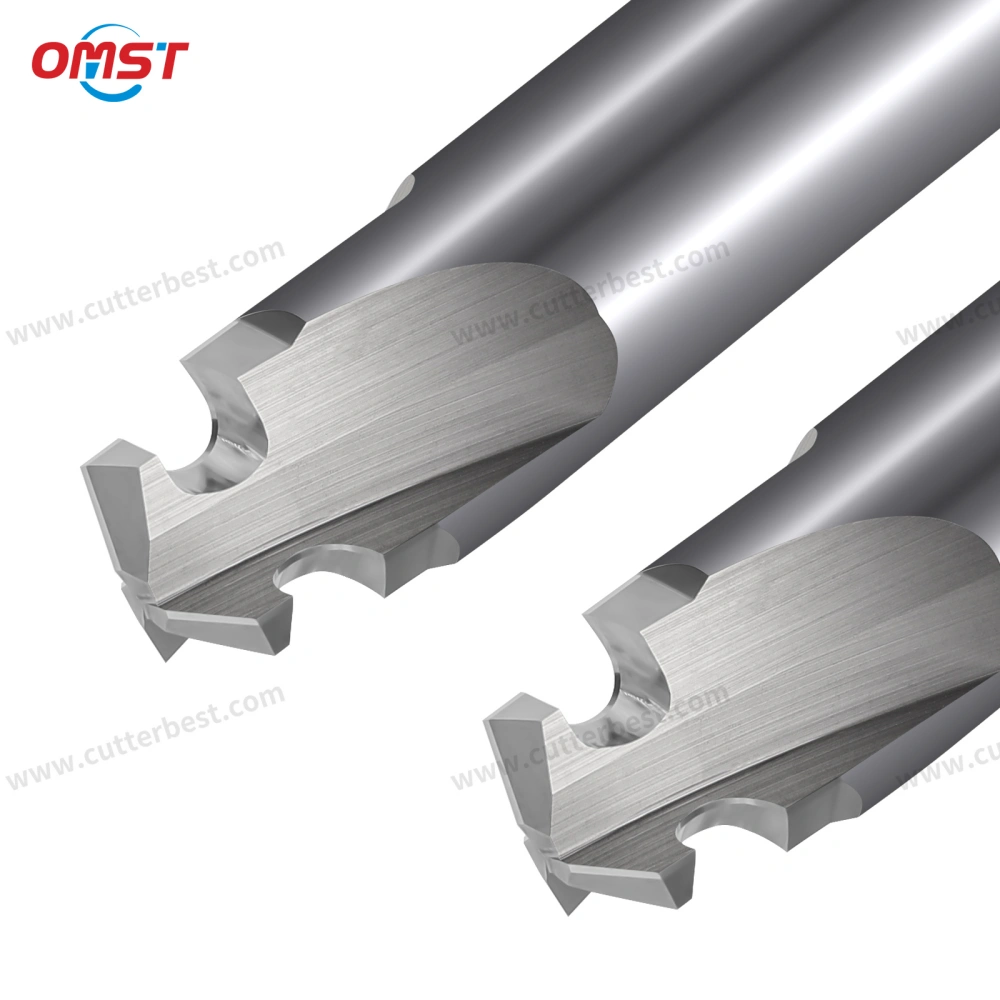
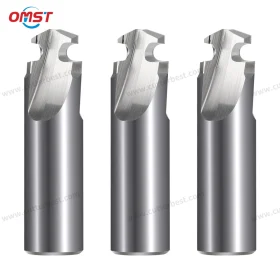
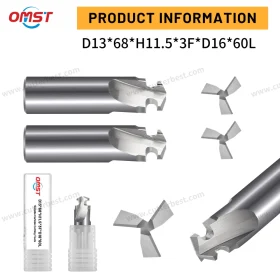
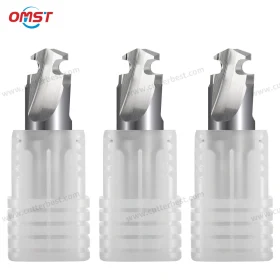
We evaluate custom end mills according to the actual machining requirement rather than a fixed catalog specification. We confirm tool dimensions, reach, neck geometry, flute design, end geometry, and coating according to the available technical information.
If the main requirement involves a special part profile or contour, see our Custom Form Tools.
Custom End Mill Design Options
| Design Item | What We Evaluate |
|---|---|
| Cutting Diameter | Confirmed according to the required machined feature and tool drawing |
| Flute Length & Reach | Evaluated according to cutting depth, cavity depth, and required tool access |
| Neck Dimensions | Neck diameter and length can be evaluated for clearance and long-reach applications |
| Shank & Overall Length | Confirmed according to the required tool structure and machining setup |
| End Geometry | Square, ball nose, corner radius / bull nose, tapered, or other end-mill-specific geometry |
| Flute Design | Flute count, helix angle, and cutting-edge geometry evaluated according to the application |
| Coating | Selected according to workpiece material, tool geometry, and cutting conditions |
Applications and Selection
Some applications require custom end mills when standard catalog tools do not provide the required reach, clearance, dimensions, end geometry, or cutting configuration.
| Application Requirement | Selection Focus |
|---|---|
| Deep Cavity / Long Reach | Reach, neck length, tool rigidity and cutting geometry |
| Restricted Clearance | Neck diameter, shank dimensions and overall tool structure |
| Radius / 3D Milling | Ball nose or corner-radius end geometry |
| Rough Milling | Flute geometry, chip evacuation and tool strength |
| Finishing | Cutting-edge geometry, flute configuration and coating |
| Material-Specific Milling | Tool geometry and coating matched to the workpiece material |
The final tool design depends on the overall machining conditions rather than on a single parameter.
Tool Material, Flute Geometry and Coating
OMIST mainly uses solid carbide / tungsten carbide for custom end mills. The final carbide tool configuration depends on the cutter dimensions, workpiece material, machining method, and cutting conditions.
We can evaluate different flute counts according to chip evacuation and cutting requirements. Lower flute counts may provide more chip space, while multi-flute configurations may suit applications that require more cutting edges or finishing capability.
We can also evaluate helix angle, rake angle, relief angle, core thickness, edge preparation, corner radius, and ball radius according to the machining requirement.
Coating selection depends on the tool geometry, workpiece material, and cutting conditions. Available coating options may include TiAlN, AlTiN, TiSiN, TiN, Nano Blue, DLC, and diamond coating where suitable.
Custom End Mills for Different Workpiece Materials
Different workpiece materials may require different end mill designs.
| Workpiece | Main Tool Considerations |
|---|---|
| Aluminum & Non-Ferrous Materials | Chip evacuation, sharp cutting geometry and suitable flute configuration |
| Steel & Stainless Steel | Edge strength, rigidity, flute geometry and coating |
| Hardened Steel | Wear resistance, heat resistance, edge strength and coating |
| Graphite & Composites | Abrasion resistance, coating and suitable cutting-edge geometry |
We confirm the final geometry and coating according to the actual material grade and machining requirement.
Information Needed for Custom End Mill Evaluation
To evaluate a custom end mill, please send the information you currently have, such as a drawing, key tool dimensions, workpiece material, machining requirement, or quantity. We will confirm any additional information needed after reviewing the project.
For other non-standard cutting tool families beyond end mills, see our Custom Cutting Tools.
Why Choose OMIST Custom End Mills?
OMIST manufactures custom carbide end mills for tool distributors, CNC machining companies, mold manufacturers, and other industrial buyers.
OMIST evaluates custom dimensions, neck and reach, flute geometry, end geometry, coatings, and other end-mill-specific requirements according to drawings, samples, or machining needs. Our team can also review OEM and ODM requirements according to the actual project.
After reviewing the available technical information, we confirm the final design and manufacturability.
Frequently Asked Questions
What can be customized on an end mill?
Custom options may include tool dimensions, neck and reach, flute count, helix angle, end geometry, cutting-edge geometry, and coating depending on the application.
Can you evaluate a custom end mill without a complete tool drawing?
Yes. You can send the information you already have, such as key dimensions, a part drawing, sample, workpiece material, or machining requirement. We will confirm what additional information is needed after review.
What is the difference between a custom end mill and a custom milling cutter?
A custom end mill remains based on an end mill structure and focuses on end-mill-specific dimensions and geometry. For broader cutter bodies, shell or arbor-mounted structures, and other milling cutter configurations, see our Custom Milling Cutters.
What if the tool is designed around a special part profile?
If a special contour, profile, or combination feature defines the main requirement, see our Custom Form Tools.
Send Your Custom End Mill Requirement
If a standard end mill does not meet your machining requirement, send us the information you already have.
You can email us your drawing, key dimensions, workpiece material, quantity, or machining requirement for review. We will evaluate the project before confirming the custom end mill specification and manufacturability.
You can also contact us via WhatsApp to discuss the requirement directly.