 Precision Milling Cutters,Cutting Tools for CNC Machining Every Material

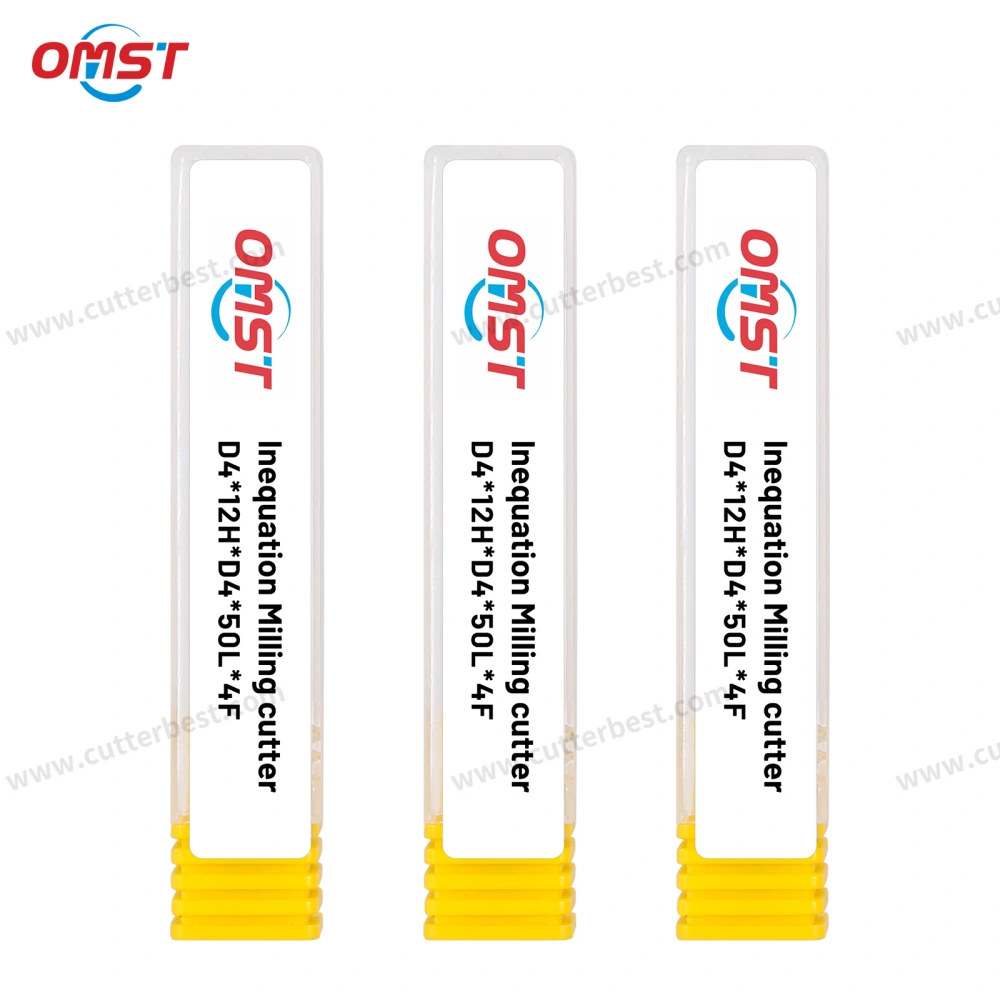
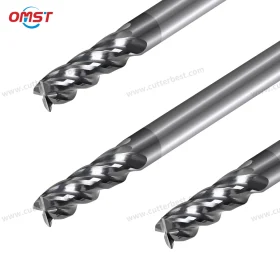
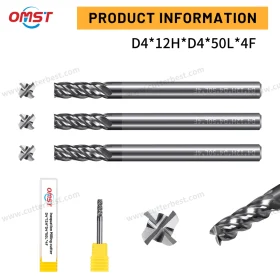
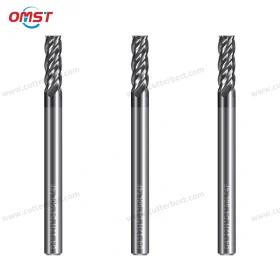
End Milling Cutters: Specification Options
End milling cutters vary by cutter type and application. In addition to the general product options listed above, customers can select or customize the following dimensions and technical details according to the machining requirement.
| Specification | Available Options |
|---|---|
| Cutting Diameter | Standard metric or inch sizes; custom diameters available |
| Flute Length | Standard, long, or custom flute lengths according to cutting depth and application |
| Overall Length | Standard or extended lengths; custom overall lengths available |
| Shank Dimensions | Standard metric or inch shanks; reduced, reinforced, or custom shank dimensions available |
| Helix & Edge Geometry | Standard or application-specific helix angles, core designs, edge preparation, and flute geometry |
| Tolerance | Standard production tolerance or drawing-specified tolerance after technical review |
End milling cutters can involve many combinations of diameter, length, geometry, tolerance, and machining conditions. Therefore, we confirm the final specifications according to the customer model, drawing, sample, workpiece material, application, and quantity.
End Milling Cutters: Applications & Selection
Machinists use end milling cutters for slotting, pocketing, profiling, side milling, shoulder milling, contouring, rough machining, finish machining, mold and die machining, and general CNC component production.
Choose the cutter according to the machined feature, workpiece material, cutter diameter, cutting depth, chip evacuation, tool overhang, machine rigidity, coolant method, and required surface finish.
Select by End Geometry
Flat or square end mills are suitable for slots, pockets, steps, flat-bottom features, and square shoulders. For dedicated flat-end options, see Flat End Mill.
Ball nose end mills are commonly used for curved surfaces, molds, dies, and three-dimensional contouring. See Ball Nose End Mills.
Corner radius or bull nose end mills combine a flat cutting area with a strengthened corner radius. As a result, they suit applications where corner strength and a controlled radius are required. See Bull Nose End Mill.
Tapered end mills suit angled walls, molds, dies, and features that require a tapered tool body. See Tapered End Mill.
For a broader comparison of cutter geometries and their typical uses, read End Mill Cutter Types.
Select by Workpiece Material
Aluminum and other non-ferrous materials require attention to chip evacuation, edge sharpness, flute space, and reduced chip adhesion.
When machining carbon steel and alloy steel, match cutter rigidity, edge strength, flute configuration, carbide grade, and coating to the material hardness and cutting conditions.
Stainless steel requires a balanced combination of cutter geometry, edge strength, coating, chip evacuation, and stable cutting conditions. For dedicated tooling options, see End Mills for Stainless Steel.
Cast iron, copper, plastics, graphite, composites, and other materials may require different geometries, grades, or coatings. Therefore, customers can provide the exact material grade and machining requirement before tool selection.
Select by Flute Count
Two- and three-flute cutters provide more flute space. Therefore, they can support chip evacuation in applications where larger chips need to leave the cutting area efficiently.
Four-, five-, and six-flute cutters provide more cutting edges. In addition, they can suit applications where rigidity and finishing performance are more important.
However, flute count should not be selected alone. Cutter diameter, workpiece material, cutting depth, chip evacuation, machine rigidity, and machining operation should also be considered.
For more information about flute design and flute-count selection, read End Mill Flute Guide.
End Milling Cutters: Key Features
Solid Carbide and HSS Manufacturing
OMIST manufactures both solid carbide and HSS end mill cutters.
Solid carbide provides high rigidity, wear resistance, and dimensional stability. Therefore, manufacturers commonly use it for CNC milling where cutting performance and tool life are important.
HSS provides greater toughness and can suit selected general machining, lower-speed cutting, larger cutter sizes, and special applications.
For dedicated solid carbide options, see Carbide End Mill Cutter.
2–6 Flute Production
OMIST manufactures 2-, 3-, 4-, 5-, and 6-flute end milling cutters in standard and custom configurations.
Customers can select flute count, flute space, helix angle, core diameter, and cutting-edge preparation according to chip evacuation, rigidity, workpiece material, and machining operation.
Multiple Hardness and Coating Series
OMIST offers HRC45, HRC55, HRC60, and HRC65 series for different workpiece materials and machining conditions.
Coating options include AlTiN, TiAlN, TiSiN, TiN, DLC, Nano Blue, and other application-specific coatings.
The workpiece material, hardness, cutting temperature, coolant method, and machining conditions determine the suitable hardness series and coating. Therefore, coating selection should not rely on the coating name alone.
Custom End Milling Cutter Manufacturing
OMIST provides custom end mill manufacturing when standard cutters cannot meet the required dimensions, reach, geometry, profile, tolerance, or machining conditions.
Customers can send a drawing, sample, size list, reference model, part drawing, or application description for evaluation.
Custom manufacturing options include non-standard cutting diameter, flute length, overall length, shank dimensions, flute count, helix angle, corner radius, end profile, cutting-edge geometry, coating, tolerance, laser marking, customer model numbers, and packaging.
Before production, our team reviews the main tool dimensions, tool material, workpiece material, machining operation, coating, tolerance, quantity, and other important requirements. We then confirm the final specification and manufacturability before quotation or production.
For projects focused specifically on non-standard tooling, see Custom End Mills.
End Milling Cutter FAQs
What types of end milling cutters do you manufacture?
We manufacture flat or square, ball nose, corner radius or bull nose, roughing, tapered, and other special-profile end mills. The appropriate geometry depends on the machined feature and application.
Are metric and inch end mill sizes available?
Yes. We manufacture metric and inch specifications according to customer requirements. In addition, we can evaluate non-standard diameters, lengths, shanks, radii, and other dimensions.
Can you manufacture end mills according to a drawing or sample?
Yes. We can evaluate drawings, samples, size lists, reference models, part drawings, and machining requirements before confirming the final cutter specification.
Can you help select an end mill for my workpiece and application?
Yes. Please provide the workpiece material, machining operation, cutter dimensions or part feature, machine conditions, and any known requirements. Based on this information, we can evaluate the suitable tool material, flute configuration, end geometry, hardness series, and coating before quotation.
What information should I provide for a quotation?
Provide the information you already have, such as cutter diameter, flute count, flute length, overall length, shank diameter, end geometry or radius, workpiece material, machining operation, coating, tolerance, and quantity.
For custom tools, a drawing, sample, reference model, or part drawing can help us confirm the specification more efficiently.
Do you support OEM and private-label orders?
Yes. We support OEM production, laser marking, customer model numbers, neutral packaging, and private-label packaging according to the cutter specification, quantity, and project requirements.
Send Your End Milling Cutters Inquiry
Send your end milling cutters inquiry by email, or contact us on WhatsApp.