 Прецизионные фрезы,Режущие инструменты для обработки любого материала с ЧПУ

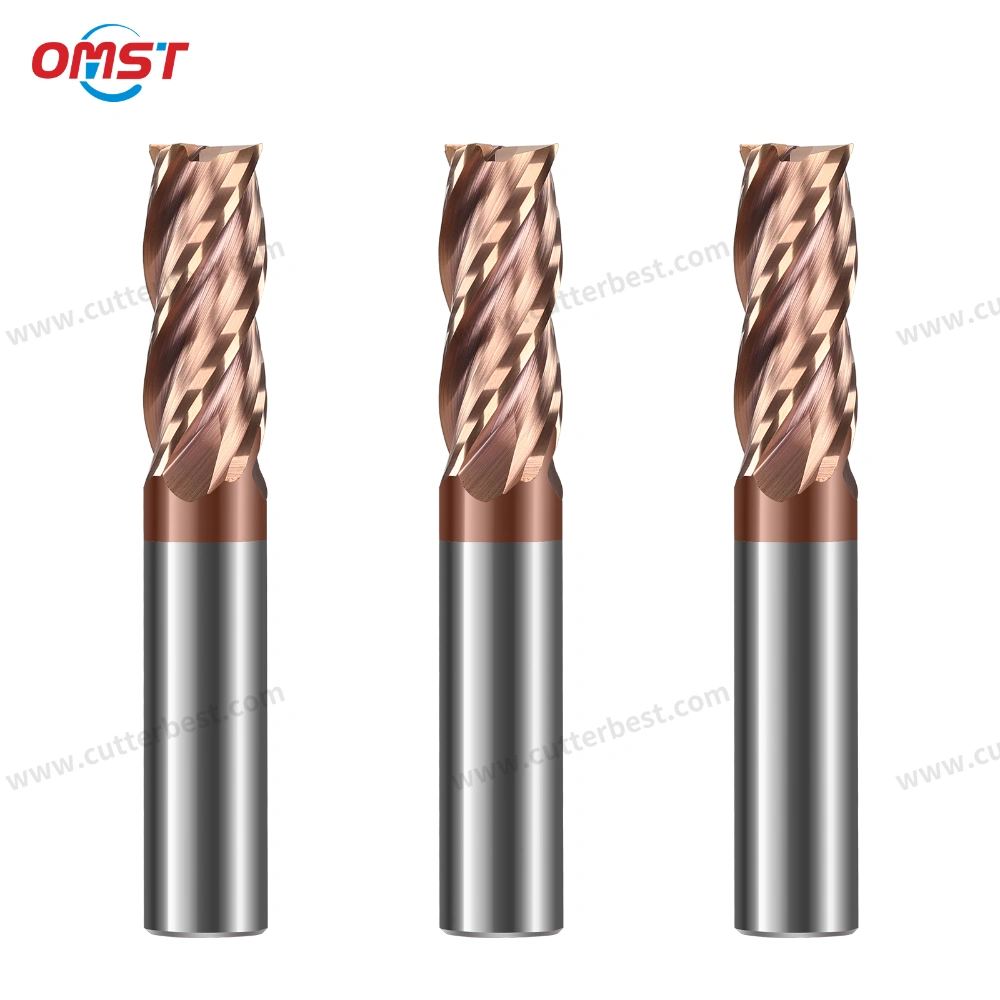
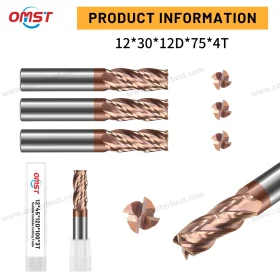
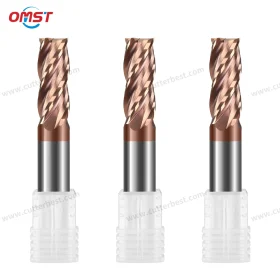
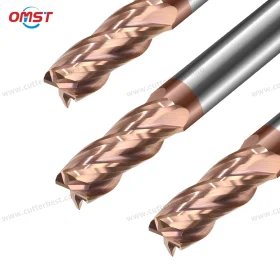
Черновые концевые фрезы удаляют припуск перед получистовой или чистовой обработкой.. Их зазубренные режущие кромки делят стружку на более мелкие части., что улучшает стружкодробление и снижает сопротивление резанию во время подходящих операций черновой обработки..
Само по себе название инструмента не определяет, будет ли фреза работать хорошо.. Правильная конструкция также зависит от материала заготовки., твердость, припуск на механическую обработку, диаметр фрезы, длина канавки, жесткость машины, вылет инструмента, состояние держателя, и стратегия резки.
Наше стандартное предложение ориентировано на цельные твердосплавные фрезы для черновой обработки на станках с ЧПУ.. Варианты HSS и кобальтовой HSS также доступны для некоторых обычных машин., больший размер фрезы, более низкие скорости резания, или особые требования клиента.
Зачем использовать зубчатую концевую фрезу для черновой обработки?
Улучшенный контроль стружки
Гладкая режущая кромка может привести к образованию длинной или сплошной стружки при интенсивной резке.. В сравнении, зубчатая кромка разделяет стружку вдоль канавки и образует меньшие секции стружки.
Такое стружколомное действие уменьшает скопление стружки в карманах и пазах.. Это также снижает риск повторной резки, когда конструкция канавки, метод подачи охлаждающей жидкости, и траектория инструмента соответствуют операции.
Эффективное удаление запасов
Фрезы для черновой обработки предназначены для удаления припуска на обработку, а не для получения окончательной поверхности..
Они обычно используются перед получистовым или чистовым проходом в полостях пресс-формы., карманы, слоты, боковые стенки, кованые детали, литые детали, и общие детали, обработанные на станках с ЧПУ.
Более низкое сопротивление резанию
Прерывистая зубчатая кромка не захватывает заготовку так же, как непрерывная чистовая кромка.. Как результат, режущей нагрузкой легче управлять при подходящих черновых операциях.
Фактическая производительность зависит от машины, держатель, глубина резания, радиальное зацепление, вылет инструмента, состояние охлаждающей жидкости, и материал заготовки.
Гибкая конструкция инструмента
Различные условия обработки требуют разного количества канавок., зубчатые ступени, марки твердого сплава, покрытия, и длины инструмента.
Выбор черновой фрезы только по диаметру может привести к плохой эвакуации стружки., вибрация, повреждение края, или нестабильный срок службы инструмента. Мы рекомендуем просмотреть все условия обработки, прежде чем утверждать окончательную спецификацию..
Доступные варианты концевых фрез для черновой обработки
Цельные твердосплавные фрезы для черновой обработки
Твердый сплав является основным вариантом для современной обработки на станках с ЧПУ.. Обеспечивает хорошую жесткость, износостойкость, и стабильность резания, когда геометрия инструмента соответствует заготовке и операции.
Для обычной стали доступны различные марки твердого сплава., нержавеющая сталь, чугун, титановые сплавы, и некоторые области применения закаленных материалов.
Фрезы для черновой обработки HSS
ХСС М2, М35, и фрезы для черновой обработки M42 доступны по запросу..
Эти инструменты подходят для обычных машин., более низкие скорости резания, больший размер фрезы, прерывистая резка, или приложения, требующие большей прочности инструмента. Они не являются основным вариантом для высокоскоростной обработки с ЧПУ., но они остаются полезными при определенных условиях.
Фрезы для черновой обработки с крупным шагом
Фрезы с крупным шагом имеют более широкое расстояние между зубьями.. Поэтому, они обеспечивают больше места для стружки и обычно подходят для мягких или стружкообразующих материалов.
Их часто рассматривают для алюминия., медь, мягкая углеродистая сталь, и другие приложения, где эвакуация стружки является серьезной проблемой.
Фрезы для черновой обработки с мелким шагом
Фрезы с мелким шагом имеют более близко расположенные зубчатые зубья.. Обычно они обеспечивают более плавное зацепление и более стабильное удаление припуска..
Обычно они подходят для углеродистой стали., легированная сталь, нержавеющая сталь, чугун, титановые сплавы, и некоторые применения из закаленной стали.
Шаг по-прежнему должен соответствовать диаметру фрезы., припуск на механическую обработку, операция, и жесткость машины.
Несколько вариантов флейты
Мы можем производить 2-, 3-, 4-, 5-, и 6-зубые исполнения для черновой обработки. Однако, не каждое количество канавок подходит для каждого диаметра фрезы или материала заготовки.
Меньшее количество канавок обычно обеспечивает больше места для стружки.. В отличие, большее количество канавок обеспечивает дополнительные режущие кромки и может улучшить стабильность в подходящих условиях..
Конструкция с 4 канавками обычно используется для черновой обработки стали., но его не следует рассматривать как универсальное решение.
Как выбрать концевые фрезы для черновой обработки
Начните с материала заготовки
Марка и твердость заготовки влияют на марку твердого сплава., счет флейты, зубчатый шаг, покрытие, подготовка кромок, и стратегия резки.
Например, алюминий нуждается в острых кромках и достаточном пространстве для стружки. Нержавеющая сталь требует контроля нагрева и стабильной резки.. Чугуну нужна износостойкость, в то время как титановые сплавы требуют тщательного контроля температуры резания и зацепления инструмента..
Подтвердите операцию обработки
Черновая обработка кармана, черновая обработка пазов, боковое фрезерование, черновая обработка формы, полнопрорезная резка, и трохоидальное фрезерование создают разные нагрузки на инструмент.
Фреза, которая хорошо подходит для боковой черновой обработки, возможно, не лучший вариант для глубокой канавки на всю ширину.. Поэтому, подтвердите операцию и траекторию инструмента перед выбором геометрии инструмента.
Проверьте жесткость станка и держателя
Длинный вылет инструмента, слабый зажим, биение шпинделя, недостаточная мощность машины, и неустойчивое крепление может вызвать вибрацию, сколы кромок, или преждевременный выход инструмента из строя.
По возможности используйте самую короткую практичную фрезу и длину канавки.. Жесткий держатель и стабильная установка заготовки также важны при съеме тяжелых материалов..
Сопоставьте количество флейт с пространством для чипа
Инструмент со слишком большим количеством канавок может не обеспечить достаточно места для стружки для мягкого или клейкого материала.. С другой стороны, слишком мало канавок может снизить стабильность резки при обработке некоторых видов стали..
Окончательное количество канавок должно соответствовать материалу., диаметр фрезы, радиальное зацепление, глубина резания, траектория инструмента, и метод подачи охлаждающей жидкости.
Выберите покрытие по материалу
Покрытие должно выдерживать материал заготовки и температуру резки.. Его не следует выбирать только по внешнему виду или цене..
При выборе покрытия также необходимо учитывать использование охлаждающей жидкости., скорость резания, устойчивость машины, и необходимый баланс между остротой кромки и износостойкостью.
Руководство по выбору материала
Следующие рекомендации служат общей отправной точкой.. Окончательный счет флейты, подача, покрытие, марка твердого сплава, размеры инструмента должны соответствовать фактической марке материала., твердость, диаметр фрезы, машина, и операции механической обработки.
| Материал заготовки | Общее направление инструмента | Примечания к выбору |
|---|---|---|
| Углеродистая сталь и легированная сталь | 4-флейта, твердосплавная фреза с мелким шагом; ТиАлН или АлТиН | Подберите марку твердого сплава и покрытие в соответствии с твердостью., запасы, резка тепла, и мощность машины. |
| Нержавеющая сталь | Твердосплавная фреза с мелким шагом; АлТиН или ТиСиН | Контроль тепла, уменьшить ненужный вылет инструмента, и поддерживать стабильную эвакуацию стружки. |
| Чугун | Твердосплавная фреза с мелким шагом; TiAlN или выбранная конструкция без покрытия | Отдавайте предпочтение прочности кромки и износостойкости, поскольку чугун может быть абразивным.. |
| Алюминиевые и медные сплавы | 2- или 3-флейт, фреза с крупным шагом; DLC или без покрытия | Используйте острые режущие кромки и достаточное пространство для канавок, чтобы уменьшить прилипание стружки и возможность повторной резки.. |
| Титановые сплавы | Твердосплавная фреза с мелким шагом для конкретного применения; АлТиН или ТиСиН | Контроль радиального зацепления, резка тепла, подача охлаждающей жидкости, и вылет инструмента. |
| Закалённая сталь | Изготовленная на заказ твердосплавная фреза с мелким шагом; АлТиН или ТиСиН | Отдельные приложения примерно до HRC 60 требуют жесткой настройки машины, короткий свес, и контролируемое удаление материала. |
Эти указания не являются фиксированными правилами.. Окончательный выбор инструмента должен основываться на условиях полной обработки..
Варианты покрытий
TiAlN
TiAlN обычно используется для углеродистой стали., легированная сталь, и избранное применение чугуна. Обеспечивает практический баланс термостойкости и износостойкости при общей черновой обработке..
Алтын
AlTiN обеспечивает хорошую стойкость к нагреванию и окислению.. Он может подойти стали, нержавеющая сталь, и некоторые области применения закаленных материалов.
TiSiN
TiSiN подходит для высокотемпературной резки и сложных материалов, таких как нержавеющая сталь и титановые сплавы..
DLC
DLC обеспечивает низкое трение и помогает уменьшить прилипание материала при обработке алюминия., медь, и другие цветные материалы.
Для абразивных литых алюминиевых сплавов с высоким содержанием кремния., например, некоторые приложения A380 или ADC12, DLC или другое специальное покрытие может улучшить износостойкость..
Без покрытия
Фреза без покрытия сохраняет острую режущую кромку и часто подходит для обычных марок деформируемого алюминия, таких как 6061 и 7075.
Точный выбор зависит от сплава., метод подачи охлаждающей жидкости, геометрия фрезы, и условия резания.
Олово
TiN в основном доступен для некоторых фрез HSS для черновой обработки и для обычных требований к обработке.. Обычно это не лучший вариант покрытия для современных твердосплавных инструментов для черновой обработки..
Когда концевая фреза для черновой обработки может оказаться не лучшим выбором
Зубчатая черновая фреза подходит не для каждой операции..
Возможно, это не лучший выбор, когда:
- Детали осталось лишь в небольшом количестве.
- Операция требует окончательной обработки поверхности и допусков на размеры..
- Компонент имеет очень тонкие или гибкие стенки..
- Станку или держателю не хватает жесткости..
- Инструмент требует чрезмерного вылета.
- Твердость материала или условия обработки превышают конструкцию инструмента..
Для очень больших диаметров фрез, высокие требования к удалению запасов, или мощные обрабатывающие центры, сменная фреза может стать более экономичным решением.
В других случаях, стандартная концевая фреза, чистовая концевая фреза, или другая стратегия обработки может дать лучший результат.
Распространенные ошибки выбора и обработки
Использование черновой фрезы для окончательной обработки
Зубчатая режущая кромка обычно оставляет более шероховатую поверхность, чем гладкая чистовая кромка..
Используйте черновую фрезу, чтобы удалить большую часть заготовки.. Затем оставьте контролируемое количество материала для финального прохода..
Выбор неправильного покрытия для алюминия
Покрытие, предназначенное для стали, может повысить адгезию материала при обработке алюминия..
Поверхности без покрытия или с DLC-покрытием часто более подходят, поскольку они поддерживают острые режущие кромки и снижают трение.. Окончательный выбор зависит от марки алюминия и состояния охлаждающей жидкости..
Использование чрезмерного вылета инструмента
Большой вылет снижает жесткость инструмента и увеличивает риск вибрации..
Используйте самую короткую практичную длину канавки., длина шеи, и общая длина. Если глубокая полость требует длинного инструмента, соответствующим образом отрегулируйте геометрию фрезы и стратегию резки..
Игнорирование эвакуации стружки
Плохая эвакуация стружки может привести к повторной резке стружки., накопление тепла, повреждение края, и нестабильная резка.
Количество флейт, зубчатый шаг, охлаждающая жидкость, воздушный взрыв, траектория инструмента, и глубину кармана следует рассматривать вместе.
Выбор только по диаметру фрезы
Две фрезы одинакового диаметра могут работать по-разному из-за количества канавок., подача, марка твердого сплава, покрытие, длина, подготовка кромок, и конструкция хвостовика.
Правильная рекомендация требует большего, чем просто диаметр фрезы..
Параметры спецификации
Следующие характеристики описывают наши общие производственные возможности.. Не каждая комбинация применима к каждому диаметру инструмента или условиям обработки..
| Спецификация | Доступные опции |
|---|---|
| Название продукта | Твердосплавные концевые фрезы для черновой обработки |
| Остриё | Волна зубчатая / Непревзойденное преимущество |
| Основной инструментальный материал | Твердый карбид |
| Дополнительный инструментальный материал | ХСС М2, М35, или М42 |
| Количество флейт | 2, 3, 4, 5, или 6 Флейты |
| Варианты шага | Грубый шаг, мелкий шаг, или индивидуальный зубчатый профиль |
| Типичный диаметр фрезы | 2–32 мм |
| Типичная длина канавки | 4–120 мм |
| Типичная общая длина | 50–200 мм |
| Варианты хвостовика | Стандартный метрический прямой хвостовик или специальный хвостовик |
| Система размеров | Метрика; Дюймовые и нестандартные размеры доступны по запросу. |
| Варианты длины | Стандартный, Дальний охват, Длинная шея, или увеличенная общая длина |
| Материалы заготовки | Сталь, Нержавеющая сталь, Чугун, Алюминий, Медь, Титановые сплавы, и отборная закаленная сталь |
| Твердость заготовки | Обычно до приблизительно HRC 60, В зависимости от приложения |
| Варианты покрытий | TiAlN, Алтын, TiSiN, DLC, Олово, или без покрытия |
| Тип заказа | Стандартный, Образец, Партия, или индивидуальное производство |
Окончательная технологическая спецификация зависит от диаметра фрезы., счет флейты, подача, инструментальный материал, покрытие, длина, толерантность, количество, и применение механической обработки.
Концевые фрезы для черновой обработки на заказ
Стандартный инструмент из каталога может подойти не для каждой детали., машина, или процесс резки. Возможно изготовление черновых фрез на заказ по чертежу., образец, существующий инструмент, или требования к механической обработке.
Пользовательские параметры могут включать в себя:
- Нестандартный диаметр фрезы
- Пользовательская длина канавки и общая длина
- Модели с длинным вылетом и длинной шеей
- Индивидуальный диаметр хвостовика и допуск
- 5- или специальные конструкции с 6 канавками
- Грубый-, отлично-, или зубчатые края с нестандартным шагом
- Специальная геометрия стружколомой канавки
- Твердый сплав, ультрамелкозернистый твердый сплав, Быстрорежущая сталь, или кобальт HSS
- Специальное покрытие
- Требования к диаметру и допуску хвостовика
- Лазерная маркировка, модель клиента, логотип, и упаковка
Пожалуйста, предоставьте полное состояние обработки перед производством.. Это позволяет нам рассматривать структуру инструмента как комплексное решение, а не рассматривать каждый параметр отдельно..
Черновая концевая фреза против чистовой концевой фрезы
Фрезы для черновой и чистовой обработки служат на разных этапах процесса обработки.. Черновая фреза удаляет большую часть припуска., в то время как чистовой резак производит окончательную поверхность и размеры.
| Элемент сравнения | Черновая концевая фреза | Чистовая концевая фреза |
|---|---|---|
| Основная цель | Быстрое удаление материала | Окончательный контроль поверхности и размеров |
| Остриё | Зубчатая или волнообразная стружколомная кромка | Гладкая непрерывная режущая кромка |
| Чип-контроль | Разбивает чипсы на более мелкие части | Обычно производит более непрерывную стружку |
| Режущая нагрузка | Подходит для более тяжелого удаления материала | Подходит для более легких чистовых пропилов. |
| Поверхностный результат | Оставляет более шероховатую поверхность и припуск на чистовую обработку. | Обеспечивает более гладкую конечную поверхность. |
| Общие приложения | Карман, слот, сторона, форма, и общая черновая обработка | Профилирование, окончательный размер, отделка стен, и отделка поверхности |
В типичном процессе ЧПУ, черновая концевая фреза сначала удаляет большую часть материала. Затем чистовая фреза удаляет оставшийся припуск и обеспечивает необходимое качество поверхности и точность размеров..
Когда на следующем этапе обработки требуется более гладкая поверхность, окончательный профиль, или контроль размеров, просмотрите наш твердосплавные концевые фрезы для чистовой обработки.
Часто задаваемые вопросы о концевых фрезах для черновой обработки
Для чего используется черновая концевая фреза?
Черновая концевая фреза удаляет большое количество заготовки перед получистовой или чистовой обработкой.. Зубчатая режущая кромка помогает дробить стружку и управлять сопротивлением резанию при черновой обработке..
Можно ли использовать черновую концевую фрезу для чистовой обработки??
Он может сделать проход резки, но, как правило, не рекомендуется для окончательной отделки. Зубчатая кромка обычно оставляет более шероховатую поверхность, чем гладкая чистовая фреза..
Какая концевая фреза для черновой обработки подходит для алюминия?
Резак с острыми краями, достаточно места для чипа, меньше флейт, а зубчатый профиль с крупным шагом часто подходит алюминию. Конструкция без покрытия или с DLC-покрытием также может быть выбрана в зависимости от марки алюминия и состояния охлаждающей жидкости..
В чем разница между крупным шагом и мелким шагом?
Крупный шаг обеспечивает больше пространства между зубьями и обычно способствует удалению стружки при обработке мягких или клейких материалов..
Мелкий шаг обеспечивает больше режущих контактов и обычно обеспечивает более плавное зацепление со сталью., нержавеющая сталь, чугун, и подобные материалы.
Концевые фрезы для черновой обработки стали из закаленной стали?
Отдельные твердосплавные фрезы, изготовленные по индивидуальному заказу, можно использовать для обработки закаленной стали примерно до HRC. 60.
Заявки между HRC 55 и СПЧ 60 обычно требуется стабильная установка, ограниченное радиальное зацепление, подходящий твердый сплав и покрытие, и контролируемая стратегия обработки. Это не универсальное решение для каждого HRC. 60 заготовка.
Как снизить вибрацию при черновом фрезеровании??
Используйте самый короткий практичный инструмент, уменьшить ненужный вылет, проверить биение держателя, улучшить фиксацию заготовки, выберите подходящую высоту звука и количество флейт, и отрегулируйте режущее зацепление.
В чем разница между черновой концевой фрезой и боровочной фрезой??
Свиная фреза — еще одно распространенное название черновой концевой фрезы с зубчатыми или стружколомными режущими кромками..
Однако, точный профиль зуба, счет флейты, подача, и предполагаемое применение могут различаться у разных производителей.
Можно ли использовать черновые концевые фрезы для трохоидального фрезерования??
Да. Отдельные концевые фрезы для черновой обработки можно использовать для трохоидальных или адаптивных траекторий инструмента..
Геометрия фрезы, радиальное зацепление, глубина резания, жесткость машины, и метод эвакуации стружки должен соответствовать условиям эксплуатации..
Вы поставляете дюймовые размеры??
Да. Метрические размеры являются стандартной опцией., при этом дюймовые и другие нестандартные размеры могут быть изготовлены по чертежу или необходимым размерам.
Какая информация необходима для выбора инструмента?
Укажите марку материала и твердость., операция механической обработки, размер фрезы, глубина резания, тип машины, информация о держателе, чертеж или образец, и необходимое количество.
Возможно изготовление по чертежу?
Да. Можем рассмотреть 2D чертежи., 3модели D, образцы, фотографии, или существующие спецификации инструмента перед подтверждением производства.
Отправьте заявку на концевую фрезу для черновой обработки
Нужен черновой фрезер для обработки карманов., черновая обработка формы, резка пазов, боковое фрезерование, или другая операция по вывозу со склада? Пожалуйста, отправьте электронное письмо с указанием материала и твердости заготовки., операция механической обработки, необходимые размеры инструмента, информация о машине и держателе, чертеж или образец, и количество заказа sales@cutterbest.com. Мы рассмотрим вашу заявку и порекомендуем подходящую стандартную или специальную концевую фрезу для черновой обработки..
Сопутствующие продукты и ресурсы
Изучите наш Концевая фреза для общего слотирования, профилирование, и приложения для фрезерования карманов.
The 4 Флейта концевая фреза распространенный вариант для стали, нержавеющая сталь, и общее фрезерование с ЧПУ.
Нужны твердосплавные фрезы или фрезы по индивидуальному заказу.? Посмотреть наши Твердосплавная концевая фреза.
Узнайте об распространенных конструкциях и применениях фрез в нашей Руководство по типам фрез.