 Freze de precizie,Scule de tăiere pentru prelucrarea CNC a fiecărui material

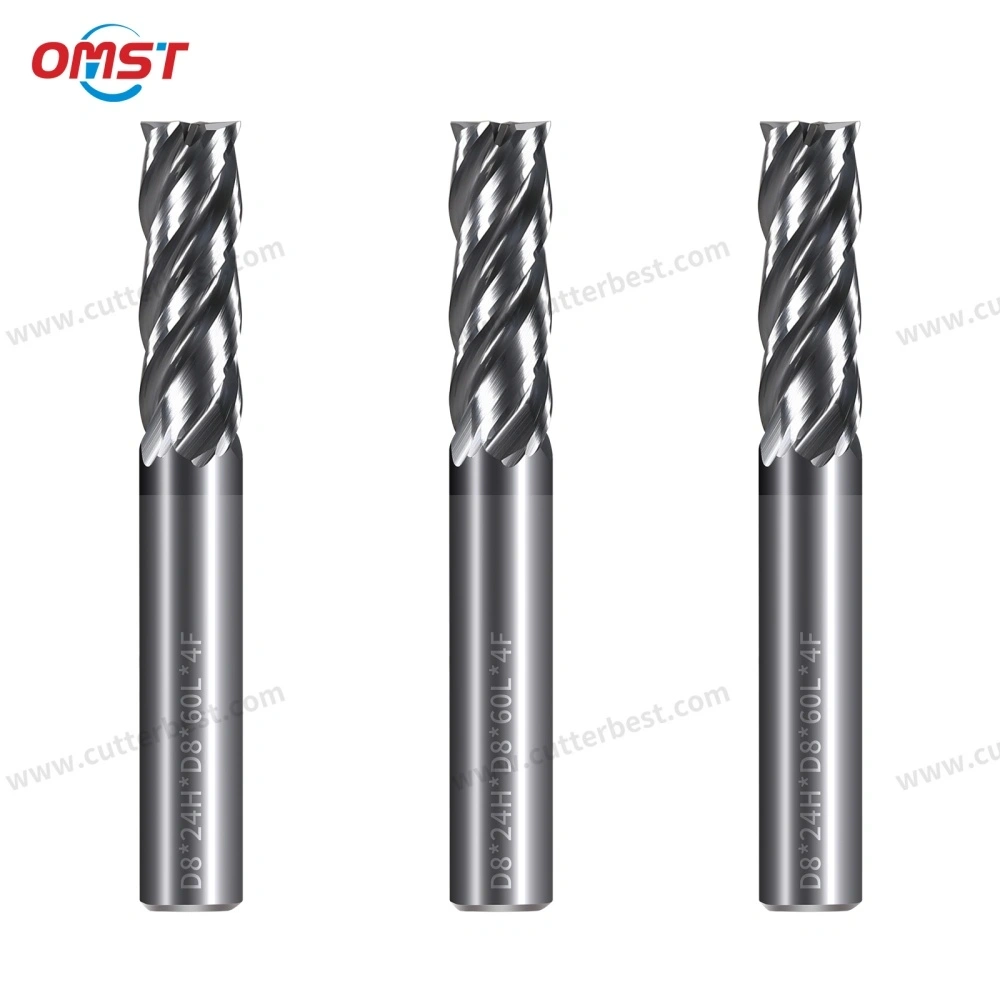
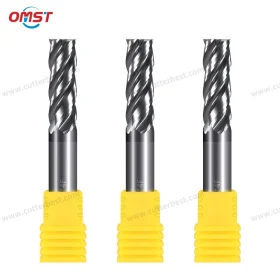
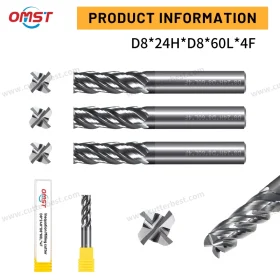
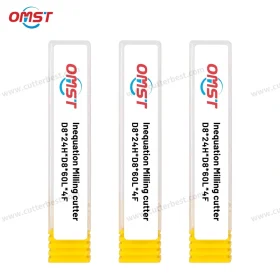
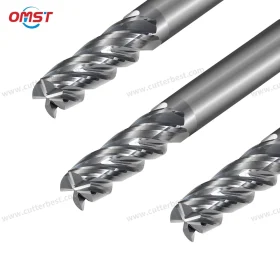
Solid Carbide Flat End Mill for CNC Machining
A flat end mill has a flat cutting end and sharp outer corners. It produces flat-bottom features, pereții laterali drepti, sloturi, buzunare, trepte, și umerii pătrați. Many buyers also use the term square end mill for the same general end profile.
Learn more about the tool profile, margini de tăiere, and working principles in our guide to flat end mill geometry and cutting action.Learn more about flat end mill geometry and cutting action.
We supply solid carbide flat end mills in standard metric and inch sizes. în plus, we can evaluate custom cutting diameters, lungimi de flaut, lungimi totale, dimensiunile tijei, flaut numără, clase de carbură, acoperiri, and tolerances according to your drawing and machining requirements.
Caracteristici cheie
Flat Bottom and Sharp Cutting Corners
The flat end profile creates a level bottom surface and a clear transition between the bottom and side wall. Prin urmare, it suits components that require flat-bottom slots, square pockets, ziduri drepte, trepte, or near-90-degree shoulders.
Sharp corners carry more cutting stress than rounded corners. Din acest motiv, gradul de carbură, pregătirea marginilor, acoperire, surplusul sculei, and cutting parameters should match the workpiece material and machining conditions.
Construcție din carbură solidă
Solid carbide provides good rigidity, rezistenta la uzura, și stabilitate dimensională. It also supports precise flute geometry and sharp cutting edges.
Ca urmare, the tool can maintain accuracy during slotting, buzunare, frezare laterală, frezarea umărului, si finisare. Cu toate acestea, a rigid machine setup and short tool overhang help reduce vibration and corner damage.
Opțiuni multiple de flaut
Different flute counts provide different balances between chip space, rigiditatea sculei, cutting efficiency, și finisarea suprafeței.
Două- and three-flute designs provide more chip space. Prin urmare, they often suit aluminum, cupru, materiale plastice, soft materials, fante adânci, and applications that create a large volume of chips.
Four-flute designs provide more cutting edges and greater rigidity. They suit many steel, oţel inoxidabil, and general CNC machining applications.
Six-flute designs can improve cutting stability and surface quality during side milling and finishing. Cu toate acestea, they provide less chip space and are not usually the first choice for heavy full-width slotting.
Coated and Uncoated Options
Uncoated or polished cutting edges often suit aluminum, cupru, și alte materiale neferoase. These options can help reduce material adhesion and built-up edges.
Coated tools can improve heat resistance and wear resistance when machining steel, oţel inoxidabil, fontă, oțel aliat, and harder materials. The final coating should match the workpiece material, duritate, starea lichidului de răcire, și operațiunea de prelucrare.
Application Guide
| Aplicație | Typical Tool Feature | Selection Note |
|---|---|---|
| Slot milling | 2 sau 3 flutes with larger chip space | Helps remove chips during deep or full-width cutting |
| Frezare buzunar | Geometrie de tăiere centrală | Ramping or helical entry usually provides smoother cutting |
| Side and profile milling | Short and rigid cutting length | Helps control deflection and improve wall accuracy |
| Square shoulder milling | Sharp outer corners | Creates a clear transition between the bottom and side wall |
| Flat-bottom finishing | Stable geometry and controlled engagement | Helps reduce uneven tool marks |
See the main flat end mill applications in CNC machining, including slotting, buzunare, frezare laterală, frezarea umărului, and entry methods.
Pentru aluminiu, soft materials, and deep slots, fewer flutes usually provide better chip evacuation. Review our 2 Freză de capăt pentru caneluri for these applications.
For a detailed guide to slotting, buzunare, frezare laterală, frezarea umărului, plunging, and entry methods, read about flat end mill applications in CNC machining.
Pentru oțel, oţel inoxidabil, și frezare CNC generală, a four-flute design often provides a practical balance between rigidity, rezistență de vârf, and chip control. Review our 4 Freză de capăt pentru caneluri.
For side milling, semifinisare, si finisare, a six-flute design can improve stability and surface quality. Cu toate acestea, it offers less chip space and is not usually the first choice for heavy slotting. Vezi noastre 6 Freză de capăt pentru caneluri.
Choosing by Workpiece Material
| Materialul piesei de prelucrat | Typical Selection | Main Consideration |
|---|---|---|
| Aluminiu și cupru | 2 sau 3 flutes with sharp or polished edges | Chip evacuation and reduced material adhesion |
| General steel | 4 flutes with a suitable wear-resistant coating | Rigidity, control cip, și durata de viață a sculei |
| Oţel inoxidabil | Stable cutting edge and heat-resistant coating | Heat control, rubbing, și călirea prin muncă |
| Fontă | Wear-resistant carbide grade and coating | Abrasive wear and edge durability |
| Alloy or hardened steel | Strong edge preparation and rigid setup | Heat resistance, vibration control, și durata de viață a sculei |
The final recommendation depends on the material grade, duritate, lățimea de tăiere, adâncimea de tăiere, starea lichidului de răcire, rigiditatea mașinii, și finisarea necesară a suprafeței. Prin urmare, please provide the exact workpiece material and hardness when requesting a quotation.
Tăiere în centru și metode de intrare
Entry capability depends on the exact end-cutting geometry and tool design. Some flat end mills support controlled plunging, rampă, or helical interpolation, while other designs require side entry or an existing hole.
Ramping or helical entry usually reduces cutting shock and improves chip evacuation. Prin urmare, please tell us whether the tool will enter by vertical plunging, rampă, intrare laterală, or an existing hole.
Size and Custom Options
Opțiunile disponibile pot include:
- Metric or inch cutting diameter
- Standard, scurt, lung, or custom flute length
- Lungime totală standard sau personalizată
- Diametrul tijei standard sau personalizat
- Neck diameter and neck length
- 2, 3, 4, 6, or custom flute count
- Geometrie de tăiere centrală
- Standard or custom helix angle
- Sharp or prepared cutting edge
- Neacoperit, lustruit, sau acoperire specifică aplicației
- Dimensional tolerance according to the drawing
Pentru diametre non-standard, special lengths, custom necks, sau geometrie specifică aplicației, revizuiește-ne freze la comandă service.
Flat End Mill vs Other End Profiles
Nasul de taur vs moara plată
A flat end mill has sharp corners for square shoulders and flat-bottom features. În contrast, a bull nose end mill keeps a flat center section but adds corner radii.
The radii strengthen the cutting corners and create a smoother transition between the bottom and side wall. Cu toate acestea, they cannot produce the same sharp internal corner as a flat end profile.
Read the complete bull nose vs flat end mill comparison before selecting the end profile.
For parts that require stronger corners or a specified corner radius, revizuiește-ne moara cu nas de taur.
Ball Nose vs Flat End Mill
A ball nose end mill has a fully rounded cutting end for molds, moare, suprafete curbate, and three-dimensional contours.
În comparație, a flat end profile is better suited to slots, buzunare, ziduri drepte, flat surfaces, și umerii pătrați. For curved and three-dimensional machining, revizuiește-ne freze cu cap bilă.
For a detailed comparison of cutting geometry, surface results, and roughing and finishing applications, citeste-ne ball nose end mill vs flat end mill guide.
If the final machining stage may require a different end profile, număr de flaut, or material-specific tool, revizuiește-ne soluții de freza de finisare pentru prelucrarea CNC.
Întrebări frecvente
Is a flat end mill the same as a square end mill?
In many cutting tool catalogs, flat end mill and square end mill describe the same general end profile: a flat cutting end with sharp outer corners. Cu toate acestea, naming may vary between manufacturers and markets.
Can a flat end mill plunge into solid material?
A center-cutting flat end mill can perform controlled plunging, rampă, sau intrare elicoidală. A non-center-cutting tool cannot plunge vertically into solid material.
Which flute count should I choose?
Two or three flutes provide more chip space for aluminum, soft materials, and deep slots. Four flutes suit many steel and general machining applications, while six flutes work well for stable side milling and finishing.
Can you manufacture custom flat end mills?
Da. We can evaluate custom diameters, lungimi de flaut, lungimi totale, dimensiunile tijei, flaut numără, acoperiri, and tolerances according to your drawing and machining requirements.
Send Your Flat End Mill Inquiry
Please send us your required size, număr de flaut, materialul piesei de prelucrat, si cantitate. If you have a drawing, feel free to attach it.
E-mail: sales@cutterbest.com
Opțiuni de specificații
| Caietul de sarcini | Opțiuni disponibile |
|---|---|
| Tip produs | Moara plată / Moara pătrată |
| Structura instrumentului | Freză din carbură solidă |
| Finalizare profil | Flat Bottom with Sharp Corners |
| Numărul de flaute | 2, 3, 4, 6, sau Personalizat |
| Entry Capability | Confirmed According to Tool Design |
| Diametrul de tăiere | Metric, inch, sau Personalizat |
| Lungimea flautului | Standard, Short, Long, sau Personalizat |
| Lungimea totală | Standard or Custom |
| Diametrul tijei | Standard or Custom |
| Neck Design | Standard or Long-Reach Options |
| Unghiul Helix | Standard or Custom According to Application |
| De ultimă oră | Ascuțit, Honed, or Application-Specific |
| Carbide Grade | Selected According to Workpiece and Application |
| Înveliș | Uncoated or Application-Specific Coating |
| Materialul piesei de prelucrat | Aluminiu, Cupru, Oțel, Oţel inoxidabil, Fontă, și Aliaje |
| Aplicații | Slotting, Buzunar, Frezare laterală, Frezarea profilului, and Square Shoulders |
| Serviciu personalizat | Dimensiune, Fluiere, Geometrie, Înveliș, and Tolerance |
| Tip comandă | Eşantion, Small Batch, or Bulk Order |
| Ambalare | Standard, Neutru, or Custom Packaging |