 Präzisions-Fräser,Schneidwerkzeuge für die CNC-Bearbeitung jedes Materials

Ein Fasenfräser bearbeitet abgewinkelte Kanten und entfernt unerwünschte scharfe Kanten oder Grate von bearbeiteten Teilen. In der CNC-Bearbeitung, Bediener verwenden es häufig bei Endbearbeitungsvorgängen, wenn ein Teil vor der Inspektion eine sauberere Kante benötigt, Handhabung, oder Montage.
Zu den typischen Anwendungen gehört das Anfasen von Kanten, entgraten, Kantenbruch, und Kantenbearbeitung. daher, Käufer sollten die endgültige Fräserspezifikation anhand der erforderlichen Funktion überprüfen, Werkstückinformationen, und verfügbaren Maßanforderungen.
Was ist ein Fasenfräser??
Ein Fasenfräser ist ein Schneidwerkzeug zum Bearbeiten einer abgewinkelten Kante an einem Werkstück.
Im Gegensatz zu einem Standard-Flachschaftfräser, Ein Fasenfräser verfügt über eine Schneidgeometrie, die zum Anfasen und damit verbundenen Kantenbearbeitungsvorgängen vorgesehen ist.
Fasenfräser sind in verschiedenen Ausführungen und Winkeln erhältlich. Für einen CNC-Benutzer oder Käufer, Der erste Schritt besteht darin, den erforderlichen Bearbeitungsvorgang zu identifizieren und dann die entsprechende Fräserspezifikation zu bestätigen.
Wofür wird ein Fasenfräser verwendet??
Der Hauptzweck eines Fasfräsers besteht darin, die Kanten eines bearbeiteten Teils zu bearbeiten.
Abhängig vom Teilebedarf, Das Werkzeug kann eine abgewinkelte Kante erzeugen, Nach der Bearbeitung verbleibende Grate entfernen, eine scharfe Ecke brechen, oder den Kantenzustand vor dem nächsten Produktionsschritt verbessern.
Kantenanfasen
Das Kantenanfasen ist eine der Hauptanwendungen eines Fasfräsers.
Nach dem Fräsen oder anderen Bearbeitungsvorgängen, Die Kante eines Werkstücks kann scharf bleiben. Ein Fasenfräser kann je nach Teileanforderung eine kontrollierte abgewinkelte Kante bearbeiten.
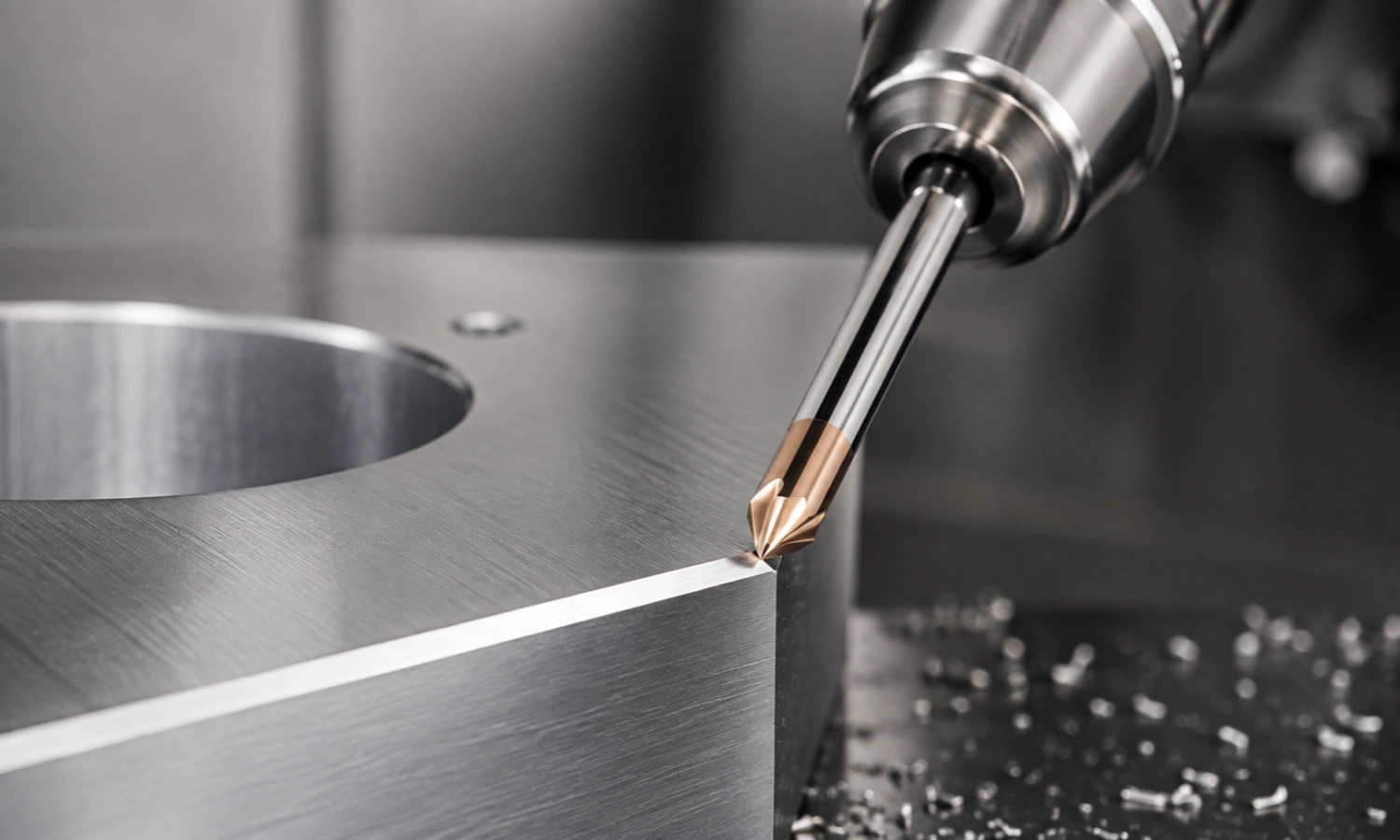
CNC-Bediener führen diese Art von Vorgang häufig in der Endbearbeitungsphase durch, wenn das bearbeitete Bauteil eine definierte Fase anstelle einer unbehandelten scharfen Ecke erfordert.
Entgraten nach der CNC-Bearbeitung
Nach der Bearbeitung können Grate an den Werkstückkanten zurückbleiben.
Mit einem Fasenfräser können diese Grate entfernt und die Kante vor der Inspektion gereinigt werden, Handhabung, oder Montage. Damit ist das Entgraten ein wichtiger Einsatzbereich von Fasfräsern in der CNC-Fertigung.
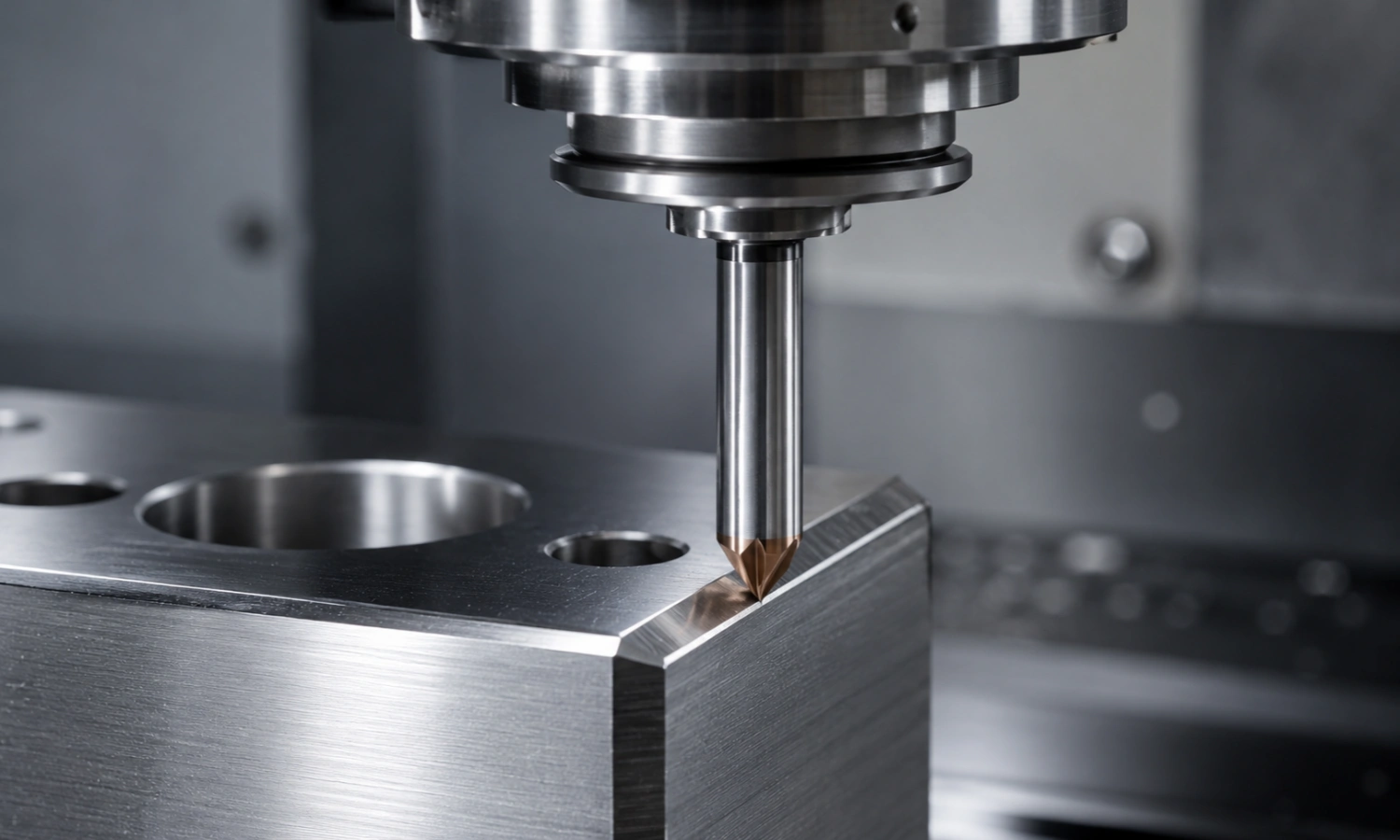
daher, Käufer sollten die Fräserspezifikation entsprechend der tatsächlichen Werkstückgeometrie und dem erforderlichen Kantenzustand bestätigen.
Kantenbrechen und Kantenbearbeitung
Nicht jedes Teil erfordert eine große oder deutlich sichtbare Fase.
Manchmal besteht die Bearbeitungsanforderung einfach darin, eine scharfe Kante zu entfernen oder eine kleine fertige Kante zu erzeugen. In diesen Fällen, Zum Kantenbrechen und Kantenbearbeiten kann ein Fasenfräser verwendet werden.
Käufer sollten den erforderlichen Kantenzustand anhand der Teilezeichnung oder der Bearbeitungsanforderungen bestätigen, bevor sie den Fräser auswählen.
Hauptanwendungen von Fasenfräsern
| Anwendung | Wofür der Cutter verwendet wird |
|---|---|
| Kantenanfasen | Bearbeiten Sie eine erforderliche abgewinkelte Kante |
| Entgraten | Grate von den bearbeiteten Kanten entfernen |
| Kantenbrechen und Endbearbeitung | Entfernen Sie eine scharfe Kante oder schaffen Sie einen fertigen Kantenzustand |
Bevor Sie das Werkzeug auswählen, Bestätigen Sie den erforderlichen Kantenzustand und die verfügbaren Fräserspezifikationen.
Benötigen Sie Hilfe bei der Auswahl eines Fasenfräswinkels??
Die Auswahl eines Fasenfräswinkels ist eine separate Auswahlfrage. Wenn Sie eine Auswahl zwischen 60° benötigen, 90°, und 120°-Optionen, siehe unsere 60 vs 90 vs 120 Grad-Fasenfräser: Welchen Winkel sollten Sie wählen?? Führung.
Häufig gestellte Fragen
Was macht ein Fasenfräser??
Ein Fasenfräser bearbeitet schräge Kanten an einem Werkstück. Es wird häufig zum Anfasen von Kanten verwendet, entgraten, Kantenbruch, und damit verbundene Kantenbearbeitungsvorgänge.
Kann ein Fasenfräser zum Entgraten verwendet werden??
Ja. Ein Fasenfräser kann zum Entfernen von Graten von bearbeiteten Kanten verwendet werden, wenn die Werkzeugspezifikation und die Teileanforderungen für den Vorgang geeignet sind.
Käufer sollten die Fräserspezifikation entsprechend dem tatsächlichen Werkstück und dem erforderlichen Kantenzustand bestätigen.
Ist ein Fasenfräser, der für die Kantenbearbeitung geeignet ist?
Ja. Fasenfräser können zur Kantenbearbeitung verwendet werden, wenn ein bearbeitetes Teil eine abgeschrägte oder gebrochene Kante erfordert.
Käufer sollten das gewünschte Ergebnis anhand der Zeichnung oder der Bearbeitungsanforderungen prüfen, bevor sie den Fräser auswählen.
Kann OMIST die Anforderungen an kundenspezifische Fasenfräser bewerten??
Ja. OMIST kann nicht standardmäßige Anforderungen an Fasenfräser anhand der verfügbaren Abmessungen bewerten, Werkstückinformationen, Menge, und etwaige bereitgestellte Zeichnungen oder Maßskizzen.
Wenn ein bestimmter Winkel erforderlich ist, Nehmen Sie es in die Anfrage auf.
Entdecken Sie Chamfer Mills
Wenn Sie einen Fasenfräser zum CNC-Anfasen benötigen, entgraten, Kantenbruch, oder Kantenbearbeitungsvorgänge, Überprüfen Sie die verfügbaren Fasenfräser Optionen oder senden Sie OMIST Ihre verfügbaren Anforderungsdetails zur Bewertung.
Für nicht standardmäßige Anforderungen, Senden Sie die verfügbaren Abmessungen, Zeichnung oder Maßskizze, Werkstückinformationen, und Menge an OMIST zur Bewertung und Angebotserstellung.