 Fresas de precisión,Herramientas de corte para el mecanizado CNC de todos los materiales

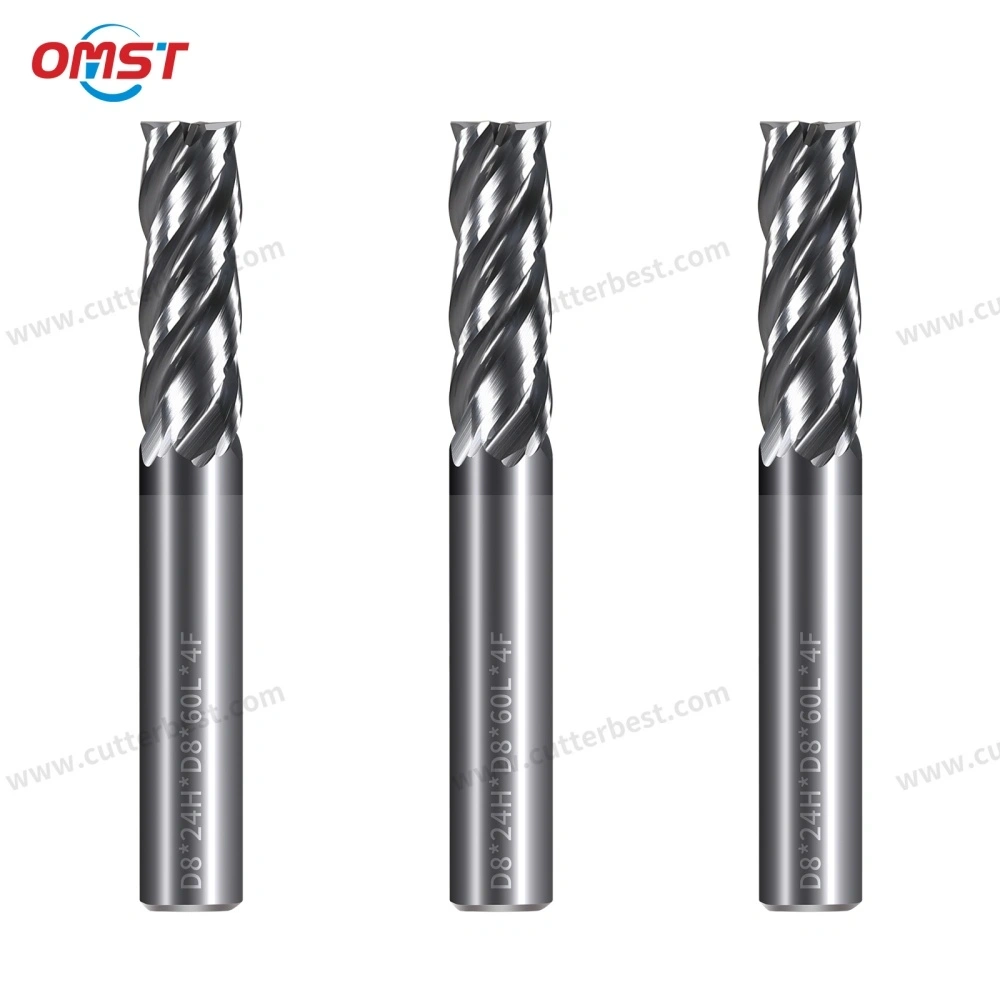
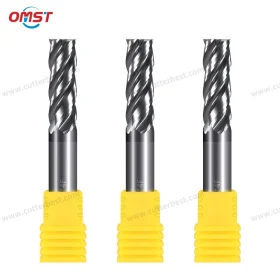
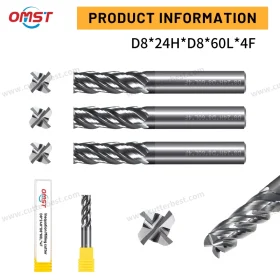
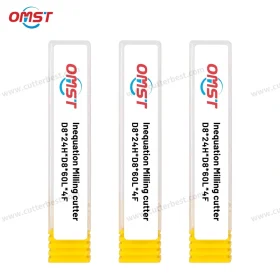
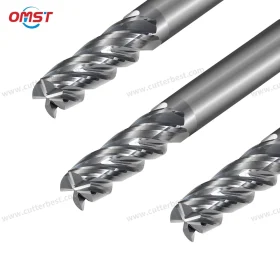
Fresa de extremo plano de carburo sólido para mecanizado CNC
Una fresa de extremo plano tiene un extremo de corte plano y esquinas exteriores afiladas.. Produce características de fondo plano., paredes laterales rectas, tragamonedas, bolsillos, pasos, y hombros cuadrados. Muchos compradores también utilizan el término fresa cuadrada para el mismo perfil final general..
Obtenga más información sobre el perfil de la herramienta, Bordes de corte, y principios de trabajo en nuestra guía para Geometría del molino de extremo plano y acción de corte..Más información sobre Geometría del molino de extremo plano y acción de corte..
Suministramos fresas de extremo plano de carburo sólido en tamaños estándar métricos y en pulgadas. Además, Podemos evaluar diámetros de corte personalizados., longitudes de flauta, longitudes totales, tamaños de mango, flauta cuenta, grados de carburo, revestimientos, y tolerancias según sus requisitos de dibujo y mecanizado.
Características clave
Fondo plano y esquinas de corte afiladas.
El perfil de extremo plano crea una superficie inferior nivelada y una transición clara entre la pared inferior y lateral.. Por lo tanto, se adapta a componentes que requieren ranuras de fondo plano, bolsillos cuadrados, paredes rectas, pasos, o hombros cerca de 90 grados.
Las esquinas afiladas soportan más tensión de corte que las esquinas redondeadas. Por esta razón, el grado de carburo, preparación de bordes, revestimiento, saliente de la herramienta, y los parámetros de corte deben coincidir con el material de la pieza de trabajo y las condiciones de mecanizado.
Construcción de carburo sólido
El carburo sólido proporciona buena rigidez., resistencia al desgaste, y estabilidad dimensional. También admite una geometría de flauta precisa y bordes cortantes afilados..
Como resultado, la herramienta puede mantener la precisión durante el ranurado, embolsarse, fresado lateral, fresado en hombro, y terminando. Sin embargo, Una configuración rígida de la máquina y un voladizo corto de la herramienta ayudan a reducir la vibración y el daño en las esquinas..
Múltiples opciones de flauta
Diferentes recuentos de flautas proporcionan diferentes equilibrios entre el espacio de la viruta., rigidez de la herramienta, eficiencia de corte, y acabado superficial.
Dos- y los diseños de tres flautas brindan más espacio para el chip. Por lo tanto, a menudo se adaptan al aluminio, cobre, plástica, materiales blandos, ranuras profundas, y aplicaciones que crean un gran volumen de chips.
Los diseños de cuatro flautas proporcionan más filos de corte y mayor rigidez.. Se adaptan a muchos acero., acero inoxidable, y aplicaciones generales de mecanizado CNC.
Los diseños de seis flautas pueden mejorar la estabilidad del corte y la calidad de la superficie durante el fresado lateral y el acabado.. Sin embargo, Proporcionan menos espacio para el chip y no suelen ser la primera opción para ranuras pesadas de ancho completo..
Opciones recubiertas y sin recubrir
Los filos sin recubrimiento o pulidos suelen ser adecuados para el aluminio., cobre, y otros materiales no ferrosos. Estas opciones pueden ayudar a reducir la adhesión del material y los bordes acumulados..
Las herramientas recubiertas pueden mejorar la resistencia al calor y al desgaste al mecanizar acero, acero inoxidable, hierro fundido, acero aleado, y materiales más duros. El recubrimiento final debe coincidir con el material de la pieza de trabajo., dureza, condición del refrigerante, y operación de mecanizado.
Guía de aplicación
| Solicitud | Característica típica de la herramienta | Nota de selección |
|---|---|---|
| Fresado de ranuras | 2 o 3 Flautas con mayor espacio para virutas. | Ayuda a eliminar virutas durante el corte profundo o de ancho completo |
| Fresado de cajeras | Geometría de corte central | La entrada en rampa o helicoidal generalmente proporciona un corte más suave. |
| Fresado lateral y de perfiles | Longitud de corte corta y rígida | Ayuda a controlar la deflexión y mejorar la precisión de la pared. |
| Fresado en escuadra | Esquinas exteriores afiladas | Crea una transición clara entre la pared inferior y lateral. |
| Acabado de fondo plano | Geometría estable y compromiso controlado | Ayuda a reducir las marcas de herramientas desiguales. |
ver el principal Aplicaciones de fresas de extremo plano en mecanizado CNC, incluyendo ranurado, embolsarse, fresado lateral, fresado en hombro, y métodos de entrada.
Para aluminio, materiales blandos, y ranuras profundas, Menos canales generalmente proporcionan una mejor evacuación de virutas.. Revisa nuestro 2 fresa de ranura para estas aplicaciones.
Para obtener una guía detallada sobre el posicionamiento, embolsarse, fresado lateral, fresado en hombro, muy bajo, y métodos de entrada, leer sobre Aplicaciones de fresas de extremo plano en mecanizado CNC.
para acero, acero inoxidable, y fresado CNC en general, Un diseño de cuatro flautas a menudo proporciona un equilibrio práctico entre rigidez, fuerza de vanguardia, y control de chips. Revisa nuestro 4 fresa de ranura.
Para fresado lateral, semiacabado, y terminando, un diseño de seis flautas puede mejorar la estabilidad y la calidad de la superficie. Sin embargo, Ofrece menos espacio para el chip y no suele ser la primera opción para ranuras pesadas.. Vea nuestro 6 fresa de ranura.
Elegir por material de pieza de trabajo
| Material de la pieza de trabajo | Selección típica | Consideración principal |
|---|---|---|
| Aluminio y cobre | 2 o 3 flautas con bordes afilados o pulidos | Evacuación de virutas y reducción de la adherencia del material. |
| acero general | 4 Flautas con un revestimiento adecuado resistente al desgaste. | Rigidez, control de chips, y vida útil de la herramienta |
| Acero inoxidable | Filo estable y revestimiento resistente al calor. | control de calor, frotamiento, y endurecimiento del trabajo |
| Hierro fundido | Grado y recubrimiento de carburo resistentes al desgaste | Desgaste abrasivo y durabilidad de los bordes. |
| Acero aleado o endurecido | Fuerte preparación de bordes y configuración rígida | Resistencia al calor, control de vibraciones, y vida útil de la herramienta |
La recomendación final depende del grado del material., dureza, ancho de corte, profundidad de corte, condición del refrigerante, rigidez de la máquina, y acabado superficial requerido. Por lo tanto, proporcione el material y la dureza exactos de la pieza de trabajo cuando solicite una cotización.
Métodos de entrada y corte central
La capacidad de entrada depende de la geometría exacta del corte final y del diseño de la herramienta.. Algunas fresas de extremo plano admiten hundimiento controlado, rampa, o interpolación helicoidal, mientras que otros diseños requieren una entrada lateral o un orificio existente.
La entrada en rampa o helicoidal generalmente reduce el impacto del corte y mejora la evacuación de virutas.. Por lo tanto, por favor díganos si la herramienta entrará por inmersión vertical, rampa, entrada lateral, o un agujero existente.
Tamaño y opciones personalizadas
Las opciones disponibles pueden incluir:
- Diámetro de corte métrico o en pulgadas
- Estándar, corto, largo, o longitud de flauta personalizada
- Longitud total estándar o personalizada
- Diámetro de vástago estándar o personalizado
- Diámetro del cuello y longitud del cuello.
- 2, 3, 4, 6, o recuento de flautas personalizado
- Geometría de corte central
- Ángulo de hélice estándar o personalizado
- Borde cortante afilado o preparado
- Sin recubrimiento, pulido, o revestimiento para aplicaciones específicas
- Tolerancia dimensional según el dibujo.
Para diámetros no estándar, longitudes especiales, cuellos personalizados, o geometría específica de la aplicación, revisa nuestro fresas personalizadas servicio.
Fresa de extremo plano frente a otros perfiles de extremo
Molino de punta toro versus extremo plano
Una fresa de extremo plano tiene esquinas afiladas para hombros cuadrados y características de fondo plano. En contraste, una fresa de punta redondeada mantiene una sección central plana pero agrega radios de esquina.
Los radios refuerzan las esquinas de corte y crean una transición más suave entre la pared inferior y lateral.. Sin embargo, no pueden producir la misma esquina interna afilada que un perfil de extremo plano.
Leer el completo fresa de punta toro versus fresa plana comparación antes de seleccionar el perfil final.
Para piezas que requieren esquinas más fuertes o un radio de esquina específico, revisa nuestro fresa de punta de toro.
Molino de punta esférica versus molino de extremo plano
Una fresa de punta esférica tiene un extremo de corte completamente redondeado para moldes., muere, superficies curvas, y contornos tridimensionales.
En comparación, un perfil de extremo plano se adapta mejor a las ranuras, bolsillos, paredes rectas, superficies planas, y hombros cuadrados. Para mecanizado curvo y tridimensional, revisa nuestro Fresas de punta esférica.
Para una comparación detallada de la geometría de corte, resultados de superficie, y aplicaciones de desbaste y acabado., lee nuestro fresa de punta esférica versus guía de fresa de punta plana.
Si la etapa de mecanizado final puede requerir un perfil final diferente, recuento de flauta, o herramienta específica del material, revisa nuestro Soluciones de fresado de acabado para mecanizado CNC.
Preguntas frecuentes
¿Es lo mismo una fresa de extremo plano que una fresa de extremo cuadrado??
En muchos catálogos de herramientas de corte., La fresa de extremo plano y la fresa de extremo cuadrado describen el mismo perfil de extremo general.: un extremo de corte plano con esquinas exteriores afiladas. Sin embargo, los nombres pueden variar entre fabricantes y mercados.
¿Puede una fresa de extremo plano sumergirse en material sólido??
Una fresa de extremo plano de corte central puede realizar una inmersión controlada, rampa, o entrada helicoidal. Una herramienta que no corta en el centro no puede sumergirse verticalmente en material sólido..
¿Qué número de flautas debo elegir??
Dos o tres flautas proporcionan más espacio para las virutas de aluminio., materiales blandos, y ranuras profundas. Cuatro flautas se adaptan a muchas aplicaciones de mecanizado general y de acero., mientras que seis flautas funcionan bien para un fresado lateral y acabado estables.
¿Pueden fabricar fresas de extremo plano personalizadas??
Sí. Podemos evaluar diámetros personalizados., longitudes de flauta, longitudes totales, tamaños de mango, flauta cuenta, revestimientos, y tolerancias según sus requisitos de dibujo y mecanizado.
Envíe su consulta sobre fresas de extremo plano
Por favor envíenos su tamaño requerido, recuento de flauta, material de la pieza de trabajo, y cantidad. si tienes un dibujo, siéntete libre de adjuntarlo.
Email: sales@cutterbest.com
Opciones de especificación
| Especificación | Opciones disponibles |
|---|---|
| Tipo de producto | Fresa de extremo plano / Fresa de extremo cuadrado |
| Estructura de la herramienta | Fresa de carburo sólido |
| Perfil final | Fondo plano con esquinas afiladas |
| Conteo de flauta | 2, 3, 4, 6, o personalizado |
| Capacidad de entrada | Confirmado según el diseño de la herramienta |
| Diámetro de corte | Métrico, Pulgada, o personalizado |
| Longitud de la flauta | Estándar, Corto, Largo, o personalizado |
| Longitud total | Estándar o personalizado |
| Diámetro del vástago | Estándar o personalizado |
| Diseño de cuello | Opciones estándar o de largo alcance |
| Ángulo de hélice | Estándar o personalizado según aplicación |
| Innovador | Afilado, perfeccionado, o Aplicación específica |
| Grado de carburo | Seleccionado según pieza de trabajo y aplicación |
| Capa | Recubrimiento sin recubrimiento o para aplicaciones específicas |
| Material de la pieza de trabajo | Aluminio, Cobre, Acero, Acero inoxidable, Hierro fundido, y aleaciones |
| Aplicaciones | Ranurar, embolsarse, Fresado lateral, Fresado de perfiles, y hombros cuadrados |
| Servicio personalizado | Tamaño, Flautas, Geometría, Capa, y tolerancia |
| Tipo de orden | Muestra, Lote pequeño, o pedido al por mayor |
| Embalaje | Estándar, Neutral, o embalaje personalizado |