Teléfono: 0086-15907552669 Correo electrónico: sales@cutterbest.com

Acerca de Contacto |

what is a chamfer milling cutter used for

What Is a Chamfer Milling Cutter Used For?

A chamfer milling cutter is used to create angled edges on machined parts. En mecanizado CNC, manufacturers often use it for chamfering, desbarbado, edge breaking, V-groove milling, and hole edge finishing.

This tool is especially useful when a workpiece needs a clean edge, safer handling, better assembly, or improved surface appearance. Por lo tanto, chamfer cutters are common in mold machining, precision parts production, mechanical components, and metalworking applications.

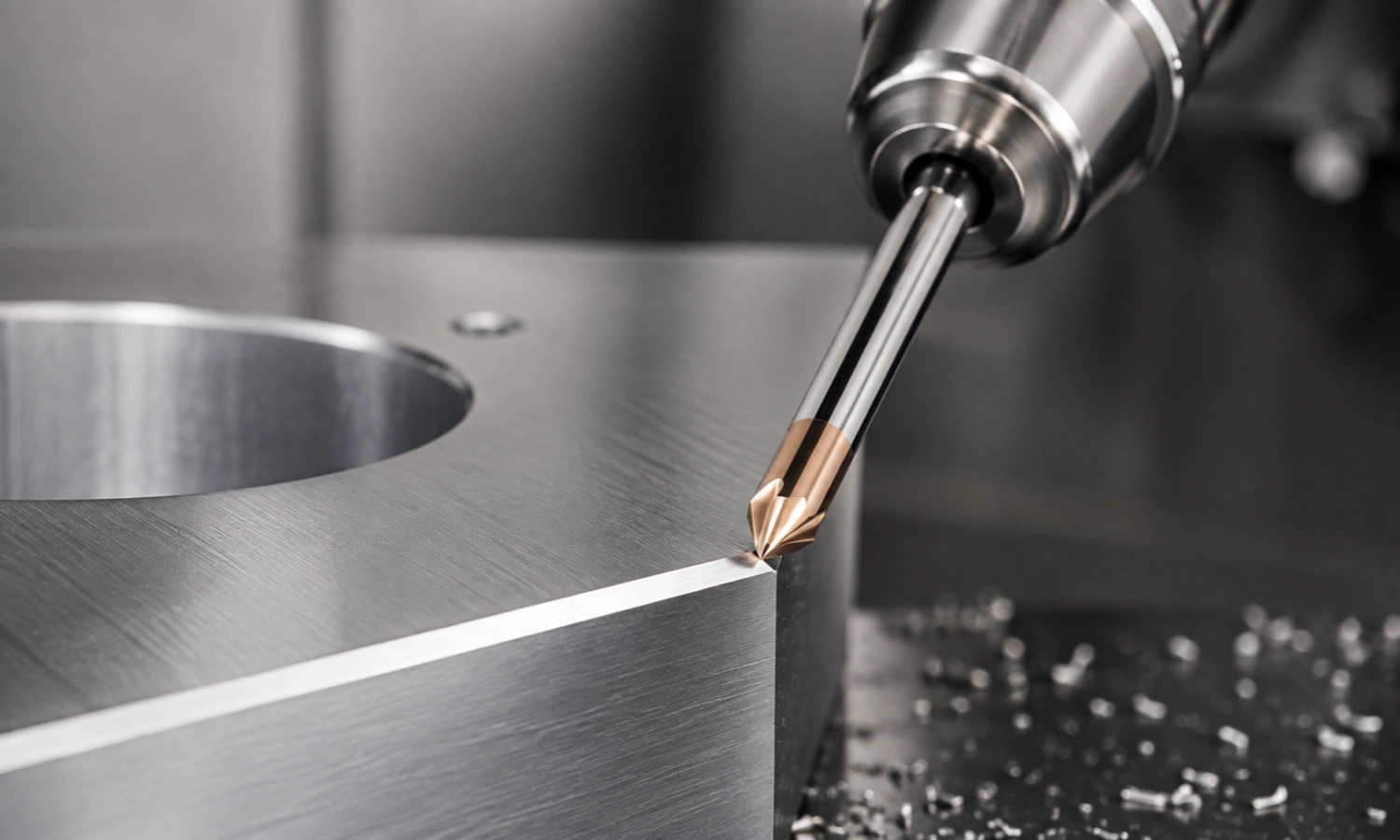
chamfer milling cutter for CNC chamfering

What Is a Chamfer Milling Cutter?

A chamfer milling cutter is a cutting tool designed to machine angled edges on a workpiece. It can remove sharp corners, create a beveled edge, or prepare a part for assembly.

In most CNC milling applications, the tool works after rough milling, perforación, mecanizado de contornos, o terminando. Como resultado, it helps remove burrs and improves the final edge quality.

A diferencia de una fresa estándar, a chamfer cutter has an angled cutting geometry. This design allows the cutter to form a chamfer instead of a flat slot or profile. Depending on the application, chamfer cutters may come in different angles, such as 60°, 90°, or 120°.

For common CNC chamfering, desbarbado, and edge finishing work, puedes consultar nuestro 90 Degree Chamfer Milling Cutter product page.

What Is a Chamfer Milling Cutter Used For?

A chamfer milling cutter has several important uses in CNC machining. It does more than improve the look of a part. More importantly, it helps remove sharp edges, reduce burrs, and make parts easier to assemble.

Edge Chamfering

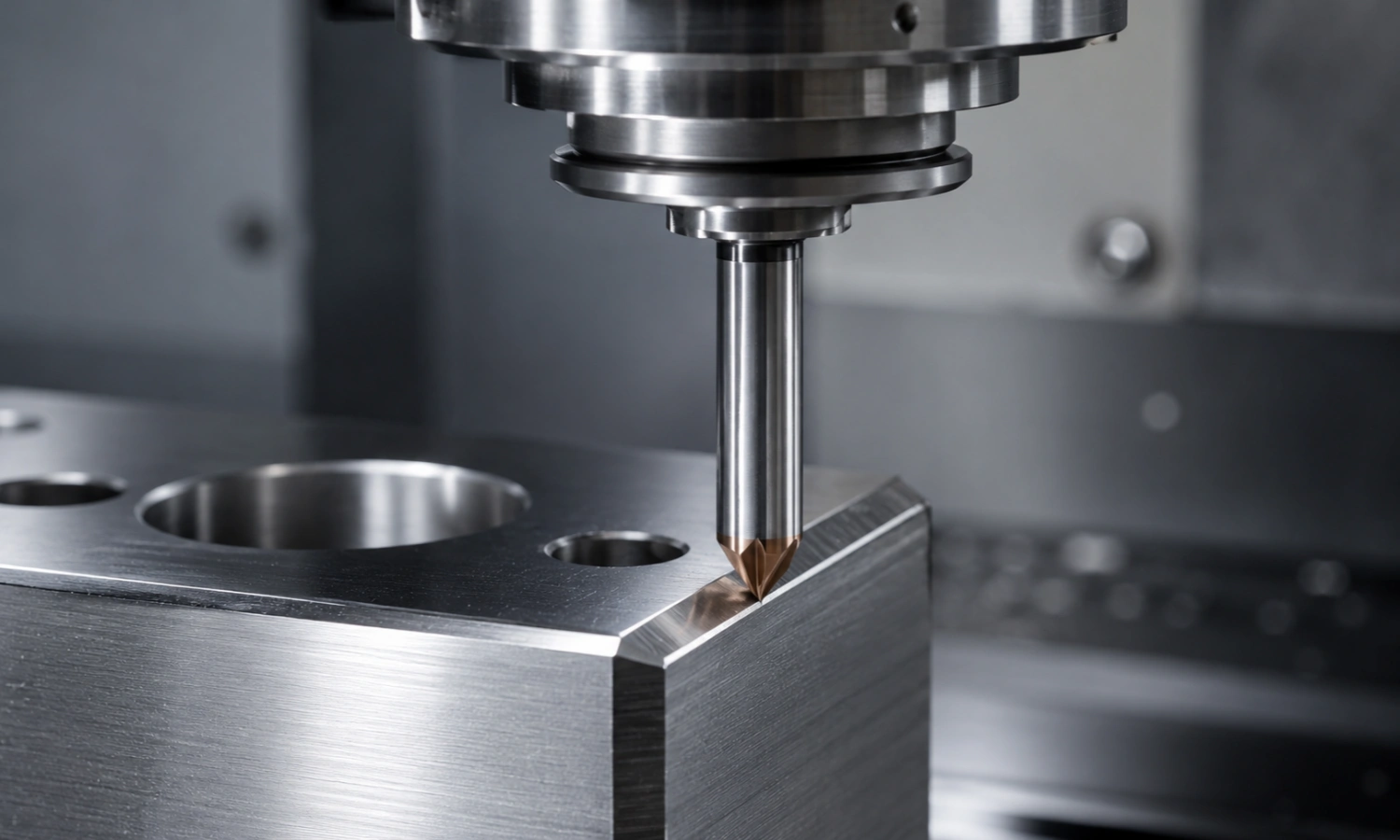
Edge chamfering is one of the most common uses of a chamfer milling cutter. After CNC milling, the workpiece edge may be sharp or uneven. A chamfer cutter can create a small angled edge to make the part safer and cleaner.

Además, edge chamfering can improve the appearance of a finished part. This is important for visible components, precision parts, componentes del molde, y conjuntos mecánicos.

Deburring After CNC Milling

Burrs often appear after milling, perforación, or contour machining. If they stay on the part, they may affect assembly, calidad de la superficie, or product safety.

A chamfer cutter for deburring helps remove these burrs from the edge of the workpiece. Por lo tanto, many CNC operators use chamfering tools as a final process before inspection, assembly, or shipment.

Edge Breaking Before Assembly

Edge breaking means removing a sharp edge without making a large chamfer. This process helps prevent scratches, cutting injuries, and assembly interference.

Por ejemplo, when two machined parts need to fit together, a small edge break can make assembly smoother. En este caso, a chamfer milling cutter helps create a controlled and consistent edge.

V-Groove Milling

A chamfer cutter can also be used for V-groove milling. The angled cutting edge can create V-shaped grooves on metal or non-metal parts.

Sin embargo, the tool angle and cutting depth must match the required groove shape. Por esta razón, users should check the drawing, ancho de ranura, and material before choosing the cutter.

Hole Edge Chamfering

After drilling or boring, the hole edge may have burrs or sharp corners. A chamfer cutter can help machine a clean bevel around the hole opening.

This process can improve part quality and make screw fitting, assembly, or handling easier. Sin embargo, if the main purpose is deep countersinking, a countersink drill may be more suitable.

chamfer cutter applications in CNC machining

Main Applications of Chamfer Milling Cutters

The table below shows common applications and why CNC users choose chamfer cutters.

SolicitudPurposeCommon Benefit
Edge chamferingCreate an angled edgeCleaner edge and better appearance
DeburringRemove burrs after machiningSafer parts and smoother handling
Edge breakingRemove sharp cornersEasier assembly and less scratching
V-groove millingMachine angled groovesControlled groove shape
Hole edge chamferingChamfer drilled or bored holesBetter hole edge quality
Mold part finishingImprove precision edgesMore stable finished parts

This table gives a general guide. In real production, the best tool depends on material, chamfer size, cutter angle, rigidez de la máquina, y condiciones de corte.

Common Workpiece Materials

Chamfer milling cutters can work with many materials. Sin embargo, users should choose the right tool material, revestimiento, and cutting parameters for each workpiece.

Steel and Stainless Steel

Para acero y acero inoxidable, many users choose a carbide chamfer cutter with a suitable coating. A coated tool can improve wear resistance and cutting stability.

Además, stainless steel may cause more heat during cutting. Por lo tanto, stable clamping, proper feed, and coolant can help improve the result.

Aluminum and Non-Ferrous Metals

Aluminio, cobre, and other non-ferrous metals usually need a sharp cutting edge. Good chip removal is also important because soft materials may stick to the cutting edge.

Para mecanizado de aluminio, users may choose an uncoated tool or a suitable coating for non-ferrous materials. Como resultado, the cutter can produce a cleaner chamfer and better surface finish.

Mold Steel and Precision Parts

Mold components and precision mechanical parts often require stable chamfer width and clean edges. En estas aplicaciones, tool rigidity and edge quality are important.

If the workpiece material is hard or difficult to cut, users should confirm the hardness, tool coating, and cutting parameters before production.

Chamfer Cutter vs Countersink Drill

Many buyers ask whether a chamfer cutter is the same as a countersink drill. They are related, but they are not exactly the same.

A chamfer cutter is often used on CNC milling machines for edge chamfering, desbarbado, edge breaking, and V-groove milling. A countersink drill is more often used for hole openings, especially when a screw head needs to sit flush with the surface.

HerramientaUso principalCommon Machine
Chamfer cutterEdge chamfering, desbarbado, V-groove millingCNC milling machine
Countersink drillHole chamfering and countersinkingDrilling machine or CNC machine

Por lo tanto, if your main task is edge finishing on milled parts, a chamfer milling cutter is usually a better choice. Sin embargo, if your main task is countersinking screw holes, a countersink drill may be more suitable.

How to Choose a Chamfer Milling Cutter

how to choose a chamfer milling cutter

Choosing the right chamfer milling cutter depends on the workpiece, drawing requirement, condición de la máquina, y cantidad de producción. Before buying, users should check the following points.

Choose by Chamfer Angle

The chamfer angle should match the drawing or machining requirement. Common options include 60°, 90°, and 120°.

For general edge chamfering and deburring, a 90 degree chamfer cutter is widely used. Sin embargo, other angles may be required for special grooves, part designs, or drawing standards.

Elija por material de pieza de trabajo

Different materials need different tool designs. Por ejemplo, steel and stainless steel may need coated carbide tools. Aluminum and copper may need sharper cutting edges and better chip removal.

Por lo tanto, buyers should provide the workpiece material and hardness when asking for a quotation.

Choose by Chamfer Size

The cutter diameter should match the required chamfer width. If the required chamfer is too large for the tool, cutting vibration and tool wear may increase.

Además, a stable cutting process helps keep chamfer width consistent across batch production.

Choose by Machine and Cutting Conditions

Rigidez de la máquina, tool clamping, velocidad del husillo, tasa de alimentación, and coolant all affect chamfering quality. Even a good tool may perform poorly if the cutting conditions are not suitable.

Por esta razón, CNC users should adjust cutting parameters according to the machine, material, y acabado requerido.

Choose by Standard or Custom Requirement

Standard chamfer cutters are suitable for many general applications. Sin embargo, custom tools may be needed when the customer requires a special diameter, angle, tamaño del mango, revestimiento, or packaging.

For non-standard carbide tools, también puedes visitar nuestro Fresas personalizadas página.

When Should You Use a 90 Degree Chamfer Cutter?

Un 90 degree chamfer cutter is a common choice for CNC chamfering, desbarbado, edge breaking, and V-groove milling. It works well for many general machining tasks where the part needs a clean and consistent edge.

Por ejemplo, users may choose this type of cutter after milling a metal part, drilling a hole, or finishing a mold component. Además, it can help improve edge quality before assembly or inspection.

If your machining process needs a standard 90° chamfering tool, puedes consultar nuestro 90 Degree Chamfer Milling Cutter product page.

Preguntas más frecuentes

What does a chamfer milling cutter do?

A chamfer milling cutter creates angled edges on machined parts. It can also remove burrs, break sharp edges, and machine V-grooves.

Can a chamfer cutter be used for deburring?

Sí. Many CNC operators use chamfer cutters for deburring after milling, perforación, or contour machining. The tool helps remove burrs and improves edge quality.

Is a chamfer cutter the same as a countersink drill?

No, they are not exactly the same. A chamfer cutter is mainly used for CNC milling applications, such as edge chamfering and V-groove milling. A countersink drill is mainly used for hole countersinking.

What angle chamfer cutter should I choose?

The angle depends on the drawing, chamfer size, y propósito de mecanizado. Common angles include 60°, 90°, and 120°. For general chamfering and edge breaking, many users choose a 90 degree chamfer cutter.

Can OMIST supply custom chamfer milling cutters?

Sí. OMIST can supply standard and custom chamfer milling cutters according to diameter, angle, tamaño del mango, revestimiento, dibujo, muestra, y cantidad.

Conclusión

A chamfer milling cutter is an important CNC cutting tool for chamfering, desbarbado, edge breaking, V-groove milling, and hole edge finishing. It helps improve part safety, assembly quality, and surface appearance.

Sin embargo, the right cutter depends on the workpiece material, chamfer angle, diámetro de la herramienta, revestimiento, condición de la máquina, y cantidad de producción. Por lo tanto, buyers should confirm these details before ordering.

For standard or custom chamfering applications, puedes consultar nuestro 90 Degree Chamfer Milling Cutter product page.

If you need a suitable chamfer cutter for CNC machining, please send us your workpiece material, chamfer size, dibujo, requisito de recubrimiento, y cantidad. OMIST can help check the specification and provide a quotation for your application.

Anterior:

Deja una respuesta

Deja un mensaje