 Cortadores de fresagem de precisão,Ferramentas de corte para usinagem CNC de todos os materiais

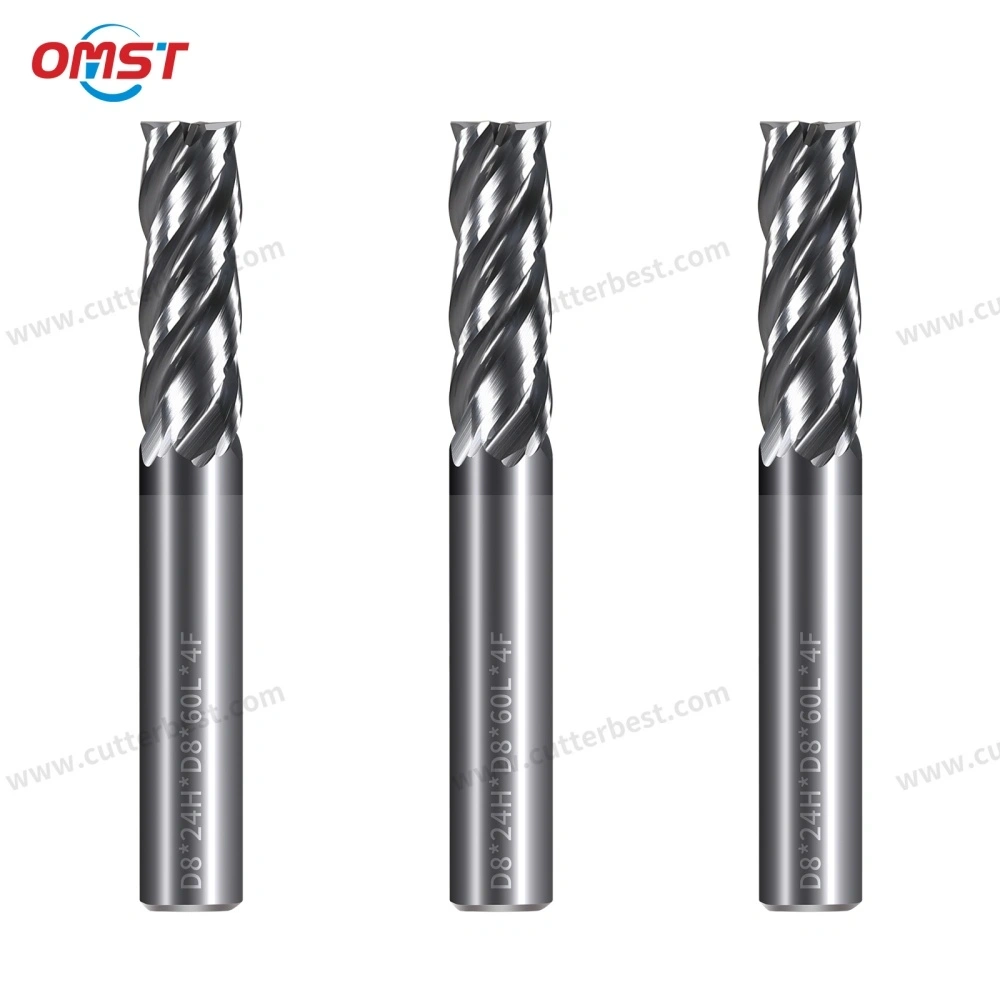
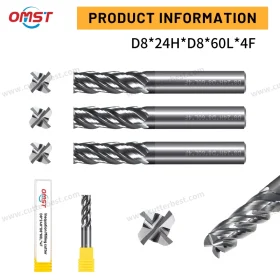
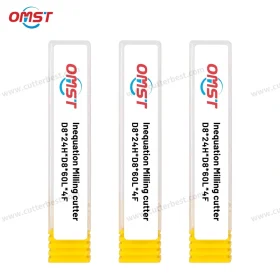
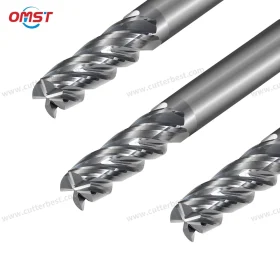
Fresa de topo plano de metal duro para usinagem CNC
Uma fresa de topo plano tem uma extremidade de corte plana e cantos externos afiados. Produz recursos de fundo plano, paredes laterais retas, slots, bolsos, passos, e ombros quadrados. Muitos compradores também usam o termo fresa de topo quadrado para o mesmo perfil final geral.
Saiba mais sobre o perfil da ferramenta, arestas de corte, e princípios de trabalho em nosso guia para geometria da fresa de topo plano e ação de corte.Saiba mais sobre geometria da fresa de topo plano e ação de corte.
Fornecemos fresas de topo plano de metal duro em tamanhos métricos e em polegadas padrão. Além disso, podemos avaliar diâmetros de corte personalizados, comprimentos de flauta, comprimentos totais, tamanhos de haste, contagens de flauta, classes de metal duro, revestimentos, e tolerâncias de acordo com seus requisitos de desenho e usinagem.
Principais características
Fundo plano e cantos de corte afiados
O perfil de extremidade plana cria uma superfície inferior nivelada e uma transição clara entre a parede inferior e lateral. Portanto, é adequado para componentes que exigem slots de fundo plano, bolsos quadrados, paredes retas, passos, ou ombros quase 90 graus.
Cantos afiados suportam mais tensão de corte do que cantos arredondados. Por esta razão, a classe de metal duro, preparação de borda, revestimento, balanço da ferramenta, e os parâmetros de corte devem corresponder ao material da peça e às condições de usinagem.
Construção Sólida em Metal Duro
O metal duro sólido proporciona boa rigidez, resistência ao desgaste, e estabilidade dimensional. Ele também suporta geometria precisa de canal e arestas de corte afiadas.
Como resultado, a ferramenta pode manter a precisão durante a abertura de canais, embolsar, fresagem lateral, fresamento de cantos a 90 graus, e acabamento. No entanto, uma configuração rígida da máquina e um balanço curto da ferramenta ajudam a reduzir a vibração e os danos nos cantos.
Várias opções de flauta
Diferentes contagens de canais fornecem diferentes equilíbrios entre o espaço do chip, rigidez da ferramenta, eficiência de corte, e acabamento superficial.
Dois- e designs de três canais fornecem mais espaço para cavacos. Portanto, eles geralmente combinam com alumínio, cobre, plásticos, materiais macios, slots profundos, e aplicativos que criam um grande volume de chips.
Os designs de quatro canais proporcionam mais arestas de corte e maior rigidez. Eles se adaptam a muitos aços, aço inoxidável, e aplicações gerais de usinagem CNC.
Projetos de seis canais podem melhorar a estabilidade de corte e a qualidade da superfície durante fresamento lateral e acabamento. No entanto, eles fornecem menos espaço para chips e geralmente não são a primeira escolha para ranhuras pesadas de largura total.
Opções revestidas e não revestidas
Arestas de corte não revestidas ou polidas geralmente são adequadas para alumínio, cobre, e outros materiais não ferrosos. Essas opções podem ajudar a reduzir a adesão do material e arestas postiças.
Ferramentas revestidas podem melhorar a resistência ao calor e ao desgaste ao usinar aço, aço inoxidável, ferro fundido, liga de aço, e materiais mais duros. O revestimento final deve corresponder ao material da peça, dureza, condição do líquido refrigerante, e operação de usinagem.
Guia de aplicação
| Aplicativo | Recurso típico de ferramenta | Nota de seleção |
|---|---|---|
| Fresamento de canais | 2 ou 3 flautas com maior espaço para cavacos | Ajuda a remover cavacos durante cortes profundos ou em toda a largura |
| Fresamento de bolso | Geometria de corte central | A entrada em rampa ou helicoidal geralmente proporciona um corte mais suave |
| Fresamento lateral e de perfil | Comprimento de corte curto e rígido | Ajuda a controlar a deflexão e melhorar a precisão da parede |
| Fresamento de cantos a 90 graus | Cantos externos afiados | Cria uma transição clara entre a parede inferior e lateral |
| Acabamento de fundo plano | Geometria estável e engate controlado | Ajuda a reduzir marcas irregulares de ferramentas |
Veja os principais aplicações de fresas de topo plano em usinagem CNC, incluindo ranhura, embolsar, fresagem lateral, fresamento de cantos a 90 graus, e métodos de entrada.
Para alumínio, materiais macios, e slots profundos, menos canais geralmente proporcionam melhor evacuação de cavacos. Revise nosso 2 moinho de extremidade de flauta para essas aplicações.
Para obter um guia detalhado sobre slotting, embolsar, fresagem lateral, fresamento de cantos a 90 graus, mergulhando, e métodos de entrada, leia sobre aplicações de fresas de topo plano em usinagem CNC.
Para aço, aço inoxidável, e fresamento CNC em geral, um design de quatro canais geralmente fornece um equilíbrio prático entre rigidez, força de ponta, e controle de chips. Revise nosso 4 moinho de extremidade de flauta.
Para fresamento lateral, semi-acabamento, e acabamento, um design de seis canais pode melhorar a estabilidade e a qualidade da superfície. No entanto, oferece menos espaço para cavacos e geralmente não é a primeira escolha para ranhuras pesadas. Veja nosso 6 moinho de extremidade de flauta.
Escolhendo por Material da Peça
| Material da peça | Seleção Típica | Consideração principal |
|---|---|---|
| Alumínio e cobre | 2 ou 3 flautas com bordas afiadas ou polidas | Evacuação de cavacos e adesão reduzida do material |
| Aço geral | 4 flautas com um revestimento resistente ao desgaste adequado | Rigidez, controle de cavacos, e vida útil da ferramenta |
| Aço inoxidável | Aresta de corte estável e revestimento resistente ao calor | Controle de calor, fricção, e trabalho de endurecimento |
| Ferro fundido | Classe e revestimento de metal duro resistente ao desgaste | Desgaste abrasivo e durabilidade da borda |
| Liga ou aço temperado | Forte preparação de bordas e configuração rígida | Resistência ao calor, controle de vibração, e vida útil da ferramenta |
A recomendação final depende do grau do material, dureza, largura de corte, profundidade de corte, condição do líquido refrigerante, rigidez da máquina, e acabamento superficial necessário. Portanto, forneça o material exato da peça e a dureza ao solicitar um orçamento.
Métodos de corte central e entrada
A capacidade de entrada depende da geometria exata do corte final e do design da ferramenta. Algumas fresas de topo plano suportam mergulho controlado, rampa, ou interpolação helicoidal, enquanto outros projetos exigem entrada lateral ou um furo existente.
A entrada em rampa ou helicoidal geralmente reduz o choque de corte e melhora o escoamento de cavacos. Portanto, informe-nos se a ferramenta entrará por mergulho vertical, rampa, entrada lateral, ou um buraco existente.
Tamanho e opções personalizadas
As opções disponíveis podem incluir:
- Diâmetro de corte métrico ou em polegadas
- Padrão, curto, longo, ou comprimento de flauta personalizado
- Comprimento total padrão ou personalizado
- Diâmetro da haste padrão ou personalizado
- Diâmetro e comprimento do pescoço
- 2, 3, 4, 6, ou contagem de flauta personalizada
- Geometria de corte central
- Ângulo de hélice padrão ou personalizado
- Aresta de corte afiada ou preparada
- Não revestido, polido, ou revestimento específico da aplicação
- Tolerância dimensional conforme desenho
Para diâmetros fora do padrão, comprimentos especiais, pescoços personalizados, ou geometria específica da aplicação, revise nosso fresas de topo personalizadas serviço.
Fresa de topo plano versus outros perfis de topo
Nariz de touro vs fresa de topo plano
Uma fresa de topo plano possui cantos afiados para cantos retos e recursos de fundo plano. Em contraste, uma fresa de topo de ponta boleada mantém uma seção central plana, mas adiciona raios de canto.
Os raios fortalecem os cantos de corte e criam uma transição mais suave entre a parede inferior e lateral. No entanto, eles não podem produzir o mesmo canto interno agudo que um perfil de extremidade plana.
Leia o completo nariz de touro vs fresa de topo plano comparação antes de selecionar o perfil final.
Para peças que exigem cantos mais fortes ou um raio de canto especificado, revise nosso fresa de topo de nariz de touro.
Ponta esférica vs fresa de topo plano
Uma fresa de topo esférico tem uma extremidade de corte totalmente arredondada para moldes, morre, superfícies curvas, e contornos tridimensionais.
Em comparação, um perfil de extremidade plana é mais adequado para slots, bolsos, paredes retas, superfícies planas, e ombros quadrados. Para usinagem curva e tridimensional, revise nosso fresas de ponta esférica.
Para uma comparação detalhada da geometria de corte, resultados de superfície, e aplicações de desbaste e acabamento, leia nosso fresa de topo esférico vs guia de fresa de topo plano.
Se a etapa final de usinagem exigir um perfil final diferente, contagem de flauta, ou ferramenta específica do material, revise nosso soluções de fresas de acabamento para usinagem CNC.
Perguntas frequentes
Uma fresa de topo plano é o mesmo que uma fresa de topo quadrada?
Em muitos catálogos de ferramentas de corte, fresa de topo plana e fresa de topo quadrada descrevem o mesmo perfil final geral: uma extremidade de corte plana com cantos externos afiados. No entanto, a nomenclatura pode variar entre fabricantes e mercados.
Uma fresa de topo plano pode mergulhar em material sólido?
Uma fresa de topo plano com corte central pode realizar mergulho controlado, rampa, ou entrada helicoidal. Uma ferramenta de corte não centralizada não pode mergulhar verticalmente em material sólido.
Qual contagem de flauta devo escolher?
Dois ou três canais proporcionam mais espaço para cavacos de alumínio, materiais macios, e slots profundos. Four flutes suit many steel and general machining applications, while six flutes work well for stable side milling and finishing.
Can you manufacture custom flat end mills?
Sim. We can evaluate custom diameters, comprimentos de flauta, comprimentos totais, tamanhos de haste, contagens de flauta, revestimentos, e tolerâncias de acordo com seus requisitos de desenho e usinagem.
Send Your Flat End Mill Inquiry
Please send us your required size, contagem de flauta, material da peça, e quantidade. If you have a drawing, feel free to attach it.
E-mail: sales@cutterbest.com
Opções de especificação
| Especificação | Opções disponíveis |
|---|---|
| Tipo de produto | Fresa de topo plano / Square End Mill |
| Estrutura da ferramenta | Fresa de topo de metal duro |
| Perfil final | Fundo plano com cantos afiados |
| Contagem de Flauta | 2, 3, 4, 6, ou personalizado |
| Entry Capability | Confirmed According to Tool Design |
| Diâmetro de corte | Métrica, Polegada, ou personalizado |
| Comprimento da Flauta | Padrão, Curto, Longo, ou personalizado |
| Comprimento total | Padrão ou personalizado |
| Diâmetro da haste | Padrão ou personalizado |
| Neck Design | Standard or Long-Reach Options |
| Ângulo de hélice | Standard or Custom According to Application |
| Ponta | Afiado, Afiado, or Application-Specific |
| Carbide Grade | Selected According to Workpiece and Application |
| Revestimento | Revestimento não revestido ou específico para aplicação |
| Material da peça | Alumínio, Cobre, Aço, Aço inoxidável, Ferro fundido, e ligas |
| Aplicações | Entalhamento, Embolsando, Fresamento lateral, Fresamento de perfil, e ombros quadrados |
| Serviço personalizado | Tamanho, Flautas, Geometria, Revestimento, and Tolerance |
| Tipo de pedido | Amostra, Small Batch, or Bulk Order |
| Embalagem | Padrão, Neutral, or Custom Packaging |