Tel: 0086-15907552669 E-Mail: sales@cutterbest.com

Um Kontakt |

So wählen Sie diamantbeschichtete Schaftfräser für Graphit aus & CFK

So wählen Sie diamantbeschichtete Schaftfräser für Graphit aus, CFK und GFK

Learning how to choose diamond coated end mills is important when machining graphite, CFK, GFK, Aluminium mit hohem Siliziumgehalt, und andere abrasive Nichteisenmaterialien. The wrong flute design, Werkzeuglänge, Endtyp, or cutting condition can still cause fast wear, schlechte Oberflächenbeschaffenheit, Kantenschäden, or unstable dimensions.

This is especially true in abrasive and non-ferrous machining. These materials wear ordinary carbide tools quickly, but they do not all need the same cutter design.

Aus diesem Grund, buyers and engineers should start with the workpiece material and machining operation. Then they can compare flute design, Schnittdurchmesser, Werkzeuglänge, Endtyp, coating quality, Werkzeugsteifigkeit, and custom requirements.

If you need standard or custom tools for graphite and CFRP machining, Sie können unsere überprüfen Diamantbeschichtete Schaftfräser.

This guide explains how to choose a suitable diamond coated end mill for graphite electrodes, Graphitformen, CFK-Beschnitt, GFRP milling, Aluminium mit hohem Siliziumgehalt, and custom non-ferrous machining projects.

Quick Selection Guide: So wählen Sie diamantbeschichtete Schaftfräser aus

Before reviewing each detail, you can use this table as a quick starting point. Es ersetzt nicht den Probeschnitt, but it helps narrow down the tool direction.

BearbeitungsbedarfEmpfohlener WerkzeugfokusHinweis zur praktischen Auswahl
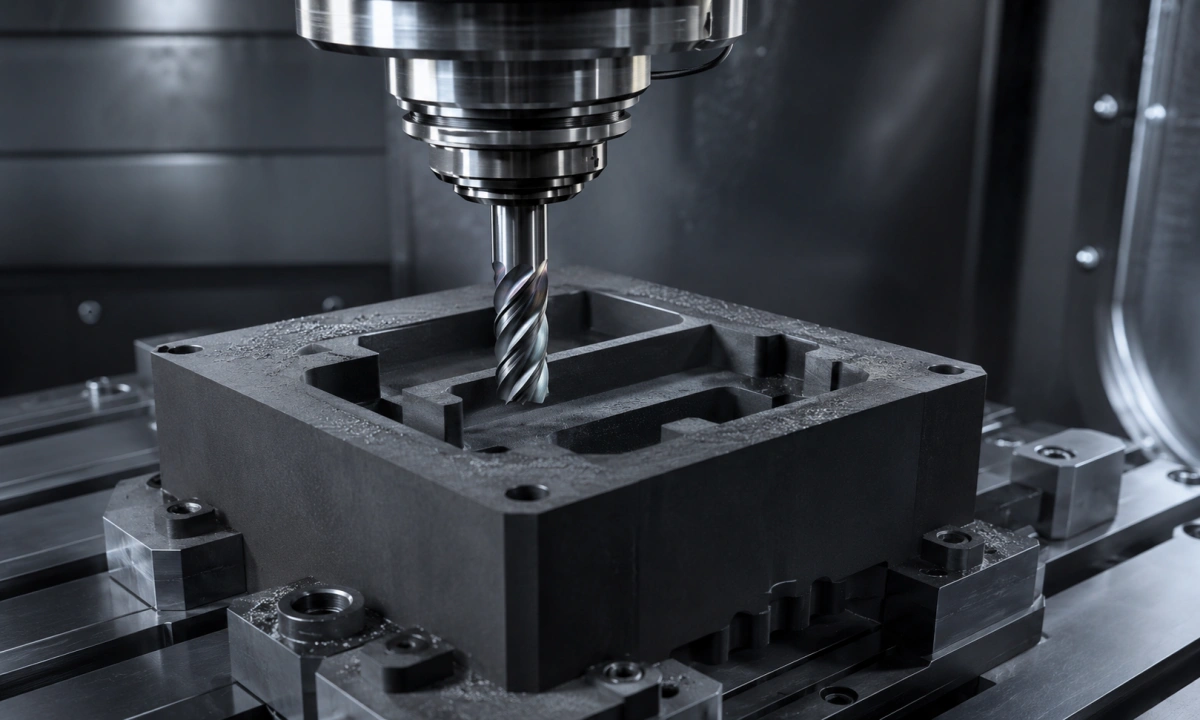
GraphitschruppenStrong tool body, enough chip spaceChoose a rigid tool and avoid unnecessary long flute length
GraphitveredelungSharp edge, stable diameter, good repeatabilityFocus on surface finish and dimensional stability
Fräsen von GraphitelektrodenWear resistance and stable cutting geometrySuitable for fine details, Hohlräume, and long cutting cycles
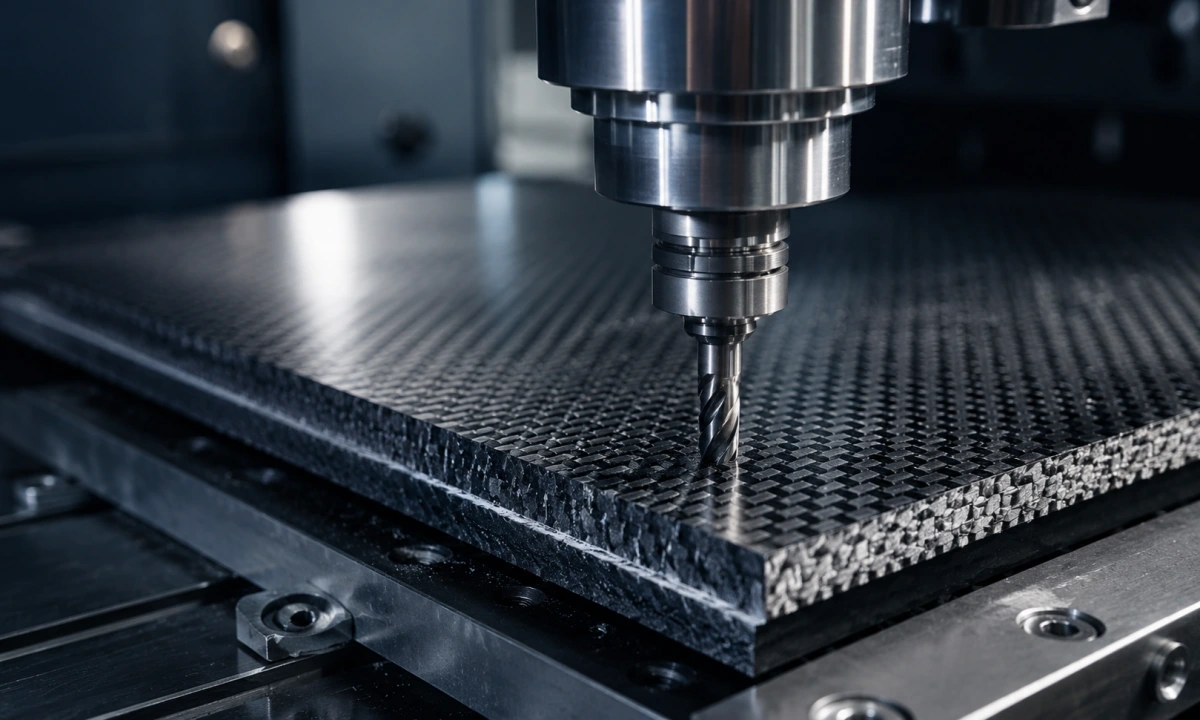
CFK-BeschnittClean cutting edge and suitable flute geometryHilft, Fusselbildung zu reduzieren, Faserauszug, und Delaminierung
GFRP millingStrong coating and stable geometryHelps control wear in abrasive composite materials
Fräsen von Aluminium mit hohem SiliziumgehaltDiamond coating and suitable flute designHelps improve tool life in abrasive non-ferrous machining
Deep cavities or special partsBenutzerdefinierter Durchmesser, Halslänge, Flötenlänge, and end typeUse drawing-based production when standard tools cannot reach or stay rigid

diamond coated end mill selection guide for graphite and CFRP

Schritt 1: Bestätigen Sie das Werkstückmaterial

Workpiece material is the first decision point. A diamond coated tool may perform very well in one material, but it may not be suitable for another.

Graphit

Bei der Graphitbearbeitung, wear resistance and diameter stability are critical. Graphite is not hard like steel, aber es ist abrasiv und staubig. As the cutting edge wears, the tool diameter may change, and this can affect electrode details, Formhohlräume, and fine contours.

Zum Schruppen von Graphit, start with a rigid tool body, stabile Klemmung, and enough chip space. Zur Graphitbearbeitung, give more attention to edge sharpness, tool diameter stability, Oberflächenbeschaffenheit, und Wiederholbarkeit.

In most graphite electrode and graphite mold applications, the key question is not only “Can the tool cut graphite?” The better question is: “Can the tool keep the same cutting quality after a long cutting cycle?

CFK und GFK

CFRP and GFRP create a different problem. The tool must cut fibers and resin cleanly. If the edge becomes dull or the geometry does not match the laminate structure, the part may show fuzzing, Faserauszug, rough edges, or delamination.

For composite trimming, the cutter should not only resist wear. It should also support clean edge quality. daher, Flötengeometrie, Kantenzustand, Steifigkeit der Maschine, and dust removal all matter.

Aluminium mit hohem Siliziumgehalt

High-silicon aluminum is more abrasive than common aluminum. In this type of non-ferrous machining, diamond coated tools may help improve tool life and cutting stability.

Jedoch, the final choice still depends on silicon content, Teileform, Maschinenzustand, Anforderungen an die Oberflächenbeschaffenheit, and production volume.

Materials Not Recommended: Stahl und Edelstahl

Diamond coated end mills are usually not the first choice for steel, Edelstahl, Titan, oder andere eisenhaltige Materialien. These materials often need carbide end mills with coatings designed for heat resistance and cutting toughness.

Für Stahl, Edelstahl, and other ferrous materials, you can compare our Hartmetall-Schaftfräser Optionen hier.

Schritt 2: Match the Tool to the Machining Operation

The same cutter may not work equally well for roughing, Abschluss, Trimmen, Schlitzen, und Konturfräsen. daher, choose the tool based on the operation, not only by diameter.

Graphite Roughing

Graphite roughing focuses on material removal and stable cutting. The tool needs enough strength and chip space. If the flute space is too limited, dust and chips may affect cutting stability.

A practical starting point is to choose the shortest tool that can safely reach the machining area. This helps improve rigidity and reduce vibration.

Graphite Finishing

Graphite finishing needs a sharper edge and stable tool diameter. Bei der EDM-Elektrodenbearbeitung, small details, scharfe Ecken, Rippen, and cavity features can affect the final mold result.

Aus diesem Grund, graphite finishing endmills should focus on edge quality, dimensional stability, und Oberflächenbeschaffenheit. A worn edge can reduce detail accuracy even when the tool still looks usable.

CFRP Trimming

CFRP trimming needs clean cutting rather than heavy material removal. If the edge quality is poor, the workpiece may show fuzzing, Delaminierung, or fiber pull-out.

A suitable diamond coated end mill for CFRP should combine wear resistance with a cutting geometry that supports clean trimming. Zusätzlich, stable fixturing and dust removal are important.

Slotting and Contour Milling

Slotting and contour milling need a balance between chip evacuation, Werkzeugstärke, und Oberflächenqualität. If the slot is deep or the contour is thin, tool rigidity becomes more important.

In diesen Fällen, do not choose the longest flute length by default. Stattdessen, match flute length to the actual cutting depth.

Custom Graphite or Composite Parts

Some graphite molds, composite components, tiefe Hohlräume, or thin-wall parts need custom tool geometry. Standard tools may not provide enough reach, Steifigkeit, or edge quality.

Für nicht standardmäßige Anforderungen, Sie können unsere überprüfen kundenspezifische Schaftfräser.

Schritt 3: Choose the Right Flute Design

Flute design affects chip evacuation, Schnittstabilität, und Oberflächenbeschaffenheit. It also affects how the tool behaves in graphite dust or composite fibers.

Lower Flute Counts

Lower flute counts usually provide more chip space. They may work better for roughing or for operations where chip evacuation is important.

Zum Schruppen von Graphit, this can help maintain cutting stability. Jedoch, the best choice still depends on tool diameter, Schnitttiefe, Steifigkeit der Maschine, and the required surface finish.

Higher Flute Counts

Higher flute counts may support smoother finishing in some applications. They can also help improve surface consistency when the machine setup is stable.

Jedoch, more flutes are not always better. If chip space becomes too small, the tool may rub, heat may increase, and cutting stability may decline.

Composite-Specific Geometry

Für CFK und GFK, flute design should support clean fiber cutting. A general end mill may cut the shape, but it may leave fuzzing or rough edges if the geometry does not match the composite material.

When edge quality is critical, the tool design should be selected around trimming quality, laminate structure, and production stability.

Custom Flute Geometry

For non-standard graphite parts or composite components, custom flute geometry may provide better results than standard tools. This is especially useful for long reach tools, tiefe Hohlräume, Sonderprofile, or strict edge requirements.

The goal is not to customize every tool, but to solve reach, Steifigkeit, Kantenqualität, or profile problems that standard tools cannot handle.

Schritt 4: Select the End Type

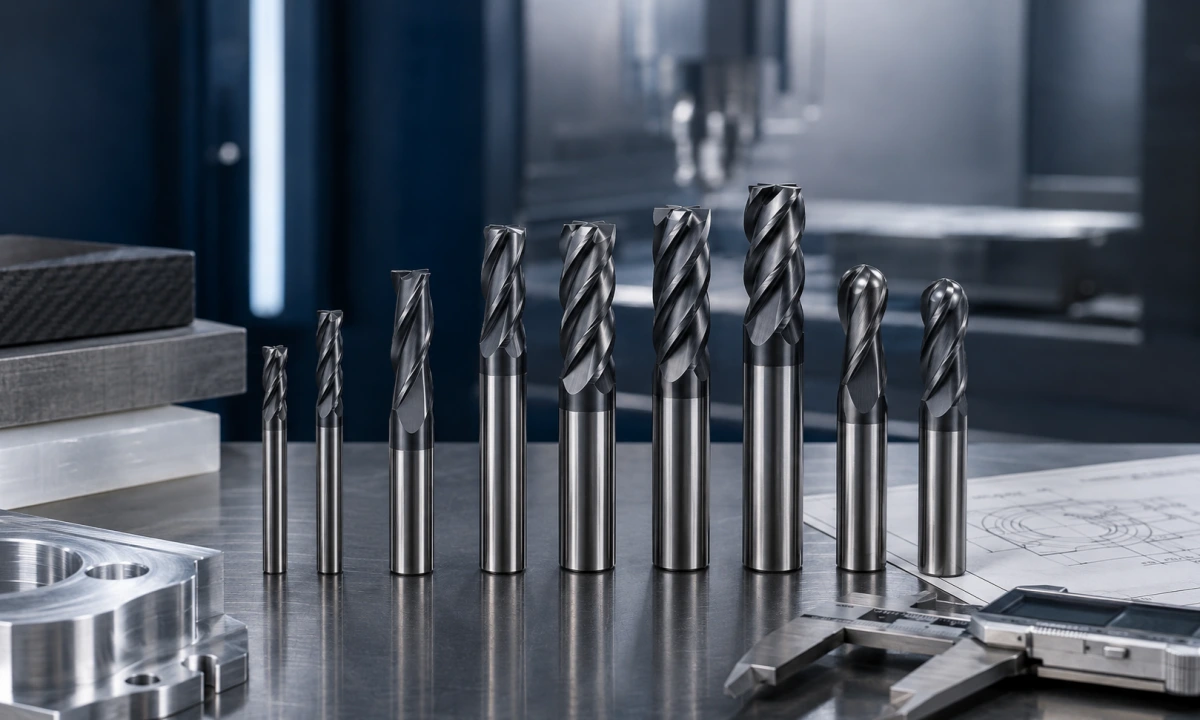
The end type should match the shape of the part and the machining purpose. Quadratisches Ende, Kugelnase, and corner radius tools solve different machining needs.

diamond coated end mill end type selection

Quadratisches Ende

Square end tools work well for slots, flache Oberflächen, Seitenfräsen, and general graphite or composite machining. They create flat-bottom features and straight side walls.

Choose this type when the part needs clean shoulders, flache Oberflächen, or standard milling features.

Kugelnase

Ball nose tools are suitable for 3D contouring, gekrümmte Oberflächen, und formbezogene Bearbeitung. They help create smoother tool paths on complex shapes.

For graphite molds, electrodes, und 3D-Profile, a ball nose diamond coated end mill may be more suitable than a square end tool.

Eckenradius

Corner radius tools offer better edge strength than sharp square end tools. They may be useful when the application needs both tool strength and better surface quality.

This design can help reduce corner chipping and improve stability in some graphite and non-ferrous machining conditions.

Schritt 5: Check Cutting Diameter, Flute Length and Tool Length

Tool size affects machining stability. A very long tool may vibrate more easily, while a very short tool may not reach the required area.

Für die Bearbeitung von Graphit und Verbundwerkstoffen, this is especially important because vibration can reduce edge quality and speed up tool wear.

Tool DetailWhat to ConfirmPractical Selection Tip
SchnittdurchmesserSlot, Kontur, or feature sizeMatch the part geometry and required detail
FlötenlängeActual cutting depthAvoid unnecessary flute length when rigidity matters
GesamtlängeMachine setup and workpiece heightUse only the reach needed for the job
HalslängeDeep cavities or complex partsHelps avoid interference in deep machining
SchaftdurchmesserTool holder and machine requirementSupports stable clamping and lower runout
WerkzeugüberhangDistance from holder to cutting areaKeep it as short as possible for better rigidity

A common mistake is choosing a longer tool “just in case.” In practice, unnecessary length can increase vibration and reduce tool life. When the required reach is uncertain, start with the shortest tool that can safely complete the operation.

If the part has deep cavities, dünne Wände, or special contours, prepare a drawing or sample photo before requesting a recommendation.

Schritt 6: Understand Coating Quality and Tool Structure

Diamond coating matters, but coating alone does not decide tool performance. This is why choosing diamond coated end mills should include coating quality, carbide substrate, Kantenvorbereitung, and tool geometry together.

Diamantbeschichtung

Diamond coating helps improve wear resistance when machining abrasive materials. This is why many manufacturers choose diamond coated tools for graphite electrodes, CFK-Beschnitt, GFRP milling, and high-wear non-ferrous applications.

Jedoch, tool life is not decided by coating only. Materialqualität, Werkzeuggeometrie, Steifigkeit der Maschine, Schnittbedingungen, and clamping quality also affect the final result.

Carbide Substrate and Edge Preparation

A stable carbide substrate supports tool rigidity and cutting strength. In der Zwischenzeit, edge preparation affects sharpness, strength, und Oberflächenqualität.

For graphite finishing and CFRP trimming, the cutting edge should stay sharp enough to maintain clean cutting. For roughing or stronger cutting loads, edge strength may become more important.

Diamond Coated vs PCD vs DLC

Different diamond-related tool solutions do not work the same way. The table below gives a simple comparison for purchasing and selection discussions.

Werkzeug / BeschichtungstypBasic StructureTypical StrengthAuswahlhinweis
Diamond coated end millCarbide substrate with diamond coatingWear resistance in abrasive non-ferrous materialsCommon choice for graphite, CFK, GFK, und Aluminium mit hohem Siliziumgehalt
PCD toolPolycrystalline diamond cutting edgeStrong wear resistance in selected non-ferrous applicationsOften considered for stable, high-volume production
DLC coated toolCarbon-based coating on the tool surfaceLower friction in some non-ferrous applicationsDifferent from diamond coating; suitability depends on material and operation

If the application is not clear, do not choose by coating name only. First confirm the material, Betrieb, Oberflächenbedarf, and production volume.

Schritt 7: Check Cutting Conditions Before Machining

Even the right tool can perform poorly if the cutting condition is not suitable. Vor der Produktion, review the machine setup, Spannen, Werkzeugunrundheit, Staubkontrolle, und Schnittstrategie.

Spindle Speed and Feed Rate

Spindle speed and feed rate should match the tool diameter, Material, und Bearbeitungsvorgang. If the feed is too low, the tool may rub instead of cutting. If the feed is too aggressive, the cutting edge may wear or become unstable.

daher, test cutting is useful before batch production, especially for custom graphite parts or composite trimming.

Depth of Cut and Tool Rigidity

Depth of cut should match tool length, workpiece shape, und Maschinensteifigkeit. A long overhang can increase vibration, especially in deep cavities or thin-wall parts.

When rigidity is limited, a shorter flute length, stronger neck design, or adjusted cutting strategy may improve stability.

Dust Control, Cooling and Runout

Graphite machining creates dust, so dust control and air evacuation are important. Composite machining also needs stable cutting and clean edges.

In beiden Fällen, tool runout can affect surface finish, Kantenqualität, und Standzeit. Vor der Produktion, check the tool holder, clamping condition, Auslaufen, und Maschinenstabilität.

Cutting ConditionWas zu überprüfen istWhat Can Go Wrong If Ignored
SpindelgeschwindigkeitMatch tool diameter and materialHitze, rubbing, oder instabiles Schneiden
VorschubgeschwindigkeitAvoid rubbing or overly aggressive cuttingFast wear, poor surface, or edge damage
Depth of cutMatch tool length and rigidityVibration and reduced tool life
Dust controlRemove graphite dust effectivelyPoor visibility, instabiler Schnitt, or contamination
WerkzeugunrundheitCheck holder and clampingPoor finish and uneven edge wear
WerkstückhalterungKeep the part stableGeschwätz, Delaminierung, or dimensional error

This table is a starting checklist. Final parameters should be confirmed through material condition, Maschinenfähigkeit, and test cutting.

Schritt 8: Avoid Using the Wrong Tool for the Material

Before choosing a diamond coated end mill, confirm whether the material is suitable for diamond coating. These tools mainly support graphite, CFK, GFK, Aluminium mit hohem Siliziumgehalt, und abrasive Nichteisenmaterialien.

They are usually not the best choice for steel, Edelstahl, Titan, oder andere eisenhaltige Materialien. If the material is wrong, Standzeit des Werkzeugs, Oberflächenbeschaffenheit, and cutting stability may all become worse.

For a basic explanation of applications, Sie können auch unseren Leitfaden auf lesen Wofür werden diamantbeschichtete Schaftfräser verwendet?.

Schritt 9: Decide Whether You Need Standard or Custom Tools

Standard tools can work for many common machining jobs. Jedoch, Sonderwerkzeuge passen möglicherweise in tiefe Hohlräume, feine Details, special edge requirements, or non-standard dimensions better.

When Standard Tools May Work

Standard tools may be suitable when the material, Schnitttiefe, Werkzeuggröße, and machining operation are common. Zum Beispiel, standard diamond coated end mills can support many graphite electrode, Schimmel, and composite trimming applications.

If the part does not need special reach, special profile, or unusual dimensions, a standard size may be enough.

When Custom Tools Are Better

You may need custom diamond coated end mills if your project requires:

  • Special cutting diameter
  • Longer flute length
  • Longer overall length
  • Special neck design
  • Quadratisches Ende, Kugelnase, or corner radius design
  • Drawing-based tool production
  • OEM or ODM requirements
  • Special marking or packaging

As a practical rule, custom tools become more useful when reach, Steifigkeit, Kantenqualität, or part geometry cannot be solved by a standard catalog size.

Für breitere Graphitmahlanwendungen, Sie können auch unsere überprüfen Diamantfräser for graphite machining:

What Information Should You Send for a Quotation?

To get an accurate quotation, send complete tool and machining information. This helps reduce misunderstanding and makes the recommendation more practical.

Informationen erforderlichBeispiel
WerkstückmaterialGraphit, CFK, GFK, Aluminium mit hohem Siliziumgehalt
BearbeitungsvorgangSchruppen, Abschluss, Trimmen, Schlitzen
SchnittdurchmesserStandard- oder Sondergröße
FlötenlängeAccording to cutting depth
GesamtlängeAccording to machine setup
EndtypQuadratisches Ende, Kugelnase, Eckradius
Zustand der MaschineSpindle speed range, Werkzeughalter, machine rigidity if available
MengeProbebestellung oder Chargenbestellung
Zeichnung oder MusterEmpfohlen für kundenspezifische Werkzeuge

The more details you provide, the easier it is to select the right tool. Für kundenspezifische Werkzeuge, drawings or sample photos are especially helpful.

Common Mistakes When Choosing Diamond Coated End Mills

Choosing Only by Diameter

Diameter is important, but it is not enough. Flötendesign, Schnittlänge, Beschichtung, Endtyp, and machining method also affect performance.

A tool with the correct diameter may still fail if the flute length, Kantendesign, or coating choice does not match the application.

Verwendung des gleichen Werkzeugs zum Schruppen und Schlichten

Roughing and finishing often need different tool designs. A roughing tool should focus on strength and material removal. A finishing tool should focus on surface quality and accuracy.

daher, one tool may not be the best option for every process.

Ignoring Workpiece Material

Graphit, CFK, GFK, and high-silicon aluminum do not behave the same way. The tool should match the material instead of using one cutter for all applications.

This is especially important when switching between graphite electrode machining and CFRP trimming.

Zu große Werkzeuglänge wählen

A longer tool may look safer because it gives more reach. Jedoch, unnecessary length can reduce rigidity and increase vibration.

Für die Bearbeitung von Graphit und Verbundwerkstoffen, poor rigidity can affect tool life, Oberflächenbeschaffenheit, and edge quality.

Not Sending Drawings for Custom Tools

Für kundenspezifische Werkzeuge, drawings or sample photos help confirm the correct geometry. Without these details, the quotation may not be accurate.

If the part has deep cavities, dünne Wände, special contours, or strict surface requirements, send as much detail as possible.

Häufig gestellte Fragen

How do I choose diamond coated end mills for graphite?

Beginnen Sie mit der Bearbeitung, Schnittdurchmesser, Flötenlänge, Endtyp, und erforderliche Oberflächenbeschaffenheit. For graphite electrodes and molds, wear resistance and dimensional stability are especially important.

Are diamond coated end mills good for CFRP?

Ja. They can support CFRP trimming and milling because the coating helps improve wear resistance. Jedoch, edge geometry, Steifigkeit der Maschine, and dust control also affect fuzzing, Delaminierung, und Faserauszug.

Can I use diamond coated end mills for steel?

Wir empfehlen sie nicht für Stahl oder Edelstahl. Für eisenhaltige Materialien, Hartmetall-Schaftfräser mit geeigneten Beschichtungen funktionieren in der Regel besser.

What flute design is better for graphite machining?

Zum Schruppen von Graphit, a flute design with more chip space may help improve chip evacuation and tool stability. Zur Graphitbearbeitung, sharp edge quality and stable tool diameter become more important.

Should I choose square end, Kugelnase, or corner radius?

Choose square end tools for slots, flache Oberflächen, und Seitenfräsen. For 3D contouring and curved surfaces, Kugelkopfwerkzeuge sind in der Regel besser geeignet. When you need better edge strength and stable surface quality, Eckenradiuswerkzeuge können eine bessere Option sein.

Was ist der Unterschied zwischen diamantbeschichteten Schaftfräsern und PKD-Werkzeugen??

Diamond coated end mills use a carbide substrate with diamond coating on the cutting surface. PKD-Werkzeuge verwenden Schneidkanten aus polykristallinem Diamant. The better option depends on material, Werkzeuggröße, edge requirement, Produktionsvolumen, und Kostenziel.

When should I request custom diamond coated end mills?

You may need custom tools for non-standard diameters, longer flute lengths, longer overall lengths, special neck designs, special end types, tiefe Hohlräume, oder zeichnungsbasierte Produktion.

What information should I send before asking for a quotation?

Bitte senden Sie uns das Werkstückmaterial zu, Bearbeitungsvorgang, Schnittdurchmesser, Flötenlänge, Gesamtlänge, Endtyp, Menge, und Zeichnung oder Beispielfoto, falls verfügbar.

Abschluss

Understanding how to choose diamond coated end mills requires more than selecting a diameter from a catalog. You should first confirm the workpiece material, then match the tool to the machining operation, Flötendesign, Endtyp, Werkzeuglänge, coating quality, und Maschinenzustand.

For graphite electrodes, Graphitformen, CFK-Beschnitt, GFRP milling, and high-silicon aluminum machining, the right tool can help improve wear resistance, Schnittstabilität, and machining consistency.

Mit 16 Jahrelange Erfahrung in der Herstellung von Schneidwerkzeugen, OMIST can help customers review material, Werkzeuggröße, and machining requirements before production.

Get Support for Diamond Coated End Mills

Wenn Sie diamantbeschichtete Schaftfräser für Graphit benötigen, CFK, GFK, Aluminium mit hohem Siliziumgehalt, oder andere abrasive Nichteisenmaterialien, Bitte senden Sie uns Ihr Werkstückmaterial zu, Werkzeuggröße, Zeichnung, Bearbeitungsvorgang, und Menge.

OMIST can help you confirm whether a standard tool or a custom Diamantbeschichteter Schaftfräser is more suitable for your project.

Vorher:

Nächste:

Hinterlassen Sie eine Antwort

Eine Nachricht hinterlassen