 Precision Milling Cutters,Cutting Tools for CNC Machining Every Material



What Is a Bull Nose End Mill?
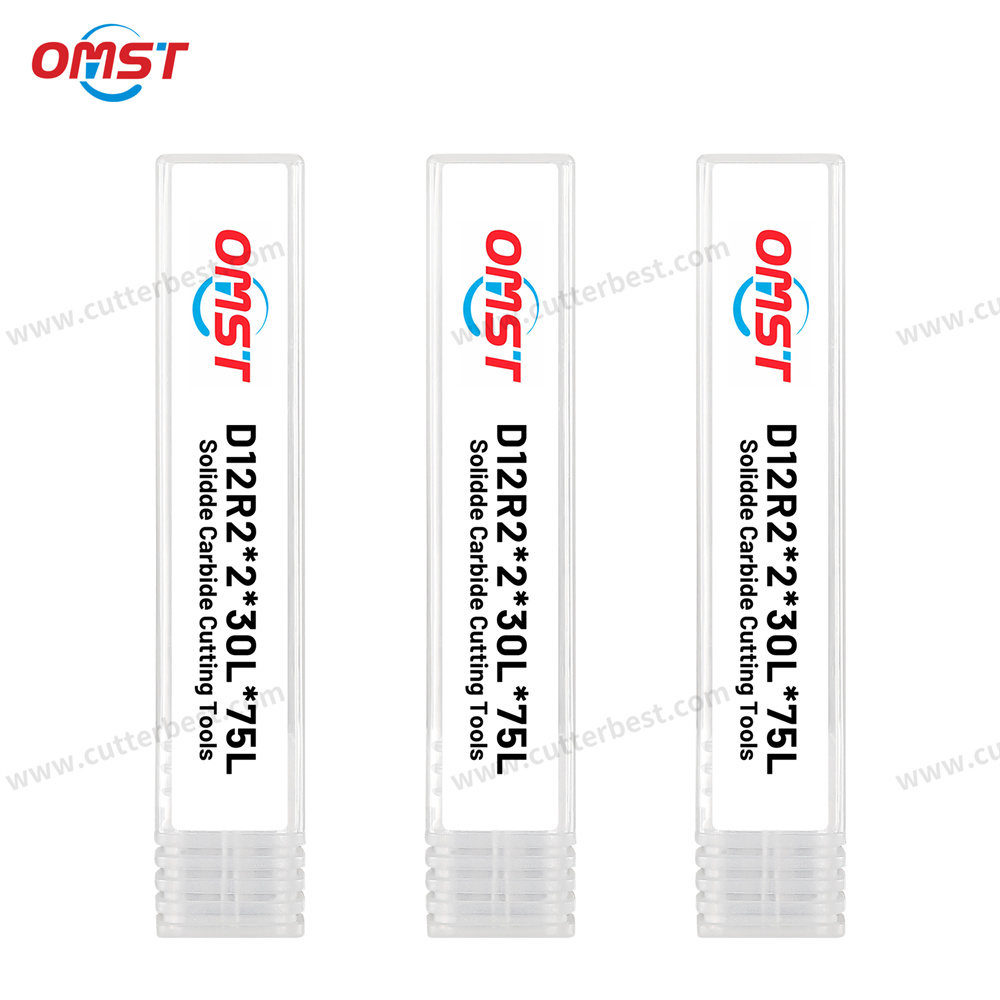
A bull nose end mill is a solid carbide cutter with a flat bottom and a rounded corner radius. Compared with a sharp square end mill, the rounded corner helps improve edge strength, reduce corner chipping, and support more stable cutting in semi-finishing and mold machining.
In many tool catalogs, this type of cutter may also be related to corner radius end mills or radius end mills. On this product page, we focus on cutters with stronger corner support, larger radius options, semi-finishing, contour milling, and steel or alloy machining.
For a more detailed explanation of the tool geometry and common applications, read our tool geometry and application guide.
Bull Nose End Mill vs Corner Radius and Corner Rounding Tools
These three radius-related milling tools are sometimes confused, but their machining purposes are not always the same.
A bull nose end mill has a flat bottom and a rounded corner on the cutting tool itself. It is often selected for stronger edge support, semi-finishing, contour milling, and mold cavity machining.
A corner radius end mill can describe a similar flat-bottom tool with a small corner radius. In practical tool selection, it is often used for small-R precision machining, finishing, and reducing corner chipping on detailed profiles.
A corner rounding end mill is different. It is a form cutter used to create an external radius on the edge of a workpiece. It is mainly used for edge rounding, deburring, and external corner radius machining.
If you are not sure which tool is suitable for your application, read our corner radius vs corner rounding end mill guide.
Key Features of Our Bull Nose End Mills
Stronger Corner Radius for Better Edge Strength
The rounded corner helps strengthen the cutting edge and reduce the risk of corner chipping. This makes the tool more stable than a sharp square end mill in semi-finishing, contour milling, and mold-related applications.
Solid Carbide for Stable CNC Machining
We make these carbide cutters for stable cutting, long tool life, and repeatable dimensional control. They are suitable for CNC machining centers that require consistent performance in steel, stainless steel, alloy steel, and mold materials.
Coating Options for Different Materials
We select coating options according to the workpiece material and cutting conditions. You can choose AlTiN, TiAlN, TiSiN, TiN, Nano Blue, DLC, or customized coatings based on machining requirements.
Custom Radius and Flute Design
We support custom diameter, corner radius, flute count, overall length, shank size, coating, and geometry. We can make custom tools according to drawings, samples, or specific machining requirements.
Sizes and Radius Options
We can produce standard or custom sizes according to your machining requirement.
Common Custom Options
Diameter: Standard and custom diameters available
Flute Count: 2 flutes, 4 flutes, or customized
Corner Radius: Custom R radius according to tool diameter
Overall Length: Standard or customized
Shank Size: Standard or customized
Coating: Selected according to workpiece material and cutting conditions
Hardness Application: Tool options available for HRC45, HRC55, HRC60, HRC65, or other workpiece hardness requirements
How to Choose the Right Radius
You should choose the corner radius according to tool diameter, cutting purpose, workpiece material, and required edge strength.
A smaller corner radius is suitable for finer profiles, tighter tool paths, and precision finishing. A larger corner radius provides stronger edge support and is often preferred for heavier cutting, semi-finishing, and longer tool life.
For a bull nose end mill, the radius should normally be smaller than half of the tool diameter. If the radius equals half of the diameter, the tool becomes a ball nose end mill. For example, a 4 mm tool should use a radius smaller than R2 to keep a bull nose geometry.
2 Flute and 4 Flute Options
A 2 flute bull nose end mill can be useful when better chip evacuation is required. Many customers choose a 4 flute design for stronger cutting, improved surface finish, and more stable machining in harder materials.
If you are comparing cutting performance and edge strength, read our flat end mill comparison guide.
How to Choose by Workpiece Material
Choosing the right bull nose end mill depends on the workpiece material, cutting method, hardness, and surface finish requirement.
For Steel
For general steel machining, a carbide bull nose end mill with a suitable coating can provide stable cutting performance and good wear resistance. You can use this cutter for contour milling, side milling, semi-finishing, and mold-related machining
For Stainless Steel
Stainless steel machining requires good heat resistance, edge stability, and proper chip evacuation. A coated bull nose end mill with suitable flute geometry can help improve tool life and cutting consistency.
For Alloy Steel and Hardened Materials
For alloy steel or hardened materials, tool rigidity, carbide grade, coating performance, and radius selection become more important. A properly selected corner radius can help reduce edge breakage and improve tool life.
Typical Applications
These cutters are widely used in CNC machining where edge strength, surface finish, and tool stability are important.
Semi-Finishing and Finishing
The rounded corner helps reduce stress concentration and supports stable cutting during semi-finishing and finishing operations.
Mold and Die Machining
Machinists often use this tool for mold cavities, curved transitions, profile machining, and die components where both edge strength and surface quality are important.
Contour Milling
The corner radius helps create smoother transitions during contour milling and reduces the risk of sharp-edge chipping.
Precision Parts Machining
They are also suitable for steel parts, stainless steel components, alloy workpieces, and other precision industrial parts.
Custom Manufacturing Service
As a bull nose end mill manufacturer, we support OEM and custom manufacturing for different industries and machining needs.
Custom Options
We can customize:
Diameter
Corner radius
Flute count
Flute length
Overall length
Shank size
Coating
Carbide grade
Tool geometry
Workpiece hardness application
What Information to Send for Quotation
To help us recommend the right tool, please send:
Tool diameter
Required corner radius
Flute count
Workpiece material
Workpiece hardness
Coating requirement
Cutting application
Drawing or sample if available
Order quantity
Suitable for Sample Orders and Bulk Supply
We support sample confirmation, small batch orders, bulk production, and stable repeat orders. This is suitable for distributors, importers, CNC machining factories, mold manufacturers, and industrial buyers looking for long-term carbide cutting tool supply.
Why Choose Us as Your Carbide Cutter Supplier?
Stable quality control for carbide cutting tools
Custom OEM and ODM support
Flexible options for radius, flute count, coating, and geometry
Suitable for steel, stainless steel, alloy steel, and mold machining
Support for drawings, samples, and non-standard requirements
Responsive service for sample orders and long-term cooperation
We focus on practical machining requirements and long-term supply stability. Our goal is to help customers choose the right carbide bull nose end mill instead of only offering a standard catalog item.
FAQ
Is a bull nose end mill the same as a corner radius end mill?
Many CNC tool catalogs use these two names for a similar flat-bottom cutter with a rounded corner radius. However, for practical tool selection, a bull nose end mill is often chosen when stronger corner support, a larger radius, semi-finishing, or mold machining is required.
Is a bull nose end mill the same as a corner rounding end mill?
No. A bull nose end mill has a rounded corner on the cutting tool itself and is used for contour milling, semi-finishing, and mold machining. A corner rounding end mill is a form cutter used to create an external radius on the edge of a workpiece.
For the full comparison, read our corner radius vs corner rounding end mill guide.
What is a bull nose end mill used for?
A bull nose end mill is mainly used for semi-finishing, contour milling, finishing, mold machining, and precision profile milling. It is suitable when better corner strength, smoother transitions, and reduced corner chipping are required.
What is a radius end mill used for?
A radius end mill is commonly used for contour milling, mold machining, semi-finishing, finishing, and precision profile milling. The corner radius helps reduce chipping and improves tool life compared with a sharp square end mill.
Can the corner radius be the same as half of the tool diameter?
For a bull nose end mill, the corner radius is usually smaller than half of the tool diameter. If the radius equals half of the diameter, the tool becomes a ball nose end mill. For example, a 4 mm tool should use a radius smaller than R2 to keep a bull nose geometry. We can customize the radius according to the required diameter, machining purpose, and drawing.
Bull nose end mill vs flat end mill: which one should I choose?
A bull nose end mill is better when you need stronger corners, smoother transitions, and lower chipping risk. A flat end mill is better when you need sharp internal corners or square-bottom features.
For a full comparison of structure, finish, and application, read our flat end mill comparison guide.
What is the difference between bull nose and ball nose end mill?
A bull nose end mill has a flat bottom with a corner radius, while a ball nose end mill has a full rounded tip. A bull nose tool is often preferred for edge strength, semi-finishing, and general profiling. A ball nose tool is often used for 3D surface machining and curved surface finishing.
For a full comparison of tip geometry, surface finish, and applications, read our ball nose comparison guide.
For 3D contouring and curved surface machining, you can also check our ball nose end mills.
Which materials are suitable for a bull nose end mill?
Bull nose end mills are commonly used for steel, stainless steel, alloy steel, mold steel, and other precision machining materials. You should choose the carbide grade, coating, flute design, and corner radius according to the actual cutting condition.
Do you offer OEM or custom bull nose end mills?
Yes. We offer OEM and custom bull nose end mills based on drawings, dimensions, coating needs, machining material, workpiece hardness, and cutting requirements.
Get a Quote for Custom Carbide Cutters
Please send us your required diameter, corner radius, flute count, coating, workpiece material, hardness requirement, machining application, and order quantity. Our team will recommend a suitable carbide bull nose end mill and provide a quotation for your project.
Send Your Bull Nose End Mill Requirement by Email
You can also send drawings, samples, or machining details to our sales team for OEM or bulk production support.