 Frese di precisione,Utensili da taglio per la lavorazione CNC di ogni materiale

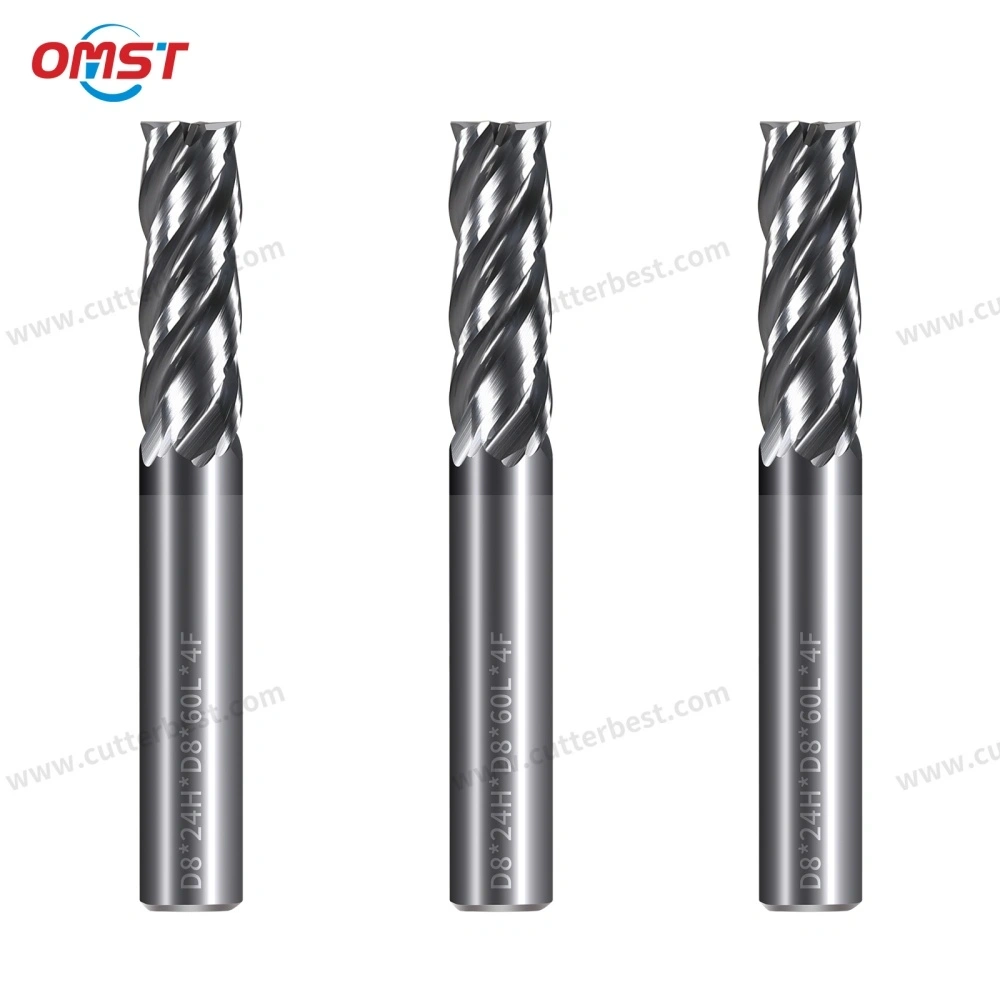
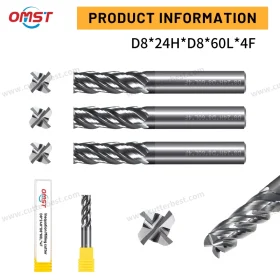
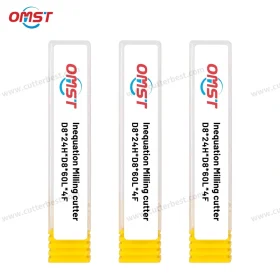
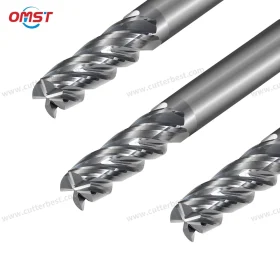
Solid Carbide Flat End Mill for CNC Machining
A flat end mill has a flat cutting end and sharp outer corners. It produces flat-bottom features, pareti laterali diritte, slot, tasche, passi, e spalle quadrate. Many buyers also use the term square end mill for the same general end profile.
Learn more about the tool profile, bordi taglienti, and working principles in our guide to flat end mill geometry and cutting action.Learn more about flat end mill geometry and cutting action.
We supply solid carbide flat end mills in standard metric and inch sizes. Inoltre, we can evaluate custom cutting diameters, lunghezze del flauto, lunghezze complessive, dimensioni del gambo, conta il flauto, gradi di metallo duro, rivestimenti, and tolerances according to your drawing and machining requirements.
Caratteristiche principali
Flat Bottom and Sharp Cutting Corners
The flat end profile creates a level bottom surface and a clear transition between the bottom and side wall. Perciò, it suits components that require flat-bottom slots, square pockets, pareti diritte, passi, or near-90-degree shoulders.
Sharp corners carry more cutting stress than rounded corners. Per questo motivo, il grado di carburo, preparazione dei bordi, rivestimento, sporgenza dell'utensile, and cutting parameters should match the workpiece material and machining conditions.
Costruzione in carburo solido
Il metallo duro integrale fornisce una buona rigidità, resistenza all'usura, e stabilità dimensionale. It also supports precise flute geometry and sharp cutting edges.
Di conseguenza, the tool can maintain accuracy during slotting, intascare, fresatura laterale, fresatura di spallamenti, e rifinitura. Tuttavia, a rigid machine setup and short tool overhang help reduce vibration and corner damage.
Opzioni multiple di flauto
Diversi conteggi di scanalature forniscono equilibri diversi tra lo spazio del truciolo, rigidità dell'utensile, efficienza di taglio, e finitura superficiale.
Due- e i design a tre scanalature offrono più spazio per il truciolo. Perciò, spesso si adattano all'alluminio, rame, plastica, materiali morbidi, fessure profonde, e applicazioni che creano un grande volume di chip.
I design a quattro eliche forniscono più taglienti e maggiore rigidità. Si adattano a molti acciai, acciaio inossidabile, e applicazioni generali di lavorazione CNC.
I design a sei eliche possono migliorare la stabilità di taglio e la qualità della superficie durante la fresatura laterale e la finitura. Tuttavia, forniscono meno spazio per il truciolo e di solito non sono la prima scelta per lavorazioni di scanalatura pesanti a tutta larghezza.
Opzioni rivestite e non rivestite
I taglienti non rivestiti o lucidati spesso sono adatti all'alluminio, rame, e altri materiali non ferrosi. Queste opzioni possono aiutare a ridurre l'adesione del materiale e i bordi di riporto.
Gli utensili rivestiti possono migliorare la resistenza al calore e all'usura durante la lavorazione dell'acciaio, acciaio inossidabile, ghisa, acciaio legato, e materiali più duri. Il rivestimento finale deve corrispondere al materiale del pezzo, durezza, condizione del liquido di raffreddamento, e operazione di lavorazione.
Application Guide
| Applicazione | Typical Tool Feature | Nota sulla selezione |
|---|---|---|
| Fresatura di scanalature | 2 O 3 flutes with larger chip space | Helps remove chips during deep or full-width cutting |
| Fresatura di tasche | Geometria a taglio centrale | Ramping or helical entry usually provides smoother cutting |
| Side and profile milling | Short and rigid cutting length | Helps control deflection and improve wall accuracy |
| Square shoulder milling | Sharp outer corners | Creates a clear transition between the bottom and side wall |
| Flat-bottom finishing | Stable geometry and controlled engagement | Helps reduce uneven tool marks |
See the main flat end mill applications in CNC machining, including slotting, intascare, fresatura laterale, fresatura di spallamenti, and entry methods.
Per alluminio, materiali morbidi, and deep slots, fewer flutes usually provide better chip evacuation. Review our 2 fresa a candela a flauto for these applications.
For a detailed guide to slotting, intascare, fresatura laterale, fresatura di spallamenti, plunging, and entry methods, read about flat end mill applications in CNC machining.
Per acciaio, acciaio inossidabile, e fresatura CNC generale, a four-flute design often provides a practical balance between rigidity, forza all'avanguardia, e controllo del truciolo. Review our 4 fresa a candela a flauto.
Per fresatura laterale, semifinitura, e rifinitura, un design a sei scanalature può migliorare la stabilità e la qualità della superficie. Tuttavia, offre meno spazio per il truciolo e solitamente non è la prima scelta per operazioni di scanalatura pesanti. Vedi il nostro 6 fresa a candela a flauto.
Scelta in base al materiale del pezzo
| Materiale del pezzo | Selezione tipica | Considerazione principale |
|---|---|---|
| Alluminio e rame | 2 O 3 flauti con bordi affilati o lucidati | Evacuazione del truciolo e ridotta adesione del materiale |
| Acciaio generale | 4 scanalature con un adeguato rivestimento resistente all'usura | Rigidità, controllo del truciolo, e la durata dell'utensile |
| Acciaio inossidabile | Tagliente stabile e rivestimento resistente al calore | Controllo del calore, sfregamento, e incrudimento del lavoro |
| Ghisa | Grado e rivestimento in metallo duro resistenti all'usura | Usura abrasiva e durata del tagliente |
| Acciaio legato o temprato | Forte preparazione dei bordi e setup rigido | Resistenza al calore, controllo delle vibrazioni, e la durata dell'utensile |
La raccomandazione finale dipende dalla qualità del materiale, durezza, larghezza di taglio, profondità di taglio, condizione del liquido di raffreddamento, rigidità della macchina, e la finitura superficiale richiesta. Perciò, si prega di fornire l'esatto materiale e la durezza del pezzo quando si richiede un preventivo.
Metodi di taglio centrale e di immissione
Entry capability depends on the exact end-cutting geometry and tool design. Some flat end mills support controlled plunging, rampante, or helical interpolation, while other designs require side entry or an existing hole.
Ramping or helical entry usually reduces cutting shock and improves chip evacuation. Perciò, please tell us whether the tool will enter by vertical plunging, rampante, ingresso laterale, or an existing hole.
Size and Custom Options
Le opzioni disponibili possono includere:
- Metric or inch cutting diameter
- Standard, short, lungo, or custom flute length
- Lunghezza totale standard o personalizzata
- Standard or custom shank diameter
- Neck diameter and neck length
- 2, 3, 4, 6, or custom flute count
- Geometria a taglio centrale
- Standard or custom helix angle
- Sharp or prepared cutting edge
- Non rivestito, lucido, o rivestimento specifico per l'applicazione
- Dimensional tolerance according to the drawing
For non-standard diameters, special lengths, custom necks, or application-specific geometry, rivedi il nostro frese personalizzate servizio.
Flat End Mill vs Other End Profiles
Fresa a punta tonda vs fresa a testa piatta
A flat end mill has sharp corners for square shoulders and flat-bottom features. Al contrario, a bull nose end mill keeps a flat center section but adds corner radii.
The radii strengthen the cutting corners and create a smoother transition between the bottom and side wall. Tuttavia, they cannot produce the same sharp internal corner as a flat end profile.
Read the complete fresa a punta toro vs fresa piana comparison before selecting the end profile.
For parts that require stronger corners or a specified corner radius, rivedi il nostro fresa a candela a testa tonda.
Ball Nose vs Flat End Mill
A ball nose end mill has a fully rounded cutting end for molds, muore, superfici curve, and three-dimensional contours.
In comparison, a flat end profile is better suited to slots, tasche, pareti diritte, superfici piane, e spalle quadrate. For curved and three-dimensional machining, rivedi il nostro Frese a candela a testa sferica.
For a detailed comparison of cutting geometry, surface results, and roughing and finishing applications, leggi il nostro fresa a testa sferica vs guida per fresa piatta.
If the final machining stage may require a different end profile, conteggio dei flauti, or material-specific tool, rivedi il nostro finishing end mill solutions for CNC machining.
Domande frequenti
Is a flat end mill the same as a square end mill?
In many cutting tool catalogs, flat end mill and square end mill describe the same general end profile: a flat cutting end with sharp outer corners. Tuttavia, naming may vary between manufacturers and markets.
Can a flat end mill plunge into solid material?
A center-cutting flat end mill can perform controlled plunging, rampante, o ingresso elicoidale. A non-center-cutting tool cannot plunge vertically into solid material.
Quale numero di flauti dovrei scegliere??
Two or three flutes provide more chip space for aluminum, materiali morbidi, and deep slots. Four flutes suit many steel and general machining applications, while six flutes work well for stable side milling and finishing.
Can you manufacture custom flat end mills?
Sì. We can evaluate custom diameters, lunghezze del flauto, lunghezze complessive, dimensioni del gambo, conta il flauto, rivestimenti, and tolerances according to your drawing and machining requirements.
Send Your Flat End Mill Inquiry
Please send us your required size, conteggio dei flauti, materiale del pezzo, e quantità. If you have a drawing, feel free to attach it.
E-mail: sales@cutterbest.com
Opzioni di specifica
| Specificazione | Opzioni disponibili |
|---|---|
| Tipo di prodotto | Fresa a testa piatta / Fresa quadrata |
| Struttura dello strumento | Fresa in metallo duro integrale |
| Fine profilo | Flat Bottom with Sharp Corners |
| Conte di flauto | 2, 3, 4, 6, or Custom |
| Entry Capability | Confirmed According to Tool Design |
| Diametro di taglio | Metrico, Pollice, or Custom |
| Lunghezza del flauto | Standard, Short, Long, or Custom |
| Lunghezza totale | Standard o personalizzato |
| Diametro del gambo | Standard o personalizzato |
| Design del collo | Standard or Long-Reach Options |
| Angolo dell'elica | Standard or Custom According to Application |
| Bordo tagliente | Sharp, Honed, or Application-Specific |
| Carbide Grade | Selected According to Workpiece and Application |
| Rivestimento | Uncoated or Application-Specific Coating |
| Materiale del pezzo | Alluminio, Rame, Acciaio, Acciaio inossidabile, Ghisa, and Alloys |
| Applicazioni | Scanalatura, Intascare, Fresatura laterale, Fresatura del profilo, and Square Shoulders |
| Servizio personalizzato | Misurare, Flauti, Geometria, Rivestimento, and Tolerance |
| Tipo di ordine | Campione, Small Batch, or Bulk Order |
| Confezione | Standard, Neutro, or Custom Packaging |