 Precision Milling Cutters,Cutting Tools for CNC Machining Every Material



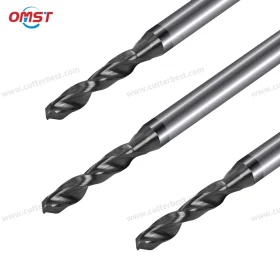
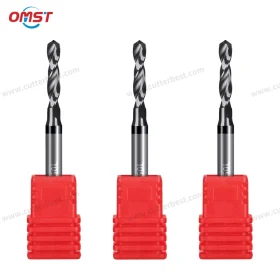

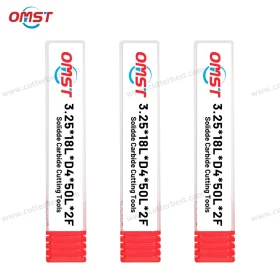
A carbide end mill cutter is a rotary cutting tool made from solid tungsten carbide. Cutting edges on the end and outer diameter allow the tool to perform slotting, side milling, pocket milling, contouring, profiling, roughing, and finishing operations.
Solid carbide provides high rigidity, wear resistance, and cutting-edge stability under suitable machining conditions. As a result, manufacturers often choose these tools when they need dimensional accuracy, consistent performance, reliable surface quality, and efficient production.
However, one cutter design cannot suit every material or operation. The correct tool depends on the workpiece grade, hardness, cutter diameter, flute count, coating, tool overhang, machining method, coolant condition, machine rigidity, and cutting parameters.
We select the end mill geometry and carbide grade according to the workpiece material, hardness, chip evacuation, cutting load, machining operation, and required surface finish. Therefore, the final tool structure should match the actual application rather than follow one general-purpose design for every job.
Key Benefits and Tool Options
Rigidity for Stable CNC Cutting
Solid carbide provides higher rigidity than many general-purpose tool materials. This rigidity helps reduce tool deflection and supports more stable cutting during precision CNC machining.
Micro-grain carbide grades can also be selected according to the workpiece material, hardness, cutter diameter, and required balance between wear resistance and edge strength.
However, cutter performance also depends on the length-to-diameter ratio, holder accuracy, tool runout, cutting depth, machine rigidity, and cutting conditions.
Flute Options for Chip Control and Surface Finish
Flute count affects chip evacuation, cutting-edge strength, feed capability, tool rigidity, and surface finish.
Two-flute and three-flute tools provide more chip space. Therefore, they are commonly considered when chip evacuation is important, especially in aluminum, non-ferrous materials, deep pockets, and slotting operations.
Four-flute tools provide more cutting edges and are widely used for many steel applications. Meanwhile, five-flute, six-flute, and other special designs may support higher rigidity or improved finishing performance when the machining conditions allow.
For a detailed explanation of flute count, read our end mill flute selection guide.
Coatings Matched to Materials and Cutting Conditions
A suitable coating can improve heat resistance, wear resistance, lubricity, and cutting-edge protection.
For aluminum and non-ferrous materials, users commonly choose uncoated, polished, or low-friction coating options. Meanwhile, TiAlN, AlTiN, TiSiN, or AlCrN may suit steel, stainless steel, mold steel, and higher-temperature machining conditions.
We recommend selecting the coating together with the carbide grade, edge geometry, workpiece hardness, coolant condition, and machining operation.
Standard and Custom Options
Standard solid carbide end mills can meet many common CNC machining requirements. However, some projects require a non-standard diameter, special flute length, long overall length, unusual shank diameter, custom corner radius, special helix angle, coating, or dimensional tolerance.
We can evaluate these requirements based on your drawing, tool sample, workpiece material, machining method, current tool problem, and order quantity.
Common End Profiles
Flat End Mills
Flat end mills, also called square end mills, have a flat cutting end and sharp outer corners. They are commonly used for flat-bottom slots, pockets, steps, shoulders, side walls, profiling, and general CNC milling.
For additional product information, view our flat end mill product page.
Ball Nose End Mills
Ball nose end mills have a rounded cutting end. They are suitable for 3D contouring, curved surfaces, mold cavities, dies, and complex finishing operations.
For curved surfaces and mold cavity machining, view our ball nose end mill product page.
Bull Nose and Corner Radius End Mills
Bull nose end mills combine a flat cutting end with rounded outer corners. The corner radius provides more edge strength than a sharp square corner and can improve stability during profiling, semi-finishing, and mold machining.
View our bull nose end mill product page.
Roughing End Mills
Roughing end mills use serrated or chipbreaker cutting edges to divide chips into smaller sections. This design can reduce cutting resistance and support efficient material removal when the tool, machine, and machining conditions are suitable.
For a broader comparison of cutter shapes and applications, read end mill cutter types and uses.
Quick Selection by Material and Operation
The following information provides general selection directions. Final tool selection should be confirmed according to the material grade, workpiece hardness, cutter size, machining operation, tool engagement, overhang, and machine conditions.
Aluminum and Non-Ferrous Materials
Aluminum machining often requires sharp cutting edges, sufficient chip space, and smooth chip evacuation. Therefore, two-flute or three-flute carbide end mills are commonly considered.
Polished flutes, sharp geometry, and uncoated or low-friction coating options can help reduce material buildup. However, the final choice still depends on whether the operation involves slotting, pocketing, side milling, roughing, or finishing.
Carbon Steel and Alloy Steel
Four-flute carbide end mills are widely used for many carbon steel and alloy steel applications. Other flute counts may also suit slotting, roughing, high-efficiency machining, side milling, or finishing.
TiAlN, AlTiN, TiSiN, or another suitable heat-resistant coating may help protect the cutting edge. In addition, the carbide grade, edge preparation, and corner strength should match the cutting load and workpiece hardness.
Stainless Steel
Stainless steel can generate heat and may work-harden during machining. Therefore, the tool requires suitable edge strength, chip evacuation, coating, coolant application, and cutting parameters.
Four-flute or higher-flute tools may be considered depending on whether the operation involves slotting, side milling, semi-finishing, or finishing. However, a higher flute count also reduces chip space, so the actual tool engagement and machining strategy must be considered.
Cast Iron
Cast iron can be abrasive. A wear-resistant carbide grade, suitable edge preparation, and application-specific coating can help improve tool stability and service life.
The best geometry depends on the cast iron grade, cutting condition, machining allowance, and whether the operation involves roughing or finishing.
Mold Steel and Tool Steel
Manufacturers commonly use flat, ball nose, and bull nose carbide end mills for roughing, semi-finishing, cavity machining, profiling, and finishing.
The cutter series should match the actual workpiece hardness. You can select different tool series for machining materials up to HRC45, HRC55, HRC60, or HRC65.
These values refer to the intended workpiece hardness range, not the hardness of the carbide tool itself.
Titanium Alloy
Titanium alloy machining requires careful control of heat, chip evacuation, tool engagement, cutting-edge strength, and coolant.
Therefore, the geometry, coating, flute count, tool overhang, and cutting parameters should be confirmed according to the actual alloy and machining operation.
For more detailed material-based guidance, read how to choose a carbide end mill cutter.
CNC Milling Applications
CNC manufacturers use solid carbide end mills for slotting, side and shoulder milling, pocketing, contouring, profiling, roughing, semi-finishing, finishing, mold cavity machining, and 3D surface machining.
Typical users include CNC machining companies, mold manufacturers, automotive and aerospace suppliers, electronics manufacturers, cutting tool distributors, and other precision metalworking businesses.
Specification Options
Tool Material: Solid Carbide; Micro-Grain Carbide Grades Available According to Application
Typical Cutter Diameter: Common Standard Sizes from Approximately D2 to D20 mm
Custom Diameter: Micro-Diameter, Large-Diameter, and Other Non-Standard Sizes Can Be Evaluated
Flute Count: 2, 3, and 4 Flutes Are Common; 5, 6, and Special Flute Counts Can Be Evaluated
Flute Length: Standard, Extended, and Drawing-Defined Flute Lengths
Overall Length: Standard, Long-Reach, and Custom Overall Lengths
Shank Diameter: Standard and Non-Standard Shank Diameters
Shank Type: Straight Shank; Special Requirements Can Be Evaluated
End Profile: Flat, Ball Nose, Bull Nose, Corner Radius, Roughing, or Custom Geometry
Helix Angle: Common 30°, 35°, and 45° Options; Other Helix Angles Can Be Evaluated
Coating: Uncoated, TiN, TiAlN, AlTiN, TiSiN, AlCrN, DLC, or Custom Coating
Workpiece Materials: Aluminum, Carbon Steel, Alloy Steel, Stainless Steel, Cast Iron, Mold Steel, Tool Steel, and Titanium Alloy
Workpiece Hardness: Tool Series for Materials up to HRC45, HRC55, HRC60, or HRC65
Center Cutting: Center-Cutting and Non-Center-Cutting Designs According to Application
Tolerance: Confirmed According to the Cutter Size, Drawing, and Application
Marking: Standard Marking, Customer Label, or Laser Marking
Packaging: Standard, Neutral, OEM, or Customer-Specified Packaging
MOQ and Lead Time: Confirmed After Reviewing the Tool Specification and Quantity
The options above describe common supply directions rather than a fixed specification for every cutter. Final dimensions, geometry, coating, tolerance, and production requirements will be confirmed before manufacturing.
Center-Cutting and Non-Center-Cutting Designs
Center-cutting end mills have cutting edges that extend across or close to the tool center. They can support certain plunging, ramping, or pocket-entry operations when the geometry and machining conditions are suitable.
Non-center-cutting tools are mainly used for side milling, profiling, shoulder milling, and other operations that do not require direct vertical entry.
An end mill should not automatically be treated as a drill. Plunging capability depends on the center geometry, entry method, cutter diameter, workpiece material, and machining strategy.
Carbide End Mill vs HSS End Mill
Carbide and HSS end mills both have suitable applications.
Solid carbide normally provides higher rigidity, better wear resistance, greater heat resistance, and higher cutting-speed potential under suitable conditions. Therefore, it is commonly selected for CNC machining, harder materials, longer production runs, and precision applications.
HSS offers greater toughness and may be more tolerant of vibration, unstable machines, interrupted cutting, or some lower-speed operations.
The better option depends on the machine, setup, workpiece material, cutting operation, production quantity, and cost target.
For a wider product range that includes different tool materials, view our end mill cutter product page.
Custom Carbide End Mill Cutter Service
Custom carbide end mills can be evaluated according to your drawing, sample, required dimensions, workpiece material, or machining application.
Available custom options may include non-standard sizes, flute counts, end profiles, helix angles, coatings, tolerances, laser marking, and packaging. Final specifications, MOQ, price, and production time will be confirmed according to the actual requirement.
Information Required for a Quotation
Please send your drawing, tool model, required dimensions, product image, or machining requirements. When available, information about the workpiece material, application, quantity, and current machining problem can help us review the request more accurately.
When some details are unavailable, send the information you already have. We will confirm any additional specifications during the quotation process.
Quality and Specification Confirmation
Before production, the main tool specifications, coating, tolerance, marking, packaging, quantity, and delivery requirements will be confirmed according to the order.
When material reports, inspection documents, or other quality documents are required, please let us know before ordering so that we can confirm their availability for the specific tool and project.
Why Choose Us
With 16 years of cutting tool manufacturing experience, we support standard and custom solid carbide end mills for machining companies, industrial distributors, OEM buyers, and precision manufacturers.
Our service includes:
- One-to-one specification review
- Standard and non-standard tool options
- Drawing and sample evaluation
- Material and application-based tool selection
- Custom geometry and coating
- Neutral packaging and OEM support
- Trial-order and bulk-order discussion
- Specification confirmation before production
Instead of recommending one general cutter for every material, we review the workpiece, operation, tool size, accuracy requirement, quantity, and machining conditions before confirming the tool design.
FAQ
What is a carbide end mill cutter used for?
A carbide end mill cutter is used for CNC slotting, side milling, pocketing, contouring, profiling, roughing, finishing, and mold machining. Depending on its geometry and coating, it can machine aluminum, steel, stainless steel, cast iron, mold steel, tool steel, titanium alloy, and other materials.
How many flutes should a carbide end mill have?
The flute count depends on the material and operation. Two or three flutes are commonly considered when chip evacuation is important. Four or more flutes may be selected when greater rigidity, more cutting edges, or improved finishing performance is required.
For a direct comparison, read 2 flute vs 4 flute vs 6 flute end mill.
Which coating is suitable for steel and stainless steel?
TiAlN, AlTiN, TiSiN, or AlCrN may be considered for steel and stainless steel. However, the final coating should match the material grade, hardness, cutting temperature, coolant, carbide grade, and tool geometry.
Which carbide end mill is suitable for aluminum?
Aluminum normally requires sharp cutting edges and sufficient chip space. Two-flute or three-flute tools with polished flutes, uncoated surfaces, DLC, or another suitable low-friction coating may be considered.
Can you manufacture custom carbide end mills?
Yes. Custom diameters, flute lengths, overall lengths, shank sizes, flute counts, helix angles, end profiles, coatings, tolerances, marking, and packaging can be evaluated according to drawings, samples, or machining requirements.
Can carbide end mills be center cutting?
Both center-cutting and non-center-cutting designs are available. The correct design depends on whether the operation requires plunging, ramping, pocket entry, side milling, or profiling.
What is the MOQ and production time?
There is no single MOQ or lead time for every tool. These details depend on the dimensions, flute count, geometry, coating, tolerance, quantity, and whether the product is standard or custom.
What information should I send for a quotation?
You may send a drawing, model number, required dimensions, product image, sample, or machining requirement. Workpiece material, application, quantity, and information about the current machining problem can also help with tool evaluation.
Send Your Carbide End Mill Requirement
Send us your carbide end mill cutter drawing, tool model, required dimensions, product image, sample, or machining requirements. We will review the information and provide a suitable solid carbide end mill recommendation or quotation.