 Fraise de précision,Outils de coupe pour l’usinage CNC de chaque matériau

Choisir les bonnes fraises diamantées est important lors de l'usinage du graphite, CFRP, PRV, aluminium à haute teneur en silicium, et autres matériaux abrasifs non ferreux. These materials can wear cutting tools quickly. Donc, coating quality, conception de flûte, résistance des bords, and cutting geometry all affect machining quality.
Pour les acheteurs, engineers, and distributors, the goal is not only to find a tool with diamond coating. The real goal is to choose a cutter that matches the workpiece material, méthode d'usinage, required surface finish, et quantité de production.
If you need standard or custom tools for graphite and CFRP machining, vous pouvez consulter notre fraises en bout diamantées.
This guide explains how to choose a suitable tool for graphite electrodes, moules en graphite, Coupe CFRP, GFRP milling, and custom machining projects.
Why Tool Selection Matters for Abrasive Materials
Graphite and composite materials create different cutting problems from steel or stainless steel. Graphite is abrasive and dusty, so it can wear the cutting edge quickly. CFRP and GFRP contain fibers and resin, so they need clean cutting to reduce delamination, fuzzant, et dommages aux bords.
Pour cette raison, a general-purpose carbide end mill may not perform well in these applications. A diamond coated carbide end mill can improve wear resistance and maintain more stable cutting performance.
Cependant, not every diamond coated tool works the same way. The best choice depends on the workpiece, type d'opération, taille de l'outil, et conditions de coupe.
Étape 1: Confirm the Workpiece Material
Before choosing a tool, first confirm the material you need to machine. Different materials need different tool features.
Graphite
Graphite machining needs strong wear resistance and stable tool diameter. This is especially important for graphite electrodes, détails fins, sharp corners, and long cutting cycles.
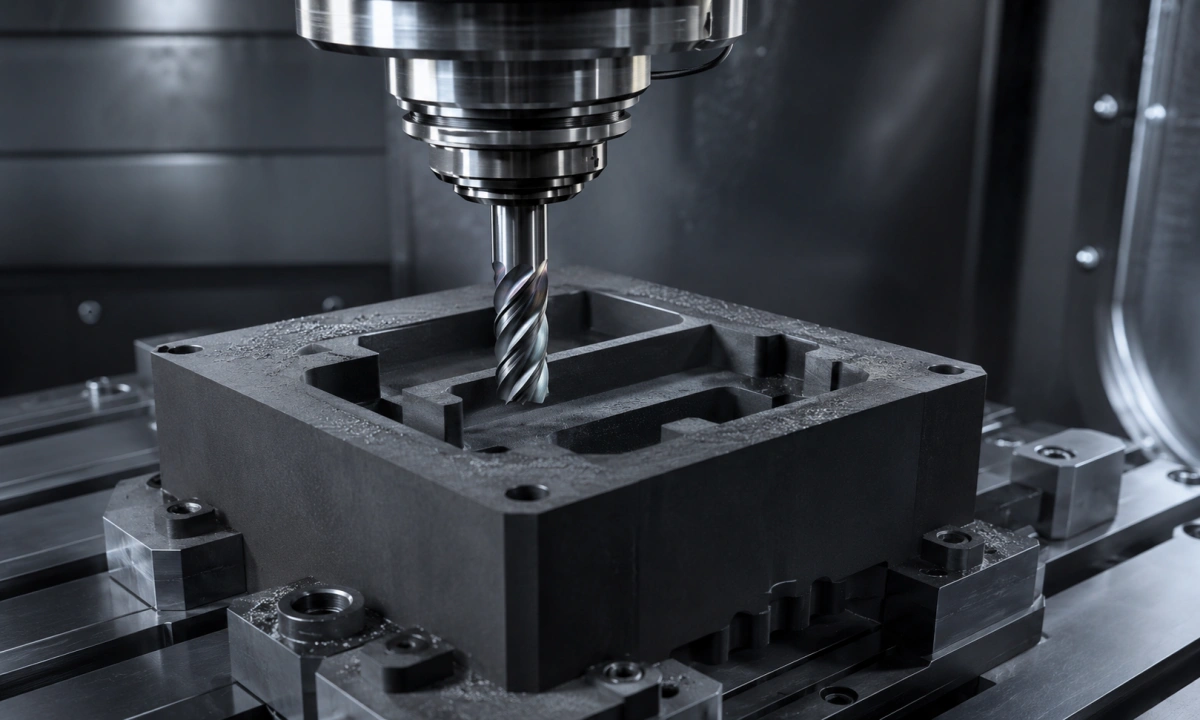
For graphite roughing, chip evacuation and tool strength matter more. For graphite finishing, netteté des bords, état de surface, and dimensional stability become more important.
CFRP and GFRP
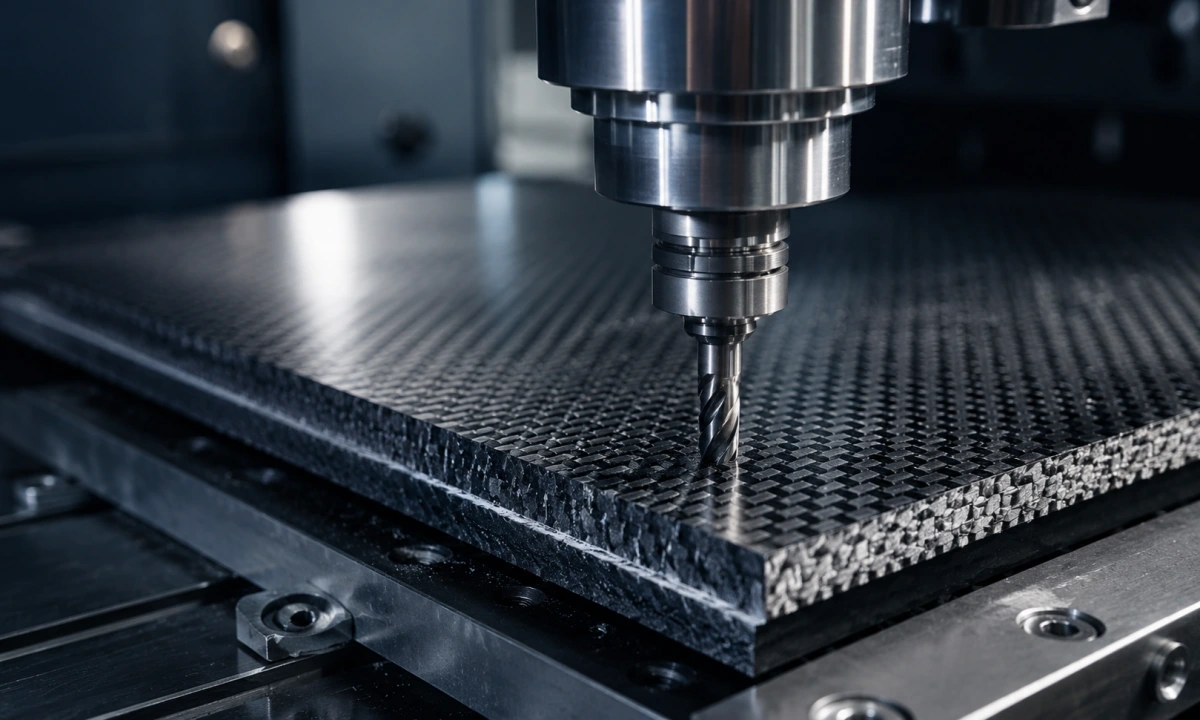
CFRP and GFRP need clean cutting performance. If the cutting edge becomes dull, the tool may pull fibers instead of cutting them. Par conséquent, the workpiece may show fuzzing, delamination, or rough edges.
For composite machining, flute design and cutting edge quality should match the cutting method.
Aluminium à haute teneur en silicium
High-silicon aluminum is more abrasive than common aluminum. Donc, diamond coated tools may help improve tool life in this type of non-ferrous machining.
Étape 2: Match the Tool to the Machining Operation
The same cutter may not work equally well for roughing, finition, trimming, rainurage, and contour milling. You should choose the tool based on the actual operation.
| Opération d'usinage | Recommended Tool Focus | Pourquoi c'est important |
| Graphite roughing | Tool strength and chip space | Helps remove material more efficiently |
| Graphite finishing | Sharp edge and stable diameter | Supports surface quality and accuracy |
| Graphite electrode milling | Wear resistance and repeatability | Helps maintain details during long machining cycles |
| Coupe CFRP | Clean cutting edge | Helps reduce fiber pull-out and fuzzing |
| GFRP milling | Strong coating and stable geometry | Helps control wear in abrasive composites |
| Fraisage d'aluminium à haute teneur en silicium | Diamond coating and suitable flute design | Helps extend tool life in non-ferrous machining |
| Custom parts | Diamètre personnalisé, longueur de flûte, and end type | Matches drawings or special production needs |
Étape 3: Choose the Right Flute Design
Flute design affects chip evacuation, stabilité de coupe, et finition de surface. Donc, it is one of the most important factors in tool selection.
Lower Flute Counts
Lower flute counts usually provide more chip space. They may work better for roughing or applications where chip evacuation is important.
Higher Flute Counts
Higher flute counts may support smoother finishing in some applications. Cependant, the material, vitesse de broche, vitesse d'avance, and tool diameter should all match the flute design.
Custom Flute Geometry
For non-standard graphite parts or composite components, custom flute geometry may provide better results than standard tools. If you need non-standard diameters, flute lengths, or special geometry, you can review our fraises en bout personnalisées.
Étape 4: Select the End Type
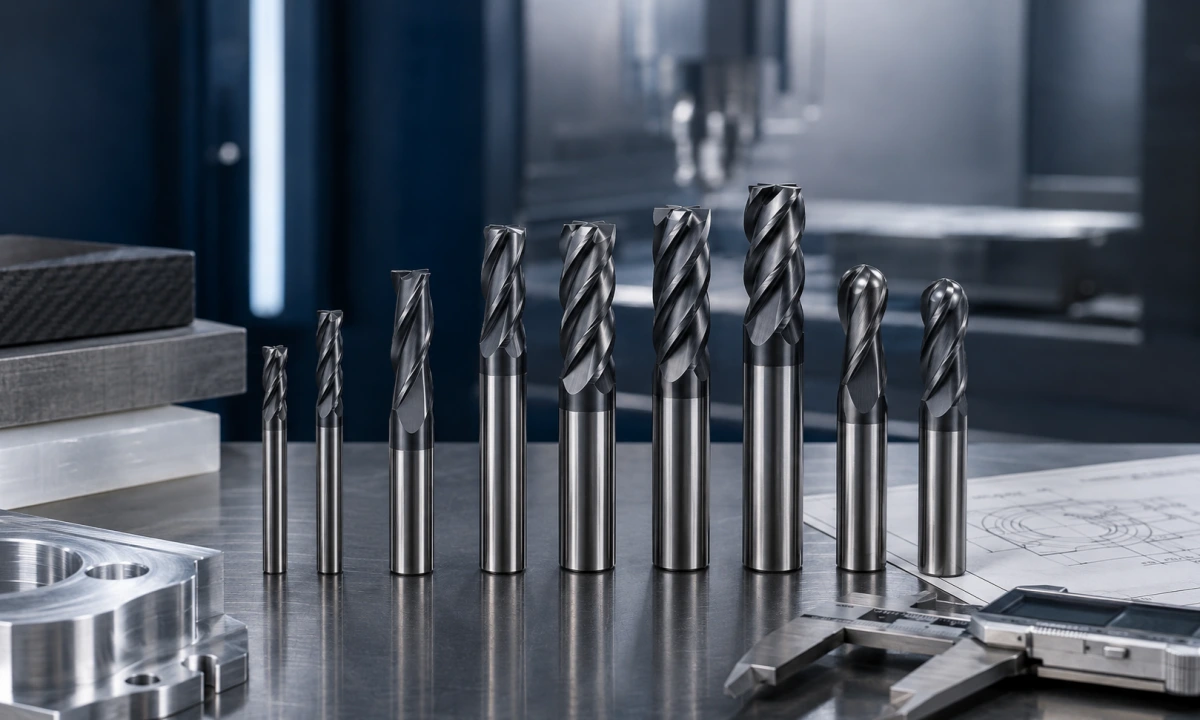
The end type should match the shape of the part and the machining purpose.
Extrémité carrée
Square end tools work well for slots, flat surfaces, fraisage latéral, and general graphite or composite machining.
Nez de boule
Ball nose tools are suitable for 3D contouring, surfaces courbes, and mold-related machining. They can help create smoother tool paths on complex shapes.
Rayon de coin
Corner radius tools offer better edge strength than sharp square end tools. They may be useful when the application needs both tool strength and better surface quality.
Étape 5: Check Cutting Diameter and Tool Length
Tool size affects machining stability. A very long tool may vibrate more easily, while a very short tool may not reach the required cutting area.
When choosing the cutting diameter and length, consider these details:
| Tool Detail | What to Confirm |
| Diamètre de coupe | Match the slot, contour, or feature size |
| Longueur de flûte | Match the cutting depth |
| Longueur totale | Match the machine setup and workpiece height |
| Longueur du cou | Support deep cavities or complex parts |
| Diamètre de la tige | Match the tool holder and machine requirement |
If you are not sure which size to choose, send your drawing, exemple de photo, ou détails d'usinage. A clear specification helps the supplier recommend a more suitable tool.
Étape 6: Understand the Role of Diamond Coating
Diamond coating helps improve wear resistance when machining abrasive materials. This is why many manufacturers choose diamond coated tools for graphite electrodes, Coupe CFRP, GFRP milling, and high-wear non-ferrous applications.
Cependant, coating alone is not enough. The substrate, préparation des bords, géométrie de l'outil, and coating quality should work together. A good tool should balance wear resistance, stabilité de coupe, and edge quality.
For a basic explanation of applications, vous pouvez également lire notre guide sur what diamond coated end mills are used for.
Étape 7: Avoid Using the Wrong Tool for the Material
Diamond coated end mills mainly support graphite, CFRP, PRV, aluminium à haute teneur en silicium, et matériaux non ferreux abrasifs. They are usually not the best choice for steel or stainless steel.
Pour l'acier, acier inoxydable, and other ferrous materials, coated carbide end mills usually work better. You can compare our Fraise en carbure de bois options here:
This distinction is important because using the wrong tool can shorten tool life and reduce machining performance.
Étape 8: Decide Whether You Need Standard or Custom Tools
Standard tools can work for many common machining jobs. Cependant, custom tools may fit deep cavities, détails fins, special edge requirements, or non-standard dimensions better.
You may need custom tools if your project requires:
- Special cutting diameter
- Longer flute length
- Longer overall length
- Special neck design
- Extrémité carrée, nez sphérique, or corner radius design
- Drawing-based tool production
- OEM or ODM requirements
Pour des applications de fraisage de graphite plus larges, vous pouvez également consulter notre diamond milling cutter for graphite machining.
What Information Should You Send for a Quotation?
To get an accurate quotation, send complete tool and machining information. This helps reduce misunderstandings and makes the recommendation more practical.
| Informations nécessaires | Exemple |
| Matériau de la pièce | Graphite, CFRP, PRV, aluminium à haute teneur en silicium |
| Machining operation | Ebauche, finition, trimming, rainurage |
| Diamètre de coupe | Taille standard ou personnalisée |
| Longueur de flûte | According to cutting depth |
| Longueur totale | According to machine setup |
| Type de fin | Extrémité carrée, nez sphérique, rayon de coin |
| Quantité | Commande à l'essai ou commande par lots |
| Dessin ou échantillon | Recommandé pour les outils personnalisés |
The more details you provide, the easier it is to select the right tool.
Common Mistakes When Choosing Diamond Coated End Mills
Choosing Only by Diameter
Diameter is important, but it is not enough. Flute design, longueur de coupe, revêtement, type de fin, and machining method also affect performance.
Using the Same Tool for Roughing and Finishing
Roughing and finishing often need different tool designs. A roughing tool should focus on strength and material removal, while a finishing tool should focus on surface quality and accuracy.
Ignoring Workpiece Material
Graphite, CFRP, PRV, and high-silicon aluminum do not behave the same way. Donc, the tool should match the material instead of using one cutter for all applications.
Not Sending Drawings for Custom Tools
For custom tools, drawings or sample photos help confirm the correct geometry. Without these details, the quotation may not be accurate.
FAQ
How do I choose diamond coated end mills for graphite?
Start with the machining operation, diamètre de coupe, longueur de flûte, type de fin, et finition de surface requise. For graphite electrodes and molds, wear resistance and dimensional stability are especially important.
Are diamond coated end mills good for CFRP?
Oui. They can support CFRP trimming and milling because the coating helps improve wear resistance. A suitable edge design can also help reduce fuzzing and delamination.
Can I use diamond coated end mills for steel?
Nous ne les recommandons pas pour l'acier ou l'inox. Pour matériaux ferreux, les fraises en carbure avec des revêtements appropriés fonctionnent généralement mieux.
Should I choose square end, nez sphérique, or corner radius?
Choose square end for slots and flat surfaces, ball nose for 3D contouring, and corner radius for better edge strength. The best option depends on the part shape and machining method.
Can OMIST make custom diamond coated end mills?
Oui. OMIST supports standard and custom tools according to drawings, échantillons, ou des exigences détaillées. Diamètre personnalisé, longueur de flûte, longueur totale, numéro de flûte, and end type can be discussed.
Conclusion
Choosing diamond coated end mills requires more than selecting a diameter from a catalog. You need to consider the workpiece material, opération d'usinage, revêtement, conception de flûte, type de fin, and tool length.
For graphite electrodes, moules en graphite, Coupe CFRP, GFRP milling, and high-silicon aluminum machining, the right tool can help improve wear resistance, stabilité de coupe, and machining consistency.
Avec 16 years of cutting tool manufacturing experience, OMIST can help customers review material, taille de l'outil, and machining requirements before production.
Get Support for Diamond Coated End Mills
If you need reliable fraises en bout diamantées for graphite, CFRP, PRV, ou usinage d'aluminium à haute teneur en silicium, please send us your tool size, dessin, matériel, et la quantité.
We can help you confirm whether a standard tool or a custom tool is more suitable for your project.